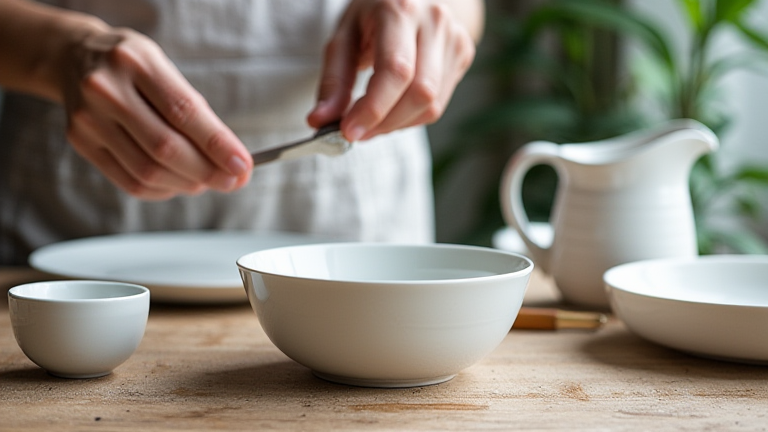
TL;DR: Porcelain’s ancient origins have seamlessly evolved from exclusive imperial luxury into a cornerstone of contemporary minimalism and sustainable living. By embracing the material’s tactile beauty and historical depth, modern lifestyles integrate porcelain as a symbol of refined simplicity and enduring cultural heritage.
The Journey from Kiln to Table
For centuries, porcelain was the stuff of myths and high-value trade, guarded jealously by Chinese dynasties who mastered the art of firing kaolin clay at extreme temperatures. Today, this material is no longer confined to distant palaces or museum vitrines. Instead, it occupies a central role in the global lifestyle renaissance, where authenticity and craftsmanship are prized above mass-produced alternatives. The transition from a rare commodity to a daily essential reflects a broader cultural shift towards valuing the slow, deliberate creation of objects that last.
If you want to dig deeper, check out our guide on Porcelain History & Culture: A Guide to Its Lifestyle Legacy.
In modern travel narratives, seeking out authentic porcelain workshops has become as compelling as visiting ancient ruins. Travelers increasingly design itineraries around ceramics hubs, such as Jingdezhen in China or Limoges in France, not just to buy souvenirs, but to witness the alchemy of transformation. This experiential tourism allows individuals to connect with the hands that shape the clay, fostering a deeper appreciation for the labor behind everyday beauty. It transforms a simple trip into a journey of cultural immersion, where the history of the material is felt through touch and sight.
Refined Dining and Mindful Consumption
The culinary world has also embraced porcelain’s living legacy. Unlike plastic or lower-quality ceramics, fine porcelain enhances the sensory experience of eating. Its smooth surface and thermal properties keep food at the perfect temperature, while its aesthetic clarity allows the colors and textures of the meal to shine. This has sparked a trend in mindful dining, where the vessel is considered as important as the content. Chefs and home cooks alike are curating collections of heirloom-quality plates, viewing them as investments in daily ritual rather than disposable items. This practice aligns with the personal growth angle of intentionality, encouraging people to slow down and savor moments with greater presence.
Furthermore, the durability and non-porous nature of porcelain make it a champion of sustainable living. In an era of environmental awareness, choosing porcelain over single-use plastics or easily breakable alternatives reduces waste and extends the life of household goods. The repairability and timeless design of well-made porcelain pieces mean they can be passed down through generations, carrying stories and memories with them. This longevity challenges the fast-fashion mentality that pervades many aspects of modern life, offering a tangible counter-narrative of permanence and care.
Cultural Resonance in Modern Homes
Within the home, porcelain serves as a bridge between past and present. Decorators often incorporate vintage or antique porcelain into contemporary spaces, creating a dialogue between eras. A Ming dynasty vase on a sleek steel shelf creates a striking contrast that highlights the unique character of each piece. This eclectic approach allows individuals to express their personal history and global connections through their living spaces. It is not about mere decoration, but about creating an environment that resonates with depth and meaning, where every object has a story to tell.
FAQ
Q: Why is porcelain considered a symbol of status in modern times?
A: Its rarity, the skill required to produce it, and its historical association with imperial courts make it a marker of taste and discernment, distinguishing it from mass-produced goods.
Q: How does using porcelain contribute to a sustainable lifestyle?
A: Porcelain is durable, non-porous, and often made from natural materials, reducing the need for frequent replacement and minimizing environmental impact compared to plastics.
Q: Can modern technology replicate the quality of ancient porcelain?
A: While technology improves consistency, the unique aesthetic and historical value of handcrafted or traditional kiln-fired pieces cannot be fully replicated by automated industrial processes.
Leave a Reply