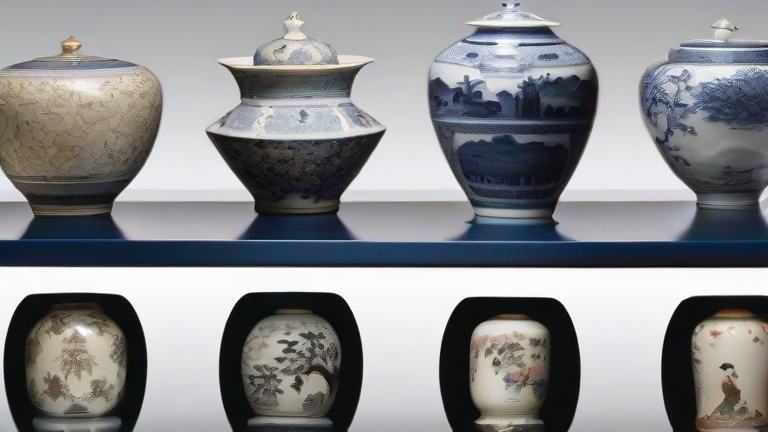
**“Porcelain 101: A Journey Through Its History & Global Culture”** (60 chars)
TL;DR: Porcelain originated in China over 1,500 years ago, revolutionizing global trade and art through its unique translucency and durability. Today, it remains a symbol of luxury, bridging ancient craftsmanship with modern design in ceramics, tableware, and sculpture worldwide.
Step 1: Understand the Origins in China
Begin your journey by studying the Tang Dynasty, where true porcelain first emerged. Unlike earthenware, porcelain is made from kaolin clay and fired at extremely high temperatures, resulting in a dense, white, and semi-translucent body. Research the Longxuan kilns to understand how Chinese potters mastered the secret of “translucency,” a feat that took centuries to perfect and keep secret from the rest of the world.
If you want to dig deeper, check out our guide on Porcelain History & Culture: A Guide to Ceramic Art.
Step 2: Explore the Global Spread via Trade
Trace the maritime Silk Road to see how porcelain became a global commodity. Learn how the Dutch East India Company and Portuguese traders introduced Chinese wares to Europe in the 17th century. This era sparked a massive cultural obsession, known as “chinoiseries,” where European artists imitated Chinese motifs on their own fabrics, furniture, and architecture. Understanding this trade route reveals how a material object shaped diplomatic and economic relations between East and West.
Step 3: Analyze European Imitation and Innovation
Investigate the European race to replicate Chinese porcelain. Start with the soft-paste porcelain of France, such as Vincennes and Sèvres, which mimicked the look but lacked the hardness of Chinese ware. Then, study the breakthrough by Johann Friedrich Böttger in Meissen, Germany, who discovered true hard-paste porcelain in 1708. Compare the delicate floral patterns of English Wedgwood with the bold, blue-and-white designs of Delftware in the Netherlands to see how different cultures adapted the material to their own aesthetic tastes.
Step 4: Appreciate Modern Cultural Significance
Examine how porcelain has evolved from a luxury good to a versatile medium for contemporary art. Look at how modern designers use porcelain for high-end tableware, architectural tiles, and conceptual sculptures. Visit museums like the V&A in London or the Metropolitan Museum of Art in New York to see collections that span from ancient Chinese jars to modern minimalist sculptures. This step highlights how the material continues to influence design trends and cultural identity today.
Essential Tips for Enthusiasts
First, learn to identify real porcelain by tapping it; a true piece produces a clear, ringing tone, whereas ceramic or earthenware sounds dull. Second, study the glaze; high-quality porcelain has a glossy, smooth finish that feels cool to the touch. Finally, always check the maker’s mark on the bottom of the piece. These marks often tell a story about the factory, the artist, and the era, adding significant historical and monetary value to the object. By combining historical knowledge with physical inspection skills, you can better appreciate the intricate journey of this remarkable material from ancient kilns to modern display cases.
FAQ
Q: What makes porcelain different from regular ceramic?
A: Porcelain is made from kaolin clay and fired at much higher temperatures, making it denser, harder, and translucent, whereas standard ceramics are more porous and opaque.
Q: Why was porcelain so valuable in historical trade?
A: Its production was complex and secret for centuries, making it rare and difficult to replicate, which turned it into a high-status luxury item comparable to gold or silk.
Q: How can I care for antique porcelain?
A: Handle pieces with clean, dry hands or cotton gloves, avoid sudden temperature changes to prevent cracking, and dust them gently with a soft, dry cloth to preserve the glaze.
Leave a Reply