Porcelain History & Culture: A Business Guide
TL;DR: The global porcelain market is driven by a fusion of historical prestige and modern design, creating a high-margin niche for brands that successfully bridge cultural heritage with contemporary aesthetics. Success in this sector requires leveraging storytelling to justify premium pricing while diversifying product lines to capture both luxury collectors and everyday consumers.
Market Analysis: The Value of Heritage
The porcelain industry is no longer just about mass-produced tableware; it is a sophisticated cultural export. The market is segmented into three primary tiers: industrial utility, artisanal luxury, and high-end collectibles. According to recent trade data, the luxury segment is growing at a compound annual growth rate significantly higher than the general homeware sector. This growth is fueled by consumers who view porcelain not merely as a functional object, but as a tangible connection to history and art. The “quiet luxury” trend has particularly boosted demand for hand-thrown pieces and historically accurate reproductions, such as Meissen, Jingdezhen, and Limoges styles. However, the market faces challenges from supply chain volatility and the rising cost of raw materials like kaolin. Furthermore, the rise of sustainable manufacturing practices has become a critical differentiator. Consumers are increasingly scrutinizing the environmental impact of kiln firing and glaze chemistry, favoring brands that can demonstrate carbon-neutral production processes without compromising on the quality of the final product.
If you want to dig deeper, check out our guide on Porcelain History: Unveiling the Tech Behind the White Gold.
Strategy Insights: Branding Through Story
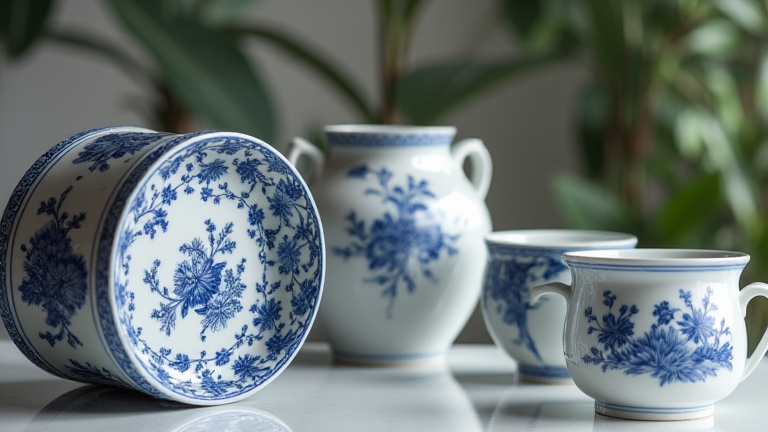
To succeed, businesses must move beyond selling ceramics to selling narratives. The primary strategy involves deep-rooted cultural branding. Companies that highlight the lineage of their craftsmanship, the origin of their clay, and the historical significance of their designs command higher loyalty. For example, a brand might focus on the revival of a specific historical glaze technique, such as the blue-and-white patterns of the Ming Dynasty, but reinterpret them through a minimalist, modern lens. This approach appeals to a younger demographic that values authenticity but prefers contemporary aesthetics. Digital engagement is also crucial. Utilizing virtual reality to showcase the intricate process of kiln firing or offering behind-the-scenes content on the artisans’ work can enhance perceived value. Additionally, strategic partnerships with museums and cultural institutions can provide credibility and access to new customer bases. Limited edition collections tied to specific historical anniversaries can create urgency and exclusivity, driving immediate sales and long-term brand equity.
Case Studies: Learning from the Leaders
Consider the case of a European manufacturer that revitalized its declining sales by pivoting to an “educational luxury” model. They began offering subscription boxes that included a single, hand-painted piece along with a detailed booklet explaining the historical context of the design. This strategy increased customer retention by forty percent and allowed them to charge a premium price point. Conversely, an Asian manufacturer focused on mass-market appeal by collaborating with pop-culture icons, creating porcelain versions of famous sculptures. While this generated massive volume, it diluted the brand’s heritage status, leading to a subsequent rebranding effort to refocus on traditional craftsmanship. These examples illustrate that while innovation is necessary, it must be balanced with respect for the cultural roots of the product. The most successful businesses are those that treat porcelain as a living cultural artifact, continuously evolving its presentation while honoring its historical integrity.
FAQ
Q: What is the most profitable niche within the porcelain market?
A: The high-end artisanal and collectible niche is the most profitable, as it commands significant premium pricing due to scarcity and cultural significance.
Q: How can small businesses compete with established heritage brands?
A: Small businesses can compete by focusing on niche design collaborations, sustainable production methods, and direct-to-consumer storytelling that emphasizes authenticity and personal connection.
Q: Is digital marketing effective for selling traditional porcelain?
A: Yes, digital marketing is highly effective when used to educate consumers about the history and craftsmanship, using video content and social media to bridge the gap between ancient tradition and modern lifestyle.
Leave a Reply