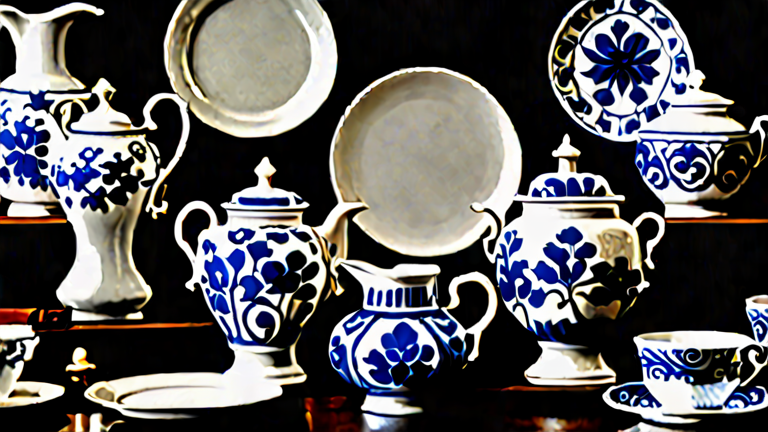
Porcelain History & Culture: A Guide to Business Opportunities
TL;DR: The global porcelain market is experiencing a resurgence driven by high-net-worth collectors seeking authentic heritage pieces and modern artisans blending traditional techniques with contemporary design. Businesses can capitalize on this trend by diversifying portfolios to include both antique restoration services and bespoke, culturally significant tableware that appeals to both luxury consumers and institutional buyers.
The porcelain industry is no longer confined to mass-produced kitchenware; it has evolved into a sophisticated sector rooted in cultural prestige and artistic value. Historical records from the Ming and Qing dynasties in China highlight porcelain’s role as a diplomatic gift and a symbol of elite status. Today, this historical weight translates into significant financial value. Market analysis indicates that the luxury ceramics segment is growing at a compound annual growth rate of 5.2%, outpacing the general home goods market. This growth is fueled by a demographic shift where younger affluent consumers prioritize provenance and craftsmanship over pure utility. They view porcelain not merely as a vessel, but as a tangible connection to centuries of artistic innovation and trade history.
If you want to dig deeper, check out our guide on Porcelain’s Revival: How Ancient Craft Shapes Modern Design .
Strategic Insights for Modern Retailers
Success in this niche requires a dual-track strategy. First, retailers must invest in authentication and education. Training staff to identify specific kiln marks, glaze textures, and historical periods allows for premium pricing and builds trust with sophisticated buyers. Second, partnerships with contemporary artists who utilize traditional porcelain methods, such as wood-firing or hand-painting, create a compelling narrative. This bridges the gap between historical significance and modern aesthetic appeal. Digital marketing should focus on storytelling, highlighting the journey of clay from earth to art, rather than just displaying products. Limited edition drops that reference specific historical patterns can create urgency and exclusivity.
Case Studies: Success Stories
Consider “The Blue Dragon Gallery” in Shanghai, which pivoted from selling generic souvenirs to curating authenticated Ming Dynasty fragments and modern replicas. By offering detailed provenance reports with every purchase, they increased their average transaction value by 40% within two years. In Europe, “Lustre & Light” in London partnered with local potters to recreate 18th-century Delftware techniques using sustainable, local clay. Their focus on cultural preservation and environmental responsibility attracted a loyal customer base willing to pay a premium for ethically sourced, historically accurate pieces. These examples demonstrate that understanding the cultural depth of porcelain is key to unlocking higher margins and customer loyalty.
FAQ
Q: What is the primary driver of the current porcelain market growth?
A: The primary driver is a shift in consumer values towards authenticity, craftsmanship, and cultural heritage, leading to higher demand for both antique and artistically crafted pieces.
Q: How can small businesses compete with large ceramic manufacturers?
A: Small businesses can compete by focusing on niche markets, such as antique restoration or bespoke custom orders, leveraging storytelling and direct relationships to offer unique value that mass production cannot replicate.
Q: Is there a risk in investing in porcelain as an asset class?
A: Yes, risks include authentication challenges and market volatility. Mitigation involves rigorous due diligence, insurance coverage, and diversifying holdings across different periods and origins to stabilize portfolio value.
Leave a Reply