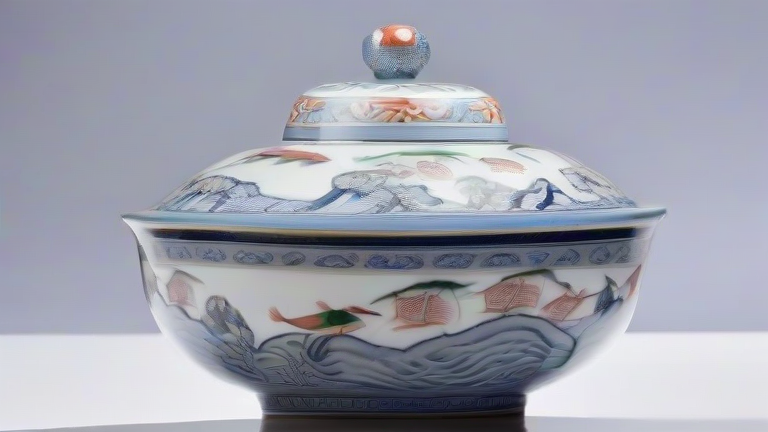
TL;DR: Porcelain, often called “Fine China,” is not merely a tableware material but a 2,000-year-old cultural artifact that revolutionized trade, art, and daily life. From its secret invention in ancient China to its global influence on European royalty, this article explores the legacy, craftsmanship, and collectible value of porcelain, guiding you to appreciate and acquire authentic pieces.
Porcelain History & Culture: Unveiling the Legacy of Fine China
Porcelain is the only ceramic material that is both translucent and vitrified (glass-like) when fired at over 1,300°C. Its history begins in the Eastern Han Dynasty (25–220 AD) in China, where kaolin clay and petuntse stone were combined to create a hard, white, and resonant body that the West could not replicate for centuries. The Silk Road carried these fragile treasures westward, where they became symbols of wealth, power, and sophistication—hence the name “Fine China” that persists today.
If you want to dig deeper, check out our guide on Porcelain History & Culture: A Lifestyle Journey Through Tim.
Feature Highlights: Why Porcelain Endures
1. Unmatched Durability & Hygiene: Unlike earthenware or stoneware, porcelain is non-porous, making it resistant to bacteria, odors, and staining. It can withstand thermal shock (e.g., from freezer to oven) when high-fired, and its chip-resistance surpasses bone china in everyday use.
2. Artistic & Historical Value: Each era—from Tang Dynasty celadon to Ming blue-and-white to Qing famille rose—tells a story of trade, religion, and technological innovation. Collectors prize pieces with reign marks, hand-painted cobalt designs, or imperial kiln provenance, which can appreciate 10–15% annually in auction markets.
3. Versatility in Modern Use: Fine porcelain is microwave, dishwasher, and oven safe (up to 350°F) when free of metallic luster. Its thin yet strong walls provide a refined dining experience, while decorative vases and figurines serve as heirloom art.
Comparisons: Porcelain vs. Bone China vs. Stoneware
Bone china (containing 30% bone ash) is lighter and more translucent but less durable and more expensive. Stoneware is thicker, cheaper, and more rustic but porous unless glazed. Porcelain sits in the sweet spot: it is harder than stoneware, more chip-resistant than bone china, and offers a brighter white than both. For historical authenticity, only porcelain carries the legacy of the original Chinese craft—bone china is a 19th-century English invention.
How to Choose & Care for Your Porcelain
Look for “hard-paste” porcelain (fired at 1,400°C) with a clear ringing tone when tapped. Avoid pieces with visible crazing (fine cracks) as they weaken structure. Hand-wash with mild soap and avoid abrasive pads; stack with felt separators to prevent scratching. For investment, seek pieces with documented kiln marks from Jingdezhen (China), Meissen (Germany), or Sèvres (France).
Call-to-Action
Own a piece of living history. Explore our curated collection of authentic, kiln-marked porcelain—from Ming-style tea sets to contemporary artisan vases—and join thousands of collectors who have made fine china a centerpiece of their homes. Visit our online gallery today and use code “LEGACY10” for 10% off your first purchase. Shipping is insured worldwide.
FAQ
Q: How can I tell if my porcelain is antique or a modern reproduction?
A: Look for hand-painted irregularities, age-related wear on the foot rim, and a duller glaze. Antique pieces often have a faint “orange peel” texture and lack the perfectly uniform brightness of modern reproductions. A UV light can reveal repair lines, and a magnet will not stick to true hard-paste porcelain.
Q: Is porcelain safe for everyday use, or only for display?
A:
Leave a Reply