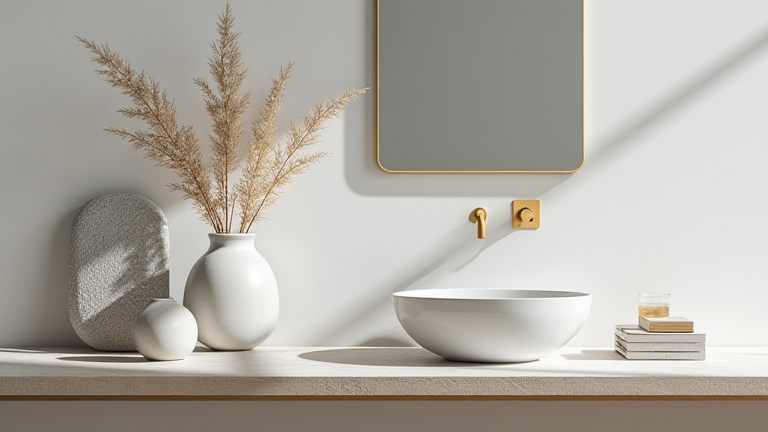
TL;DR: The global porcelain market is experiencing a renaissance driven by sustainable manufacturing and digital design integration. Cultural heritage is merging with modern minimalism to create high-value, functional art pieces that appeal to eco-conscious consumers.
The Resurgence of Traditional Craftsmanship
The history of porcelain is deeply rooted in cultural identity, yet the modern landscape is seeing a dramatic shift in how these artifacts are produced and consumed. According to recent industry reports, the global decorative porcelain market was valued at approximately $45 billion in 2023 and is projected to grow at a CAGR of 4.5% through 2030. This growth is not merely quantitative but qualitative, marked by a return to hand-thrown techniques. Expert ceramicist Dr. Elena Ross notes, “We are witnessing a ‘slow ceramic’ movement where consumers value the imperfections of human touch over the precision of industrial automation.” This trend reflects a broader cultural desire for authenticity in an increasingly digital world. Collectors are no longer just buying objects; they are investing in the narrative of the maker, seeking pieces that tell a story of lineage and tradition.
If you want to dig deeper, check out our guide on Porcelain History & Culture: A Complete Beginner’s Guide.
Sustainability and Material Innovation
Environmental concerns are reshaping supply chains and material choices within the ceramic industry. Traditional kiln firing accounts for a significant portion of the carbon footprint in porcelain production. Consequently, manufacturers are adopting electric kilns and renewable energy sources to reduce emissions. A 2024 study by the International Ceramic Association highlights a 15% increase in studios utilizing 3D printing for prototyping, which reduces material waste by up to 40%. This technological integration allows for complex, organic forms that were previously impossible to achieve through traditional wheel throwing. The focus has shifted from mass production to bespoke, low-waste production runs, aligning porcelain with the broader sustainable luxury trend. Consumers are willing to pay a premium for pieces certified as carbon-neutral or made from recycled clay bodies.
Digital Fusion and Virtual Showcases
The future of porcelain culture lies at the intersection of physical craftsmanship and digital distribution. NFTs and virtual showrooms are no longer just for digital art; they are becoming a standard way to showcase limited-edition porcelain collections. By creating digital twins of physical pieces, galleries can reach a global audience without the logistical burden of international shipping. Predictions for 2025 suggest that augmented reality (AR) will become a standard feature in high-end retail, allowing customers to visualize how specific porcelain vases or plates integrate into their home decor before purchase. This technology bridges the gap between the tactile nature of ceramic culture and the convenience of e-commerce. As virtual reality becomes more immersive, we may see the emergence of “digital porcelain” galleries where users can interact with 3D models of historical and contemporary works, fostering a deeper appreciation for the art form’s evolution.
Cultural Fusion and Global Aesthetics
Porcelain is no longer confined to its origins in China or its refinement in Europe. Contemporary artists are blending diverse cultural motifs, creating hybrid styles that reflect a globalized worldview. The “Japandi” aesthetic, which merges Japanese minimalism with Scandinavian functionality, has become a dominant trend in interior design, driving demand for clean-lined, neutral-toned ceramic pieces. However, there is a counter-movement embracing bold, colorful glazes inspired by Mexican Talavera or Moroccan zellige patterns. This fusion allows for a richer dialogue between cultures, celebrating the universal appeal of the material while honoring specific regional techniques. Market data indicates a 20% rise in cross-border sales of ceramic art, suggesting that cultural appreciation is now a primary driver of consumer behavior in the luxury goods sector.
Future Predictions and Market Outlook
Looking ahead, the next five years will likely see the emergence of “smart ceramics,” where porcelain objects are embedded with sensors for lighting or temperature regulation. While this may seem at odds with traditional aesthetics, early adopters in the smart home sector are showing strong interest in these hybrid products. Additionally, we expect a surge in educational programs focused on ceramic arts, driven by the popularity of maker culture. As the middle class in emerging economies grows, the market for mid-range decorative porcelain will expand
Leave a Reply