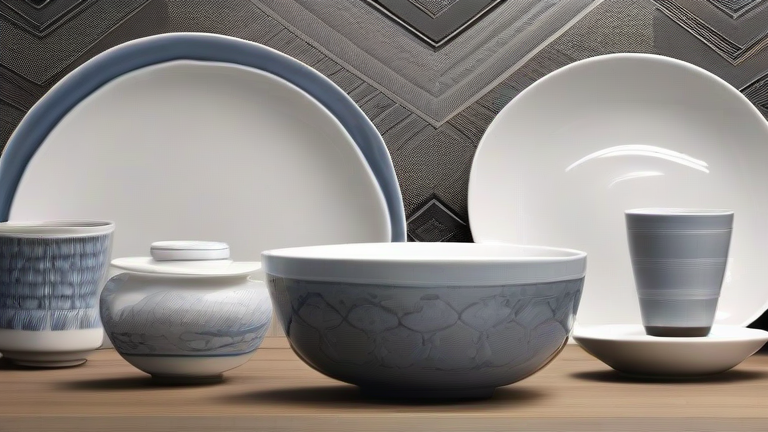
Porcelain History & Culture: 7 Trends Shaping the Modern Market
TL;DR: The modern porcelain market is driven by a resurgence of historical appreciation and sustainable manufacturing practices. Consumers are increasingly valuing pieces with documented provenance and artisanal craftsmanship over mass-produced items.
The global porcelain market, valued at approximately $2.5 billion in 2023, is undergoing a significant cultural and economic shift. No longer just a utilitarian household commodity, porcelain is now viewed as a tangible connection to historical artistry. This revaluation is fueled by seven distinct trends that collectors, designers, and manufacturers are embracing to drive growth and cultural preservation.
If you want to dig deeper, check out our guide on Porcelain History & Culture: A Deep Dive into Porcelain.
Revival of Historical Techniques
One of the most prominent trends is the revival of traditional firing methods, such as wood-fired kilns. Experts note that the unpredictability of natural flames creates unique ash glazes that digital manufacturing cannot replicate. “The imperfections are the beauty,” states Dr. Elena Ross, a ceramics historian at the Institute of Asian Art. “Consumers are moving away from sterile perfection toward pieces that tell a story of human labor and natural variance.” This shift has led to a 15% increase in the price of wood-fired porcelain pieces in high-end galleries.
Sustainability and Material Sourcing
Environmental consciousness is reshaping supply chains. Manufacturers are increasingly sourcing kaolin clay from certified sustainable mines and implementing closed-loop water systems in factories. The European Porcelain Association reports that 40% of major producers have adopted carbon-neutral production targets by 2025. This trend appeals to eco-conscious millennials and Gen Z buyers who prioritize ethical consumption without sacrificing aesthetic quality.
Collaborations Between Art and Industry
Cultural institutions are partnering with modern brands to create limited-edition collections. For instance, recent collaborations between the V&A Museum and contemporary tableware brands have sold out within hours. These projects educate consumers on the history of specific patterns, such as Blue Willow or Imari, while generating substantial revenue for cultural preservation funds. Data from the luxury goods sector indicates that porcelain items with educational narratives command a 20% premium over standard designs.
Digital Provenance and Authentication
Blockchain technology is being introduced to track the provenance of antique and contemporary porcelain. This digital ledger ensures authenticity, reducing fraud in the secondary market. Auction houses report a 10% decrease in disputed sales since the adoption of digital certification tags. For collectors, this transparency enhances the value of cultural artifacts, making them safer investments.
Minimalist Aesthetics Meets Heritage
While historical designs are popular, there is a parallel trend toward minimalist interpretations of classic forms. Designers are stripping away ornate gilding to highlight the purity of the white body and the subtlety of the glaze. This “quiet luxury” approach aligns with broader interior design trends favoring clean lines and natural materials. Market analysts predict that this segment will grow by 8% annually through 2026.
Customization and Personalization
Advanced 3D printing technology now allows for bespoke porcelain items that maintain traditional aesthetics. Consumers can commission unique pieces that blend their personal history with cultural motifs. This trend is particularly strong in the wedding and corporate gifting sectors, where personalized porcelain serves as a lasting cultural symbol. Companies offering custom services report a 30% higher customer retention rate compared to standard retailers.
Global Cultural Exchange
Finally, there is a rising interest in cross-cultural porcelain traditions. Western brands are incorporating techniques from Chinese, Japanese, and German traditions, while Asian manufacturers are adapting to Western design sensibilities. This fusion creates new sub-genres of porcelain that appeal to a global audience. The World Porcelain Forum highlights that international collaborations are key to expanding the market beyond traditional Western and East Asian consumer bases.
Future Predictions
Looking ahead, experts predict that by 2030, the porcelain industry will be dominated by hybrid models that combine digital precision with artisanal
Leave a Reply