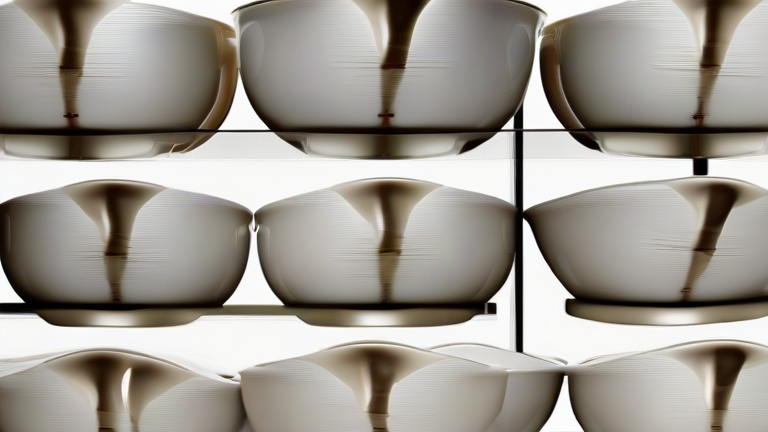
TL;DR: Porcelain’s journey from ancient Chinese kilns to modern wellness tools illustrates a deep cultural connection between ceramic craftsmanship and physical well-being. Embracing handcrafted porcelain vessels for tea and hydration supports mindful living, enhances sensory experiences, and aligns with sustainable health practices.
The Origins of White Gold
Porcelain, often called “white gold,” originated in China during the Han Dynasty, though it reached its zenith in the Tang and Song dynasties. Unlike earthenware, porcelain is fired at extremely high temperatures, creating a material that is non-porous, durable, and aesthetically pristine. Historically, this material was reserved for the elite, symbolizing purity and sophistication. The secret to its creation involved specific kaolin clay deposits, which remained a state secret for centuries, highlighting the material’s cultural significance beyond mere utility.
If you want to dig deeper, check out our guide on Porcelain History: Surprising Health Benefits & Cultural Sec.
Cultural Significance and Rituals
Across East Asia, porcelain is intrinsically linked to tea culture, a practice deeply rooted in wellness. The use of high-quality porcelain teapots and cups allows for the purest expression of tea flavors without absorption, a key aspect of traditional Chinese medicine and Zen Buddhist practices. In Japan, the concept of “wabi-sabi” finds expression in ceramic imperfections, reminding practitioners to find beauty in transience and mindfulness. These cultural rituals encourage slow living, a modern health trend that reduces stress and improves mental clarity. By engaging in the deliberate act of brewing and sipping tea from fine porcelain, individuals cultivate a moment of pause, essential for mental health maintenance.
Health Benefits and Modern Applications
From a scientific perspective, porcelain is an inert material, meaning it does not leach chemicals or react with acidic beverages like tea or fruit-infused water. This safety profile makes it a superior choice for daily hydration compared to some plastics or lower-quality ceramics. Recent studies suggest that the ritualistic aspects of using beautiful tableware can enhance satiety and satisfaction with meals, potentially aiding in healthier eating habits. Furthermore, the tactile experience of holding warm porcelain engages the senses, promoting mindfulness and reducing cortisol levels. Integrating porcelain into your daily routine is a simple, accessible way to incorporate ancient wellness traditions into modern life.
Lifestyle Tips for Wellness
To harness the benefits of porcelain, start by investing in a high-quality teapot for daily herbal teas. Choose pieces with natural glazes to avoid synthetic additives. Practice mindful drinking by focusing on the temperature, texture, and aroma of your beverage. Additionally, consider using porcelain bowls for food to encourage slower eating, as the weight and beauty of the dish can make meals more intentional. This approach transforms a mundane act into a therapeutic practice, bridging the gap between ancient culture and contemporary health goals.
FAQ
Q: Is porcelain safe for daily use?
A: Yes, authentic porcelain is non-porous and chemically inert, making it safe for storing and consuming food and beverages without leaching harmful substances.
Q: How does porcelain support mental wellness?
A: The aesthetic and tactile qualities of porcelain encourage mindfulness and presence during meals, reducing stress and promoting a sense of calm and satisfaction.
Q: What is the historical link between porcelain and health?
A: Porcelain has been central to tea rituals in Asia for millennia, practices that are deeply tied to traditional medicine and holistic well-being through slow, intentional consumption.
Leave a Reply