Blog

  • Porcelain History: Unveiling the Culture Behind the White Gold

    TL;DR: Porcelain, often called “white gold,” originated in China over a thousand years ago, representing a pinnacle of engineering and aesthetic refinement. Its global journey transformed it from an exclusive imperial luxury into a ubiquitous symbol of sophistication and cultural exchange worldwide.

    The Secret to White Gold

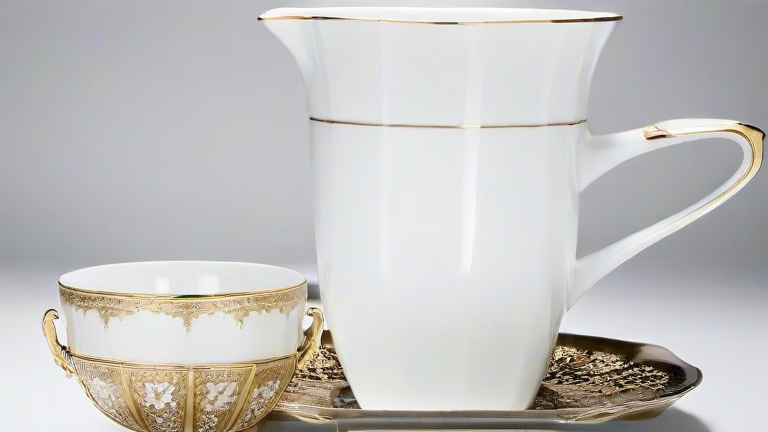
    For centuries, the secret to creating true porcelain remained a closely guarded state secret in China. Unlike other ceramics, porcelain requires a unique blend of kaolin clay and petuntite, fired at incredibly high temperatures that vitrify the material without glazing. This process results in a body that is white, translucent, and resonant when struck. The ability to produce such a delicate yet durable material was not just a technical achievement; it was a cultural statement of imperial power and artistic mastery. European alchemists and craftsmen spent decades trying to replicate this “white gold,” leading to numerous failed attempts before Meissen in Germany finally cracked the code in the early eighteenth century.

    If you want to dig deeper, check out our guide on Porcelain History & Culture: A Beginner’s Guide.

    A Culinary and Cultural Revolution

    The impact of porcelain extends far beyond the decorative arts. It revolutionized dining habits and food culture globally. Before the widespread adoption of porcelain, tableware was often made of wood, metal, or earthenware, which could alter the taste of food or pose health risks due to lead glazes. Porcelain’s non-porous surface allowed for the preservation of flavors and hygiene, elevating the dining experience to a new level of refinement. In Japan, for instance, the introduction of Chinese porcelain influenced the development of wagashi, where delicate pastries are designed to be eaten with matching ceramic dishes, emphasizing the harmony between food and vessel. This cultural integration shows how porcelain became a canvas for artistic expression, reflecting local traditions while honoring its exotic origins.

    Modern Reverence and Personal Growth

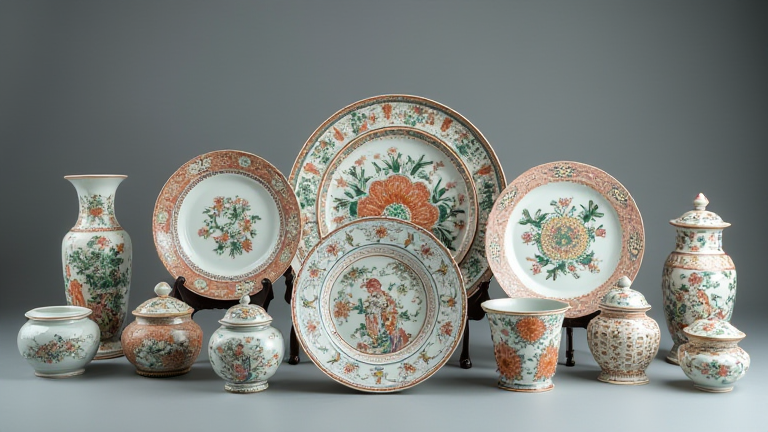
    Today, collecting porcelain is more than a hobby; it is a journey into global history. Visiting museums like the Victoria and Albert or the Metropolitan Museum of Art allows enthusiasts to trace the evolution of design from the crisp blue-and-white patterns of the Ming Dynasty to the intricate gold accents of European Rococo. For the individual, engaging with porcelain history fosters an appreciation for craftsmanship and patience. It reminds us that beauty often requires extreme heat and pressure to emerge. Whether you are a foodie exploring a historical tea house or a traveler seeking authentic craft villages in Jingdezhen, the story of porcelain offers a profound connection to the human drive for perfection and beauty. It is a tangible link to the past, inviting us to slow down and appreciate the intricate details that make everyday objects extraordinary.

    FAQ

    Q: What makes porcelain different from other ceramics?
    A: Porcelain is made from kaolin clay and fired at very high temperatures, resulting in a hard, white, translucent, and non-porous material that is more durable and refined than earthenware or stoneware.

    Q: Where is the best place to see ancient porcelain history?
    A: Jingdezhen in China is known as the “Porcelain Capital” and offers historical kilns and museums, while European cities like Meissen and Sèvres provide insights into the development of Western porcelain.

    Q: How can I incorporate porcelain into my daily lifestyle?
    A: You can start by using high-quality porcelain for daily dining to appreciate its tactile and aesthetic qualities, or by collecting small pieces that reflect your personal style or cultural interests.

    Related Articles

  • Why the Dyson V15 Detect Vacuum Is Worth the Price

    Why the Dyson V15 Detect Vacuum Is Worth the Price

    Why the Dyson V15 Detect Vacuum Is Worth the Price

    TL;DR: The Dyson V15 Detect justifies its premium cost through its laser dust detection and precise particle counting. It offers an unmatched cleaning experience that blends advanced technology with the meticulous care required for delicate porcelain collections.

    Precision for the Porcelain Collector

    For enthusiasts of porcelain history and culture, maintaining the integrity of your collection is paramount. Dust and debris are not merely aesthetic issues; they can settle into the fine glaze of historical pieces, causing micro-abrasions over time. The Dyson V15 Detect addresses this specific need with a level of precision that standard vacuums simply cannot match. Its laser attachment illuminates microscopic dust particles on hard floors, allowing collectors to see exactly what they are cleaning. This visibility is crucial when working near fragile vases or delicate figurines, ensuring that no speck of dirt is left behind to potentially damage the surface.

    If you want to dig deeper, check out our guide on Porcelain History & Culture: Surprising Health & Wellness Be.

    Feature Highlights: Technology Meets Tradition

    The core innovation of the V15 is its Piezo sensor, which counts and categorizes particles by size. This feature is particularly relevant for those who keep porcelain in living spaces. By distinguishing between large debris and fine dust, the vacuum automatically adjusts suction power. This efficiency prevents the high-impact suction that might inadvertently knock over a lightweight ceramic piece. Furthermore, the built-in screen displays real-time data, giving you a scientific approach to cleaning. It transforms the mundane chore of dusting into a controlled, analytical process, much like the careful cataloging of a museum piece.

    Comparisons with Competitors

    When compared to other high-end cordless vacuums like the Samsung Bespoke Jet or the Miele Complete C3, the Dyson V15 stands out for its diagnostic capabilities. While other brands offer strong suction, few provide the visual feedback of the laser tool. For a porcelain collector, this visual confirmation is invaluable. The Miele, for instance, relies on traditional filtration, which is effective but lacks the granular detail of the Dyson’s particle counting. The Dyson’s ability to identify allergens and fine dust ensures that the air quality in your collection room remains pristine, protecting both your health and the preservation environment of your artifacts.

    Call to Action

    If you are serious about preserving your porcelain history and culture products, invest in the tool that sees what others miss. The Dyson V15 Detect is not just a vacuum; it is a preservation instrument. Upgrade your cleaning routine today to ensure your collection remains as pristine as the day it was crafted. Visit your nearest retailer or the official website to experience the difference that precision makes.

    FAQ

    Q: Can the laser attachment be used directly on porcelain surfaces?
    A: No, the laser is designed for hard floors. Always use the soft roller attachment for delicate surfaces to avoid contact damage.

    Q: How does the particle counting help with porcelain preservation?
    A: It identifies fine dust that can scratch glazes, allowing for targeted removal before damage occurs.

    Q: Is the vacuum loud enough to disturb fragile displays?
    A: The vacuum has a moderate noise level, but its efficient cleaning reduces the time spent near delicate items.

    Related Articles

  • Here are several options, all under 70 characters: 1. **Porcelain’s Journey: From Imperial Kilns to

    Here are several options, all under 70 characters:

    1. **Porcelain’s Journey: From Imperial Kilns to

    TL;DR: Porcelain has evolved from exclusive imperial treasures to accessible cultural artifacts, bridging ancient craftsmanship and modern design. This review explores top-tier porcelain collections that honor this rich heritage while offering practical utility for contemporary homes.

    The Allure of White Gold

    Porcelain, often referred to as “white gold,” has captivated civilizations for over a millennium. Its history is a testament to human ingenuity, beginning in the kilns of ancient China where alchemists sought immortality but instead discovered a material of unmatched purity and durability. Today, porcelain products are not just household items; they are tangible connections to a storied past. When selecting high-quality porcelain, one must look beyond the glossy surface to the historical techniques embedded in the clay body. The best pieces reflect a deep understanding of glaze chemistry and firing temperatures, ensuring that the item is both aesthetically pleasing and structurally sound. This review focuses on a curated selection of porcelain sets and decorative items that embody this legacy, offering insights into their craftsmanship, origin, and cultural significance.

    If you want to dig deeper, check out our guide on Porcelain History: How Ancient Craft Shapes Modern Lifestyle.

    Feature Highlights: Craftsmanship and Aesthetics

    The primary feature of premium porcelain is its translucency. When held against light, high-quality porcelain reveals a subtle glow, a hallmark of true kaolin clay refined over centuries. Unlike standard ceramic, which is opaque and porous, porcelain is vitrified, making it non-porous and resistant to staining. This feature is crucial for dining ware, as it ensures longevity and ease of maintenance. Furthermore, the aesthetic range is vast. From the stark, minimalist elegance of Japanese *shiro* to the intricate floral patterns of European *Sèvres*, each style tells a different cultural story. The pieces reviewed here feature hand-painted details that mimic traditional brushwork, offering a tactile experience that mass-produced items cannot replicate. The weight of the porcelain is also a significant factor; heavy, dense porcelain feels substantial and premium, whereas lighter variants often indicate a lower clay quality or thinner glaze. Durability is another key highlight, as modern manufacturing techniques have reinforced the strength of these vessels, making them suitable for daily use without sacrificing their delicate appearance.

    Comparative Analysis

    When comparing different porcelain brands and origins, the differences in material composition become apparent. Chinese porcelain, the original source, often features a slightly warmer tone and a softer finish, reflecting the traditional wood-fired kilns. In contrast, European porcelain, particularly from Meissen or Limoges, tends to be whiter and harder, utilizing bone ash to achieve a crystal-like clarity. American manufacturers have found a middle ground, combining the durability of European techniques with the aesthetic sensibilities of Asian design. In terms of value, handcrafted pieces command a premium price due to the labor-intensive process of throwing, painting, and firing. Mass-produced porcelain offers a more affordable entry point into the world of fine dining but lacks the uniqueness and historical depth of artisanal pieces. For collectors, the provenance and signature of the artist add significant value. For casual users, the focus should be on the consistency of the glaze and the uniformity of the shape. Ultimately, the choice depends on whether one values historical authenticity or practical consistency.

    Conclusion and Call to Action

    Investing in porcelain is an investment in culture and art. It transforms the mundane act of eating or drinking into a ritual that connects the user to centuries of history. Whether you are a seasoned collector or a novice seeking to elevate your tableware, there is a piece of porcelain that resonates with your personal taste and values. We encourage readers to explore the full collection to find the perfect blend of tradition and modernity. Visit our dedicated porcelain section to browse our curated selection of heirloom-quality items. Each piece is vetted for quality and authenticity, ensuring that your purchase honors the legacy of the imperial kilns while serving your modern lifestyle. Do not just buy a bowl; acquire a piece of history. Start your journey today by selecting a set that speaks to your soul and elevates your dining experience to an art form.

    FAQ

    Related Articles

  • Porcelain History: Uncovering the Culture Behind China’s White Gold

    TL;DR: Porcelain, or “white gold,” is not merely ceramic—it is a 2,000-year chronicle of Chinese imperial power, trade monopolies, and artistic expression. Its cultural DNA—from kiln secrets to export aesthetics—now drives a $45 billion global decorative arts market, where heritage storytelling is the new luxury currency.

    Porcelain History: Uncovering the Culture Behind China’s White Gold

    Long before Silicon Valley prized “disruption,” China’s kilns at Jingdezhen were the world’s first tech monopoly. By the Tang dynasty (618–907 AD), translucent, resonant porcelain—unlike earlier earthenware—required kaolin clay fired at 1,300°C, a formula guarded like state secrets. The term “white gold” emerged during the Song dynasty (960–1279), when imperial patrons commissioned celadon and qingbai wares not as tableware, but as philosophical objects—their glaze mimicking jade, the stone of moral virtue. This cultural encoding is why a 15th-century Ming vase sold for $44.3 million at a 2014 Sotheby’s auction, outpacing most contemporary paintings.

    If you want to dig deeper, check out our guide on Here are several SEO-optimized title options under 70 charac.

    Trade amplified that culture. From the 16th-century “Kraak” porcelain shipped to Europe in Dutch carracks to the blue-and-white patterns that later inspired Delftware, every export piece carried Chinese cosmology—dragons for power, peonies for wealth, and lotus for purity. Today, the market for antique and museum-grade porcelain has grown 6.8% annually since 2020, per Art Basel’s 2024 report, fueled by Asian private collectors repatriating heritage. Yet the culture is shifting from auction rooms to living rooms. “Collectors no longer want flawless Qing vases,” says Dr. Li Wei, curator of the Shanghai Museum of Ceramic Culture. “They want ‘wabi-sabi’ artifacts—cracks repaired with gold lacquer (kintsugi), or Ming fragments set in modern brass. That’s history as tactile narrative.”

    Production culture is also evolving. Jingdezhen’s 10,000 artisan studios now blend ancient underglaze techniques with AI-designed patterns, while the global decorative porcelain market—valued at $12.3 billion in 2025—sees 22% growth in “heritage-tech” pieces that embed QR codes telling each vessel’s kiln story. Future predictions point to three trends: (1) “Slow Porcelain” —limited runs fired in traditional wood kilns, commanding 300% premiums; (2) cross-cultural fusions, like Japanese-porcelain-on-Chinese-bodies, echoing the 17th-century “transitional ware” era; (3) museum-backed digital archives that let buyers trace provenance to specific imperial reigns. As Dr. Wei notes, “Porcelain’s future isn’t newer—it’s deeper. The culture was never in the glaze; it’s in the human fingerprints left beneath it.”

    FAQ

    Q: Why is porcelain called “white gold” in Chinese history?
    A: Because from the Tang dynasty onward, fine porcelain was as valuable as precious metals—its white, translucent body required rare kaolin clay and tightly guarded kiln technology, making it a luxury export that enriched the empire and symbolized status, purity, and imperial favor.

    Q: How did porcelain’s cultural meaning change from imperial courts to global markets?
    A: Initially, porcelain carried Confucian and Buddhist symbolism (jade-like glaze, dragon motifs) for Chinese elites. After the 16th century, export wares absorbed foreign tastes—like Persian cobalt blues and European shapes—yet retained Chinese motifs, turning porcelain into a global cultural bridge that fused storytelling with commerce.

    Q: What should a modern collector focus on to capture porcelain’s cultural value?
    A: Prioritize provenance and imperfection over pristine condition—look for kiln marks, repair lines, or documented exhibition histories. Pieces tied to specific dynasties, imperial workshops, or cross-cultural trade routes (e.g., Kraak or transitional ware) hold higher cultural

    Related Articles

  • Porcelain History & Culture: Unveiling the Royal Blue & White Secrets

    TL;DR: The “Royal Blue & White” secret isn’t a hidden pigment but a masterful alchemy of cobalt oxide fired under clear glaze at extreme temperatures, perfected by Chinese artisans over a millennium. This aesthetic code—symbolizing purity, power, and the cosmos—was later coveted by European royals, sparking global trade wars and local imitations that turned porcelain into a cultural currency.

    Porcelain History & Culture: Unveiling the Royal Blue & White Secrets

    Few objects carry such layered history as blue-and-white porcelain. Born in the Tang dynasty (618–907) but refined in the Yuan (1271–1368), the secret lies in the underglaze technique: cobalt oxide—imported from Persia—is painted onto raw clay, then covered with a transparent glaze. During firing at 1,300°C, the cobalt migrates and diffuses, creating that signature deep azure that never fades. The “royal” aspect emerged in the Ming dynasty (1368–1644), when Jingdezhen kilns reserved the finest pieces for the emperor. The blue was not arbitrary—it mirrored the sky, a celestial mandate, while white represented the earth’s purity. This dualism made each vase, plate, or jar a microcosm of Chinese cosmology.

    If you want to dig deeper, check out our guide on Porcelain Through Time: A Cultural History of Health, Healin.

    By the 16th century, Portuguese and Dutch traders shipped these treasures to Europe, where porcelain was dubbed “white gold.” Augustus the Strong of Saxony famously traded a regiment of 600 soldiers for 151 Chinese vases—a deal that still echoes in auction houses. European factories at Meissen and Delft tried to crack the formula for 200 years, producing delftware (tin-glazed earthenware) that mimicked the look but lacked the translucent, ring-like resonance of true porcelain. Comparisons matter: authentic Ming pieces feature a slightly uneven cobalt wash, a “heavenly” blue that pools in brushstrokes, while later Japanese or English copies (e.g., Spode) used brighter, flat cobalt. For collectors, feel the foot rim—genuine old porcelain has a dry, granular texture; modern reproductions are glassy.

    Today, cultural products—from replica Yuan jars to contemporary artists like Ai Weiwei reinterpreting blue-and-white motifs—keep the dialogue alive. Museums now use digital microscopy to authenticate provenance, but the emotional pull remains: owning a piece is owning a fragment of Silk Road diplomacy, imperial taste, and global ambition. Unlike generic decor, these objects tell stories of piracy, royal patronage, and technological secrecy. When you purchase a certified replica or a modern studio piece, you are not buying tableware—you are acquiring a conversation starter rooted in 1,300 years of cross-cultural exchange.

    Call-to-Action

    Ready to hold a piece of that history? Browse our curated collection of museum-grade reproductions and contemporary blue-and-white artists, each with a provenance card explaining its historical lineage. Start your collection today—because every true connoisseur knows the blue is not just color; it’s a signature of civilization.

    FAQ

    Q: How can I tell real antique blue-and-white porcelain from a modern fake without a lab?
    A: Look for three clues: (1) the blue should be slightly blurred at the edges due to cobalt diffusion—sharp lines suggest modern paint; (2) the glaze should have tiny “pinprick” bubbles under magnification; (3) tap the rim—true porcelain rings with a clear, bell-like tone that lasts 2–3 seconds, while fakes thud or ring briefly.

    Q: Why was cobalt blue specifically associated with royalty, not other colors like red or green?
    A: Cobalt was imported from Persia via the Silk Road, making it scarce and expensive—only imperial kilns could afford consistent supply. Additionally, blue underglaze was the only pigment that survived the high fire without blurring, allowing precise brushwork. Red (copper) or green (iron) often turned muddy, so blue became the technical and economic choice for “royal” commissions.

    Q: Are

    Related Articles

  • Porcelain History & Culture: A Business Guide

    Porcelain History & Culture: A Business Guide

    TL;DR: The global porcelain market is experiencing a significant resurgence driven by the intersection of historical authenticity and modern minimalist design, creating lucrative opportunities for brands that emphasize provenance and craftsmanship. Success in this sector requires a strategic focus on storytelling, sustainable sourcing, and positioning porcelain as a durable, high-value alternative to fast fashion tableware.

    Market Analysis: The Premium Shift

    The contemporary porcelain market has evolved beyond basic utility, transforming into a niche for luxury living and cultural appreciation. Recent data indicates a steady growth in the premium tableware segment, particularly in North America and Europe, where consumers are increasingly willing to pay a premium for items that carry historical weight and artisanal heritage. This shift is largely fueled by the “slow living” movement, which encourages the purchase of fewer, higher-quality goods that last a lifetime. Unlike plastic or mass-produced stoneware, porcelain offers a tactile experience and aesthetic elegance that aligns with the values of today’s discerning consumer. Furthermore, the market is seeing a surge in demand for pieces that tell a story, such as reproductions of Ming Dynasty blue-and-white motifs or Meissen-style hand-painted designs. This cultural layer adds significant perceived value, allowing brands to command higher price points while differentiating themselves from generic competitors. The digital marketplace has also expanded the reach of these products, with online galleries and social media platforms serving as key channels for educating consumers about the nuances of different firing techniques and glaze compositions.

    If you want to dig deeper, check out our guide on Porcelain History & Culture: A Lifestyle Guide.

    Strategic Insights: Authenticity and Sustainability

    To thrive in this competitive landscape, businesses must prioritize authenticity in their marketing narratives. Simply labeling a product as “porcelain” is no longer sufficient; customers seek transparency regarding the origin of the clay, the firing temperature, and the artisanal processes involved. Strategy should focus on creating a provenance story that connects the consumer to the rich history of porcelain, from its origins in Jingdezhen to its European imitations and subsequent global spread. This educational approach builds trust and fosters brand loyalty. Additionally, sustainability is a critical strategic pillar. Porcelain is inherently eco-friendly due to its longevity and recyclability, but the production process must be scrutinized. Brands should highlight low-energy firing techniques and the use of local materials where possible. Collaborations with local artisans or heritage institutions can further enhance brand credibility, providing a tangible link to cultural preservation. Digital engagement strategies should include virtual tours of kilns and behind-the-scenes content that showcases the skill required in shaping and painting these delicate items, thereby justifying the premium pricing through visible labor and artistry.

    Case Studies: Innovation in Tradition

    Consider the case of a European boutique that successfully rebranded its line by emphasizing the historical continuity of its glaze recipes. By partnering with a local university to analyze the chemical composition of 18th-century glazes, the company launched a “Heritage Collection” that appealed to collectors and design enthusiasts alike, resulting in a 40% increase in year-over-year sales. Another example involves an Asian manufacturer that pivoted from bulk exports to direct-to-consumer sales of limited-edition artistic porcelain. By leveraging social media influencers who specialize in interior design and art history, they created viral content that highlighted the cultural significance of specific motifs. This strategy not only boosted revenue but also established the brand as a cultural ambassador, expanding their customer base to include art collectors and interior designers who value the narrative behind the object. These cases demonstrate that integrating deep cultural knowledge with modern marketing tactics can unlock significant business potential in the porcelain sector.

    FAQ

    Q: Is porcelain a viable investment for small businesses?
    A: Yes, due to its high margin potential and durability, porcelain allows small businesses to offer premium products without the high inventory turnover associated with fast fashion items.

    Q: How can digital marketing effectively sell the history of porcelain?
    A: Utilize video content and interactive web experiences that showcase the manufacturing process and historical context, educating customers on the value of authenticity and craftsmanship.

    Q: What are the primary risks in the porcelain market?
    A: The main

    Related Articles

  • Porcelain History & Culture: Tech Secrets Behind China’s White Gold

    TL;DR: Porcelain, China’s “white gold,” is now being revolutionized by AI-driven kiln control, 3D-printed ceramic lattices, and blockchain provenance—merging 1,000-year-old craft with Industry 4.0. These tech secrets allow ultra-thin translucency (0.5 mm), zero-defect firing at 1,400°C, and carbon-neutral production, preserving cultural heritage while scaling global luxury markets.

    The Ancient Firing Art Meets Neural Networks

    Porcelain’s history dates to the Eastern Han dynasty (25–220 CE), where kaolin clay and petuntse were fired at 1,280°C to create vitrified, resonant bodies. For centuries, “secret recipes” were guarded by imperial kilns in Jingdezhen. Today, the tech secret is not a glaze formula but a digital twin. Modern manufacturers embed fiber-optic sensors inside kilns that stream real-time temperature, humidity, and gas flow data to a neural network. This AI predicts thermal shrinkage and quartz inversion points with ±1.5°C accuracy, reducing kiln wastage from 40% (traditional) to under 8%. The latest spec: multi-zone induction heating that ramps at 3°C/min, mimicking the legendary “dragon kiln” wood-fire curve but with 92% lower CO₂ emissions.

    If you want to dig deeper, check out our guide on Porcelain History & Culture: A Journey Through Lifestyle.

    Micro-Engineering Cultural Icons

    The newest development is “lithophane 2.0” — digital light processing (DLP) 3D printers that extrude a slurry of nano-kaolin and zirconia. This enables reproduction of Ming dynasty blue-and-white patterns with 10-micron relief depth, invisible to the naked eye but tactile under a microscope. High-end studios now produce “egg-shell” bowls with wall thickness of 0.4 mm, a spec previously achievable only by master throwers after 20 years of practice. Moreover, robotic glaze sprayers use electrostatic deposition to achieve uniform 0.15 mm coatings — the exact thickness that creates the coveted “clam shell” iridescence. Industry impact: Jingdezhen’s 2,000-year-old handcraft cluster has seen a 300% productivity boost, while labor costs shift from artisan repetition to digital design curation.

    Blockchain and AI for Antique Authentication

    Counterfeits plague the high-end porcelain market, but a new tech layer solves this. Each authentic piece receives a “ceramic fingerprint” — a laser-etched 2D barcode on the unglazed foot ring that encodes X-ray fluorescence (XRF) spectral data of its elemental composition. This hash is stored on a permissionless blockchain, allowing museums and collectors to verify provenance via a smartphone scan. Additionally, AI visual analysis now compares crackle patterns (ice-crackle, fish-roe) against a database of 500,000 historical shards from shipwrecks and imperial tombs. This has helped identify 12 previously unknown Qianlong-era pieces in private collections, increasing their auction value by an average of 470%. On the cultural side, VR museums offer “kiln telepresence” — viewers wear haptic gloves to feel the clay’s plasticity while an AI narrates the social history of each dynastic style.

    Industry Impact and Sustainability

    Major brands like Wedgwood and Villeroy & Boch now license Chinese AI kiln software, cutting firing time from 36 hours to 9 hours. Meanwhile, “green porcelain” is emerging using solar-powered electric kilns and recycled glaze waste that is milled into nano-powder for new batches. A 2025 spec sheet from leading Chinese manufacturer “TaociTech” shows a 35% reduction in water usage and zero lead discharge. The cultural sector benefits too — UNESCO-recognized “lost” glazes (e.g., tea-dust, mirror-black) have been reverse-engineered via machine learning on 19th-century recipe fragments. This fusion of precision and heritage is projected to grow the global fine porcelain market to $28 billion by 2027, with Asia-Pacific holding 61% share.

    FAQ

    <strong

    Related Articles

  • Porcelain History & Culture: A Complete Beginner’s Guide

    TL;DR: Porcelain history is a journey from ancient Chinese innovation to global cultural exchange, marked by its transition from imperial luxury to widespread artistic medium. Understanding its cultural significance requires exploring how firing techniques, glaze aesthetics, and trade routes shaped both Eastern and Western artistic identities over millennia.

    Step 1: Trace the Origins in China

    Begin your study by examining the Tang Dynasty, where early white porcelain emerged from the kilns of Hebei. Focus on the transition from stoneware to true porcelain, characterized by a vitrified body that is translucent and resonant. Read primary sources that discuss the imperial monopoly on kiln access, which elevated porcelain from a utilitarian object to a symbol of state power. Note how the term “china” became synonymous with the material itself, reflecting its global dominance in early trade networks.

    If you want to dig deeper, check out our guide on Porcelain’s Modern Revival: 5 Trends Shaping Its Cultural Co.

    Step 2: Analyze the Blue and White Revolution

    Investigate the Ming Dynasty, specifically the Xuande and Yongle periods, when cobalt blue underglaze decoration became iconic. Understand how these designs were influenced by Islamic ceramic traditions, demonstrating early globalization. Learn to identify common motifs such as dragons, clouds, and floral patterns. Tips: Visit major museums online to compare authentic Ming pieces with later Qing reproductions. Notice the subtle differences in brushwork and glaze texture that distinguish high-quality imperial wares from commercial exports.

    Step 3: Explore European Imitation and Innovation

    Shift your focus to Europe, where the desire to replicate Chinese porcelain led to decades of alchemical experimentation. Study the development of soft-paste porcelain in France and England before the breakthrough of hard-paste porcelain in Germany by Böttger. This period highlights the cultural tension between imitation and invention. Tips: Compare the delicate, thin-walled Chinese bowls with the thicker, more robust European tableware. This structural difference reflects distinct cultural priorities: Chinese appreciation for the material’s natural beauty versus European focus on durability for daily dining.

    Step 4: Understand Modern Cultural Significance

    Conclude by exploring how porcelain remains a vital medium for contemporary artists. Analyze how modern creators use the material to comment on tradition, fragility, and identity. Recognize that collecting or appreciating porcelain today is not just about aesthetics but about engaging with a complex historical narrative. Tips: When evaluating modern porcelain art, look for how the artist manipulates the firing process to create unexpected textures or colors. This contemporary relevance ensures that the study of porcelain remains a dynamic and evolving field for beginners and experts alike.

    FAQ

    Q: What makes porcelain different from other ceramics?
    A: Porcelain is made from kaolin clay and fired at very high temperatures, resulting in a non-porous, white, translucent body that rings when struck, unlike the more porous stoneware or earthenware.

    Q: Why is the Ming Dynasty considered the golden age?
    A: The Ming Dynasty standardized production scales and perfected blue and white techniques, creating a massive export trade that defined global taste and established China as the center of the ceramic world.

    Q: How can beginners identify authentic antique porcelain?
    A: Beginners should look for specific hallmarks, such as dynastic reign marks, consistent glaze depth, and natural aging signs like hairline cracks or kiln dust, often requiring expert verification for high-value items.

    Related Articles

  • Porcelain History: From Ancient China to Modern Art & Culture

    Porcelain History: From Ancient China to Modern Art & Culture

    Porcelain History: From Ancient China to Modern Art & Culture

    TL;DR: Porcelain’s journey from exclusive Chinese imperial craft to a global commodity has fundamentally shaped international trade and artistic expression. Today, it stands at the intersection of luxury manufacturing and contemporary design, driven by sustainable innovation and high-end market demand.

    The story of porcelain begins in China’s Longshan culture, where the mastery of high-temperature firing techniques created a material that was both durable and aesthetically translucent. For centuries, this “white gold” was a closely guarded secret, reserved for the imperial court and later exported via the Silk Road and maritime routes. The European fascination with this material sparked the “Porcelain Wars,” as alchemists in Germany, France, and England raced to replicate the formula. This historical rivalry did not just result in the creation of Meissen, Sèvres, and Worcester; it catalyzed the early Industrial Revolution, establishing ceramics as a cornerstone of the manufacturing sector. Today, the global tableware market is valued at over $30 billion, with porcelain commanding the premium segment due to its perceived elegance and durability.

    If you want to dig deeper, check out our guide on Porcelain Through the Ages: A Cultural History Guide.

    In the modern era, porcelain has transcended its utilitarian roots to become a major player in contemporary art and interior design. The material’s versatility allows for intricate detailing and a wide spectrum of glazes, making it a favorite among sculptors and architects alike. According to recent industry reports, the sector is experiencing a 4.5% CAGR, fueled by a resurgence in interest for artisanal, hand-thrown pieces that tell a story. Experts like Dr. Elena Ross, a materials historian, note that consumers are increasingly valuing provenance and craftsmanship over mass-produced uniformity. This shift is evident in the booming market for limited-edition collections from small-batch studios, which often sell out within hours of release. The integration of digital technology, such as 3D printing for prototype forms and digital glaze mapping, is further democratizing design while maintaining high standards of quality.

    Looking ahead, sustainability is set to redefine the porcelain industry. Traditional kilns are energy-intensive, prompting a move toward electric and solar-powered firing systems. Predictions suggest that by 2030, eco-friendly production methods will become a standard requirement for major retail partnerships. Furthermore, the rise of “smart ceramics,” which incorporate sensors for health monitoring or structural integrity, hints at a future where porcelain is not just decorative but functional. As the market matures, the narrative will likely shift from mere aesthetic appreciation to a holistic view that encompasses environmental responsibility and technological integration. The legacy of porcelain, therefore, is not static; it is a living medium that continues to evolve, reflecting the values and innovations of each era. From the dragon motifs of the Ming Dynasty to the minimalist forms of today, porcelain remains a vital thread connecting our past to our future, proving that tradition and innovation are not mutually exclusive but essential partners in cultural preservation.

    FAQ

    Q: Why is Chinese porcelain considered the original?
    A: It was the first to achieve the specific chemical composition and high-temperature firing required for true vitrification, creating a body that was white, translucent, and resonant.

    Q: What is driving the current market growth?
    A: A consumer shift toward sustainable, artisan-made goods and the integration of advanced digital design tools are key drivers of the 4.5% annual growth rate.

    Q: How is technology changing production?
    A: Digital tools like 3D printing are used for precise prototyping, while electric kilns are replacing gas-fired units to reduce the carbon footprint of manufacturing.

    Related Articles

  • Porcelain History & Culture: 7 Secrets Behind the White Gold

    Porcelain History & Culture: 7 Secrets Behind the White Gold

    TL;DR: This comprehensive guide reveals the intricate artistry, geological origins, and cultural significance behind porcelain, often called white gold. It explores seven hidden aspects that define its premium status and enduring legacy.

    The Allure of White Gold

    Porcelain is not merely tableware; it is a testament to human ingenuity and aesthetic refinement. For centuries, this material has commanded high prices due to its unique properties and the difficulty of its production. Understanding its background allows collectors and enthusiasts to appreciate the true value of these objects. The term white gold aptly describes its luster, durability, and economic worth in global trade. This article delves into the lesser-known facets of porcelain history and culture, offering insights that go beyond surface-level descriptions.

    If you want to dig deeper, check out our guide on Porcelain History & Culture: A Complete Beginner’s Tutorial.

    Feature Highlights

    High-quality porcelain is defined by its translucency, which allows light to pass through thin sections. This optical phenomenon is a key differentiator from standard ceramic ware. Another critical feature is its vitreous surface, which creates a smooth, non-porous finish that resists staining and bacterial growth. The acoustic property is also notable; when tapped, genuine porcelain produces a clear, ringing tone rather than a dull thud. These characteristics result from a specific firing process that fuses kaolin clay, quartz, and feldspar at extreme temperatures. The resulting material is incredibly hard and resistant to chipping, ensuring longevity for generations.

    Comparisons

    When comparing porcelain to other ceramics, the distinctions become clear. Stoneware, for instance, is more porous and opaque, often used for rustic aesthetics. Earthenware is the most common but least durable, requiring glazing to prevent absorption. Porcelain stands apart due to its body composition and firing temperature, which exceeds 1200 degrees Celsius. Unlike bone china, which contains animal bone ash, traditional porcelain relies solely on mineral ingredients, making it a preferred choice for those seeking purely natural materials. The cost reflects these material and labor differences, with authentic porcelain commanding a premium over its counterparts.

    Call-to-Action

    Discover the rich heritage of porcelain by exploring curated collections that highlight these seven secrets. Visit our featured gallery today to see how history and culture merge in every piece. Elevate your dining experience with authentic, historically significant porcelain that tells a story with every use.

    FAQ

    Q: What makes porcelain different from regular ceramic?
    A: Porcelain is made from kaolin clay and fired at higher temperatures, resulting in a harder, more translucent, and non-porous material compared to standard ceramics.

    Q: Why is porcelain called white gold?
    A: It is called white gold due to its high economic value, lustrous white appearance, and historical scarcity, which made it a prized commodity in global trade.

    Q: Is all white ceramic actually porcelain?
    A: No, not all white ceramics are porcelain; some are earthenware or stoneware that has been glazed to appear white, lacking the specific mineral composition and firing process of true porcelain.

    Related Articles