TL;DR: Porcelain history spans millennia, originating in China and evolving into a global symbol of artistic and cultural prestige. Today, it remains a vital element of lifestyle, blending functional elegance with deep historical significance in dining, decor, and art.
The Origins of White Gold
Porcelain, often referred to as “white gold,” has a fascinating journey that began in ancient China. For centuries, the secret to its creation was closely guarded, involving a unique combination of kaolin clay and petuntse. This material required high-temperature firing to achieve its distinctive translucency and strength. The Song Dynasty marked a pivotal era, where artisans perfected the celadon glazes, creating pieces that were not only durable but also aesthetically profound. As trade routes expanded, particularly the Silk Road, Chinese porcelain began to appear in markets across Asia and Europe, captivating collectors with its delicate beauty and intricate designs.
If you want to dig deeper, check out our guide on From Ming Vases to Modern Art: Porcelain’s Cultural Renaissa.
European Imitation and Innovation
When porcelain reached Europe in the sixteenth and seventeenth centuries, it sparked a frenzy among royalty and the wealthy. The material was so coveted that it was worth more than gold, leading to elaborate ceremonies around its use. European potters spent decades attempting to replicate the Chinese formula. This quest led to significant innovations, such as soft-paste porcelain in France and England. The breakthrough came in the early eighteenth century when German alchemist Johann Friedrich Böttger discovered the recipe for true hard-paste porcelain. This achievement allowed Europe to produce its own high-quality ceramics, shifting the global dynamic from importation to local production and fostering a new era of European design styles like Sèvres and Meissen.
Porcelain in Modern Lifestyle
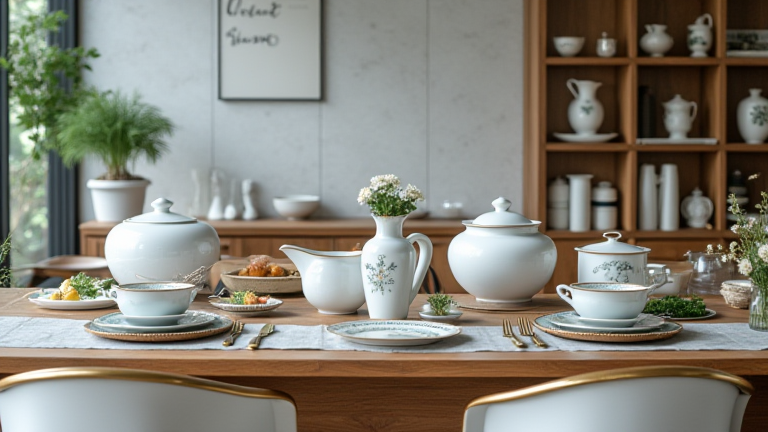
In the contemporary world, porcelain has transcended its role as a mere luxury item to become a staple of modern living. It is integral to our daily routines, from morning coffee cups to elegant dinner settings. Modern manufacturers use porcelain for a wide range of lifestyle products, including decorative vases, bathroom fixtures, and even high-end technology components. The material’s versatility allows it to adapt to various design aesthetics, from minimalist Scandinavian styles to ornate traditional motifs. Collectors and enthusiasts continue to value antique porcelain for its historical narrative, while new generations appreciate its sustainability and timeless appeal. Incorporating porcelain into your home is not just about decoration; it is an invitation to engage with a rich cultural heritage that connects us to centuries of human creativity and craftsmanship.
FAQ
Q: What makes porcelain different from regular ceramic?
A: Porcelain is made from kaolin clay and fired at higher temperatures, making it denser, whiter, more translucent, and more durable than standard ceramic.
Q: Can I use antique porcelain for daily use?
A: While some antique pieces are sturdy, it is generally recommended to display them or use them for special occasions to prevent damage from chipping or thermal shock.
Q: How should I care for my porcelain items?
A: Hand wash delicate pieces with mild soap and lukewarm water, avoid abrasive cleaners, and store them in a dry, stable environment to prevent cracking.