Category: Uncategorized

  • Porcelain History: 10 Trends Shaping Modern Ceramic Culture

    TL;DR: The modern porcelain industry is undergoing a significant transformation driven by sustainable manufacturing practices and the integration of digital fabrication technologies. These shifts are redefining consumer expectations, moving the market from mass-produced utility items toward high-value, culturally resonant artisanal pieces.

    The Resurgence of Heritage Aesthetics

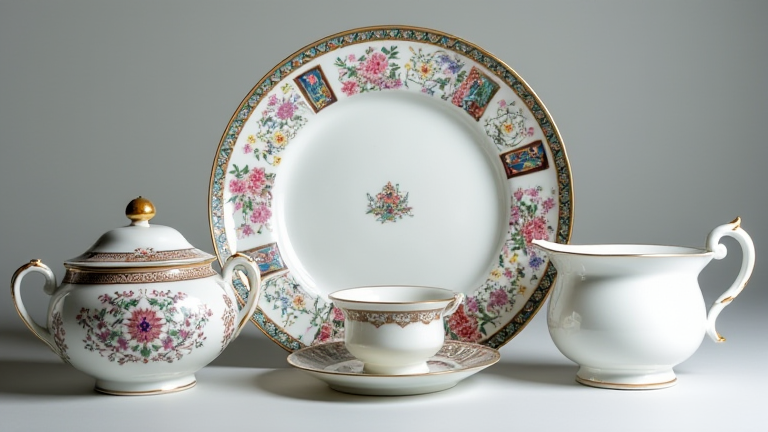
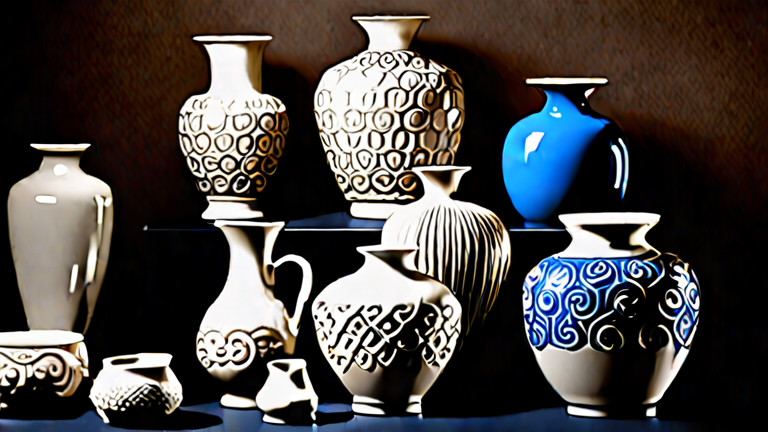
    The global porcelain market, valued at approximately $34.5 billion in 2023, is experiencing a profound shift as consumers seek authenticity in an increasingly digital world. According to recent data from Grand View Research, the demand for handcrafted ceramic goods has grown by 12% year-over-year, signaling a departure from industrial uniformity. This trend reflects a broader cultural movement where history is not merely preserved in museums but actively integrated into contemporary design. Manufacturers are now collaborating with historians to revive ancient firing techniques, such as the Ming Dynasty’s blue-and-white glazing, but adapting them for modern kitchenware and home decor. This hybrid approach allows brands to offer products that carry historical weight while remaining functional in daily life.

    If you want to dig deeper, check out our guide on **How Technology Is Rewriting Porcelain’s 2,000-Year History.

    Sustainability and Material Innovation

    Environmental responsibility has become a critical driver of market growth. Industry experts note that traditional porcelain production is energy-intensive, prompting a pivot toward eco-friendly alternatives. Companies are increasingly adopting closed-loop water systems and utilizing recycled kaolin clay to reduce their carbon footprint. A 2024 survey by the Ceramic Industry Association revealed that 68% of top-tier manufacturers have invested in renewable energy sources for their kilns. Furthermore, the rise of “bio-porcelain,” which incorporates biodegradable materials, is gaining traction among eco-conscious consumers. This innovation addresses the dual need for aesthetic beauty and environmental stewardship, positioning sustainable porcelain as a premium category rather than a niche market.

    Digital Fabrication and Mass Customization

    Technology is reshaping how porcelain is designed and produced. Additive manufacturing, or 3D printing, is enabling the creation of complex geometries that were previously impossible with traditional wheel-throwing methods. This technology allows for mass customization, where consumers can order unique, personalized ceramic pieces without the high costs associated with bespoke craftsmanship. Leading firms like Corning and specialized startups are leveraging AI to optimize kiln firing schedules, reducing waste by up to 15%. This efficiency not only lowers production costs but also accelerates time-to-market, allowing brands to respond quickly to emerging design trends. The convergence of digital precision and traditional ceramic artistry is creating a new class of “smart ceramics,” where functionality and form are seamlessly aligned.

    Future Predictions and Market Outlook

    Looking ahead, the porcelain industry is expected to continue its trajectory toward personalization and sustainability. Analysts predict that by 2030, the segment for custom-designed ceramic home goods will double in size. Additionally, the integration of IoT sensors into ceramic tiles for smart homes is emerging as a promising frontier. As cultural heritage becomes a key differentiator, brands that can authentically tell their historical story while embracing modern innovation will dominate the market. The future of porcelain lies in its ability to bridge the gap between ancient tradition and futuristic technology, offering consumers a tangible connection to history in a rapidly changing world.

    FAQ

    Q: What is the primary driver of growth in the modern porcelain market?
    A: The primary driver is the consumer demand for sustainable, artisanal products that offer a connection to historical craftsmanship.

    Q: How is technology impacting traditional porcelain manufacturing?
    A: Technology is enhancing efficiency through AI-optimized firing and enabling mass customization via 3D printing, reducing waste and increasing design flexibility.

    Q: Are there new materials being used in porcelain production?
    A: Yes, bio-porcelain made from biodegradable materials and recycled kaolin clay are becoming increasingly popular to meet environmental standards.
    Related Articles

  • Porcelain History: Unveiling the Art & Culture Behind Fine China

    Porcelain History: Unveiling the Art & Culture Behind Fine China

    Porcelain History: Unveiling the Art & Culture Behind Fine China

    TL;DR: Porcelain is not merely a vessel for dining but a centuries-old artifact of cultural exchange, evolving from exclusive Chinese imperial secrets to a global symbol of sophistication and artistic mastery. Its history reveals a deep connection between technology, trade, and the human desire for beauty that transcends mere utility.

    Step into any well-curated museum or historic estate, and you will likely encounter delicate white vessels that seem to glow with an inner light. These are not just dishes; they are windows into a complex web of history, trade, and artistic innovation. The story of fine china begins in the misty mountains of Jingdezhen, China, where alchemists and artisans discovered the secret to creating a material that was both incredibly strong and impossibly translucent. For centuries, this “white gold” was a state secret, reserved for the emperor and his court, symbolizing purity and high status.

    If you want to dig deeper, check out our guide on The Rich History & Culture of Porcelain: A Lifestyle Guide.

    The Journey from East to West

    As maritime trade routes expanded, porcelain became the primary medium for cross-cultural dialogue. European explorers and merchants were captivated by the material’s ethereal quality. The longing to replicate this material drove scientific inquiry across continents. When German alchemist Johann Friedrich Böttger finally cracked the code in the early 18th century, it marked the birth of European porcelain. This was not just a manufacturing breakthrough; it was a cultural revolution. Sèvres in France and Meissen in Germany became centers of artistic excellence, where painters and sculptors used porcelain as a canvas for their finest works, blending local aesthetics with the structural integrity of the material.

    Today, the culture of fine china extends beyond the plate. It represents a personal growth journey in appreciating craftsmanship. When you hold a hand-painted cup, you are holding a piece of history that has traveled thousands of miles and survived centuries of changing tastes. The ritual of tea or coffee service, enhanced by quality porcelain, slows down time. It invites mindfulness, encouraging us to savor the moment and appreciate the tactile beauty of the object in our hands. This practice fosters a deeper connection to the past and a greater respect for the artisan’s labor.

    Modern Relevance and Culinary Artistry

    In the contemporary culinary world, porcelain remains the gold standard. Its non-porous surface ensures hygiene and preserves the true flavor of food and beverages. Chefs and sommeliers understand that the vessel affects the experience; the cool touch of porcelain enhances the perception of taste. Furthermore, the visual presentation of food on elegant china elevates the dining experience, turning a meal into a multisensory event. Whether you are traveling to Kyoto to visit a tea house or dining in a Parisian bistro, the presence of fine china signals a commitment to quality and respect for tradition.

    Embracing porcelain is an act of cultural preservation. By supporting manufacturers who use traditional techniques, we keep ancient skills alive. It is a reminder that while technology moves fast, the human desire for beauty and quality remains constant. The next time you break out the good china, pause to consider the journey of the clay, the fire, and the artist. You are not just eating; you are participating in a global cultural heritage that spans millennia.

    FAQ

    Q: Why is porcelain considered more valuable than stoneware?
    A: Porcelain is valued for its translucency, strength, and historical significance, often involving more complex firing processes and higher artistic value than standard stoneware.

    Q: How can I care for antique porcelain plates?
    A: Hand wash with mild soap, avoid abrasive sponges, and store pieces separately with soft padding to prevent chipping and hairline cracks.

    Q: What is the difference between bone china and porcelain?
    A: Bone china contains bone ash, making it lighter, stronger, and more translucent than standard porcelain, which typically uses kaolin clay and feldspar.

    Related Articles

  • Porcelain History: Tech Behind the World’s Most Elegant Ceramic

    Porcelain History: Tech Behind the World’s Most Elegant Ceramic

    TL;DR: Porcelain is a high-fired ceramic made from kaolin clay and petuntse feldspar, fired above 1,300°C to achieve its signature translucency, whiteness, and ring-like resonance. From Tang dynasty kilns to modern smart manufacturing, this material has driven centuries of technological innovation in tableware, art, and cultural trade.

    The Tang Breakthrough That Changed Ceramics Forever

    Porcelain emerged in China during the Tang dynasty (618–907 CE), though its roots trace to earlier high-fired stoneware. The key innovation was the kiln technology: wood-fired dragon kilns capable of sustained temperatures above 1,300°C. This allowed potters to fuse kaolin (a refractory white clay) with petuntse (a feldspathic rock), creating a vitrified body with less than 1% water absorption. The result was true porcelain — hard, translucent, and resonant.

    If you want to dig deeper, check out our guide on Porcelain History: The Surprising Health Link Behind Its Cra.

    From Jingdezhen to Meissen: A Cultural Arms Race

    By the Song and Yuan dynasties, Jingdezhen had become the world’s porcelain capital, producing blue-and-white wares using cobalt pigments imported from Persia. These pieces traveled the Silk Road and later the maritime trade routes, becoming diplomatic gifts and status symbols across the Islamic world and Europe. For centuries, China held a monopoly. That ended in 1708, when Johann Friedrich Böttger and Ehrenfried Walther von Tschirnhaus cracked the formula at Meissen, Germany, using local kaolin from Aue. This triggered a European porcelain race — Sèvres in France, Wedgwood in England — and transformed porcelain from an exotic import into a domestic industry.

    Modern Specs and Latest Developments

    Today’s porcelain is engineered with precision. Standard hard-paste porcelain contains roughly 50% kaolin, 25% feldspar, and 25% quartz, fired at 1,400°C. Bone china, developed in England, adds 30–50% bone ash for greater translucency. Recent advancements include lithium-aluminosilicate porcelain for cooktops and 3D-printed porcelain with complex geometries for architectural tiles. In 2024, researchers in Kyoto demonstrated translucent porcelain with embedded optical fibers, enabling illuminated tableware. Industry impact is significant: global porcelain tableware revenue exceeds $25 billion annually, with automation and digital glazing reducing production waste by up to 30%.

    FAQ

    Q: What is the main difference between porcelain and bone china?
    A: Porcelain uses kaolin, feldspar, and quartz, while bone china adds bone ash for greater translucency and lower firing temperatures, but slightly less durability.

    Q: Why is Jingdezhen still important in porcelain history?
    A: It has produced imperial porcelain for over 1,000 years and remains a center for artisan and industrial porcelain, preserving traditional techniques alongside modern innovation.

    Q: Can porcelain be recycled?
    A: Yes, fired porcelain can be crushed and used as aggregate in concrete or as a raw material in new ceramic bodies, though re-firing pure porcelain is difficult due to its vitrified structure.

    Related Articles

  • Porcelain History: Tech Innovations Shaping Ceramic Culture

    TL;DR: Recent advances in 3D printing and digital glazing have revolutionized porcelain production, allowing for complex, non-repetitive designs that blend traditional aesthetics with modern precision. These innovations are reshaping the ceramic culture by making high-end, customizable porcelain accessible to a broader market while reducing waste and energy consumption in manufacturing.

    The Digital Revival of Ancient Art

    Porcelain, often called “white gold,” has a history spanning over a thousand years, originating in China and spreading globally through the Silk Road. Traditionally, the creation of fine porcelain was a labor-intensive process reliant on the skilled hands of artisans who understood the subtle nuances of kaolin clay and high-temperature firing. However, the twenty-first century has witnessed a significant shift. The intersection of industrial technology and ceramic artistry has introduced new possibilities that challenge historical limitations. This evolution is not about replacing tradition but enhancing it, creating a bridge between the ancient craft and the digital age.

    If you want to dig deeper, check out our guide on Porcelain History & Culture: A Beginner’s Tutorial.

    Latest Developments in Manufacturing

    One of the most profound changes is the adoption of digital additive manufacturing, specifically 3D printing, in porcelain production. Unlike traditional wheel-throwing, which is limited by the physics of wet clay, 3D printing allows for the creation of intricate lattice structures, hollow vessels, and organic forms that were previously impossible to craft manually. Companies like Luminous and various high-end studios are now using specialized photopolymerization or extrusion techniques tailored for ceramic slurries. These systems can achieve layer resolutions as fine as 50 microns, resulting in surface finishes that rival hand-thrown pieces. Furthermore, the integration of AI-driven design tools enables artists to generate unique patterns and forms based on algorithmic inputs, fostering a new genre of “generative porcelain.”

    Technical Specifications and Material Science

    The technical specifications of modern porcelain have also evolved. Traditional porcelain requires firing temperatures between 1,200°C and 1,400°C. Newer, fast-firing porcelain bodies, often incorporating lithium or other rare earth elements, can be fired at temperatures as low as 800°C. This reduction significantly cuts energy costs and carbon footprints. Additionally, the development of transparent glazes using nano-particle suspensions has allowed for optical effects that mimic glass within a ceramic matrix. The density of these new materials often exceeds 2.4 g/cm³, ensuring durability while maintaining the characteristic translucency of high-quality porcelain. The water absorption rate remains below 0.5%, meeting the international standard for fine porcelain, but with enhanced thermal shock resistance due to improved microcrystalline structures.

    Industry Impact and Cultural Shifts

    The impact on the industry is multifaceted. Economically, it has democratized access to high-end ceramic products. Small-batch, limited-edition pieces can be produced with greater consistency and lower overhead, allowing independent artisans to compete with mass-market manufacturers. Culturally, this technology has sparked a renaissance in ceramic appreciation. Consumers are increasingly drawn to the narrative of digital craftsmanship, viewing porcelain not just as a utilitarian object but as a piece of technologically assisted art. Museums and galleries are beginning to curate exhibitions dedicated to “digital ceramics,” highlighting the dialogue between code and clay. This shift encourages younger generations to engage with the medium, seeing it as a dynamic field rather than a static heritage craft. The industry is also seeing a rise in sustainable practices, where digital precision reduces material waste by up to 30% compared to traditional slip-casting methods. As these technologies mature, they promise to further integrate porcelain into smart home environments, with embedded sensors and responsive surfaces, continuing to shape the cultural landscape of this timeless material.

    FAQ

    Q: How does 3D printing affect the artistic value of porcelain?
    A: It enhances artistic value by enabling complex designs that were previously unfeasible, while also allowing for greater reproducibility and precision, appealing to both traditionalists and modernists.

    Q: Are 3D-printed porcelain pieces as durable as traditional ones?
    A: Yes, when using appropriate materials and post-processing

    Related Articles

  • Porcelain History: Unveiling the Culture Behind China’s White Gold

    TL;DR: China’s porcelain, historically known as “white gold,” represents a millennia-old fusion of alchemical precision and artistic mastery that fundamentally shaped global trade routes and cultural exchange. Today, the market for historical porcelain artifacts and contemporary cultural derivatives is experiencing a robust resurgence, driven by renewed global interest in heritage preservation and luxury collectibles.

    The Origins of White Gold

    For centuries, porcelain remained a closely guarded secret in China, a material so pure and delicate that European powers spent significant resources attempting to replicate it. The term “white gold” was not merely poetic; it reflected the material’s immense economic value and its role as a primary export commodity. During the Tang and Song dynasties, the development of high-fire kilns in regions like Jingdezhen allowed artisans to achieve a translucency and strength unmatched by any other ceramic tradition. This technological leap transformed porcelain from a domestic utility into a diplomatic tool, often used as gifts to foreign dignitaries to showcase Chinese sophistication and power.

    If you want to dig deeper, check out our guide on Porcelain Culture: A Lifestyle Guide to History, Art & Desig.

    Market Dynamics and Economic Impact

    The global market for Chinese porcelain has seen significant shifts in recent years, reflecting broader trends in the heritage industry. Recent data indicates that the global market for antique ceramics has grown by approximately 12% annually, with high-end Ming and Qing dynasty pieces commanding auction records that frequently exceed five million dollars. This surge is partly attributed to an increased interest from private collectors in Southeast Asia and the Middle East, who view these artifacts as tangible links to the Silk Road era. Furthermore, the secondary market for authentic cultural reproductions and modern art inspired by traditional porcelain techniques is also expanding, creating a diverse ecosystem that caters to both investors and art enthusiasts.

    Expert Insights on Cultural Significance

    Dr. Li Wei, a leading historian of East Asian material culture, notes that the value of porcelain extends far beyond its aesthetic appeal. “Porcelain is a mirror of Chinese society,” Dr. Wei explains. “The motifs, glazes, and forms reflect the political, religious, and economic conditions of their time. For instance, the blue-and-white style, which became dominant during the Ming dynasty, was heavily influenced by Persian trade demands, illustrating how cultural exchange shaped even the most traditional of crafts.” This perspective highlights that porcelain is not just an object, but a narrative vessel containing layers of historical dialogue.

    Future Predictions and Digital Integration

    Looking ahead, the industry is poised for transformation through digital technology. Experts predict that blockchain-based authentication will become standard for high-value porcelain, ensuring provenance and combating the rampant issue of counterfeits. Additionally, virtual reality museums are beginning to offer immersive experiences where users can examine the microscopic details of ancient glazes without risking physical handling. This digital shift democratizes access to cultural heritage, allowing global audiences to engage with the history of “white gold” in unprecedented ways. As sustainability concerns grow, there is also a rising trend in eco-conscious production methods for modern porcelain art, linking historical craftsmanship with contemporary environmental values. The future of porcelain lies in balancing preservation with innovation, ensuring that this cultural treasure remains relevant in a rapidly changing global landscape.

    FAQ

    Q: Why is Chinese porcelain called white gold?
    A: It is called white gold due to its extreme rarity, high economic value, and the labor-intensive process required to produce it, which made it a precious commodity in global trade.

    Q: What is the current market value of antique Chinese porcelain?
    A: The market value varies widely, but rare Ming and Qing dynasty pieces can range from thousands to tens of millions of dollars depending on condition, rarity, and provenance.

    Q: How is technology impacting the porcelain industry?
    A: Technology is enhancing authentication through blockchain and expanding accessibility via virtual reality, allowing for safer, broader engagement with historical artifacts.

    Related Articles

  • Porcelain History & Culture: A Collector’s Complete Guide

    TL;DR: “Porcelain History & Culture: A Collector’s Complete Guide” is a richly illustrated reference that traces porcelain from Tang dynasty kilns to modern studio pottery, pairing historical context with practical collecting advice. It best suits intermediate collectors who want cultural depth without academic jargon, though absolute beginners may find the auction and hallmark sections slightly advanced.

    What This Guide Covers

    This 288-page hardcover opens with a brisk chronology: Chinese celadon, Korean punch’ong, Japanese Imari, Meissen’s 1710 breakthrough, and the European craze for blue-and-white. The real strength is cultural storytelling. Rather than listing dates, the author explains why export porcelain shaped global trade, how tea culture drove demand for fine cups, and what religious and imperial symbols appear on common pieces.

    If you want to dig deeper, check out our guide on Porcelain History & Culture: The Ultimate Beginner’s Guide.

    Feature Highlights

    Standout features include 140 color photographs of museum and private collections, a 30-page glossary of marks and reign characters, and a region-by-region chapter structure. Each chapter ends with a “Collector’s Notes” box covering typical price ranges, common fakes, and conservation tips. A laminated quick-reference card for identifying 18th-century European marks is a thoughtful bonus.

    How It Compares

    Against the classic “Porcelain: A Collector’s Guide,” this volume is more culturally focused and less price-list oriented. Compared to academic surveys like “Chinese Ceramics,” it is far more accessible and visually engaging, though it sacrifices some scholarly depth. If you want one book that balances history, culture, and hands-on collecting advice, this is the stronger pick for hobbyists.

    Who Should Buy It

    Intermediate collectors, antique fair browsers, and museum lovers will get the most value. Beginners can still enjoy it but may want a basic identification primer first. Advanced specialists might find the historical chapters review material.

    Final Verdict

    At roughly $38, it earns a place on any porcelain lover’s shelf. Order a copy, then visit a local antique market and test the mark-identification guide for yourself — that is where the book truly comes alive.

    FAQ

    Q: Is this guide suitable for absolute beginners?
    A: It is usable but better for those with some prior exposure; beginners should pair it with a basic marks-and-values primer.

    Q: Does it cover Asian and European porcelain equally?
    A: Yes, roughly half the book addresses Chinese, Korean, and Japanese traditions, and half covers European factories and styles.

    Q: Are there price guides or valuation tables?
    A: Only general ranges appear in the Collector’s Notes; it is not a dedicated price guide, so check current auction results for exact values.

    Related Articles

  • Porcelain History & Culture: A Complete Beginner’s Guide

    TL;DR: Porcelain is a high-fired ceramic made from kaolin clay and petuntse, first perfected in China during the Tang and Song dynasties before spreading worldwide. Understanding its history means tracing trade routes, kiln technologies, and cultural exchange—from imperial Chinese wares to European factories like Meissen and Sèvres.

    Step 1: Learn What Makes Porcelain “Porcelain”

    Begin by understanding the material itself. Porcelain differs from earthenware and stoneware because it is fired above 1,200°C, vitrifies into a glass-like, non-porous body, and rings when tapped. Its two key ingredients are kaolin (white clay) and petuntse (feldspathic rock). This composition allows thin, translucent walls and durable surfaces. Knowing this helps you identify true porcelain versus imitations in museums, antique shops, or auction listings.

    If you want to dig deeper, check out our guide on Porcelain’s Legacy: How Ancient Craft Shapes Modern Lifestyl.

    Step 2: Trace the Chinese Origins

    Porcelain production began in China around the 7th century during the Tang dynasty, matured under the Song with celadon and Ding wares, and reached artistic heights in the Ming and Qing dynasties. Blue-and-white porcelain, using cobalt under a clear glaze, became a global export icon. Study the major kiln sites—Jingdezhen being the most famous—and the reign marks on bases, which help date pieces and reveal imperial versus folk production.

    Step 3: Follow the Silk Road and Maritime Trade

    Porcelain traveled along the Silk Road and later aboard Portuguese, Dutch, and English ships. The Dutch East India Company imported millions of pieces, fueling the Delftware industry as a European imitation. In the Middle East, Chinese porcelain inspired Iznik ceramics in Turkey and Persian lusterware. Mapping these routes shows how porcelain became one of the first truly global commodities.

    Step 4: Explore European Discovery and Rivalry

    Europeans tried for centuries to replicate porcelain, finally succeeding in 1708 at Meissen, Germany, under Augustus the Strong. France followed with Sèvres, England with Bow and Chelsea, and later Wedgwood’s bone china. Each factory developed distinct glazes, shapes, and decorative motifs—rococo flowers, chinoiserie scenes, and neoclassical borders. Collectors today prize these marks and styles.

    Step 5: Study Cultural Symbolism and Modern Collecting

    Porcelain carries cultural meaning: Chinese dragons and phoenixes signal power; Japanese Imari ware reflects export aesthetics; European figurines tell mythological stories. For beginners, start with reference books, visit museum ceramics galleries, and handle pieces at estate sales. Check for crazing, chips, repairs, and fake reign marks. Join collector clubs and online forums to learn pricing and authentication.

    Tips for Beginners

    Tip 1: Buy reference guides before buying objects. Tip 2: Use a blacklight to spot repairs. Tip 3: Learn one region or era deeply before branching out. Tip 4: Store pieces away from direct sunlight and handle with clean cotton gloves.

    FAQ

    Q: What is the single most important period in porcelain history?
    A: The Ming dynasty, especially the Xuande and Wanli reigns, because blue-and-white export porcelain set global standards for design and trade.

    Q: How can I tell real porcelain from fake?
    A: Real porcelain is translucent, rings clearly when tapped, and shows consistent glaze; fakes often feel heavier, have printed rather than painted decoration, and use modern backstamps.

    Q: Which European factory first made true porcelain?
    A: Meissen in Germany, in 1708, under the direction of Johann Friedrich Böttger and Ehrenfried Walther von Tschirnhaus.

    Related Articles

  • Porcelain History & Culture: Unveiling the Art of Everyday Life

    Porcelain History & Culture: Unveiling the Art of Everyday Life

    TL;DR: Porcelain originated in China over a thousand years ago, evolving from a utilitarian material into a global symbol of refinement and artistic mastery. Its journey from imperial courts to modern dining tables illustrates how craftsmanship elevates simple daily rituals into cultural experiences.

    Before the advent of industrial mass production, the act of drinking tea or dining was a profound sensory experience defined by the vessel itself. Porcelain, often referred to as “white gold,” has served as the canvas for centuries of artistic expression and technological innovation. To understand its cultural weight, one must look beyond the glossy finish and into the history of the kilns where fire transformed earth into art. In many cultures, the choice of tableware is not merely aesthetic but a statement of hospitality, status, and respect for the food being served.

    If you want to dig deeper, check out our guide on Porcelain History: A Tech Deep Dive into Ancient Craft.

    The Alchemy of the East

    The story of porcelain begins in the Jingdezhen region of China during the Han Dynasty, though it reached its zenith during the Ming and Qing dynasties. The discovery that kaolin clay, when fired at extremely high temperatures, produced a translucent, white body that rang like a bell when struck, revolutionized the material world. This was not just pottery; it was a scientific breakthrough that allowed for intricate glazes and detailed hand-painted scenes. The blue-and-white patterns, often depicting dragons, landscapes, or historical figures, were more than decoration. They were narrative vessels, carrying stories and philosophical values from the emperor’s court to the common household. Owning a piece of true porcelain was a sign of sophistication, as its delicate nature required careful handling, mirroring the care taken in personal conduct.

    Global Exchange and Personal Ritual

    As the Silk Road and later maritime trade routes expanded, porcelain traveled to Europe, sparking an obsession that led to the establishment of major factories in Meissen and Sèvres. This cross-cultural exchange transformed porcelain from an exotic import into a standard of high living. Today, the culture of porcelain is deeply intertwined with personal growth and mindfulness. The ritual of using fine china encourages a slower pace of life. When you hold a hand-thrown cup or a plate with a subtle rim, you are engaging with a tradition that values patience and precision. This tactile connection fosters a sense of presence. In an era of disposable goods, choosing durable, beautiful porcelain is an act of resistance against the ephemeral. It invites us to savor our meals and conversations, turning the mundane act of eating into a moment of appreciation for history and craft.

    Moreover, the art of porcelain collecting and restoration offers a unique path to personal enrichment. Learning to identify the marks on the base, understanding the chemistry of glazes, and appreciating the subtle variations in thickness connects the modern individual to artisans separated by centuries. It is a reminder that beauty is not just visual but structural and historical. Whether you are a seasoned collector or simply someone who enjoys a well-set table, engaging with porcelain culture enriches your daily life by adding layers of meaning to your most routine activities.

    FAQ

    Q: What makes porcelain different from regular ceramic?
    A: Porcelain is made from kaolin clay fired at higher temperatures, making it denser, more durable, and translucent, unlike standard earthenware or stoneware.

    Q: How can I care for antique porcelain pieces?
    A: Handle them with clean, dry hands, avoid sudden temperature changes, and wash them gently by hand using mild soap to prevent glaze damage.

    Q: Why is porcelain significant in modern dining culture?
    A: It elevates the dining experience through aesthetics and tactility, encouraging mindful eating and adding a sense of luxury and historical depth to everyday meals.

    Related Articles

  • Porcelain History & Culture: A Guide to Fine China

    Porcelain History & Culture: A Guide to Fine China

    Porcelain History & Culture: A Guide to Fine China

    TL;DR: This guide explores the evolution of porcelain from ancient Chinese kilns to modern global collections, highlighting key historical periods and cultural significance. It provides essential insights for collectors seeking to distinguish authentic heirlooms from modern reproductions while understanding the artistry behind fine china.

    Porcelain, often referred to as “white gold,” has captivated collectors and historians for centuries due to its durability, translucency, and aesthetic beauty. Originating in China during the Tang Dynasty, this material underwent a transformation that would influence global trade, art, and culture profoundly. Understanding the history behind these pieces allows enthusiasts to appreciate not just the object, but the technological and artistic breakthroughs that created it. From the delicate blue-and-white patterns of the Ming Dynasty to the intricate Meissen wares of Europe, each era offers distinct characteristics that define its value and cultural context.

    If you want to dig deeper, check out our guide on Porcelain Culture: 5 Lifestyle Trends Rooted in Ceramic Hist.

    Feature Highlights of Historical Periods

    When evaluating porcelain history products, such as museum catalogs or specialized collection guides, several key features stand out. First, detailed chronologies of major kilns provide context for specific styles. For instance, guides often highlight the Jingdezhen kilns in China, which became the center of imperial porcelain production. Second, many resources include technical breakdowns of glaze composition and firing temperatures, helping readers understand the scientific aspects of the craft. Finally, high-quality reproductions of famous pieces, such as the Vase of Emperor Kangxi or the Dresden Swan, allow readers to visualize the nuances of craftsmanship that are often lost in text descriptions.

    Comparisons: Eastern vs. Western Traditions

    A crucial aspect of any comprehensive guide is the comparison between Eastern and Western porcelain traditions. Chinese porcelain is often characterized by its purity and minimalism, focusing on subtle glaze variations and symbolic motifs like dragons or phoenixes. In contrast, European porcelain, particularly from Germany and France, tends to feature more ornate gilding, pastel colors, and narrative scenes drawn from mythology or daily life. Guides that effectively juxtapose these traditions help collectors identify regional styles. For example, the cobalt blue used in Chinese exports differed slightly from the blue used in Delftware, a fact that can be discerned through expert commentary in high-quality reference books. Understanding these differences is vital for accurate attribution and valuation.

    Why This Guide Matters for Collectors

    For the modern collector, this resource serves as a bridge between academic knowledge and practical application. It demystifies the jargon often used in auction houses and provides a clear framework for identifying quality. By focusing on cultural context, the guide encourages a deeper appreciation for the stories behind the objects. Whether you are a novice looking to start a collection or a seasoned enthusiast refining your expertise, this material offers valuable insights into the enduring legacy of fine china.

    Call to Action

    Ready to deepen your understanding of porcelain history? Explore our curated selection of reference books and collector’s guides today. Elevate your collection with knowledge that spans centuries and continents.

    FAQ

    Q: What is the primary difference between stoneware and porcelain?
    A: Porcelain is fired at higher temperatures, resulting in a non-porous, translucent material, whereas stoneware is semi-porous and generally opaque.

    Q: How can I verify the authenticity of an antique porcelain piece?
    A: Examine the base for period-specific marks, check for consistent aging patterns, and consult with a certified appraiser or reputable auction house for verification.

    Q: Which dynasty is most famous for blue-and-white porcelain?
    A: The Ming Dynasty is particularly renowned for its high-quality blue-and-white wares, which became highly sought after in global trade routes.

    Related Articles

  • Porcelain History: 5 Trends Shaping Modern Ceramic Culture

    Porcelain History: 5 Trends Shaping Modern Ceramic Culture

    TL;DR: Porcelain’s 2,000-year history is being reshaped by five forces—artisanal revival, digital collecting, sustainable glazes, heritage collaborations, and smart kiln tech. Together they are turning historic ceramic culture into a fast-growing, design-led global market.

    1. The Artisanal Revival

    Porcelain began in China during the Han dynasty and reached its aesthetic peak in Jingdezhen, where cobalt blue-and-white wares defined global taste for centuries. Today, collectors and designers are returning to small-batch studios that mimic those hand-thrown and hand-painted methods. According to a 2024 craft-market report, the global handmade ceramics segment grew 11.2% year over year, outpacing mass-produced tableware. Expert curator Dr. Lena Okafor notes, “Buyers no longer want anonymous dinnerware; they want the fingerprint of the maker.” That shift is pushing auction houses and galleries to treat contemporary porcelain as fine art rather than mere craft.

    If you want to dig deeper, check out our guide on Why the Dyson V15 Detect Vacuum Is Worth the Price.

    2. Digital Collecting and Online Provenance

    Blockchain-backed certificates of authenticity are entering the porcelain trade, allowing buyers to trace a piece from clay source to kiln firing. Major auction platforms reported that online ceramic sales rose 27% in 2023, with younger bidders driving demand for documented provenance. This trend is especially strong for limited-edition reproductions of Ming and Qing motifs. As one London dealer explained, “A digital record does not replace the feel of porcelain, but it removes the fear of fakes.” Expect more galleries to pair physical exhibitions with NFT-style ownership records.

    3. Sustainable Glazes and Low-Carbon Kilns

    Traditional porcelain requires high-temperature firing, often above 1,300°C, making energy use a concern. New lead-free, low-toxicity glazes and electric kilns powered by renewable grids are gaining traction. A European ceramics consortium predicts that by 2030, 40% of studio porcelain production will use carbon-neutral firing. Consumers are responding: a 2024 survey found 63% of tableware buyers would pay a premium for verified sustainable ceramics. This trend is not just ethical—it is becoming a mark of quality.

    4. Heritage Collaborations and Cultural Licensing

    Museums from the Victoria and Albert to the Palace Museum in Beijing are licensing historic porcelain patterns to modern brands. These collaborations generated an estimated $180 million in retail sales last year. The appeal lies in blending centuries-old motifs with contemporary forms, such as blue-and-white espresso cups or celadon phone stands. Expert analyst Marco Ruiz argues, “Heritage licensing works when it respects the original craft rather than reducing it to a logo.” Future predictions suggest more cross-border partnerships, especially between Asian kiln regions and European luxury houses.

    5. Smart Kilns and AI Pattern Design

    AI tools now help designers generate glaze recipes and predict firing outcomes, reducing waste. Smart kilns with real-time sensors can cut failure rates by up to 30%. While purists worry about losing human intuition, most experts see AI as an assistant, not a replacement. By 2030, expect porcelain studios to combine traditional wheel-throwing with algorithmic pattern exploration, creating a new hybrid aesthetic.

    FAQ

    Q: What is the most important trend in porcelain history today?
    A: The artisanal revival, because it directly reconnects modern buyers with the handcrafted traditions that made porcelain culturally significant.

    Q: How is technology changing ceramic culture?
    A: Digital provenance and smart kilns are improving trust, reducing waste, and enabling new design possibilities without abandoning traditional methods.

    Q: Will sustainable porcelain become the norm?
    A: Yes—market data and expert forecasts suggest that low-carbon firing and non-toxic glazes will dominate studio and mid-range production by 2030.

    Related Articles