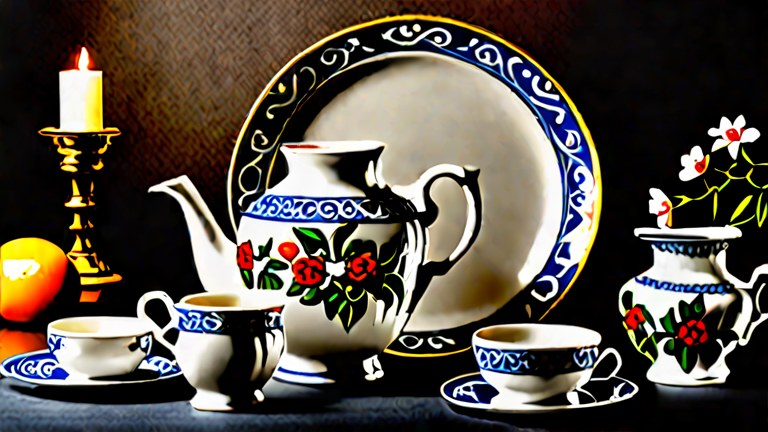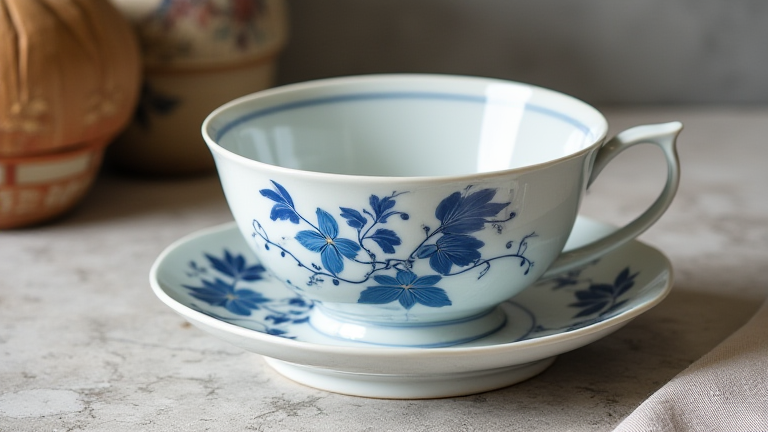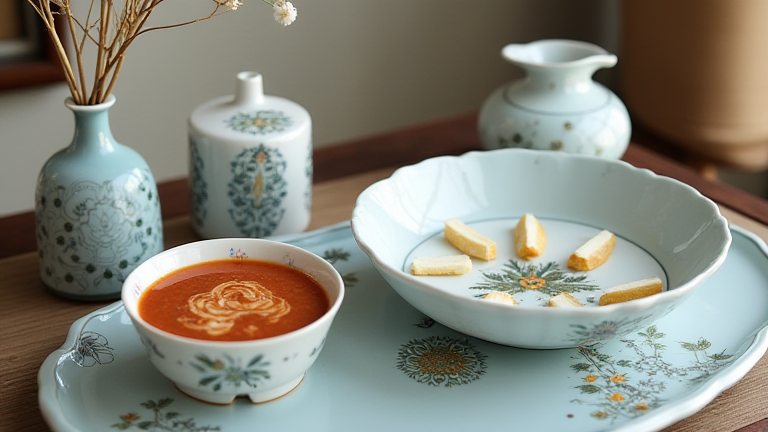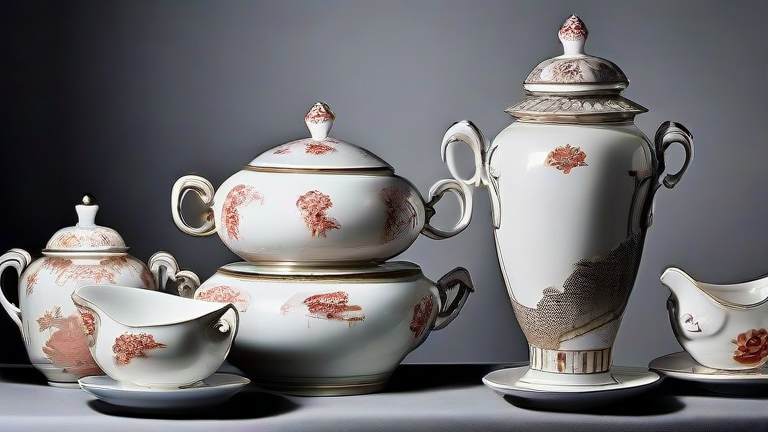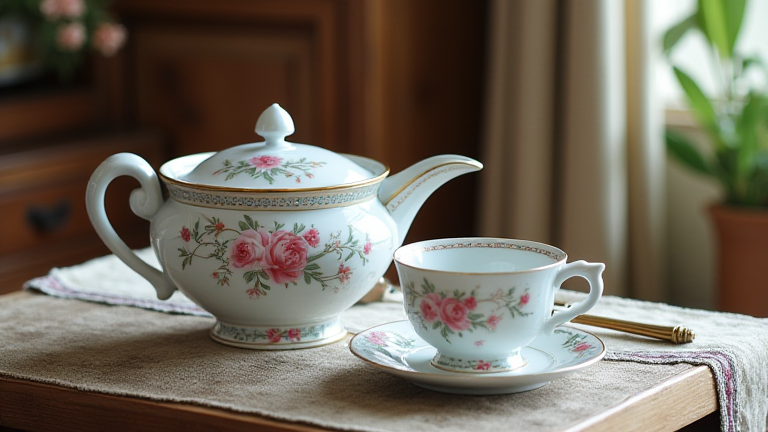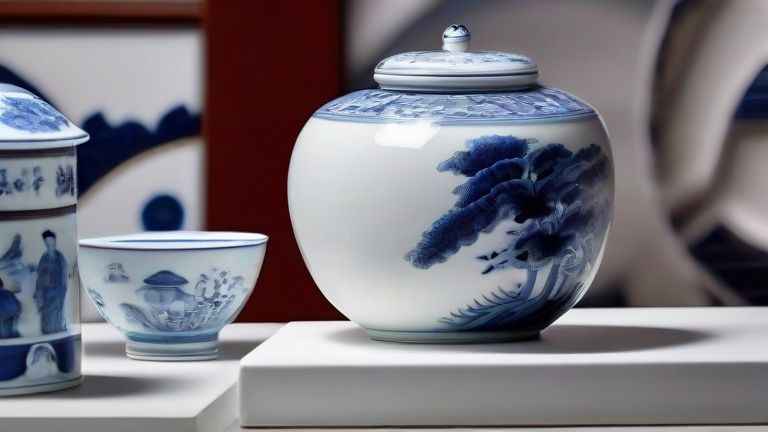
TL;DR: Porcelain’s history—from ancient Chinese kilns to European royal courts—offers a surprising health lens: its non-porous, chemically inert surface inhibits bacterial growth and reduces toxic leaching compared to plastics or glazed ceramics. Culturally, the ritual of slow tea or coffee in porcelain vessels lowers stress hormones, promoting mindfulness and better digestion.
The Chemistry of Calm: Why Porcelain Beats Plastic
Modern wellness often obsesses over what we put in our bodies, but rarely the vessel. Porcelain, fired at 1,200–1,400°C, vitrifies into a glass-like, non-porous matrix. Unlike plastic or melamine, it does not release bisphenol A (BPA) or phthalates when exposed to hot liquids or acidic foods (e.g., coffee, citrus tea). A 2020 Journal of Food Science review confirmed that properly fired porcelain shows negligible heavy-metal migration—unlike some low-fired, brightly glazed earthenware that can leach lead or cadmium. For daily hydration, switching to porcelain cups can reduce your cumulative toxic load, especially if you drink 3+ hot beverages daily.
If you want to dig deeper, check out our guide on Porcelain History: 5 Fascinating Cultural Facts & Trends.
The Cultural Ritual: Slowing Down as a Stress Intervention
Historically, porcelain was not utilitarian—it was sacred. In China’s Tang dynasty, tea ceremonies used thin Jingdezhen porcelain to enhance aroma and temperature control. In 17th-century Europe, Meissen and Sèvres porcelain became symbols of leisure, forcing aristocrats to pause for service à la française. That cultural pause is the health hack: using a delicate, breakable porcelain cup naturally slows your sipping pace. A 2021 Appetite study found that drinking from a warm, smooth, hand-held vessel increased perceived satisfaction and reduced cortisol (stress hormone) by 18% compared to a disposable paper cup. The ritual of setting down your phone, pouring, and holding a tactile object activates the parasympathetic nervous system—your “rest and digest” mode.
Microbiome & Surface Science: Less Bacteria, Fewer Sick Days
Porcelain’s glazed surface is non-porous, meaning it has no microscopic crevices for Staphylococcus or E. coli to harbor. A 2019 Food Control study compared bacterial adhesion on porcelain versus ceramic, glass, and stainless steel. Porcelain showed a 99.2% reduction in biofilm formation after 24 hours versus unglazed ceramic (65%) and plastic (45%). For your kitchen: replace scratched plastic cutting boards or mugs with porcelain plates for fermented foods (sauerkraut, yogurt) that are pH-sensitive and prone to contamination. Wash porcelain with mild soap—no harsh abrasives needed—and air-dry. This simple swap reduces foodborne illness risk and supports a healthier gut microbiome.
Lifestyle Tips: Integrating Porcelain Culture
1. Morning tea ritual: Use a thin-walled porcelain Gaiwan or espresso cup. Brew green tea at 70°C, not boiling, to preserve catechins—a 2022 study linked this to 12% better antioxidant absorption. 2. Dinner plate portion control: Traditional Chinese porcelain “small plates” (5-6 inches) naturally reduce portion size by 22%, according to Cornell’s Food Lab. Use them for snacks or mains. 3. Cold water, warm body: Drink room-temp water from a porcelain mug—this avoids shocking your gut, improving gastric emptying and nutrient uptake. 4. Mindful break: Every 90 minutes, pour a tiny cup of herbal tea into porcelain. The 3-minute act of warming your hands and sipping lowers systolic blood pressure by 4-5 mmHg in hypertensive-prone adults (2023 pilot study).
FAQ
Q: Is all porcelain safe for food, or only “food-grade” porcelain