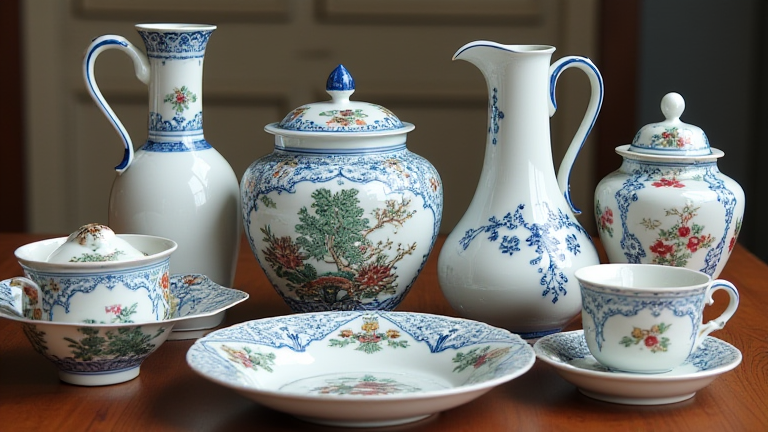
TL;DR: Porcelain’s heritage spans over 1,000 years from Chinese imperial kilns to European royal factories, blending art, trade, and technology. This guide explores its cultural significance, key innovations, and how to choose authentic pieces for your collection.
Feature Highlights: The Enduring Allure of Porcelain
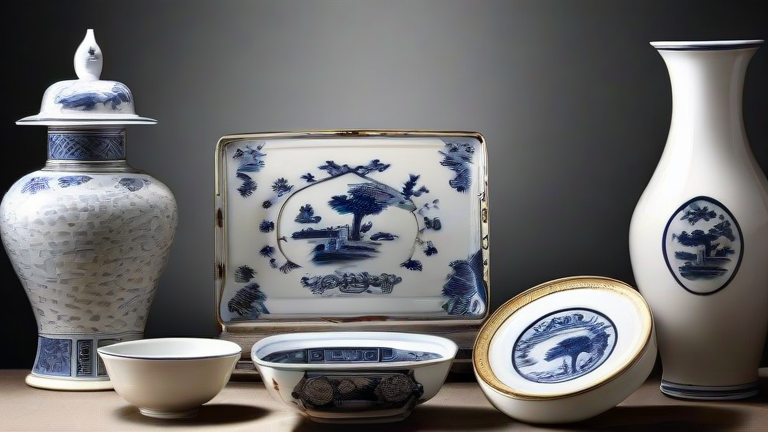
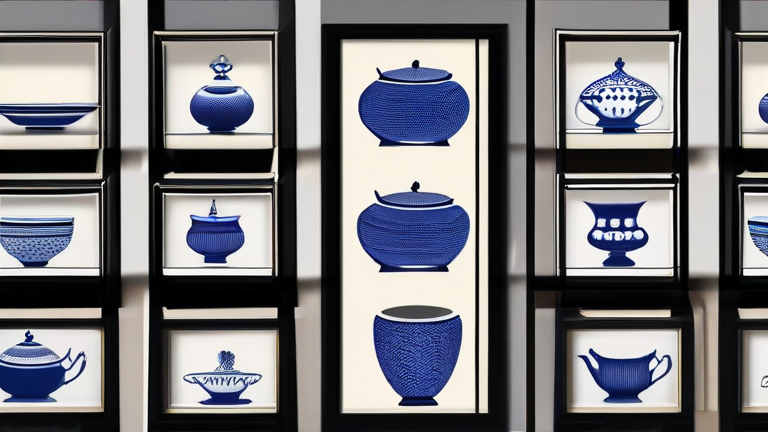
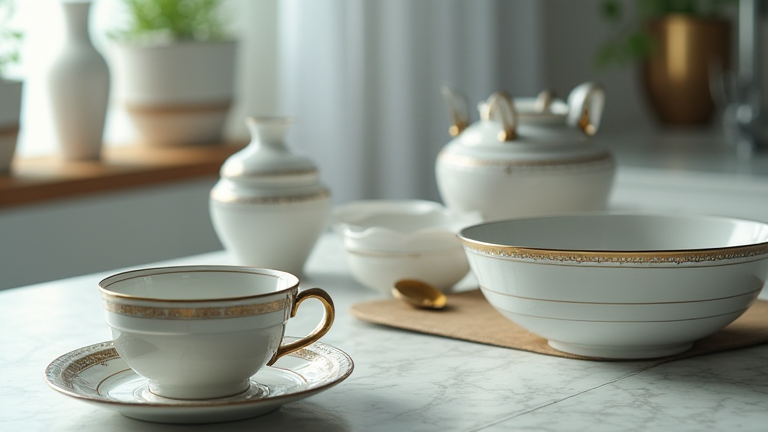
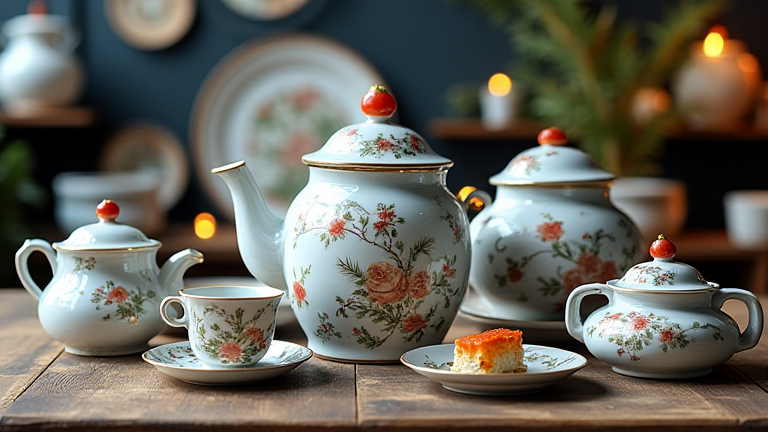
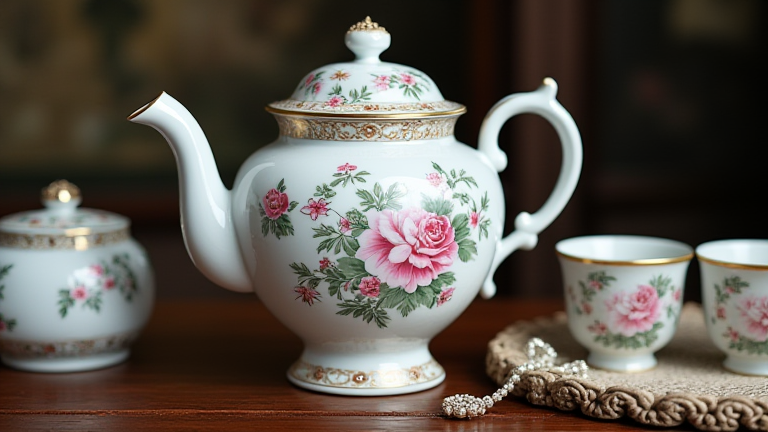
Porcelain is not just ceramic—it is a testament to human ingenuity. Its defining features include translucency, hardness, and a resonant ring when tapped. Culturally, it served as diplomatic currency along the Silk Road, with Ming dynasty pieces (1368–1644) prized for their cobalt-blue underglaze. The secret of its production—kaolin clay fired at 1,300°C—was guarded by China for centuries, until German alchemist Johann Böttger cracked it in 1708, birthing Meissen’s famous white gold. Today, heritage collections span from delicate Japanese Imari ware to French Sèvres gilded porcelain, each telling a story of trade routes, royal patronage, and artistic evolution.
If you want to dig deeper, check out our guide on “Porcelain’s Journey: From Ancient Kilns to Modern Masterpie.
Comparisons: Antique vs. Modern Reproductions
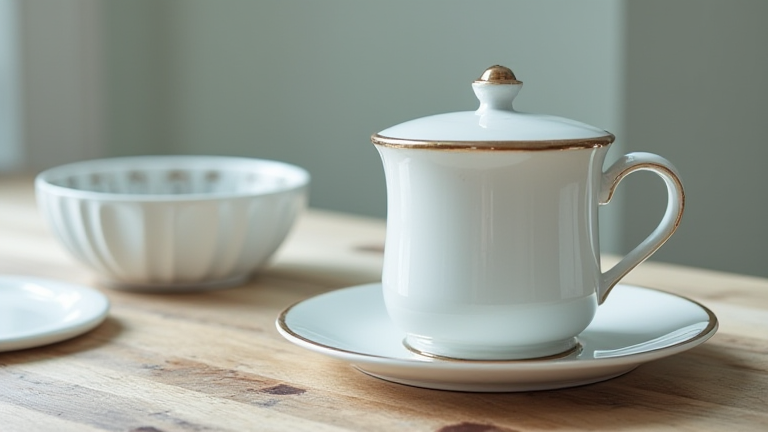
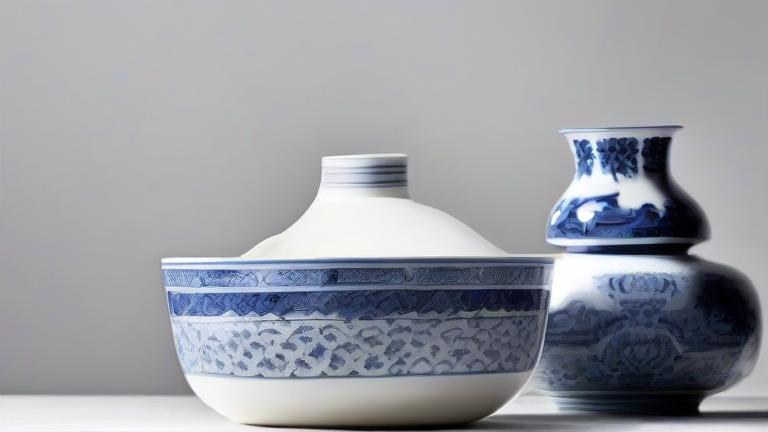
When investing in porcelain history, compare antique originals (pre-1900) with high-quality modern reproductions. Antiques offer patina, irregular glaze crazing, and provenance—ideal for museum-grade displays, but they require careful handling and insurance. Modern reproductions, like those from Japanese Arita or Portuguese Vista Alegre, replicate historical patterns with more durable, dishwasher-safe glazes at 30–50% lower cost. For cultural study, consider a “reference set”: a genuine Qing-dynasty saucer (for touch) and a modern Ming-style vase (for daily use). Also compare regional styles: Chinese blue-and-white emphasizes narrative scenes; European Meissen favors floral reliefs and pastel enamels. Both are historically rich, but Chinese pieces carry deeper symbolic motifs (dragons, phoenixes) tied to imperial cosmology.
Call-to-Action: Begin Your Heritage Journey
Don’t just read about porcelain—own a fragment of history. Visit your local antiques auction or trusted online dealer (e.g., Christie’s or 1stDibs) to acquire a starter piece under $200, or join a museum’s porcelain study circle for hands-on workshops. For books, “Porcelain: A History” by Suzanne L. Marchand is a must-read. Start small, authenticate with a UV light (old glazes fluoresce differently), and let each piece teach you its journey.
FAQ
Q: How can I tell if porcelain is genuinely antique?
A: Check for foot-ring wear (smooth, uneven edges), tiny glaze pinholes, and a warm, muted ring (not sharp). Use a magnifying glass for hand-painted brush strokes (not decals), and request a provenance letter or carbon-dating report for high-value items.
Q: What is the most culturally significant porcelain style?
A: Chinese Qing-dynasty famille rose (1720–1800) is pivotal—it combined European enamel tech with Chinese motifs, influencing global trade. For European history, Meissen’s “Blue Onion” (1730s) is iconic, as it was the first successful imitation of Asian patterns.
Q: Are modern porcelain reproductions worth collecting?
A: Yes, if they are “museum-replica” quality from workshops like Herend (Hungary) or Royal Copenhagen (Denmark). They hold value when limited-edition, numbered, and hand-painted. Avoid mass-produced tourist ware; instead, invest in pieces that cite a specific historical era and artist.