TL;DR: This guide outlines the essential steps for understanding the historical evolution and cultural significance of porcelain, from its Chinese origins to global trade impacts. It provides a structured approach for beginners to explore key dynasties, manufacturing techniques, and the socio-economic roles porcelain played in shaping world history.
Step-by-Step Guide to Understanding Porcelain History
To master the basics of porcelain history and culture, follow these structured steps. Begin by establishing a timeline of origin. Research the late Tang Dynasty (618–907 AD) in China, where the earliest known true porcelain was produced. Understand that “porcelain” derives from the Portuguese word porcellana, meaning seashell, due to its translucency. This etymological detail highlights how European traders initially perceived the material. Next, analyze the technological breakthroughs. Study the specific combination of kaolin clay and petuntse stone, which allows for high-temperature firing without warping. Compare this to earlier earthenware, noting the density and whiteness that distinguish porcelain. This technical understanding is crucial for appreciating why it was considered a luxury good.
If you want to dig deeper, check out our guide on Porcelain History: Uncovering the Rich Culture Behind Fine C.
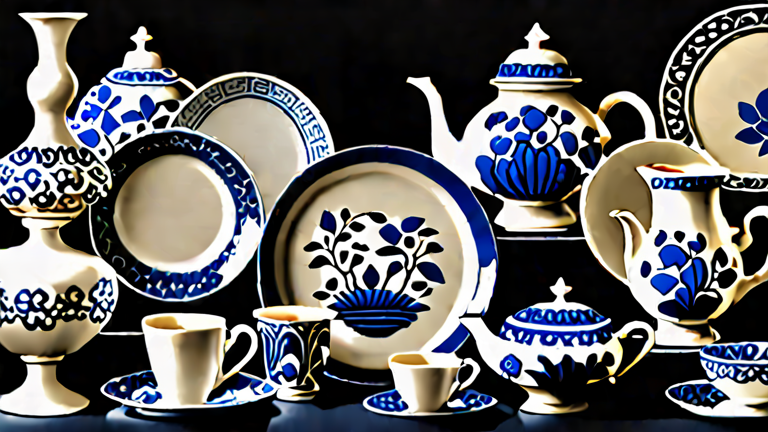
Proceed to explore the cultural symbolism within China. Porcelain was not merely utilitarian; it was a marker of status and imperial power. Examine how the Ming Dynasty (1368–1644) standardized blue-and-white designs, which became iconic. Notice how motifs like dragons or cranes carried specific auspicious meanings. This step connects material culture to philosophical and social hierarchies. Finally, trace the global impact through the Silk Road and maritime trade routes. Investigate how porcelain reached Europe in the 16th century, triggering the “China trade” and inspiring local imitations like Delftware and Meissen. Understanding this flow of goods explains early globalization and cultural exchange. By connecting origin, technology, symbolism, and trade, you build a comprehensive view of porcelain’s role in human history.
Expert Tips for Beginners
Focus on visual analysis when studying artifacts. Look for glaze quality and kiln marks, which provide clues about production era and location. Always cross-reference historical texts with archaeological findings to avoid relying on single sources. Use museum digital archives to view high-resolution images of specific pieces, such as the Jingdezhen kiln outputs. This visual engagement deepens your understanding of craftsmanship. Remember that porcelain history is also an economic history; track price fluctuations and trade volumes to see its value shift over centuries.
FAQ
Q: What is the primary difference between porcelain and other ceramics?
A: Porcelain is made from specific high-fire materials like kaolin and petuntse, resulting in a non-porous, translucent, and vitreous body, unlike porous earthenware.
Q: Why was porcelain so valuable in European history?
A: Its scarcity, difficulty to reproduce, and association with Chinese imperial luxury made it a status symbol, driving expensive trade and stimulating domestic manufacturing efforts.
Q: How did porcelain influence diplomatic relations?
A: It served as a prestigious gift in diplomatic exchanges between China and neighboring or distant powers, symbolizing wealth and cultural refinement during treaty negotiations.