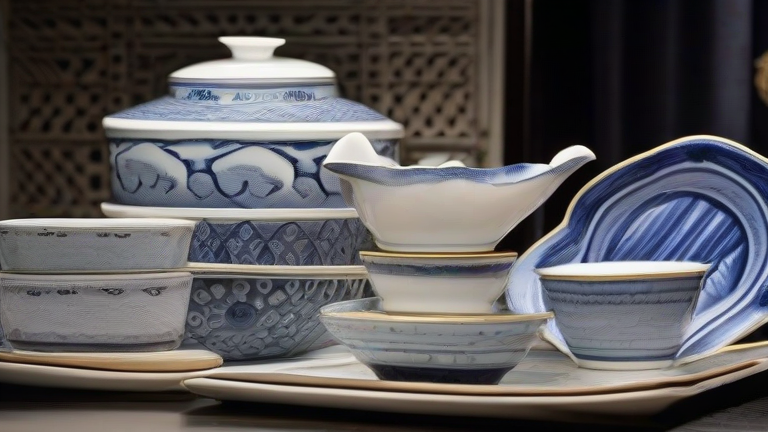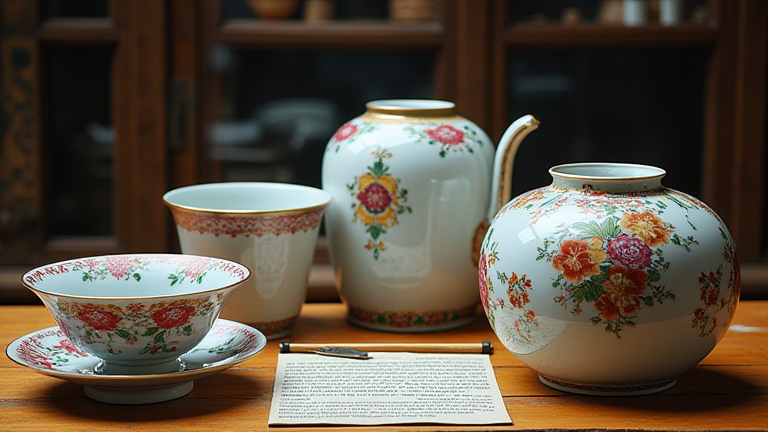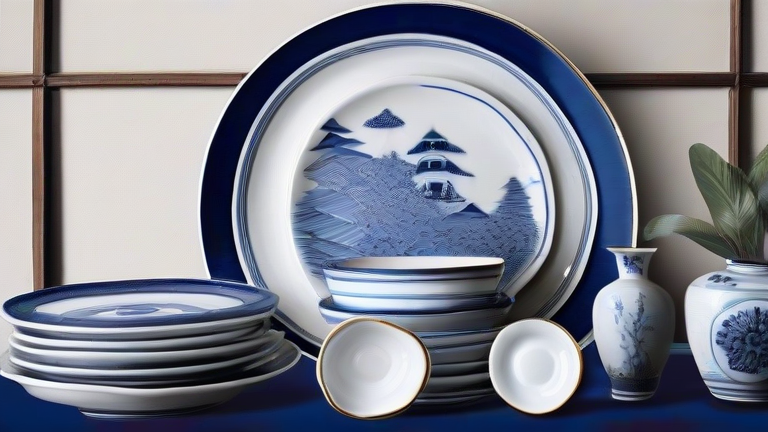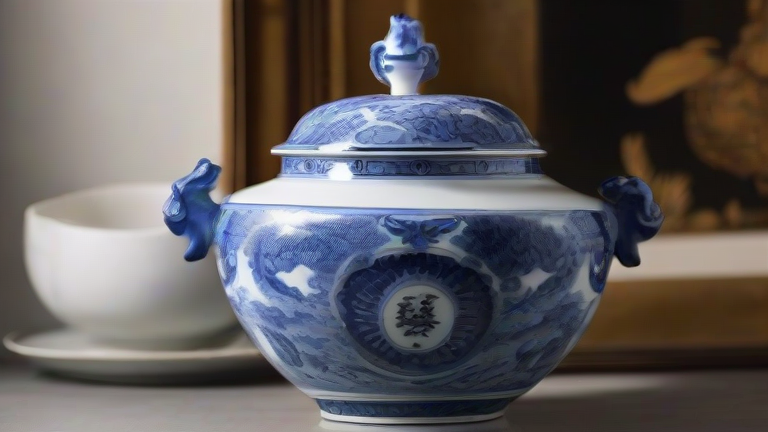
TL;DR: Porcelain is more than a ceramic—it is a 1,000-year-old story of imperial power, global trade, and artistic rebellion, from Chinese kilns to European royal courts. This guide distills the key eras, identifying markers, and cultural significance so you can build a collection with confidence and context.
Why Porcelain Matters: A Brief Cultural Timeline
Porcelain originated in China during the Eastern Han Dynasty (circa 100–200 AD), but it reached artistic perfection under the Tang and Song dynasties. The secret—kaolin clay fired at over 1,300°C—produced a translucent, ringing-white body that the West could not replicate for centuries. By the Ming dynasty (1368–1644), blue-and-white wares became the world’s first global luxury brand, traded along the Silk Road and later by Portuguese and Dutch fleets. European monarchs called it “white gold,” and the quest to decode its recipe drove alchemists in Meissen, Germany, to finally succeed in 1708, sparking a porcelain arms race across France, England, and Russia.
If you want to dig deeper, check out our guide on Porcelain History & Culture: A Complete Beginner’s Guide.
Feature Highlights: What to Look For in a Collector’s Piece
First, examine the paste and glaze. True hard-paste porcelain (Chinese and Meissen) feels cold, dense, and rings like a bell when tapped. Soft-paste (early French or English) is warmer and slightly grainy. Second, check the foot rim—unglazed, gritty rims indicate pre-1800 Chinese export wares, while perfectly smooth rims suggest later factory production. Third, study the decoration: hand-painted cobalt underglaze (Ming) has blurry edges, while overglaze enamels (famille rose, 1720s+) show crisp, raised relief. Finally, look for marks—but beware: many 19th-century pieces copied earlier marks, so pair the mark with the clay body and style.
Comparing Eras: Ming vs. Kangxi vs. Meissen
Ming dynasty (15th–16th c.) pieces are prized for their bold, freehand blue strokes and often show “heaping and piling” where cobalt pooled darker. Kangxi (1662–1722) refined this into precise, outlined landscapes and introduced “powder blue” backgrounds. Meissen, by contrast, is known for its chinoiserie figures, raised gold arabesques, and the iconic crossed-swords mark—the first European hard-paste. For investment, Kangxi Imperial wares and early Meissen (pre-1735) command six figures, while 19th-century “Chinese export” pieces offer affordable entry points for beginners.
The Collecting Strategy: From Entry to Mastery
Start with 20th-century Japanese or English bone china to learn tactile differences, then move to late Qing dynasty (1850–1900) export plates—these are abundant and undervalued. For mid-level budgets, target Kangxi blue-and-white tea bowls (often sold without lids) or Meissen’s “onion pattern” (a misnamed aster motif). Always buy from reputable auction houses or dealers who provide provenance and condition reports. Avoid pieces with hairline cracks or heavy restoration; these lose 50–70% of value. Finally, read the marks—a real Meissen mark is incised (carved) rather than printed, and Chinese Republic-era (1912–1949) pieces often copy Ming marks but have thinner glazes.
Cultural Resonance: Why Porcelain Endures
Porcelain is a diplomatic gift, a family heirloom, and a canvas for political satire—English “willow pattern” was a 1790s marketing invention, not a real Chinese scene. It also tells the story of globalization: the Dutch East India Company shipped millions of pieces to Europe, altering dining habits and inspiring local imitations. Today, contemporary artists like Ai Weiwei use porcelain to comment on tradition and state power. Owning a piece is not just