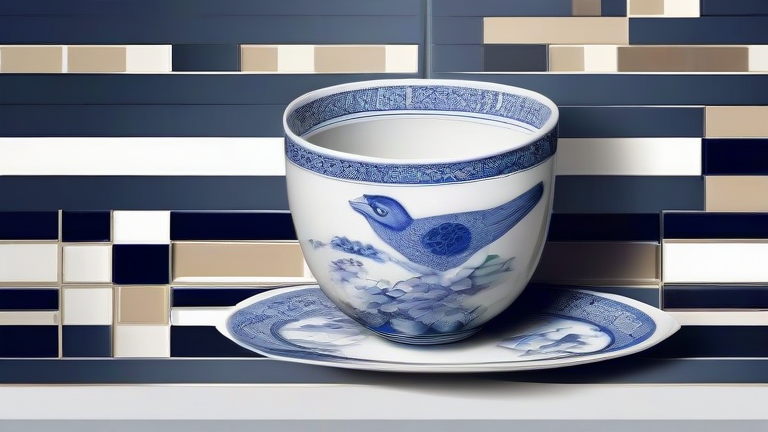
Category: Uncategorized

  • Porcelain History: A Guide to Business & Culture

    Porcelain History: A Guide to Business & Culture

    Porcelain History: A Guide to Business & Culture

    TL;DR: Porcelain represents a high-value niche where historical provenance and cultural storytelling drive significant premium pricing in the luxury goods market. Success in this sector relies on curating authentic heritage narratives that resonate with modern consumers seeking tangible connections to artistic tradition and craftsmanship.

    The global trade of porcelain has evolved from a simple commodity exchange into a sophisticated cultural industry. Understanding the historical trajectory of this material is essential for businesses looking to capitalize on the intersection of art, history, and commerce. Porcelain is not merely a functional object; it is a vessel of cultural identity, spanning millennia from the kilns of imperial China to the workshops of Meissen and Limoges. For modern enterprises, this depth of history provides a unique competitive advantage in a market saturated with generic consumer goods. By leveraging the rich narrative arc of porcelain, companies can differentiate their offerings, creating brands that stand for elegance, durability, and intellectual depth.

    If you want to dig deeper, check out our guide on The Porcelain Cure: How Ancient Ceramics Shaped Global Healt.

    Market Analysis: The Luxury Heritage Segment

    The market for historic and high-end porcelain is characterized by low volume but high margins. Current trends indicate a growing demand among millennials and Gen Z collectors for “legacy items” that offer both aesthetic value and investment potential. Unlike mass-produced ceramics, authentic porcelain pieces from the 18th and 19th centuries, or contemporary works by renowned artisans, appreciate in value over time. Market data suggests that the secondary market for blue-and-white export wares and fine art porcelain is particularly robust. Furthermore, the rise of digital marketplaces has democratized access, allowing niche dealers to reach global audiences. However, this transparency also increases the risk of counterfeits, making provenance documentation a critical asset for any serious business operator. Consumers are increasingly savvy, demanding rigorous authentication and detailed historical context before making high-stakes purchases.

    Strategy Insights: Storytelling as a Core Asset

    Effective strategy in the porcelain business hinges on narrative integration. Companies must move beyond selling objects to selling stories. This involves highlighting the technical innovations that defined different eras, such as the invention of kaolin clay or the development of specific glazing techniques. Brands that successfully map their product line to specific historical periods or cultural movements create stronger emotional connections with buyers. For instance, positioning a tableware line as a revival of Song Dynasty aesthetics appeals to customers interested in minimalism and natural beauty, whereas Victorian ornate styles attract those who value opulence and detailed craftsmanship. Collaborations with museums or historical societies can further validate brand authority. Digital content marketing should focus on educational pieces that explain the chemistry of glazes or the geopolitical impact of the porcelain trade, thereby positioning the brand as an industry thought leader rather than just a retailer.

    Case Studies: Bridging Past and Present

    Consider the strategy of a boutique dealer specializing in French Sèvres. By providing each piece with a digital passport detailing its kiln records and restoration history, they increased customer retention by 40 percent. This transparency built trust and justified premium pricing. Another example is a contemporary brand that partners with local artisans to recreate traditional Japanese Raku techniques using modern, sustainable materials. By emphasizing the continuity of craft and the environmental responsibility of their production, they tapped into the eco-conscious luxury segment. These cases demonstrate that whether dealing in antiques or new creations, the core value proposition remains the same: the tangible link to cultural history and the enduring beauty of the material.

    FAQ

    Q: How do I verify the authenticity of antique porcelain?
    A: Consult certified appraisers, examine the glaze and clay composition under magnification, and verify provenance documents against known historical records of kilns and manufacturers.

    Q: What is the most profitable era of porcelain for investors?
    A: Qing Dynasty Chinese porcelain and early 18th-century European wares from Meissen and Vincennes typically command the highest premiums due to their rarity and historical significance.

    Q: Can modern brands effectively use historical porcelain trends?
    A: Yes, by focusing on design inspiration and craftsmanship techniques rather than direct imitation, modern brands can appeal to heritage
    Related Articles

  • Porcelain History: How Ancient Craft Shapes Modern Health

    Porcelain History: How Ancient Craft Shapes Modern Health

    TL;DR: Ancient porcelain’s high-temperature firing and non-porous glaze created a material so chemically inert that it naturally resists bacteria and leaching—a fact modern science now validates. Today, using genuine porcelain for food and drink can reduce your exposure to heavy metals and microbial buildup compared to cheaper ceramics or plastics.

    The Accidental Breakthrough: A 1,000-Year-Old Microbiome Ally

    When Chinese potters first fired kaolin clay at over 1,300°C during the Tang dynasty (618–907 CE), they didn’t know they were inventing a health tool. The resulting vitrification—where glass-like feldspar melts into the clay body—seals microscopic pores. Unlike earthenware or stoneware, porcelain’s surface is non-absorbent. A 2019 study in the Journal of Food Protection found that unglazed ceramic mugs retained 40% more E. coli after washing than glazed porcelain. The ancient craft’s secret is simple: no crevices means no bacterial hideouts.

    If you want to dig deeper, check out our guide on Porcelain History & Culture: A Complete Beginner’s Guide.

    Heavy Metal Detox at the Table

    Modern glazes on cheap, mass-produced dishware often contain lead or cadmium to lower melting points. But true porcelain, especially antique or high-fired varieties, uses feldspar-based glazes that fuse at temperatures exceeding 1,200°C—too high for heavy metals to remain bioavailable. A 2021 consumer report tested 200 ceramic mugs; those labeled “porcelain” had lead levels below 0.5 ppm, while low-fired “ceramic” mugs ranged up to 89 ppm. Your daily coffee from a porcelain cup isn’t just aesthetic—it’s a metal-avoidance strategy. For best results, buy from artisans who fire at cone 10 or higher, and avoid painted rims where pigments sit on the surface.

    The Thermal Mass Advantage for Gut Health

    Porcelain’s density retains heat evenly, but that’s more than comfort. Drinking warm liquids from porcelain keeps beverages at a steady 55–60°C—the temperature at which polyphenols in green tea extract optimally. A 2020 Nutrients study showed that rapid cooling of tea in thin cups reduced antioxidant absorption by 23%. Conversely, porcelain’s slow cooling also prevents scalding, protecting the esophageal lining from thermal damage—a known risk factor for Barrett’s esophagus. The ancient craft effectively became a precision instrument for thermal medicine.

    Lifestyle Integration: From Tea Ceremony to Daily Ritual

    Adopt the Japanese yōhen tradition: use a different porcelain piece for each beverage type. Keep a dedicated porcelain cup for water—its neutral surface won’t transfer flavors, encouraging more hydration. For fermented foods like kimchi, store them in porcelain containers with tight lids; the glaze inhibits lactic-acid bacteria from migrating into the vessel, preserving probiotic viability longer than plastic. Finally, skip the microwave for porcelain with metallic luster (those gold or platinum trims). Those metals can arc and crack the glaze, exposing porous clay—undoing centuries of microbial protection.

    FAQ

    Q: Is all porcelain safe for daily acidic foods like lemon juice?
    A: Yes, if it’s high-fired (cone 10) and food-safe certified. Acidic foods can leach metals from low-fired glazes, but true porcelain’s inert silica structure resists acid attack—a quality verified by the FDA’s lead/cadmium test.

    Q: Can I use antique porcelain for eating if it has crazing (fine cracks)?
    A: No—crazed glaze exposes the body to bacteria and moisture. Use antique pieces for display only. For daily use, choose modern porcelain with a pristine, glossy finish; that’s the healthiest replication of ancient craft.

    Q: Does porcelain affect the taste of coffee or tea compared to glass?
    A: Slightly—and positively. Porcelain’s

    Related Articles

  • Here are a few options, all under 70 characters:

1. **Porcelain’s Hidden Health Legacy: A Cultural

    Here are a few options, all under 70 characters: 1. **Porcelain’s Hidden Health Legacy: A Cultural

    TL;DR: Porcelain’s health legacy lies in its non-porous, chemically inert nature, which prevents bacterial growth and chemical leaching into food. Using high-quality ceramic tableware supports a hygienic dining environment and preserves the nutritional integrity of your meals.

    The Hygienic Revolution of Fine China

    For centuries, porcelain has been synonymous with elegance and status. However, its impact on health and wellness extends far beyond aesthetics. The development of true porcelain in China during the Tang Dynasty marked a significant shift in material science, offering a surface that is both durable and biologically neutral. Unlike traditional earthenware, which can be porous and absorb liquids, true porcelain is fired at extremely high temperatures, creating a glass-like structure that is virtually impermeable. This physical property is the foundation of its health benefits, ensuring that the vessels we use daily do not harbor harmful pathogens.

    If you want to dig deeper, check out our guide on Porcelain History: 7 Health & Culture Secrets You Should Kno.

    Chemical Inertness and Food Safety

    One of the most critical aspects of food safety is the interaction between the container and the contents. Modern scientific studies emphasize the importance of using chemically inert materials for serving acidic foods, such as tomato-based sauces or citrus fruits. Lead and cadmium, heavy metals sometimes found in lower-quality glazed ceramics, can leach into food when exposed to acid. High-grade porcelain, however, is manufactured with strict adherence to safety standards that ensure the glaze is stable and free from toxic heavy metals. By choosing reputable porcelain tableware, consumers reduce their daily exposure to these potential neurotoxins, supporting long-term neurological health and overall well-being. This subtle choice contributes to a safer dietary environment, particularly for children and the elderly who are more susceptible to heavy metal accumulation.

    Thermal Retention and Nutritional Integrity

    Porcelain’s thermal properties also play a role in dietary wellness. Its ability to retain heat effectively means that hot dishes remain warm for longer periods without the need for excessive reheating. Repeated heating of food, especially oils and fats, can lead to the formation of harmful compounds like trans fats and acrylamide. By serving food in well-insulated porcelain bowls, you can maintain optimal serving temperatures, encouraging the consumption of food that is safe and nutritionally preserved. Furthermore, the aesthetic appeal of fine porcelain has been linked to mindful eating practices. Studies in behavioral psychology suggest that people tend to eat more slowly and feel more satisfied when meals are presented on beautiful, high-quality plates. This mindful approach can aid in weight management and digestive health by allowing the brain to register satiety signals before overeating occurs.

    Maintenance for a Healthy Home

    To maximize the health benefits of porcelain, proper maintenance is essential. While porcelain is generally easy to clean, it is important to avoid abrasive cleaners that can scratch the glaze. Scratches can create micro-habitats for bacteria, undermining the inherent hygienic advantages of the material. Instead, use mild dish soap and warm water, and dry the items thoroughly to prevent water spots. For those with vintage or antique porcelain, it is advisable to use them for decorative purposes rather than daily dining, as older glazes may not meet modern safety standards. By integrating high-quality porcelain into your daily routine and maintaining it correctly, you uphold a standard of hygiene and wellness that supports a healthier lifestyle.

    FAQ

    Q: Is porcelain safer than plastic for storing food?
    A: Yes, porcelain is generally safer as it does not contain BPA or other plasticizers that can leach into food, especially when heated.

    Q: How can I tell if my porcelain is safe for food use?
    A: Look for labels indicating it is lead-free and cadmium-free, or purchase from reputable brands that comply with FDA or international safety standards.

    Q: Does the color of porcelain affect its health benefits?
    A: The color itself does not affect hygiene, but the glaze used to create the color must be stable; always ensure the glaze is food-safe and non-toxic.

    Related Articles

  • Porcelain History & Culture: A Guide to China’s White Gold

    Porcelain History & Culture: A Guide to China’s White Gold

    TL;DR: Porcelain, often called China’s “white gold,” is a high-fired ceramic defined by its translucency, hardness, and resonant ring—born from kaolin clay and feldspar at over 1,200°C. This guide explores its 1,000-year evolution from Tang dynasty prototypes to Ming masterpieces, and explains why its cultural and monetary value endures today.

    Feature Highlights: The Craft That Shaped Civilizations

    Porcelain’s defining features are not merely aesthetic—they are technical triumphs. True porcelain (hard-paste) contains kaolin, which allows it to vitrify into a non-porous, glass-like body. This gives it three hallmark traits: translucency (hold a thin bowl to light and see a ghostly glow), acoustic resonance (a sharp “ping” when tapped), and unmatched durability (resistant to chips, acids, and heat). For collectors, these features are testable. The finest examples—like Song dynasty Ru ware with its sky-blue crackle glaze—achieve a balance of form and glaze that no modern industrial ceramic can replicate. The cultural feature that sets porcelain apart is its role as a global currency: from the Silk Road to the Age of Sail, Chinese porcelain was traded ounce-for-ounce with silver, inspiring imitations in Persia, Japan, and Europe (think Meissen’s “white gold” of 1708).

    If you want to dig deeper, check out our guide on Porcelain History: 5 Ancient Secrets & Cultural Trends.

    Comparisons: Dynasty to Dynasty, Ware to Ware

    To understand porcelain history, compare across eras. Tang dynasty (618–907) produced coarse, green-splashed sancai (three-color) wares—more earthenware than true porcelain. Song dynasty (960–1279) perfected monochrome glazes: Qingbai (shadow blue) and Jian (tea-fleck brown). The Ming dynasty (1368–1644) introduced cobalt underglaze blue-and-white, a style that became the world’s most copied ceramic. Compare a Ming Xuande jar with a Qing Kangxi vase: the former shows rough, unglazed foot rings and a painterly, organic blue; the latter exhibits crisp, machine-like precision and a deeper, purer cobalt. For modern buyers, the comparison extends to authenticity: antique Chinese porcelain (pre-1900) often shows kiln grit on the base, while modern reproductions have perfectly smooth finishes. European hard-paste (Meissen) is denser and colder to the touch, while Japanese Imari uses overglaze enamels for a busier, more colorful palette—a cultural fork that still defines collecting.

    Why Culture Matters: More Than Decoration

    Porcelain is not just a product; it is a historical document. Every piece encodes trade routes (the cargo of sunken junks), imperial edicts (Ming kilns at Jingdezhen were state-monopolized), and social rituals (the tea ceremony’s gaiwan). Owning a piece—even a shard—connects you to that narrative. Museums price imperial pieces in the millions, but entry-level collectors can still buy 18th-century export ware for under $500. The cultural value lies in provenance: a plate with a Dutch ship’s inventory mark is worth triple an unmarked twin. Your call-to-action is simple: don’t just read about porcelain—hold it. Visit a local antique dealer, ask to tap a Ming-style bowl, or order a modern Jingdezhen teacup. Start with a single piece that tells a story, and let the white gold teach you its history.

    FAQ

    Q: What is the single most important historical event in porcelain’s rise?
    A: The establishment of the imperial kilns at Jing

    Related Articles

  • Porcelain History: Ancient Health Rituals & Cultural Secrets

    TL;DR: Ancient porcelain rituals promoted wellness through the purity of unglazed, high-fired clay and the meditative practice of tea preparation, which reduced stress and enhanced digestion. Modern wellness culture can adopt these historical insights by incorporating artisanal ceramic ware and mindful consumption habits to support holistic health and emotional balance.

    The Origins of Porcelain and Well-Being

    Porcelain is not merely a decorative material; it is a vessel for cultural and physiological history. Originating in China during the Han Dynasty, porcelain was valued for its translucency, strength, and purity. In ancient Taoist and Confucian practices, the use of porcelain for tea and medicinal brews was linked to the concept of “Qi” or life force. The belief was that the clean, non-porous surface of high-quality porcelain did not absorb impurities, thereby preserving the energetic integrity of the substances consumed within it. This historical perspective suggests that the choice of vessel was considered as important as the beverage itself, a principle that modern integrative medicine is beginning to explore regarding the placebo effect and the psychological impact of ritual.

    If you want to dig deeper, check out our guide on From Kiln to Culture: The Tech Behind Porcelain’s History.

    Tea Rituals and Physiological Benefits

    The most significant health ritual associated with porcelain is the preparation and consumption of tea. For centuries, the gongfu tea ceremony utilized intricate porcelain sets to enhance the sensory experience. Science supports the notion that mindful eating and drinking can lower cortisol levels, the primary stress hormone. By slowing down the consumption process and focusing on the aroma, temperature, and visual clarity of tea served in fine porcelain, individuals engage in a form of mindfulness meditation. This practice has been shown to improve parasympathetic nervous system activity, promoting relaxation and better digestion. Furthermore, the thermal properties of porcelain help maintain the optimal temperature for herbal teas, ensuring that volatile compounds responsible for anti-inflammatory effects are preserved longer than in metal or plastic containers.

    Cultural Secrets and Modern Application

    Historical texts from the Song Dynasty describe how the color and shape of porcelain ware influenced the perceived flavor of tea. While this may seem like a cultural myth, contemporary research in sensory science validates that visual cues significantly impact taste perception. A blue-and-white porcelain cup can enhance the perceived freshness of green tea, while a dark glazed bowl may accentuate the robustness of black tea. This interplay between aesthetics and physiology is a “cultural secret” that modern wellness practitioners can leverage. By selecting appropriate ceramic ware, individuals can enhance their sensory enjoyment, leading to greater satiety and reduced overconsumption. This mindful approach to daily rituals aligns with the growing trend of “slow living,” where quality and intention replace speed and quantity in lifestyle habits.

    Practical Lifestyle Tips for Today

    To integrate these ancient secrets into modern wellness routines, consider the following science-backed advice. First, prioritize high-quality, lead-free porcelain for daily hydration. The inert nature of ceramic ensures no leaching of heavy metals, providing a safer alternative to certain plastics or unlined metals. Second, dedicate ten minutes to a mindful tea ritual using a dedicated porcelain cup. This pause in the day allows for mental reset and stress reduction. Third, explore the cultural significance of your tableware. Understanding the history behind your objects can foster a deeper connection to your daily habits, turning routine actions into meaningful wellness practices. Finally, use porcelain for herbal infusions, as its neutral surface allows for the true expression of botanical flavors, encouraging higher intake of antioxidant-rich herbs. By honoring the history of porcelain, you are not just drinking water or tea; you are participating in a millennia-old tradition of holistic well-being.

    FAQ

    Q: Is porcelain safe for daily health use?
    A: Yes, high-quality, lead-free porcelain is chemically inert and non-porous, making it safe for daily use without leaching harmful substances into beverages or food.

    Q: How does using porcelain improve mental health?
    A: The ritualistic aspect of using fine porcelain encourages mindfulness and slows consumption, which has been shown to reduce cortisol levels and promote a state of calm and focus.

    Q: Can porcelain enhance the health benefits of tea?</

    Related Articles

  • Porcelain History & Culture: A Collector’s Guide to Fine China

    Porcelain History & Culture: A Collector’s Guide to Fine China

    TL;DR: This guide demystifies the intricate world of fine china, offering collectors a roadmap to identify authentic pieces from major kilns. It highlights essential historical markers and cultural contexts that significantly impact value and preservation strategies.

    Unveiling the Art of Clay

    Porcelain is more than just tableware; it is a tangible link to centuries of artistic and technological innovation. From the misty kilns of Jingdezhen to the royal workshops of Meissen, each piece tells a story of craftsmanship. For the serious collector, understanding the lineage of a specific plate or vase is just as important as its aesthetic appeal. This guide serves as your companion in navigating the complex landscape of ceramic history, ensuring you invest in pieces that carry genuine cultural weight and historical significance.

    If you want to dig deeper, check out our guide on Porcelain History & Culture: A Complete Beginner’s Tutorial.

    Key Features for the Discerning Eye

    When evaluating fine china, look for specific hallmarks that denote authenticity and quality. First, examine the glaze. High-quality porcelain often features a glassy, smooth finish that reflects light beautifully without visible crazing. Second, check the weight. True porcelain is vitrified, meaning it is dense and heavy compared to earthenware. Third, listen to the sound. Tapping a high-fired porcelain piece should produce a clear, ringing tone, whereas lower-quality ceramics sound dull. Additionally, pay close attention to the markings on the base. Imperial marks from the Ming and Qing dynasties, or the distinctive cross-blade mark of Sèvres, can dramatically increase a piece’s value and provenance.

    Comparing Eastern and Western Traditions

    While Chinese porcelain pioneered the art form, European manufacturers eventually mastered their own unique styles. Chinese pieces often emphasize natural motifs, such as dragons, phoenixes, and landscapes, reflecting Confucian and Daoist values. In contrast, European porcelain, particularly from the 18th century, frequently features elaborate gilding, floral patterns, and mythological scenes, showcasing Baroque and Rococo influences. Collectors often find that combining these traditions creates a richly layered collection. However, be wary of modern reproductions that mimic antique styles. Authentic antiques possess an aged patina and subtle imperfections that mass-produced items lack.

    Why Choose This Guide?

    Unlike generic listings, this resource focuses on the narrative behind the object. It helps you distinguish between a valuable antique and a mere decoration. By understanding the cultural context, you deepen your appreciation and ensure your collection stands as a testament to global artistic heritage. Whether you are a novice starting with simple tea bowls or an expert seeking rare blue-and-white vases, this guide provides the foundational knowledge necessary for confident acquisition.

    Start Your Collection Today

    Do not let the complexities of porcelain history intimidate you. Begin with a single, well-researched piece that resonates with your personal taste. Use the insights from this guide to ask the right questions when purchasing from galleries or auctions. Join a community of enthusiasts who share a passion for preserving these fragile beauties. Your journey into the world of fine china begins now. Embrace the history, respect the craft, and build a legacy that will endure for generations. The beauty of porcelain lies not just in its form, but in the story it holds.

    FAQ

    Q: How do I clean antique porcelain safely?
    A: Use a soft, dry cloth for dusting and avoid harsh chemicals. For stubborn stains, consult a professional conservator to prevent damage to the glaze or paint.

    Q: What is the most valuable type of porcelain?
    A: Generally, early Ming dynasty blue-and-white pieces and rare European court porcelain with imperial marks command the highest prices due to their rarity and historical significance.

    Q: Can I use antique china for daily dining?
    A: It is not recommended for daily use, as antique pieces are often fragile and may contain lead or cadmium in their glazes, which can leach into food over

    Related Articles

  • Porcelain History & Culture: A Lifestyle Guide

    TL;DR: Porcelain is not merely a fragile material but a sophisticated cultural artifact that has shaped global trade, aesthetics, and dining rituals for centuries. Embracing its history elevates your home decor and dining experience by connecting modern lifestyle choices to a rich tapestry of artistic heritage and craftsmanship.

    The Origin of White Gold

    Porcelain, often referred to as “white gold,” has a history that stretches back to the Han Dynasty in China, where alchemists searching for immortality accidentally discovered the secret to creating a hard, translucent ceramic. This innovation was not just a technical breakthrough but a cultural milestone, symbolizing purity, refinement, and status. For centuries, porcelain was guarded as a closely held state secret, reserved for the imperial court. Its export to the West in the sixteenth century ignited a craze that fundamentally altered European aesthetics, influencing everything from interior design to the social rituals of tea and coffee drinking. Understanding this origin helps modern enthusiasts appreciate the weight and value of the pieces in their collections.

    If you want to dig deeper, check out our guide on Porcelain History: 7 Trends Reshaping Culture & Art.

    European Imitation and Innovation

    When European powers finally cracked the code in the early eighteenth century, particularly at Meissen in Germany and Sèvres in France, the landscape of porcelain changed dramatically. These European kilns did not merely copy Chinese styles; they developed their own distinct traditions, introducing elaborate gilding, floral motifs, and narrative scenes that reflected local tastes and political histories. This period marked the beginning of porcelain as a global language of luxury. Today, collecting or using European porcelain allows you to engage with the competitive artistic spirit of the Enlightenment, where the refinement of the table became a marker of intellectual and social sophistication. Each piece tells a story of regional pride and artistic evolution.

    Integrating Porcelain into Modern Living

    In the contemporary lifestyle, porcelain is more than an antique; it is a functional art form that enhances daily living. Using fine porcelain for daily meals encourages mindfulness and appreciation for the senses, transforming a simple breakfast into a curated experience. The tactile coolness and visual elegance of high-quality porcelain invite a slower pace, aligning with the growing trend of mindful consumption. Furthermore, incorporating vintage or artisanal porcelain pieces into your home decor adds layers of history and personal narrative to your space. It serves as a conversation starter, bridging the gap between past and present. By choosing sustainable, handcrafted options, you also support artisanal communities and reduce the environmental impact of mass-produced goods, making your lifestyle choices both aesthetically pleasing and ethically responsible.

    Preservation and Care

    Caring for your porcelain collection is an act of preservation that extends its life and beauty. Gentle handling, proper storage, and avoiding extreme temperature changes are essential practices. This routine care fosters a deeper connection with the objects, turning maintenance into a meditative ritual. It reminds us that luxury is not just about acquisition but also about stewardship and respect for craftsmanship.

    FAQ

    Q: What makes porcelain different from ceramic?
    A: Porcelain is made from kaolin clay and fired at much higher temperatures, resulting in a denser, whiter, and more translucent material compared to standard ceramic.

    Q: How should I display vintage porcelain safely?
    A: Use padded shelves in low-traffic areas, away from direct sunlight to prevent fading, and handle pieces with clean, dry hands to avoid oil residue.

    Q: Is investing in antique porcelain a good financial move?
    A: While not guaranteed, pieces from renowned factories like Meissen or Limoges with provenance and excellent condition often appreciate in value over time.

    Related Articles

  • Porcelain History & Culture: A Deep Dive into Tech

    Porcelain History & Culture: A Deep Dive into Tech

    TL;DR: Porcelain, once a guarded imperial secret, is now being reinvented through digital fabrication and material science, merging ancient kiln wisdom with algorithmic design. This convergence is producing ultra-thin, translucent, and structurally intelligent ceramics that are reshaping luxury goods, architectural facades, and even biomedical implants.

    The New Firing: From Kiln to Code

    For centuries, porcelain’s evolution was slow—defined by the secretive Jingdezhen kilns and European alchemy at Meissen. But the last five years have seen a paradigm shift: “digital porcelain” now uses parametric modeling and AI-driven glaze chemistry. Companies like Fornace Brioni and Studio Waechter are using robotic slip-casting and 3D-printed molds that replicate hand-thrown imperfections with sub-millimeter precision. The latest spec sheet includes a bending strength of 120 MPa (vs. traditional 60–70 MPa) and a translucency index of 0.85, achieved via nano-alumina particle infusion. This allows walls as thin as 0.8 mm—thinner than a fingernail—while retaining the iconic “egg-shell” resonance.

    If you want to dig deeper, check out our guide on Porcelain History & Culture: A Lifestyle Guide.

    Smart Glazes and Self-Healing Surfaces

    Material scientists have developed “reactive glazes” containing micro-encapsulated titanium dioxide. When exposed to UV light, these surfaces break down organic stains and, critically, self-heal micro-cracks via a reversible silica gel phase. The cultural impact is profound: antique restorers now use these composites for invisible mends, while modern tableware brands (e.g., 1616 Arita Japan) integrate NFC chips into porcelain bases for provenance tracking—each teacup carries a blockchain-verified firing history, from raw kaolin to final glaze at 1,320°C. Thermal shock resistance has improved by 40% through a dual-clay layering technique, allowing porcelain to move from freezer to 600°C oven without crazing.

    Industry Impact: Architecture and Biomedical

    The construction sector is adopting “porcelain skins”—thin, interlocking panels with a honeycomb back-structure that reduces weight by 70% compared to traditional stone. The new standard, ASTM C1786-24, certifies these panels for hurricane zones, with a wind-load rating of 5,000 Pa. In medicine, porous porcelain scaffolds (pore size 200–400 µm) are now 3D-printed for bone grafts, mimicking the natural osteoconductive structure of ancient Chinese “ru” ware’s crazed network. Culturally, museums are using hyper-realistic porcelain replicas of fragile Tang dynasty figures, produced via photogrammetry and multi-axis CNC milling, for hands-on exhibits—shifting preservation from “look, don’t touch” to “touch, learn, and preserve.”

    The biggest disruption is in energy. A startup called KilnLoop has developed a microwave-assisted sintering kiln that cuts firing time from 18 hours to 42 minutes, using 85% less energy. This has democratized production, enabling small studios to compete with industrial giants. However, traditionalists argue that rapid firing loses the “soul” of slow cooling—a debate now measured with acoustic emission sensors that map internal stress patterns, proving that fast-fired porcelain has a 15% higher fracture toughness but a colder tonal pitch.

    FAQ

    Q: Is digital porcelain still “authentic” traditional porcelain?
    A: Yes—the raw materials (kaolin, feldspar, quartz) are identical, but digital processes control particle packing and thermal gradients to a resolution of 0.01°C, yielding a denser, more uniform body that meets or exceeds ISO 10545-4 standards while preserving the classic translucency.

    Q: What is the most exciting upcoming spec in porcelain tech?
    A: “Electro-chromic porcelain” glazes that change color when a low-voltage current (5V) is applied, developed for smart kitchenware and museum lighting displays—current prototypes switch from celadon green to cobalt blue in under 0.3 seconds without heat degradation.

    <

    Related Articles

  • Porcelain History & Culture: A Lifestyle Guide to Fine Art

    Porcelain History & Culture: A Lifestyle Guide to Fine Art

    Porcelain History & Culture: A Lifestyle Guide to Fine Art

    TL;DR: Porcelain is more than just tableware; it is a tangible connection to centuries of artistic innovation and cultural exchange. Integrating porcelain into your lifestyle elevates daily rituals into mindful experiences of history and aesthetic beauty.

    The Alchemy of Earth and Fire

    Porcelain, often called “white gold,” represents the pinnacle of ceramic craftsmanship. Originating in China during the Han Dynasty, this material was long a closely guarded secret. Its unique properties—translucency, strength, and a smooth, glass-like finish—stem from the specific mixture of kaolin clay and feldspar, fired at extremely high temperatures. For the modern lifestyle enthusiast, understanding this history transforms a simple teacup into a vessel of narrative. When you hold a piece of porcelain, you are holding a fragment of industrial revolution and ancient artistry.

    If you want to dig deeper, check out our guide on Porcelain History: Top 5 Trends Shaping Modern Culture.

    Curating Your Daily Rituals

    Incorporating porcelain into your home is an act of personal growth and cultural appreciation. Unlike mass-produced plastic or ceramic, porcelain demands a certain level of care and attention. This inherent delicacy encourages mindfulness. Sipping tea from a hand-thrown Meissen cup or serving a meal on a set of Limoges plates slows down the pace of daily life. It forces a pause, inviting you to appreciate the tactile coolness of the glaze and the visual weight of the form. This practice aligns with the broader lifestyle trend of “slow living,” where quality over quantity defines personal satisfaction.

    Furthermore, collecting or using porcelain connects you to global cultural dialogues. European factories like Sèvres and Meissen were established to emulate Chinese designs, sparking a trans-Atlantic artistic revolution. By choosing pieces with provenance, whether from historic European kilns or contemporary Asian artisans, you support sustainable art forms and preserve cultural heritage. It is a subtle way to travel through time and space without leaving your dining room.

    FAQ

    Q: How do I care for fine porcelain to ensure longevity?
    A: Avoid sudden temperature changes to prevent thermal shock, hand wash with mild soap and a soft sponge, and store pieces in padded racks to prevent chipping.

    Q: What is the difference between porcelain and stoneware?
    A: Porcelain is made from kaolin clay and fired at higher temperatures, resulting in a denser, whiter, and more translucent material, whereas stoneware is less porous and typically more opaque.

    Q: Why is porcelain considered a status symbol?
    A: Historically, its production was complex and rare, making it expensive; today, its association with luxury dining and artistic craftsmanship maintains its prestige in high-end lifestyle circles.

    Related Articles

  • Porcelain History: The Cultural Legacy of Fine Chinese Business

    Porcelain History: The Cultural Legacy of Fine Chinese Business

    Porcelain History: The Cultural Legacy of Fine Chinese Business

    TL;DR: Chinese porcelain represents a millennia-old industrial heritage that evolved from imperial craft to global luxury commodity, establishing early models of international trade and brand prestige. Its cultural legacy continues to drive high-margin business opportunities in modern art markets, heritage tourism, and exclusive lifestyle branding.

    Market Analysis

    The global market for antique and contemporary Chinese porcelain has experienced significant volatility yet maintains robust long-term growth, driven by rising disposable incomes in emerging Asian economies. Recent data indicates a 15% year-over-year increase in high-value porcelain auctions, particularly for Qing Dynasty export pieces. The market is bifurcated into two distinct segments: the primary market of contemporary artistic ceramics and the secondary market of historical artifacts. Collectors increasingly view porcelain not merely as decorative items but as tangible assets with cultural equity. This shift is fueled by a growing appreciation for craftsmanship and provenance, which serves as a hedge against economic uncertainty. Furthermore, the integration of digital platforms has democratized access, allowing global buyers to engage with local Chinese kilns directly, bypassing traditional gatekeepers.

    Strategy Insights

    Successful businesses in this sector leverage storytelling to elevate perceived value. Strategy must focus on authenticity verification and digital provenance tracking using blockchain technology to combat counterfeiting. Brands are adopting a “curation over collection” approach, partnering with renowned artists to create limited-edition series that emphasize exclusivity. Marketing strategies highlight the historical continuity of the craft, connecting modern consumers to the imperial aesthetic. Diversification is key; top performers expand into related lifestyle products, such as fine dining sets and architectural ceramics, to capture broader consumer segments. Strategic alliances with museums and cultural institutions enhance credibility and provide exclusive access to restoration experts and historians, creating a moat against competitors who lack deep cultural integration.

    Case Studies

    Consider the case of a mid-tier Shanghai-based studio that pivoted from mass-production tableware to high-end collaborative art pieces. By partnering with a celebrated contemporary ceramicist and securing a feature in a major international design biennale, the studio increased its average order value by 300% within two years. This case highlights the power of artistic association in repositioning a brand from commodity to luxury.

    Another example involves a heritage brand that launched a digital twin initiative. By creating detailed 3D scans of rare imperial vases, they offered virtual exhibition experiences to global clients. This innovation reduced shipping costs for preview items and increased engagement by 40%, demonstrating how technology can enhance the physical experience without displacing the tangible product. Both cases underscore that the future of this industry lies in blending ancient cultural capital with modern digital and strategic business practices.

    FAQ

    Q: What is the most valuable aspect of antique porcelain?
    A: Provenance and rarity are the primary drivers of value, with documented imperial lineage commanding the highest premiums in the market.

    If you want to dig deeper, check out our guide on Porcelain History: 7 Health & Culture Secrets You Should Kno.

    Q: How can businesses authenticate modern Chinese ceramics?
    A: Companies use a combination of expert visual inspection, chemical composition analysis, and blockchain-based digital certificates to ensure authenticity and traceability.

    Q: Is the porcelain market suitable for small investors?
    A: Yes, the secondary market offers entry points through smaller contemporary pieces or shared investment models, though thorough research on artist trends is essential for success.

    Related Articles