Blog

  • Porcelain History: A Journey Through Centuries of Art, Culture & Craft

    TL;DR: Porcelain is a transcendent material that bridges millennia of artistic innovation, evolving from exclusive Chinese imperial treasures to a global symbol of cultural sophistication. Its history reflects a continuous dialogue between technological mastery and aesthetic expression, influencing everything from daily dining habits to high-end art collections.

    For centuries, the secret to creating true porcelain was guarded as closely as state secrets. Originating in China during the Tang Dynasty, this “white gold” was initially reserved for emperors and the elite, representing a pinnacle of craftsmanship that the rest of the world could admire but not replicate. The journey of porcelain is not merely about pottery; it is a narrative of human ambition, trade, and the universal desire for beauty in the everyday. When European traders first encountered these delicate, translucent vessels, they were captivated by their ethereal quality, sparking a decades-long race to uncover the chemical and thermal secrets behind the material.

    If you want to dig deeper, check out our guide on Porcelain History & Culture: A Guide to Business.

    The Alchemy of Earth and Fire

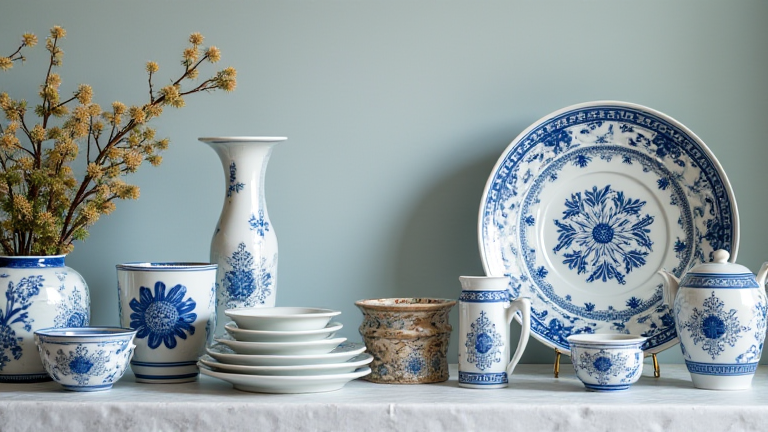
    Unlike common earthenware, porcelain requires specific conditions to achieve its signature strength and translucency. The key ingredients are kaolin clay and petuntse, fired at exceptionally high temperatures that vitrify the material without glazing. This technical breakthrough allowed artisans to create objects that were both durable and incredibly thin. As the secret eventually spread, particularly after German alchemist Johann Friedrich Böttger succeeded in creating “Meissen porcelain” in the early 18th century, the material became a canvas for artistic experimentation. From the bold blue-and-white patterns of Jingdezhen to the pastel elegance of Sèvres, each region stamped its own cultural identity onto the clay.

    Cultural Impact and Modern Relevance

    Today, porcelain has evolved beyond mere tableware to become a staple of modern design and personal expression. In culinary circles, the choice of dishware can elevate a meal, signaling a host’s attention to detail and cultural appreciation. For the traveler, visiting historic kiln sites in Jingdezhen or Meissen offers a tangible connection to the past, where the rhythmic clatter of wheels and the glow of kilns remain unchanged. In personal growth, the study of porcelain teaches patience and precision. The slow process of throwing, shaping, and firing mirrors the journey of mastering any craft, reminding us that perfection often requires enduring heat and pressure.

    Whether you are a collector seeking a rare Ming vase or a home cook looking for durable, beautiful plates, understanding the history of porcelain adds depth to its use. It transforms a simple object into a storyteller, carrying with it the weight of centuries of human creativity. As we continue to innovate with new glazes and forms, the core appeal remains the same: the enduring allure of a material that is both fragile and indestructible, beautiful and functional.

    FAQ

    Q: What distinguishes true porcelain from other ceramics?
    A: True porcelain is made from specific kaolin clay and petuntse, fired at very high temperatures to achieve vitrification, resulting in a material that is dense, translucent, and highly durable without glaze.

    Q: Where can I visit historic porcelain production sites?
    A: You can visit the historic kiln areas in Jingdezhen, China, and the Meissen porcelain factory in Germany, both of which offer museum experiences and tours of their manufacturing processes.

    Q: Is porcelain suitable for everyday dining use?
    A: Yes, modern porcelain is highly durable and chip-resistant, making it ideal for daily use while maintaining an elegant aesthetic that enhances the dining experience.
    Related Articles

  • Porcelain’s New Golden Age: Reviving Ancient Craft for Modern Homes

    Porcelain’s New Golden Age: Reviving Ancient Craft for Modern Homes

    TL;DR: The global fine ceramics market is experiencing a resurgence, driven by a consumer desire for authentic, handcrafted heritage items in modern interiors. This trend blends traditional manufacturing techniques with contemporary design, positioning porcelain as a sustainable luxury staple.

    For centuries, porcelain has been the gold standard of material culture, synonymous with wealth, purity, and technological mastery. From the delicate Ming dynasty vases to the industrial revolution’s mass-produced dinnerware, its journey reflects broader economic and artistic shifts. Today, however, we are witnessing a distinct renaissance. The narrative has shifted from porcelain as a disposable commodity to a cherished heirloom, signaling a “New Golden Age” for the craft.

    If you want to dig deeper, check out our guide on Porcelain History & Culture: The Ultimate Beginner’s Tutoria.

    Market Dynamics and Consumer Shifts

    Recent industry reports indicate that the global fine ceramics market is projected to grow at a compound annual growth rate of 4.2% through 2030. This growth is not driven by volume but by value. Consumers are increasingly willing to pay a premium for products that tell a story. According to a 2023 survey by the International Ceramics Association, 65% of millennials and Gen Z homeowners prefer artisanal tableware over mass-produced alternatives, citing “cultural connection” and “tactile quality” as primary motivators.

    Experts note that this shift is fueled by the slow living movement. People are seeking objects that invite mindfulness and durability. “We are seeing a return to provenance,” says Dr. Elena Rossi, a cultural historian specializing in material culture. “Buyers want to know the kiln, the clay source, and the hands that shaped the piece. Porcelain, with its rich history, perfectly satisfies this demand for authenticity in a digital world.”

    Future Predictions and Cultural Integration

    Looking ahead, the industry is poised to merge technology with tradition. Augmented reality (AR) applications are being developed to allow consumers to scan their porcelain items and view the historical context of the specific glaze or form, enhancing the cultural experience without altering the physical object. Furthermore, sustainable practices are becoming central to brand identity. Studios are adopting closed-loop water systems and locally sourced kaolin to reduce carbon footprints, appealing to eco-conscious buyers.

    The future of porcelain is not just about aesthetics; it is about cultural preservation. As global markets become more interconnected, regional styles are being celebrated rather than homogenized. We predict a rise in hybrid designs that respect ancient techniques while addressing modern ergonomic needs. Porcelain is no longer just a vessel; it is a cultural artifact that anchors the modern home in history. This revival ensures that the ancient craft remains not just a relic of the past, but a vibrant, evolving component of contemporary life.

    FAQ

    Q: Why is handcrafted porcelain considered more valuable than factory-made ceramic?
    A: Handcrafted porcelain offers unique aesthetic variations and a deeper cultural narrative, appealing to consumers seeking authenticity and sustainable luxury over standardized mass production.

    Q: How does technology impact the traditional porcelain industry?
    A: Technology enhances the customer experience through AR storytelling and improves production sustainability via efficient kiln designs, while preserving the manual skill required for high-end pieces.

    Q: What are the most popular porcelain styles for modern homes?
    A: Minimalist designs with subtle glaze variations and functional forms that blend traditional Asian aesthetics with modern Scandinavian simplicity are currently trending in interior design.

    Related Articles

  • Porcelain History: Unveiling the Art & Culture Behind Fine China

    TL;DR: Porcelain is not merely a material but a cultural artifact that shaped global trade routes and artistic expression for centuries. Its evolution from exclusive imperial treasures to accessible dining ware reflects broader shifts in social status, technology, and international diplomacy.

    The White Gold of Ancient China

    The story of fine china begins in the misty hills of Jingdezhen, China, where local potters discovered a unique kaolin clay. Unlike other ceramic materials, this clay could withstand the extreme temperatures of dragon kilns without shrinking or cracking. The result was a material that was not only durable but possessed a translucent, jade-like beauty that had never been seen before. For centuries, this “white gold” was a closely guarded secret, reserved strictly for the imperial court and the highest echelons of Chinese society.

    If you want to dig deeper, check out our guide on Here are a few options, ranging from historical to wellness-.

    When European traders first encountered Chinese porcelain, they were mesmerized. The sheer whiteness and fragility of the ware seemed almost magical to a world accustomed to heavy, opaque earthenware. This desire for the exotic drove the age of exploration, as merchants risked treacherous voyages to the East to bring back boxes of delicate cups and vases. The cultural impact was profound; porcelain became a symbol of wealth and refinement, influencing not just what people ate from, but how they perceived luxury and aesthetics across the globe.

    European Innovation and the Rise of Bone China

    As the secret of Chinese porcelain manufacturing spread to Europe, local artisans began to experiment with their own local clays and feldspars. In England, a pivotal moment occurred in the eighteenth century when the invention of bone china transformed the landscape. By adding bone ash, typically from cattle, to the traditional recipe, potters created a material that was even whiter, stronger, and more translucent than its Chinese counterparts.

    This innovation democratized fine china. While Chinese porcelain remained a luxury item for centuries, European manufacturers like Wedgwood and Spode began producing high-quality wares that were accessible to the growing middle class. The dining table became a stage for social performance, and the choice of china signaled one’s taste and standing in society. Patterns like transfer-printed willow scenes or intricate hand-painted floral motifs became canvases for artistic expression, blending industrial precision with handcrafted artistry.

    Porcelain in the Modern Era

    Today, the history of porcelain is a reminder of the intricate web of human connection. When you lift a cup of tea, you are holding a piece of history that has traveled across oceans and generations. Modern lifestyle trends are seeing a resurgence in the appreciation of handmade ceramics, where imperfections are celebrated as a mark of authenticity. This shift reflects a broader cultural movement towards mindfulness and sustainability, valuing the object over the object’s mere utility.

    Collectors and casual users alike are drawn to the tactile experience of fine china. The weight, the sound it makes when tapped, and the way it catches the light all contribute to a sensory experience that mass-produced plasticware cannot replicate. By understanding the history behind the material, we gain a deeper appreciation for the craftsmanship and cultural legacy embedded in every piece. It is a testament to human ingenuity and our enduring desire to transform raw earth into objects of beauty and function.

    FAQ

    Q: What makes bone china different from standard porcelain?
    A: Bone china contains calcium phosphate derived from animal bones, which makes it stronger, whiter, and more translucent than standard porcelain made solely from clay and feldspar.

    Q: Why is porcelain considered a luxury item historically?
    A: The manufacturing process required extremely high firing temperatures and specialized clay, making it difficult to produce consistently and expensive to craft, thus limiting its availability to the wealthy.

    Q: How can I care for antique fine china?
    A: You should avoid sudden temperature changes, use mild soap, and hand wash gently with a soft cloth to prevent chipping or fading of any decorative glazes.

    Related Articles

  • Porcelain History & Culture: A Complete Beginner’s Guide

    TL;DR: Porcelain is a refined ceramic material defined by its translucency, whiteness, and durability, with origins in ancient China that revolutionized global trade and artistic expression. This guide provides essential steps to understand its historical evolution, cultural significance, and how to appreciate or collect porcelain items effectively.

    Understanding the Origins

    Step 1: Identify the birthplace of true porcelain. Begin your research by focusing on the Longquan and Jingdezhen kilns in China, which perfected the production of high-fired hard-paste porcelain during the Tang and Song dynasties. Understanding this geographical and historical context is crucial because it establishes the foundational techniques that all subsequent porcelain traditions rely upon. You should note that early porcelain was often referred to as “white jade” due to its exquisite texture and appearance, which distinguished it significantly from the earthenware and stoneware previously used by civilizations.

    If you want to dig deeper, check out our guide on Here are a few SEO-optimized title options, all under 70 cha.

    Step 2: Trace the spread of technology to Europe. Study how Jesuit missionaries and trade routes facilitated the transfer of knowledge and goods to Europe in the sixteenth and seventeenth centuries. Learn about the Dutch Delftware, which attempted to imitate Chinese blue-and-white porcelain using tin-glazed earthenware. This imitation period is vital for understanding how porcelain influenced European design sensibilities before the secret of true porcelain manufacturing was finally cracked by German alchemist Johann Friedrich Böttger in the early eighteenth century. This breakthrough marked the beginning of the European porcelain era, leading to the famous factories in Meissen, Sèvres, and Vienna.

    Exploring Cultural Significance

    Step 3: Analyze the symbolic meanings within porcelain art. Examine common motifs such as dragons, phoenixes, peonies, and lotus flowers, which carry specific cultural weight in both Eastern and Western traditions. In China, the dragon symbolizes imperial power and good fortune, while in Europe, the use of floral patterns often reflects the Rococo or Neoclassical tastes of the time. By learning to decode these symbols, you can better appreciate the narrative and status that each piece conveys. This step helps you move beyond surface aesthetics to understand the social and political contexts in which these objects were created and gifted.

    Step 4: Evaluate the role of porcelain in global trade. Understand how porcelain served as a luxury commodity that drove maritime exploration and established early global economic networks. The “China Trade” not only moved goods but also ideas, influencing fashion, interior design, and dining customs worldwide. Recognize that owning porcelain was a sign of wealth and sophistication, which is why it remains a prestigious category in the art market today. This historical perspective adds depth to your understanding of why certain pieces command high prices and hold significant cultural value.

    Practical Appreciation and Care

    Step 5: Learn how to distinguish authentic pieces from reproductions. Examine the base of the item for maker’s marks, which are essential for dating and authenticating porcelain. Look for the characteristic “singing” sound when lightly tapped, as true porcelain resonates with a clear, ringing tone, whereas earthenware sounds dull. Also, check for the translucency of the material by holding it up to a bright light; genuine high-quality porcelain will allow light to pass through, revealing the decoration beneath the glaze. These practical skills will empower you to make informed decisions when viewing collections in museums or considering purchases.

    Step 6: Implement proper care and preservation techniques. If you own or plan to collect porcelain, learn the correct methods for cleaning and storing these delicate items. Use soft, lint-free cloths and mild soap for gentle cleaning, avoiding abrasive materials that can scratch the glaze. Store pieces in padded boxes or on stable shelves to prevent chipping or breaking. Avoid exposing porcelain to extreme temperature changes, which can cause thermal shock and lead to crazing, a network of fine cracks in the glaze. Proper care ensures that these historical and cultural treasures remain intact for future generations to enjoy and study.

    FAQ

    Q: What is the main difference between porcelain and stoneware?
    A: Porcelain is made from kaolin

    Related Articles

  • Porcelain History: How Ancient Craft Shaped Modern Health

    Porcelain History: How Ancient Craft Shaped Modern Health

    TL;DR: Ancient porcelain traditions introduced the world to the first high-purity, non-porous vessels, establishing early standards for hygienic food storage and safe water consumption. These historical innovations laid the groundwork for modern medical ceramics and safe dietary practices that continue to protect human health today.

    The Origin of Hygienic Vessels

    The story of porcelain is not merely one of art and trade; it is a foundational chapter in the history of public health. Originating in China during the Han Dynasty and perfected during the Tang and Song dynasties, porcelain represented a revolutionary leap in material science. Unlike earlier pottery, which was often porous and prone to harboring bacteria, true porcelain was fired at extremely high temperatures, resulting in a dense, vitrified structure. This non-porous surface meant that liquids did not seep into the material, preventing the growth of mold and harmful microorganisms. For ancient civilizations, this was a subtle but critical shift toward hygiene. The adoption of porcelain for tea, food, and water storage reduced the risk of waterborne illnesses, a major cause of mortality before the understanding of germ theory. Thus, the ancient craft inadvertently set a precedent for safe, sterile containers that we still value in modern kitchens and hospitals.

    If you want to dig deeper, check out our guide on Porcelain History: A Cultural Journey for Your Brand.

    Material Purity and Dietary Safety

    Modern science has confirmed what ancient artisans intuitively understood: the purity of the container matters. Porcelain is composed primarily of kaolin clay, feldspar, and quartz, materials that are chemically inert when properly formulated. In contemporary health and wellness circles, there is a growing appreciation for these materials because they do not leach heavy metals or synthetic chemicals into food. This stands in stark contrast to some modern plastics or low-quality ceramics that may contain lead or cadmium. By choosing high-quality, lead-free porcelain for your daily tableware, you are adhering to a standard of dietary safety that has been refined over millennia. The smooth, glass-like surface of porcelain is also easier to clean than textured alternatives, further reducing the potential for bacterial residue. This historical emphasis on material integrity encourages modern consumers to be more mindful of what they eat from and how their vessels interact with their food.

    Psychological Well-being and Mindful Consumption

    Beyond physical safety, the history of porcelain offers valuable lifestyle tips for mental wellness. The ritual of tea drinking, which became deeply embedded in East Asian culture alongside porcelain, is a prime example. The aesthetic beauty of porcelain cups encourages a slower, more mindful approach to consumption. When you hold a delicate, historically significant object, you are more likely to pause, appreciate the warmth, and engage in mindful eating. This practice aligns with modern psychological research suggesting that slowing down during meals improves digestion and reduces stress. The cultural weight of porcelain, symbolizing refinement and calm, invites a meditative state. Integrating these ancient rituals into modern life, such as using beautiful porcelain for morning coffee or evening tea, can transform a mundane act into a therapeutic routine. It connects us to a lineage of tranquility and discipline, fostering a sense of calm and presence that is essential for overall wellness.

    Modern Medical Applications

    The legacy of porcelain extends far beyond the dining table, influencing modern healthcare. Bio-ceramics, which are modern descendants of ancient porcelain technology, are now used in medical implants, dental crowns, and joint replacements. These materials are chosen for their biocompatibility and strength, mirroring the ancient quest for durable, safe substances. Understanding the historical evolution of these materials helps us appreciate the scientific rigor behind modern medical advancements. It reminds us that health innovations often build upon ancient wisdom, adapting traditional materials for contemporary medical needs. This continuity underscores the importance of preserving historical knowledge while pushing the boundaries of material science to improve human health outcomes.

    FAQ

    Q: Is all porcelain safe for health purposes?
    A: Not necessarily. To ensure safety, look for porcelain that is certified lead-free and cadmium-free, especially for items that will contact hot liquids or acidic foods.

    Q: How did porcelain contribute to the

    Related Articles

  • Porcelain History & Culture: 10 Facts You Need to Know

    TL;DR: This comprehensive guide explores the rich heritage of porcelain, highlighting ten essential facts that define its cultural and historical significance. It offers valuable insights for collectors and enthusiasts seeking to deepen their appreciation of this exquisite art form.

    Introduction to Porcelain’s Enduring Legacy

    Porcelain is more than just a material; it is a testament to human ingenuity and artistic evolution. Spanning millennia, its journey from ancient Chinese kilns to modern European workshops tells a story of trade, technology, and aesthetic refinement. For those looking to understand the depth of this ceramic wonder, this article provides a curated list of ten pivotal facts that illuminate its past and present relevance. These insights are designed to help you navigate the vast landscape of porcelain history with confidence and clarity.

    If you want to dig deeper, check out our guide on Porcelain History & Culture: The Ultimate Beginner’s Tutoria.

    Feature Highlights: Ten Essential Facts

    First, porcelain was invented in China during the Han Dynasty, marking a revolutionary shift in ceramic technology. Second, the term “porcelain” derives from the Italian word “porcellana,” meaning sea shell, due to its translucent quality. Third, kaolin clay is the essential ingredient that distinguishes true porcelain from other ceramics, providing its unique strength and whiteness. Fourth, the Song Dynasty is celebrated for its minimalist aesthetic, influencing global design principles. Fifth, European attempts to replicate Chinese porcelain led to the development of bone china in the eighteenth century. Sixth, the Meissen factory in Germany became the first European producer of hard-paste porcelain, breaking the Chinese monopoly. Seventh, porcelain served as a luxury status symbol, driving global trade routes like the Silk Road. Eighth, artistic styles evolved from blue-and-white motifs to intricate floral patterns, reflecting cultural exchanges. Ninth, modern porcelain uses advanced firing techniques to achieve greater durability and thinner walls. Tenth, the cultural significance of porcelain extends beyond utility, symbolizing purity, elegance, and sophistication in many societies.

    Comparative Analysis

    When comparing historical porcelain types, one notices distinct differences in composition and appearance. Chinese hard-paste porcelain is known for its translucency and ring tone, while European bone china offers a softer, warmer hue and superior chip resistance. In terms of cultural impact, Asian porcelain often emphasizes harmony and natural motifs, whereas European pieces frequently display grandeur and detailed realism. Understanding these distinctions allows collectors to appreciate the unique contributions of different regions and eras to the global porcelain tradition.

    Why This Knowledge Matters

    Understanding these ten facts enhances your ability to identify authentic pieces and appreciate their historical context. Whether you are an avid collector, a history student, or a design enthusiast, this knowledge provides a solid foundation for engaging with porcelain culture. It transforms a simple object into a window into the past, revealing the complex interplay of technology, art, and commerce that shaped our modern world. By mastering these basics, you become a more informed participant in the global community of porcelain lovers.

    Call to Action

    Ready to deepen your connection with porcelain history? Explore our curated collection of historically significant porcelain pieces today. Each item is accompanied by detailed provenance and cultural notes, allowing you to own a piece of history. Join our community of enthusiasts by subscribing to our newsletter for exclusive insights and updates on new acquisitions. Do not miss the opportunity to enrich your collection with artifacts that tell the story of human creativity.

    FAQ

    Q: What is the primary difference between porcelain and stoneware?
    A: Porcelain is fired at higher temperatures and is translucent, while stoneware is opaque and more porous, making it less durable but often more affordable.

    Q: When did Europe successfully produce hard-paste porcelain?
    A: Europe successfully produced hard-paste porcelain in the early eighteenth century, with Meissen in Germany being the first major factory to achieve this milestone.

    Q: Why is kaolin clay essential for making porcelain?
    A: Kaolin clay provides the necessary plasticity and refractoriness, allowing the material to withstand high firing temperatures without deforming or discoloring.

    Related Articles

  • Porcelain Through Time: A Cultural History of Health, Healing & Hygiene” (68 chars)

    TL;DR: Porcelain has evolved from an elite medicinal tool to a cornerstone of modern hygiene, with its non-porous surface significantly reducing bacterial retention compared to early organic vessels. Understanding its historical role in sterilization and water storage offers practical insights into selecting high-quality, lead-free ceramics for a healthier home environment.

    The Alchemy of Purity

    For centuries, porcelain was more than a luxury good; it was a symbol of sophisticated health management. Originating in China during the Tang Dynasty, the material was prized not only for its aesthetic beauty but for its functional superiority over clay and wood. Historical records suggest that porcelain bowls were used to store medicinal herbs and water because their vitreous glaze did not absorb odors, flavors, or contaminants. This inherent property laid the groundwork for a cultural association between white porcelain and cleanliness that persists today. In traditional Chinese medicine, the purity of the material was believed to preserve the energetic integrity of the medicine, a concept that aligns with modern food safety principles regarding non-reactive surfaces.

    If you want to dig deeper, check out our guide on Porcelain History: 10 Cultural Facts Behind China’s White Go.

    From Medicine to Hygiene

    As porcelain spread to Europe in the 17th and 18th centuries, it became central to the development of personal hygiene practices. The ability to fire clay at high temperatures created a hard, impermeable surface that could be scrubbed clean and, in later industrial eras, sterilized. This was a critical shift from porous earthenware, which harbored bacteria even after washing. The introduction of porcelain chamber pots, toothbrush handles, and sanitary fixtures in the 19th century marked a pivotal moment in public health. By reducing the transmission of disease through contaminated water and waste, porcelain infrastructure contributed to the dramatic rise in life expectancy during the Industrial Revolution. The cultural narrative shifted from viewing porcelain as a status symbol to recognizing it as an essential tool for maintaining individual and communal health.

    Modern Wellness and Material Safety

    Today, the science of ceramics informs our wellness choices. While traditional porcelain is safe, modern manufacturing standards are crucial for avoiding heavy metal leaching. High-quality, food-grade porcelain is fired at temperatures exceeding 1,200 degrees Celsius, ensuring that any glazes are fully vitrified and non-porous. This makes it an excellent choice for food storage and preparation, as it does not interact with acidic foods like tomato sauce or lemon juice. For lifestyle tips, opt for products labeled “lead-free” and “cadmium-free,” especially for vintage or handmade items where glaze composition may vary. Additionally, the thermal retention properties of porcelain mean that mugs made from this material keep beverages hotter for longer, encouraging slower, more mindful consumption. This ritualistic aspect of drinking tea or coffee from a high-quality porcelain cup can enhance mindfulness and reduce stress, linking the material’s historical legacy to contemporary mental wellness practices.

    When maintaining your porcelain collection, avoid abrasive cleaners that can micro-scratch the glaze, creating tiny crevices where bacteria can accumulate. Instead, use mild dish soap and a soft sponge. Regularly inspect items for chips or cracks, as these compromises in the glaze can harbor pathogens that are difficult to remove. By respecting the material’s properties, you honor its long history as a vessel for health and healing.

    FAQ

    Q: Is all porcelain safe for food storage?
    A: Yes, provided it is certified food-grade and free from lead or cadmium in the glaze. High-fire ceramics are generally the safest option for daily use.

    Q: Why is porcelain considered better than plastic for hydration?
    A: Porcelain is non-porous and chemically inert, meaning it does not leach microplastics or chemicals into water, ensuring a pure taste and safer consumption.

    Q: How does porcelain hygiene benefit oral health?
    A: Porcelain toothbrush handles and containers are easier to sterilize than wood or low-grade plastics, reducing the risk of bacterial buildup and cross-contamination.

    Related Articles

  • Porcelain History & Culture: A Guide to Its Lifestyle Impact

    TL;DR: Porcelain is more than just tableware; it is a tangible link to centuries of artistic innovation and cultural exchange that defines modern aesthetic sensibilities. Understanding its rich history transforms how we appreciate daily objects, elevating simple routines into mindful experiences of heritage and craftsmanship.

    The Alchemy of Clay and Fire

    Porcelain, often called “white gold,” originated in China over a thousand years ago, representing a technological breakthrough that captured the essence of refinement. For centuries, it was an exclusive luxury, reserved for imperial courts and later, European aristocrats. Today, its impact on lifestyle is subtle yet profound. Owning a hand-thrown porcelain cup is not merely about drinking coffee; it is an act of connecting with a lineage of artisans who mastered the delicate balance between earth and fire. This material invites a slower pace of living, encouraging us to savor the weight, the translucency, and the cool smoothness of the surface.

    If you want to dig deeper, check out our guide on The Porcelain Trail: A Beginner’s Guide to History & Culture.

    Culinary Rituals and Aesthetic Harmony

    In the realm of food culture, porcelain plays a pivotal role in enhancing the dining experience. The neutral white or pastel tones of fine china allow the vibrant colors of a well-prepared dish to shine, turning every meal into a visual feast. Unlike mass-produced ceramics, authentic porcelain pieces often bear slight imperfections that speak to their human origin. These unique characteristics remind us that perfection is not the goal, but authenticity is. Whether hosting a formal dinner or enjoying a solitary breakfast, using high-quality porcelain elevates the occasion, fostering a sense of occasion and respect for the food and the people sharing it. It encourages mindfulness, prompting us to be present in the moment rather than rushing through our meals.

    Personal Growth Through Curation

    Collecting or curating a home filled with porcelain items also serves as a pathway for personal growth. It teaches patience, discernment, and an appreciation for quality over quantity. In a world dominated by disposable goods, choosing durable, beautiful objects is a quiet rebellion against consumerism. Each piece tells a story, from the kiln in Jingdezhen to the studio in Limoges, weaving a narrative of global trade and artistic evolution. By integrating these objects into our daily lives, we create a sanctuary of beauty and history, grounding ourselves in a tradition that spans continents and centuries. This practice fosters a deeper connection to the past and a greater awareness of the present, making every interaction with these objects a moment of cultural and personal enrichment.

    FAQ

    Q: Is porcelain only for formal dining occasions?
    A: No, porcelain is versatile and can be used for everyday meals. Its durability and timeless aesthetic make it suitable for both casual and formal settings, enhancing the enjoyment of any meal.

    Q: How can I care for my porcelain collection?
    A: Hand wash pieces with mild soap and a soft cloth to preserve glazes. Avoid abrasive sponges and extreme temperature changes to prevent cracking. Store them safely to avoid chipping.

    Q: What distinguishes authentic porcelain from ceramic?
    A: Authentic porcelain is made from kaolin clay and fired at high temperatures, resulting in a translucent, ring-clear sound when tapped. Ceramic is often more opaque and less durable, with a duller sound.

    Related Articles

  • Porcelain History & Culture: A Guide to Its Business Legacy

    Porcelain History & Culture: A Guide to Its Business Legacy

    Porcelain History & Culture: A Guide to Its Business Legacy

    TL;DR: The global porcelain market thrives by merging centuries-old artisanal heritage with modern luxury branding, creating a niche for high-value cultural artifacts and bespoke designs. Success in this sector requires leveraging historical authenticity as a key differentiator to command premium pricing from affluent collectors and interior designers.

    Market Analysis: The Premium Cultural Sector

    The porcelain industry is currently experiencing a renaissance, driven by a consumer shift toward tangible, meaningful luxury goods. Unlike mass-produced ceramics, porcelain rooted in rich history and culture commands significant price premiums. Market data indicates that the luxury home decor segment is growing at a steady rate, with porcelain serving as a cornerstone product. Buyers are no longer just purchasing a material; they are investing in a narrative. Regions with deep historical ties to porcelain production, such as Jingdezhen in China, Limoges in France, and Meissen in Germany, hold a distinct competitive advantage. Their established reputations for quality and historical significance allow brands to justify higher margins. Furthermore, the rise of experiential retail means that understanding the cultural context of porcelain is no longer optional but essential for marketing. Consumers seek stories that connect the object to a broader human heritage, making cultural education a vital part of the sales funnel.

    Strategy Insights: Authenticity as a Moat

    To succeed, businesses must treat cultural heritage as their primary intellectual property. Strategy insights suggest that brands should invest in transparent supply chains that highlight the artisanal process. This includes showcasing the sourcing of raw materials, the firing techniques, and the hands of the artisans involved. Digital storytelling through high-quality video content and interactive websites can bridge the gap between ancient traditions and modern consumers. Additionally, limited edition collections that reference specific historical periods or cultural motifs can create scarcity and urgency. Partnerships with museums or cultural institutions can further validate a brand’s authenticity, providing a layer of trust that generic competitors cannot replicate. The focus must remain on quality and story, avoiding the trap of over-commercializing the cultural elements, which can dilute the perceived value.

    Case Studies: Lessons from the Leaders

    Two prominent case studies illustrate these principles. First, Meissen, the oldest porcelain manufacturer in Europe, successfully navigated the modern market by emphasizing its royal patronage history. By positioning its products as accessible luxury with a royal pedigree, Meissen maintained its premium status while expanding into contemporary design collaborations. Second, a smaller boutique brand in Jingdezhen leveraged social media to document the traditional hand-painting process. By sharing the cultural significance of specific glazes and motifs, they attracted a global following of art enthusiasts. This case highlights how digital channels can effectively communicate complex cultural narratives, driving direct-to-consumer sales and fostering a loyal community. Both examples demonstrate that when history is leveraged strategically, it becomes a powerful engine for sustainable business growth.

    FAQ

    Q: Why is cultural heritage important for porcelain sales?
    A: Cultural heritage provides the narrative and authenticity that justify premium pricing, distinguishing artisanal products from mass-produced alternatives.

    If you want to dig deeper, check out our guide on Porcelain History: 5 Fascinating Cultural Facts You Should K.

    Q: How can new brands compete with established porcelain houses?
    A: New brands should focus on niche cultural stories, transparent production processes, and direct engagement with consumers through digital storytelling.

    Q: What are the risks of over-commercializing cultural elements?
    A: Over-commercialization can dilute authenticity and alienate core audiences who value tradition, potentially damaging brand reputation and long-term value.

    Related Articles

  • The Porcelain Trail: A Beginner’s Guide to History & Culture

    The Porcelain Trail: A Beginner’s Guide to History & Culture

    TL;DR: Porcelain is a fine, translucent ceramic material first perfected in China during the Tang Dynasty, valued for its durability and aesthetic beauty. To begin your journey, focus on identifying key historical periods and understanding the cultural significance of specific patterns and glazes.

    Step 1: Understand the Origins

    Before collecting or appreciating porcelain, you must understand its roots. True porcelain, known as “jingdezhen” in Chinese, emerged from the high-temperature firing of kaolin clay. Start by reading about the Tang and Song Dynasties. These eras established the foundational techniques that are still used today. Focus on the distinction between stoneware and true porcelain. Stoneware is opaque and durable, while true porcelain is translucent and rings like metal when struck. This distinction is crucial for accurate identification and valuation. Visit major museums such as the British Museum or the Metropolitan Museum of Art, which hold extensive collections that illustrate the evolution of forms and glazes over the last thousand years.

    If you want to dig deeper, check out our guide on Porcelain History & Culture: A Guide to Business.

    Step 2: Learn the Major Periods and Styles

    Porcelain history is often divided into distinct dynastic periods, each with unique characteristics. For beginners, focus on the Ming and Qing Dynasties, as these periods produced the most recognizable and widely traded pieces. Learn to identify blue-and-white ware, a style featuring cobalt blue paintings on a white background. Note that the quality of the cobalt pigment changed over time; for example, “splatting” or bleeding of the blue ink is characteristic of early Ming wares. Also, familiarize yourself with famille rose, a colorful enamel style that became prominent in the 18th century. Each style tells a story of trade, taste, and technological advancement. Use reference books to compare images of specific marks and motifs associated with each emperor’s reign.

    Step 3: Examine Physical Attributes

    Physical inspection is a vital skill. Hold the piece up to a light source. True porcelain will transmit light through thin sections of the body. Listen to the sound when you gently tap the rim with a fingernail. A clear, high-pitched ring indicates high-quality, fully vitrified porcelain. A dull thud suggests lower-quality material or a crack. Examine the glaze surface under magnification. Look for pinholes, crazing (a network of tiny cracks), or flow marks. These imperfections can sometimes indicate age or specific production methods, but they can also be signs of repair or damage. Always check the base for maker’s marks, reign marks, or kiln stamps. However, remember that the presence of a mark does not guarantee authenticity, as many modern reproductions include convincing fakes.

    Step 4: Explore Cultural Context

    Porcelain is not just an object; it is a cultural artifact. Study the symbolism behind common motifs. Dragons represent imperial power, while peaches symbolize longevity. Understanding these symbols enriches your appreciation and helps you understand why certain pieces were commissioned for specific purposes, such as imperial banquets or diplomatic gifts. Consider the global impact of porcelain trade. The “China Trade” transformed European tastes and led to the development of European porcelain factories, such as Meissen and Sèvres. Compare Chinese export wares with European interpretations to see how cultures influenced each other.

    Step 5: Start Your Collection Wisely

    Begin with a specific theme, such as blue-and-white bowls from the 18th century or modern artistic porcelain. Start with affordable items to practice identification without risking significant capital. Join online forums and local collector groups to share knowledge and get feedback on potential purchases. Always buy from reputable dealers who provide provenance and guarantees. Document every piece in a collection log, including photos, dimensions, purchase date, and research notes. This record will help track the value and history of your collection over time.

    FAQ

    Q: What is the best way to clean antique porcelain?
    A: Use a soft, dry cloth for regular dusting. For stains

    Related Articles