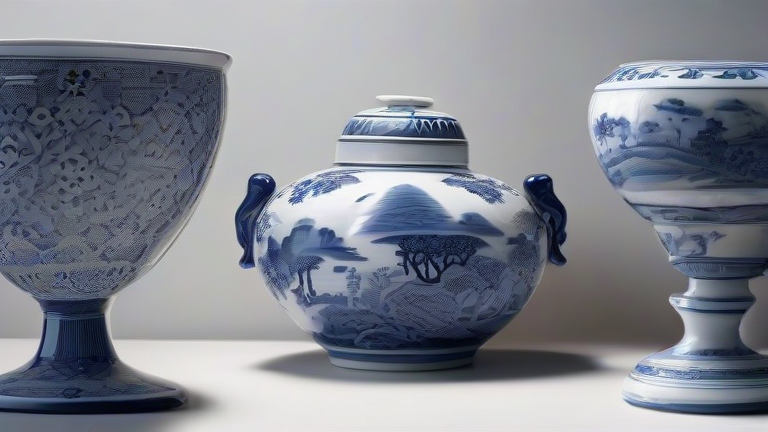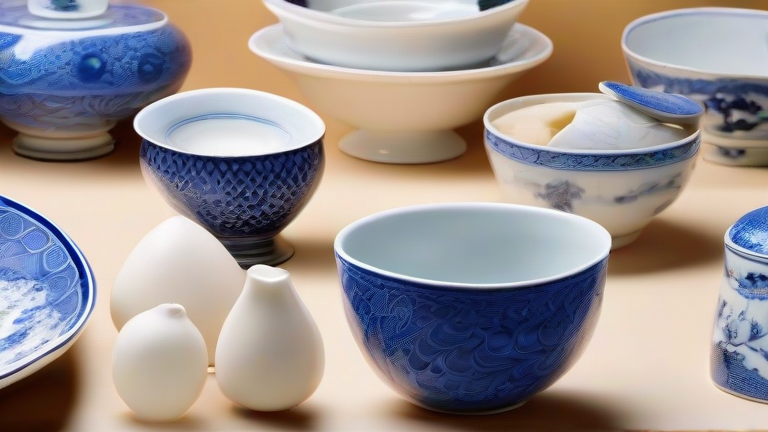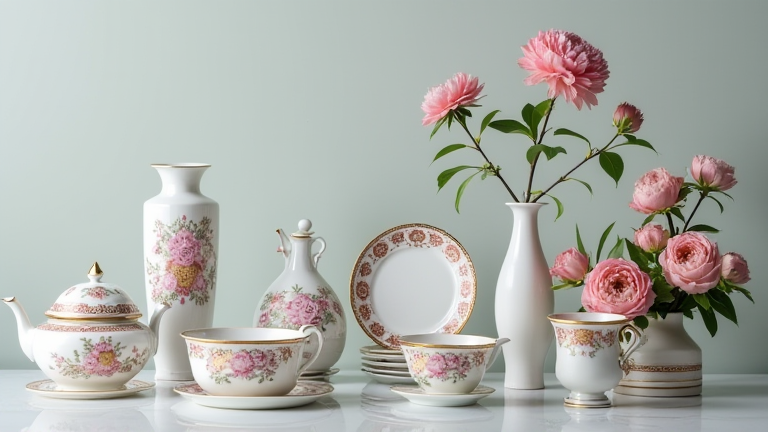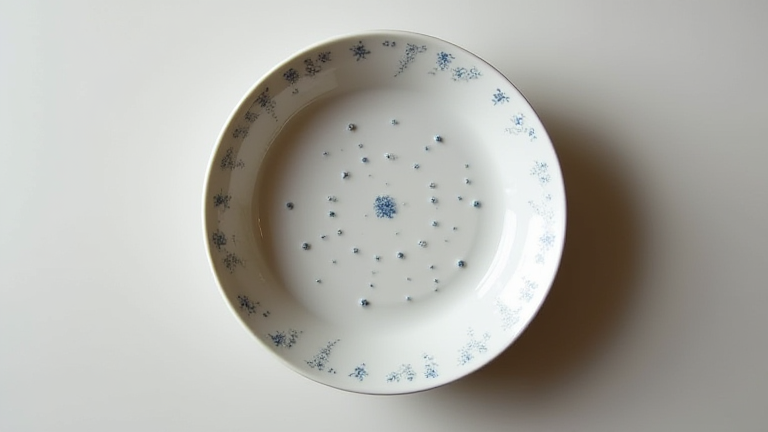
TL;DR: Porcelain’s legacy is not merely aesthetic—it is a blueprint for premium brand positioning, supply-chain mastery, and cultural storytelling. Modern businesses can leverage its 1,000-year history to build durable, high-margin products by combining heritage authenticity with digital-era distribution.
Market Analysis: The Global Porcelain Resurgence
The global porcelain tableware market was valued at approximately $12.4 billion in 2024, with a projected CAGR of 5.8% through 2030. Growth is driven by three converging forces: the rise of “quiet luxury” in home décor, the resurgence of tea culture in Asia-Pacific (notably China’s domestic premium segment), and the shift toward sustainable, non-plastic foodservice products in Europe. Notably, the “heritage premium” segment—porcelain items with documented provenance or handcrafted finishes—commands price points 300–500% above mass-produced equivalents. This is not a commodity market; it is a narrative market.
If you want to dig deeper, check out our guide on Porcelain History: The Tech Behind China’s White Gold.
Strategy Insights: From Kiln to Brand Equity
Successful porcelain businesses do not compete on price; they compete on authenticity. The core strategic insight is to treat “history” as a tangible asset. For example, Jingdezhen, China—the “Porcelain Capital” for over 1,000 years—has licensed its geographic origin to local workshops, creating a protected designation that boosts export value by an average of 40%. For Western brands, the strategy is different: they must reclaim provenance through archival research, kiln documentation, and artisan partnerships. A second insight is vertical integration of the supply chain. The world’s most profitable porcelain firms (e.g., Meissen in Germany, Wedgwood in the UK) control everything from clay sourcing to glazing chemistry, ensuring that “imperfections” are marketed as “handcrafted character” rather than defects. Third, digital storytelling is critical—short-form video showing the 72-hour firing process generates 10x more engagement than static product shots, converting viewers into collectors.
Case Studies: Legacy in Action
Case 1: Meissen (Germany)—Founded in 1710, Meissen survived factory bombings and communist-era state ownership by repositioning its “crossed swords” mark as a symbol of unbroken craft. In 2019, they launched a limited “Arcanum” collection, each piece accompanied by a digital certificate of authenticity linked to the original 18th-century mold archives. Result: average transaction value rose 65%, and waiting lists now extend 14 months.
Case 2: 1310 Jingdezhen Studio (China)—This modern startup blends ancient celadon techniques with AI-driven kiln temperature monitoring. By selling direct-to-consumer via live-stream auctions, they reduced intermediary costs by 50%. Their “imperfect glaze” series, which highlights natural kiln variations, sold out in 48 hours at prices 3x their standard line. Their lesson: scarcity, framed as historical “accident,” drives urgency.
Case 3: Royal Copenhagen (Denmark)—Facing declining wholesale, they pivoted to a subscription model where customers receive one hand-painted plate per quarter, each numbered and featuring a historic pattern from the 1775 archive. Retention rate after 12 months: 82%. This demonstrates that porcelain’s slow consumption cycle can be inverted into recurring revenue through narrative anticipation.
FAQ
Q: Can a new brand compete with centuries-old porcelain houses?
A: Yes, but only by creating a “new heritage.” Focus on a specific region (e.g., a local clay source), document every step publicly, and use blockchain to certify authenticity. Consumers today pay for verifiable history, not just age.
Q: Is the high-end porcelain market recession-proof?
A: No, but it is counter-cyclical for the ultra-premium tier. During downturns, collectors consolidate purchases toward iconic, limited pieces. Mid-tier brands suffer; top-tier with strong storytelling often see a 10–15% sales bump as buyers