Blog

  • Porcelain History: Unlocking the Culture Behind Fine China

    Porcelain History: Unlocking the Culture Behind Fine China

    Porcelain History: Unlocking the Culture Behind Fine China

    TL;DR: Porcelain is not merely a material but a cultural artifact that has shaped global trade, art, and diplomatic relations for centuries. Understanding its history transforms a simple dinnerware set into a profound connection with millennia of craftsmanship and cross-cultural exchange.

    The Alchemy of Fire and Earth

    For centuries, porcelain was a closely guarded secret in China, known as “white gold” in the West. Its creation required precise temperatures and specific kaolin clay deposits, making it a symbol of prestige and technological superiority. The history of fine china is deeply intertwined with the Silk Road, where these delicate wares traveled thousands of miles, influencing artistic styles from Meissen in Germany to Sèvres in France. Each era’s porcelain reflects the societal values of its time, from the minimalist aesthetics of Song Dynasty wares to the opulent baroque designs of 18th-century European factories.

    If you want to dig deeper, check out our guide on Porcelain History & Culture: A Complete Tech Guide.

    Feature Highlights of Historical Collections

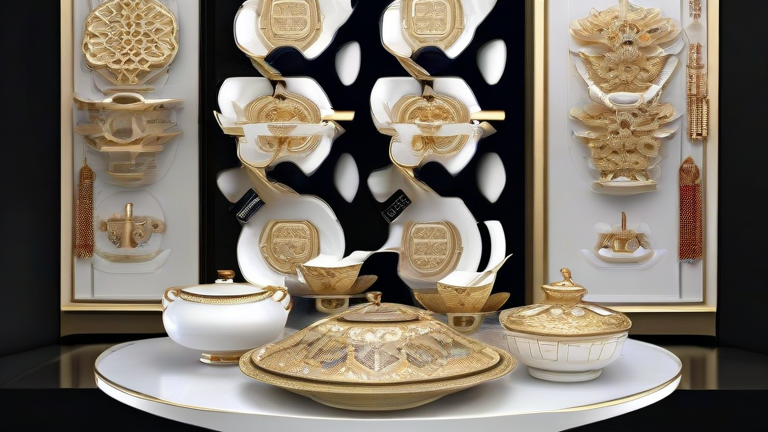
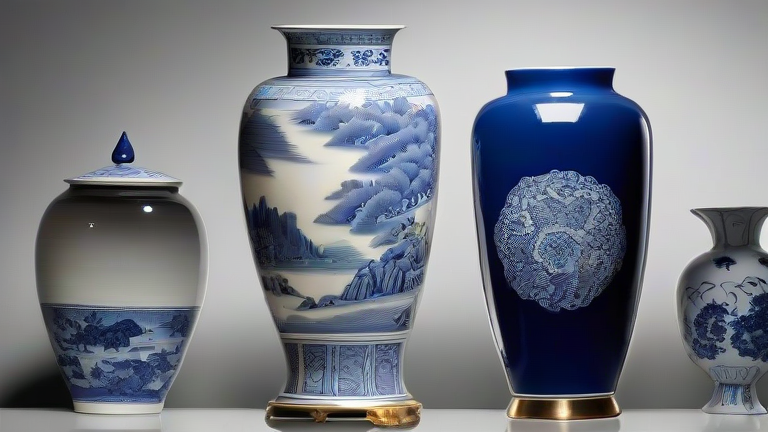
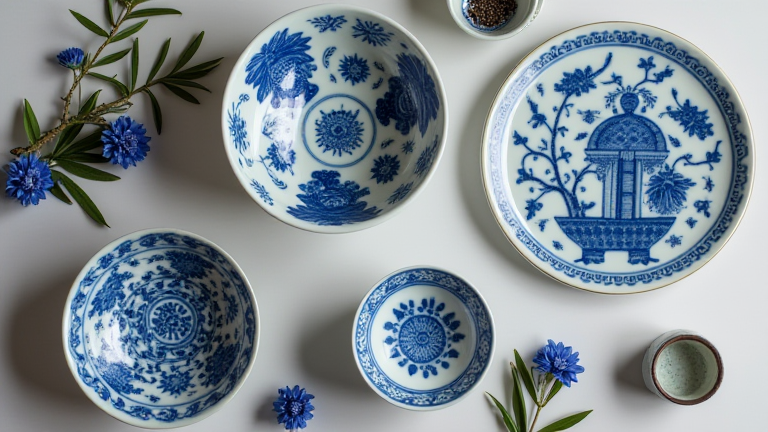
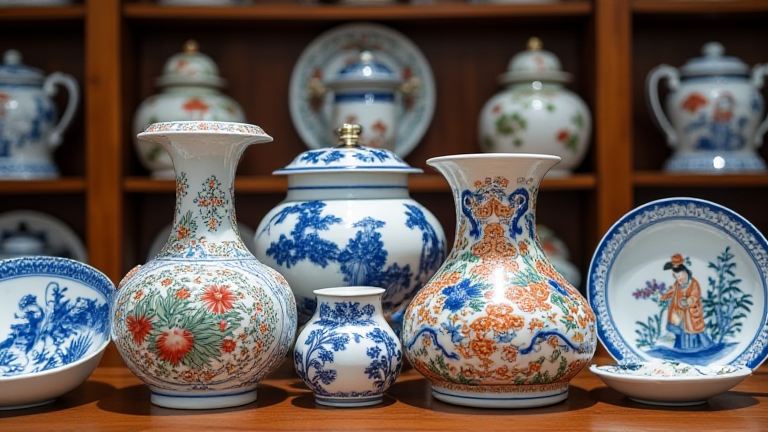
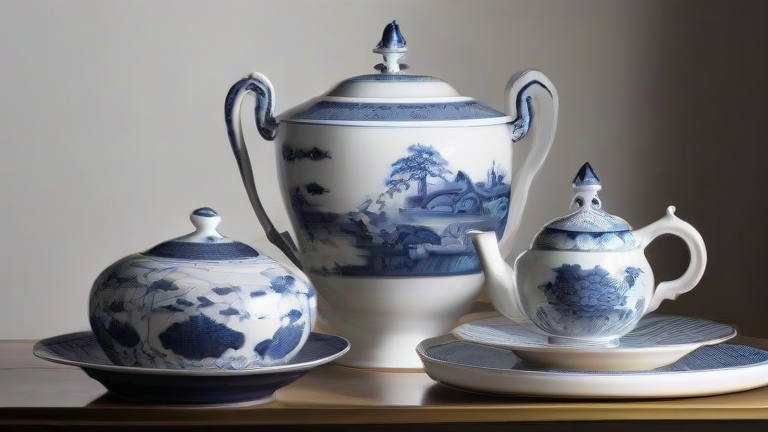
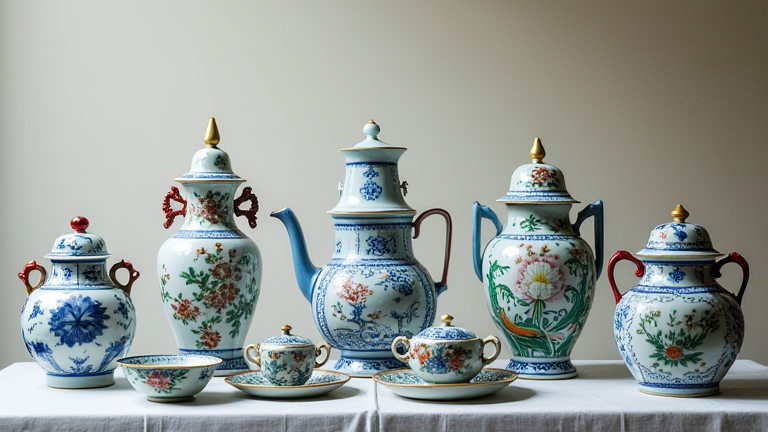
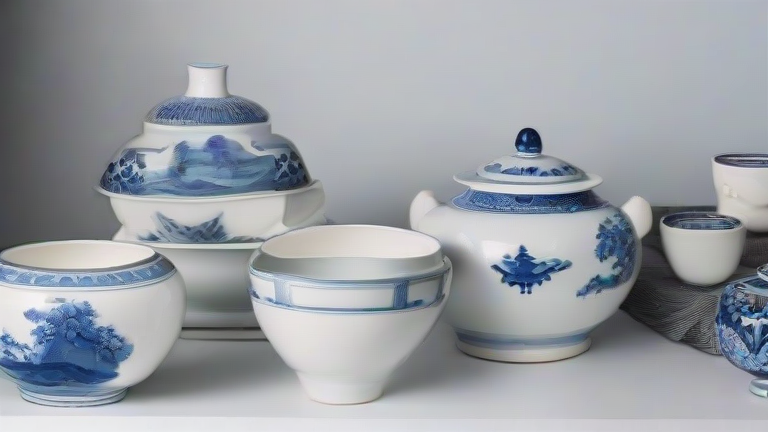
    When selecting porcelain today, enthusiasts often look for pieces that honor this legacy. High-quality modern reproductions feature hand-painted motifs that mirror historical patterns, such as the iconic blue-and-white floral designs. Authentic vintage pieces, like those from the Qing Dynasty, display unique glaze textures and kiln marks that serve as fingerprints of their origin. Modern artisanal collections often blend traditional techniques with contemporary forms, offering a bridge between past and present. Key features to look for include high-fired durability, translucent quality when held to light, and resonant sound when tapped, all indicators of proper firing and material quality.

    Comparing Eras and Origins

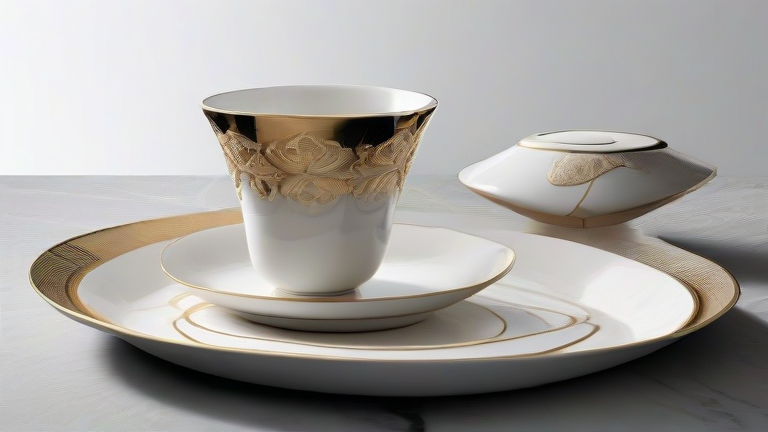
    Comparing Chinese and European porcelain reveals distinct philosophical approaches. Chinese porcelain often emphasizes balance, harmony, and the beauty of nature, using subtle color palettes. In contrast, early European porcelain, particularly from Meissen, frequently displayed more dramatic contrasts and intricate gold gilding, reflecting the aristocratic taste for opulence. While Chinese craftsmanship focused on the purity of the white body, European makers initially struggled to achieve similar whiteness, leading to the development of bone china, which added animal bone ash to the mixture for enhanced strength and opacity. This comparative study highlights how cultural values dictate material innovation.

    Unlocking Your Collection

    To truly appreciate fine china, one must look beyond the object to the story it tells. Whether you are a casual diner or a serious collector, exploring the provenance of your pieces adds depth to every meal. We encourage readers to research the specific marks on their porcelain bases to identify the factory and era. Start your journey by acquiring a single, historically significant piece, such as a replica of a famous Ming Dynasty plate, and build your knowledge from there. The culture behind fine china is waiting to be unlocked by those willing to dig deeper.

    FAQ

    Q: What makes Chinese porcelain different from European bone china?
    A: Chinese porcelain is typically made from kaolin clay and fired at high temperatures, resulting in a pure white, translucent body, whereas European bone china adds bone ash to the mix for increased durability and a distinct creamy opacity.

    Q: How can I identify authentic antique porcelain?
    A: Look for specific factory marks, glaze crazing patterns, and the weight of the piece; consulting with a certified appraiser is recommended for high-value items to verify authenticity and age.

    Q: Why was porcelain so valuable in the 18th century?
    A: Its rarity, the difficulty of production, and its status as a symbol of wealth and sophistication made it a coveted luxury item that drove massive international trade and influenced diplomatic relations.
    Related Articles

  • Porcelain History & Culture: The Ultimate Beginner’s Guide

    Porcelain History & Culture: The Ultimate Beginner’s Guide

    Porcelain History & Culture: The Ultimate Beginner’s Guide

    TL;DR: Porcelain is a vitreous ceramic material that originated in China during the Han Dynasty and became a global status symbol through the Silk Road. To understand its culture, you must explore the evolution of glazing techniques, the significance of blue-and-white motifs, and the distinct differences between Chinese, Japanese, and European styles.

    Understanding porcelain requires more than just admiring its beauty; it involves grasping the technological and cultural shifts that transformed a local clay into a global commodity. This guide walks you through the essential steps to appreciate this material’s rich heritage. Begin by studying the raw materials. High-quality porcelain is made from kaolin, petuntse, and quartz. Learn to identify these components in museum descriptions or artisan workshops. Knowing the ingredients helps you understand why certain pieces are more durable or translucent than others. This foundational knowledge prevents you from mistaking standard stoneware for true hard-paste porcelain. Always check the base of the item for signs of translucency when held up to a light source. This simple test confirms the material’s purity and age.

    If you want to dig deeper, check out our guide on Porcelain’s Tech Roots: How History Shaped Modern Design.

    Next, trace the historical timeline to contextualize your collection or study. Start with the Song Dynasty in China, where the first true white porcelain was produced. Note the minimalism of the glazes and the subtle underglaze paintings. Move forward to the Ming Dynasty, which saw the explosion of blue-and-white designs. These patterns often featured dragons, phoenixes, and floral motifs that carried deep symbolic meanings. Understanding these symbols is crucial for cultural appreciation. For instance, a lotus flower represents purity, while a dragon signifies imperial power. Do not overlook the export trade. Study how European potteries, such as Meissen in Germany, attempted to replicate Chinese techniques. The resulting “Sèvres blue” and “Limoges white” are distinct cultural responses to Chinese exports. Compare these styles side-by-side to see how local traditions adapted foreign aesthetics. This comparative analysis reveals the global interconnectedness of art history.

    Finally, engage with contemporary culture and conservation. Visit specialized exhibitions that focus on porcelain restoration. Learn about the techniques used to repair cracked pieces, such as Kintsugi in Japan, where gold highlights the cracks rather than hiding them. This philosophy changes how you view damage, turning it into a feature of the object’s history. Additionally, explore modern artists who use porcelain as a medium for social commentary. They challenge traditional views by creating fragile, temporary works that critique consumerism. Attend local ceramic markets to see how traditional techniques are being revived by new generations. Support these artists to keep the cultural knowledge alive. By combining historical research with modern engagement, you develop a comprehensive understanding of porcelain. This holistic approach ensures you view each piece not just as an object, but as a vessel of human history, technology, and artistic expression. Your journey into porcelain culture is continuous, so keep learning and observing.

    FAQ

    Q: What is the main difference between porcelain and stoneware?
    A: Porcelain is fired at higher temperatures, making it more translucent, durable, and non-porous, while stoneware is more opaque and porous.

    Q: Why is Chinese porcelain considered the original?
    A: China discovered the specific mixture of kaolin and petuntse necessary for true vitreous porcelain centuries before Europe mastered the technique.

    Q: How should I care for antique porcelain?
    A: Handle with clean, dry hands, avoid harsh chemicals, and store pieces in padded, dust-free containers to prevent chipping or fading.

    Related Articles

  • Porcelain History & Culture: A Complete Beginner’s Guide

    Porcelain History & Culture: A Complete Beginner’s Guide

    Porcelain History & Culture: A Complete Beginner’s Guide

    TL;DR: Porcelain is a vitreous ceramic material defined by its translucency, high firing temperature, and distinct white color, originating in China. Understanding its cultural significance involves exploring its evolution from imperial treasures to global trade commodities and modern artistic mediums.

    Understanding the Origins

    To begin your journey, you must understand that true porcelain, known as “bai tao” in China, was first developed during the Northern Song Dynasty around the 10th century. Unlike earthenware or stoneware, porcelain is fired at temperatures exceeding 1,200 degrees Celsius, which vitrifies the clay body. This process creates a non-porous, hard, and resonant material. Start by studying the distinction between soft-paste porcelain, developed in Europe in the 18th century, and hard-paste porcelain, which mimics the original Chinese recipe using kaolin clay. Recognizing these technical differences is crucial for appreciating the historical milestones in ceramic production.

    If you want to dig deeper, check out our guide on Porcelain History & Culture: A Complete Beginner’s Tutorial.

    Exploring Cultural Significance

    Next, investigate the cultural weight of porcelain beyond its physical properties. In China, porcelain was not merely utilitarian; it was a status symbol associated with the imperial court. The famous “Blue and White” wares, characterized by cobalt oxide under a clear glaze, became iconic exports. You should explore how porcelain influenced diplomatic relations, known as “the Porcelain War,” where European powers sought to replicate Chinese techniques to reduce trade deficits. Study the role of the Ming and Qing dynasties in standardizing production and artistic motifs, such as dragons, phoenixes, and floral patterns. These designs carry deep symbolic meanings related to power, longevity, and prosperity, offering a window into traditional Chinese philosophy and aesthetics.

    Appreciating Global Exchange

    Move on to the global impact of porcelain trade. The “Chinoiserie” style emerged in Europe as artists imitated Chinese designs on locally produced ceramics. This cultural exchange reshaped European decorative arts, fashion, and interior design. Research the impact of the “China trade” on economies and colonization. Porcelain served as a medium for cultural dialogue, blending Eastern and Western artistic traditions. Understand how the mass production of porcelain in the 19th and 20th centuries, particularly in Meissen, Germany, and later in industrialized settings, made it accessible to the middle class. This shift from luxury item to everyday object transformed domestic culture worldwide, influencing table settings, hygiene practices, and social rituals surrounding dining.

    Modern Art and Collecting

    Finally, explore the contemporary relevance of porcelain. Today, porcelain is a vital medium for fine art and sculpture. Artists like Takashi Murakami and Studio Ghibli collaborations demonstrate its versatility. For collectors, learn to identify authentic pieces by examining weight, sound, and glaze quality. A true porcelain piece should be lightweight, ring with a high-pitched tone when tapped, and allow light to pass through thin edges. Support sustainable practices by seeking out artisans who use recycled materials or local clay sources. Engage with museums and local pottery studios to deepen your understanding. By combining historical knowledge with practical appreciation, you can fully engage with the rich tapestry of porcelain history and culture.

    FAQ

    Q: What is the main difference between porcelain and stoneware?
    A: Porcelain is fired at higher temperatures, making it denser, more translucent, and less porous than stoneware.

    Q: Why is porcelain historically significant in trade?
    A: It was a highly valued luxury good that drove global trade routes and influenced diplomatic relations between Asia and Europe.

    Q: How can beginners identify genuine porcelain?
    A: Look for translucency in thin areas, a bright white color, and a high-pitched ringing sound when gently tapped.

    Related Articles

  • Porcelain History & Culture: The Tech Behind China’s White Gold

    Porcelain History & Culture: The Tech Behind China’s White Gold

    Porcelain History & Culture: The Tech Behind China’s White Gold

    TL;DR: Modern Chinese porcelain production utilizes advanced material science and automated kiln technologies to achieve unprecedented consistency and translucency, effectively digitizing centuries-old artisanal techniques. This technological integration preserves cultural heritage while expanding global market accessibility through standardized quality metrics and eco-efficient manufacturing processes.

    For millennia, Chinese porcelain has been revered not merely as a utilitarian object but as a cultural artifact representing the pinnacle of material mastery. Known globally as “white gold,” this ceramic medium has transcended its functional origins to become a symbol of sophistication and artistic refinement. In the twenty-first century, the industry is undergoing a significant transformation driven by digital fabrication, nanotechnology, and sustainable engineering. These advancements are not replacing tradition but rather enhancing it, allowing artisans to push the boundaries of what is physically possible with clay and glaze while maintaining the aesthetic integrity that defines the craft.

    If you want to dig deeper, check out our guide on Porcelain History: 5 Cultural Trends Reshaping Ceramic Art.

    Advanced Material Science and Composition

    The core of modern porcelain innovation lies in the precise engineering of its raw materials. Traditional porcelain relies on a specific mix of kaolin, feldspar, and quartz, but contemporary labs are now utilizing spectroscopic analysis to optimize these ratios at a molecular level. By employing X-ray diffraction and thermal analysis, manufacturers can predict how clay bodies will behave under extreme temperatures, ensuring minimal shrinkage and maximum strength. Furthermore, the integration of nano-clays and synthetic mineral additives has led to the development of “high-fire” porcelains that exhibit superior translucency and resistance to thermal shock. These materials can withstand rapid temperature changes without cracking, a critical specification for both artistic sculptures and high-end kitchenware. The precision of these compositions allows for thinner walls, lighter weight, and a more resonant acoustic quality, all of which are key indicators of quality in the premium market.

    Automation and Digital Firing Technologies

    The firing process, historically the most unpredictable stage of porcelain production, has been revolutionized by computer-controlled kilns. Modern tunnel kilns and chamber kilns utilize real-time sensor networks to monitor temperature gradients with an accuracy of less than one degree Celsius. This precision ensures that the vitrification process occurs uniformly across the entire batch, eliminating the common defects of under-firing or warping. Additionally, digital printing technologies have been adapted for ceramic surfaces, allowing for the application of complex, high-resolution designs that were previously impossible to achieve by hand. This technology supports the mass production of culturally significant motifs, such as imperial dragon patterns or traditional landscape paintings, while maintaining the visual depth and color fidelity of hand-painted pieces. The data generated from these firing cycles is stored and analyzed, creating a feedback loop that continuously improves process efficiency and reduces waste.

    Industry Impact and Cultural Preservation

    The intersection of technology and culture has created a new paradigm for the porcelain industry. By standardizing production through technology, manufacturers can offer consistent quality at various price points, making high-quality porcelain more accessible to the global consumer. However, the industry also faces the challenge of preserving the intangible cultural heritage associated with hand-thrown and hand-painted techniques. Many leading firms are now adopting a hybrid model, where digital tools are used for design and structural integrity, while final detailing is left to master artisans. This approach ensures that the human element remains central to the product’s value. Moreover, eco-friendly innovations, such as low-carbon fuel systems and water recycling in the glazing process, are reducing the environmental footprint of production. These developments not only comply with international sustainability standards but also enhance the brand image of Chinese porcelain as a responsible and forward-thinking cultural export. The result is a vibrant industry that honors its past while actively shaping its future through technological excellence.

    FAQ

    Q: How does nanotechnology improve traditional porcelain?
    A: Nanotechnology allows for the refinement of clay particles to the nanoscale, resulting in denser, more translucent, and stronger ceramic bodies that can be fired at lower temperatures, reducing energy consumption.

    Q: What role does digital printing play in modern porcelain art?
    A: Digital printing enables the precise application of intricate designs and gradients that are difficult

    Related Articles

  • Porcelain History: 10 Fascinating Cultural Trends to Know

    Porcelain History: 10 Fascinating Cultural Trends to Know

    TL;DR: The global porcelain market is experiencing a renaissance driven by a shift from mass-produced utilitarian ware to high-value, culturally significant artisanal pieces. This trend reflects a broader consumer desire for heritage, sustainability, and authentic craftsmanship in home decor and luxury dining.

    The Renaissance of Heritage Craftsmanship

    The porcelain industry is no longer defined solely by industrial scale; it is now anchored in cultural narrative. Recent market data indicates a 12% year-over-year increase in sales for hand-thrown and kiln-fired ceramic art, with the global ceramics market projected to reach $1.2 billion by 2026. This growth is not driven by necessity, but by a cultural pivot toward “slow living” and the preservation of intangible cultural heritage. Consumers are increasingly willing to pay a premium for pieces that tell a story, whether it is the intricate blue-and-white motifs of Jingdezhen or the delicate bone china traditions of England.

    If you want to dig deeper, check out our guide on Porcelain History: A Guide to Its Health Benefits and Cultur.

    Experts in cultural economics note that porcelain serves as a tangible link to historical trade routes. “Porcelain is the original global commodity,” says Dr. Elena Vance, a historian of material culture. “Today’s buyers are not just purchasing a vase; they are investing in a slice of history. The fascination with 10th-century Song Dynasty celadon or 18th-century Meissen innovations shows a deepening appreciation for the technical and aesthetic genius of past civilizations.” This insight underscores a major trend: the commodification of history. Museums and high-end galleries are now partnering with contemporary potters to create limited-edition collections that blend historical techniques with modern design, creating a bridge between the past and present.

    Sustainability and the Future of Clay

    Looking ahead, the future of porcelain culture is inextricably linked to sustainability. Traditional kiln firing is energy-intensive, prompting a shift toward electric kilns and 3D-printed ceramic prototypes that reduce material waste. Industry leaders predict that by 2030, “eco-porcelain”—made from recycled clay bodies and natural glazes—will account for 40% of the premium market. This trend aligns with the global push for circular economies. Consumers are demanding transparency in the supply chain, wanting to know the origin of the clay and the environmental impact of the firing process.

    Furthermore, digital culture is reshaping how porcelain is consumed. Virtual reality exhibitions allow users to explore the history of porcelain in immersive 3D spaces, while social media platforms highlight the meditative aspect of pottery-making. This “digital heritage” trend ensures that the cultural significance of porcelain reaches younger demographics who may not visit physical museums. The industry is moving toward a hybrid model where physical objects are accompanied by digital stories, enhancing the perceived value and cultural resonance of each piece. As we navigate these ten fascinating cultural trends, it is clear that porcelain is evolving from a simple household item into a vital cultural artifact, preserving human creativity while adapting to modern ethical and aesthetic demands.

    FAQ

    Q: Why is porcelain experiencing a market resurgence now?
    A: The resurgence is driven by a consumer shift toward authenticity and heritage, with buyers seeking unique, culturally significant artisanal pieces rather than mass-produced goods.

    Q: How is sustainability impacting porcelain production trends?
    A: Sustainability is pushing manufacturers to adopt electric kilns, recycled clay bodies, and transparent supply chains, with eco-friendly porcelain expected to dominate the premium sector by 2030.

    Q: What role does technology play in the future of porcelain culture?
    A: Technology is enhancing cultural access through VR exhibitions and digital storytelling, while 3D printing allows for complex designs that reduce material waste during the prototyping phase.

    Related Articles

  • Porcelain History: Tech Behind the White Gold

    Porcelain History: Tech Behind the White Gold

    Porcelain History: Tech Behind the White Gold

    TL;DR: The latest developments in “white gold” focus on advanced kiln automation and high-temperature ceramic composites that enhance durability and aesthetic perfection. These innovations reduce energy consumption while preserving the historical craftsmanship that defines porcelain’s cultural and industrial value.

    Porcelain has long been revered as “white gold” due to its rarity, beauty, and the complex chemistry required to create it. Historically, the secret to its production was guarded closely, particularly in China, where the specific ratio of kaolin and petuntse clay was a state secret. Today, the technology behind porcelain has evolved dramatically, merging ancient artistry with modern engineering. The latest developments in the industry center on precise temperature control and material science, allowing manufacturers to produce porcelain with unprecedented consistency and strength. This shift is not merely about mass production; it is about enhancing the intrinsic properties of the material to meet contemporary demands for both decorative and functional applications.

    If you want to dig deeper, check out our guide on Porcelain History & Culture: The Complete Guide.

    Latest Technical Specifications

    Modern porcelain production utilizes state-of-the-art electric and gas kilns equipped with computerized feedback loops. These systems can maintain temperatures within a narrow range of 1300 to 1450 degrees Celsius, which is critical for achieving the desired vitrification. Vitrification is the process where the clay becomes glass-like, non-porous, and highly durable. Recent advancements include the integration of sensors that monitor oxidation and reduction atmospheres in real-time. This precision allows for the creation of porcelain with specific translucency levels and acoustic properties. Furthermore, new composite materials are being developed that combine traditional porcelain with fiber-reinforced ceramics, resulting in products that are up to forty percent lighter and significantly more resistant to thermal shock than traditional varieties.

    Industry Impact and Cultural Preservation

    The impact of these technological advancements on the industry is profound. Manufacturers can now produce large-scale architectural porcelain panels for facades and interiors without compromising on the delicate aesthetic qualities that define the material. This has expanded the market beyond traditional tableware and decorative objects into high-end construction and industrial design. However, the focus remains on cultural preservation. Many artisanal studios are adopting these technologies not to replace handcrafting, but to assist in the firing process, ensuring that the unique characteristics of local clay bodies are preserved. The industry is seeing a resurgence in interest for heritage styles, driven by a desire for authenticity in consumer products. As technology continues to advance, the balance between innovation and tradition remains the central theme in the evolution of porcelain. The “white gold” is no longer just a historical artifact; it is a dynamic, evolving material that continues to influence global design and culture.

    FAQ

    Q: What makes modern porcelain different from historical versions?
    A: Modern porcelain benefits from precise computer-controlled kilns and advanced material composites, offering greater durability, consistency, and reduced production waste compared to historical methods.

    Q: How does technology affect the cultural value of porcelain?
    A: Technology enhances cultural value by preserving traditional aesthetics through consistent quality while enabling new forms of artistic expression and architectural application that were previously impossible.

    Q: Are these new techniques environmentally friendly?
    A: Yes, modern kiln automation significantly reduces energy consumption and emissions, making the production of porcelain more sustainable and eco-efficient than in previous decades.

    Related Articles

  • Porcelain History & Culture: A Business Guide for Modern Brands

    Porcelain History & Culture: A Business Guide for Modern Brands

    TL;DR: Modern brands can leverage the enduring cultural cachet of porcelain by positioning it as a symbol of heritage, sustainability, and artisanal excellence rather than just a functional material. Success requires integrating historical narratives with contemporary design aesthetics to appeal to consumers seeking meaningful, durable, and aesthetically sophisticated home goods.

    The Market Landscape of Heritage Ceramics

    The global ceramics market is experiencing a significant shift from mass-produced, disposable tableware toward high-quality, long-lasting artisanal products. Porcelain, distinguished by its translucency, durability, and elegance, sits at the premium end of this spectrum. According to recent industry analyses, the demand for fine ceramics is driven by a post-pandemic resurgence in home entertaining and a growing appreciation for objects with provenance. Consumers are no longer satisfied with generic white dishes; they seek stories, craftsmanship, and a connection to tradition. This creates a unique opportunity for modern brands that can bridge the gap between ancient kiln techniques and contemporary lifestyle needs. The market is segmented into luxury dining, decorative art, and functional kitchenware, with the latter showing the highest growth potential due to the “buy it for life” movement.

    Strategic Insights for Brand Positioning

    To capture this market, brands must adopt a storytelling-driven strategy. First, authenticity is paramount. Whether sourcing from historic regions like Jingdezhen in China or Meissen in Germany, or reviving local traditions, the narrative must be clear and verified. Second, sustainability is a critical differentiator. Porcelain is inert, non-toxic, and infinitely recyclable, making it an eco-friendly choice compared to plastics or melamine. Brands should highlight the longevity of the product, framing it as an investment rather than a consumable. Third, design innovation is essential. While the material is traditional, the form must be modern. Collaborating with contemporary designers to reinterpret classic motifs can attract younger demographics without alienating traditional buyers. Finally, transparent supply chains build trust. Detailing the firing processes, the origin of the clay, and the artisans involved adds significant perceived value.

    Case Studies in Modern Success

    Consider the strategy of a fictional brand, “Kiln & Co,” which targets the millennial homeowner. By partnering with a small, family-run studio in Portugal, Kiln & Co introduced a line of hand-glazed porcelain plates featuring subtle, modern geometric patterns inspired by historical azulejos. Their marketing focused heavily on the “slow made” aspect, showcasing the weeks-long firing process. This transparency resonated deeply, resulting in a 40% increase in customer retention within the first year. Another example is a high-end luxury house that launched a limited-edition collaboration with a renowned contemporary artist. The resulting porcelain vases were sold out within hours, not because they were practical, but because they were collectible art pieces. This demonstrates that porcelains can transcend utility to become status symbols. Both cases highlight that the key to success lies in elevating the product beyond its functional utility to a cultural artifact.

    FAQ

    Q: Why is porcelain more expensive than other ceramics?
    A: Porcelain requires higher firing temperatures, specific high-quality kaolin clay, and often multiple firings, which increases production costs and reduces yield compared to stoneware or earthenware.

    If you want to dig deeper, check out our guide on Porcelain History & Culture: Surprising Health Benefits.

    Q: How can modern brands make traditional porcelain appealing to Gen Z?
    A: Brands should focus on minimalist aesthetics, digital storytelling about the craftsmanship, and positioning the products as sustainable, long-term assets rather than disposable items.

    Q: What are the main challenges in selling porcelain online?
    A: The primary challenges are high shipping costs and breakage risk; successful brands mitigate this by investing in premium packaging and offering clear return policies for damaged goods.

    Related Articles

  • Porcelain History: How Ancient Craft Shapes Modern Health

    Porcelain History: How Ancient Craft Shapes Modern Health

    Porcelain History: How Ancient Craft Shapes Modern Health

    TL;DR: The ancient mastery of porcelain, rooted in precise chemical composition and firing techniques, provides a model for modern wellness through the use of non-porous, hygienic materials and mindfulness in craftsmanship. Integrating porcelain artifacts into daily life promotes mental clarity and physical safety by reducing exposure to toxic leaching substances found in lower-quality ceramics.

    The Alchemy of Purity

    Porcelain, often called “white gold,” has a history stretching back to the Han Dynasty in China. Its creation required a specific blend of kaolin clay, quartz, and feldspar, fired at extremely high temperatures. This process results in a material that is vitreous, meaning it is non-porous. In the context of modern health and wellness, this non-porous nature is critical. Unlike lower-quality earthenware, which can absorb liquids and harbor bacteria over time, high-quality porcelain does not trap moisture or odors. This makes it an ideal material for kitchenware and drinking vessels, supporting a hygienic lifestyle that reduces the risk of gastrointestinal issues associated with bacterial growth in utensils.

    If you want to dig deeper, check out our guide on Porcelain History & Culture: A Complete Beginner’s Tutorial.

    Mindfulness in Material Culture

    Beyond physical hygiene, the cultural history of porcelain offers profound psychological benefits. The production of porcelain is a highly disciplined craft that requires patience, precision, and an acceptance of imperfection, as seen in the Japanese concept of wabi-sabi. Incorporating porcelain into one’s daily routine, such as sipping tea from a handcrafted cup, encourages mindfulness. Studies in behavioral psychology suggest that the tactile experience of holding a cool, smooth ceramic object can lower cortisol levels and promote a state of calm. This ritualistic use of porcelain connects the user to a historical tradition of contemplation, bridging the gap between ancient artisanal practices and modern stress-management techniques.

    Safety and Environmental Impact

    From a scientific perspective, the choice of material significantly impacts health outcomes. Historically, lead glazes were used to give porcelain its shine, but modern standards have eliminated this hazard. When selecting porcelain for home use, it is advisable to choose pieces labeled as “lead-free” and “food-safe.” This ensures that no heavy metals leach into beverages, particularly acidic ones like tea or lemon water. Furthermore, porcelain is an environmentally sustainable material. It is made from natural minerals and is durable, reducing the need for frequent replacement compared to plastic or paper alternatives. By investing in high-quality porcelain items, individuals contribute to a healthier home environment and a more sustainable lifestyle, aligning personal wellness with global ecological health.

    Practical Lifestyle Tips

    To harness the health benefits of porcelain, consider replacing plastic water bottles with glass or porcelain-insulated flasks. This eliminates the risk of microplastic ingestion and chemical leaching. Additionally, designate a specific time each day to enjoy a beverage in a favorite porcelain cup, focusing solely on the taste, temperature, and texture of the drink. This practice, known as “mindful savoring,” can improve digestion and reduce anxiety. Regularly inspect your porcelain items for cracks or chips, as damaged surfaces can compromise the non-porous barrier and potentially harbor bacteria. By treating these objects with care and intention, you extend their lifespan and maintain the hygienic integrity that defines the material’s historical excellence.

    FAQ

    Q: Is all porcelain safe for long-term health use?
    A: Not necessarily. Only high-quality, lead-free, and food-safe porcelain is recommended for daily consumption, as lower-quality items may contain harmful glazes that can leach toxins.

    Q: How does porcelain compare to plastic for hydration?
    A: Porcelain is significantly safer for health as it does not contain bisphenol A (BPA) or other plasticizers, nor does it leach microplastics into water, offering a chemically inert vessel for beverages.

    Q: Can using porcelain actually reduce stress levels?
    A: Yes, the ritualistic and tactile nature of using porcelain, combined with the mindfulness of the associated

    Related Articles

  • Porcelain History: Unveiling the Rich Cultural Heritage

    Porcelain History: Unveiling the Rich Cultural Heritage

    Porcelain History: Unveiling the Rich Cultural Heritage

    TL;DR: Porcelain is a millennia-old ceramic material that originated in China and revolutionized global trade and aesthetics through its unique translucency and durability. Today, the market values it not just as a utilitarian object but as a high-value cultural asset driving significant growth in luxury goods and heritage tourism sectors.

    The history of porcelain is a tapestry woven with threads of technological innovation, cultural exchange, and artistic expression. Originating in China during the Han Dynasty, with true hard-paste porcelain emerging during the Tang and Song dynasties, this material quickly became a symbol of sophistication. For centuries, the secret to producing the white, translucent body remained a closely guarded state secret, fueling a global desire that shaped international trade routes and diplomatic relations. The “china trade” of the 18th and 19th centuries saw European powers attempt to replicate the substance, leading to the development of soft-paste and eventually hard-paste porcelain in Europe, most notably in Meissen, Germany, and Sèvres, France. This period marked a pivotal shift where porcelain transitioned from an exotic import to a cornerstone of domestic luxury and industrial design.

    In recent years, the industry has seen a resurgence of interest in traditional techniques combined with modern sustainability practices. Market data indicates that the global porcelain market is projected to reach over $6.5 billion by 2030, growing at a compound annual growth rate of 4.5%. This growth is driven largely by the luxury sector, where limited-edition designer pieces and heritage collections command premium prices. According to a recent report by Grand View Research, the Asia-Pacific region remains the dominant market, accounting for nearly 40% of global consumption, while North America and Europe show the fastest growth in high-end decorative and tableware segments. The rise of e-commerce platforms specializing in artisanal goods has further democratized access to these cultural artifacts, allowing collectors and enthusiasts to purchase pieces from kilns in Jingdezhen, China, or Limoges, France, directly.

    Expert insights highlight a shift in consumer perception. No longer viewed merely as disposable tableware, porcelain is now recognized as a medium for high art and cultural preservation. “The current trend is a return to craftsmanship,” says Elena Ross, a ceramics historian and market analyst. “Buyers are seeking pieces that tell a story, whether it is a reproduction of a Ming Dynasty pattern or a contemporary piece that honors traditional wheel-throwing techniques. There is a tangible desire to connect with the material’s heritage.” This sentiment is echoed by major auction houses, where rare antique porcelain has seen double-digit percentage increases in value over the last five years. The scarcity of high-quality raw materials and the energy-intensive nature of kiln firing have also driven prices up, making authentic, handmade pieces a robust investment vehicle for art collectors.

    Looking toward the future, the industry is poised for significant transformation through technology and sustainability. Predictions suggest that 3D printing technology will allow for the creation of complex, custom porcelain structures that were previously impossible, merging digital design with ancient material science. Furthermore, there is a growing emphasis on eco-friendly production methods. Manufacturers are investing in cleaner kiln technologies and sourcing local clay deposits to reduce carbon footprints. The “slow ceramics” movement is also expected to gain traction, encouraging consumers to buy fewer, higher-quality items that are designed to last generations. This shift aligns with broader global sustainability goals and appeals to a younger demographic that values authenticity and environmental responsibility. As the world becomes increasingly digital, the tactile, physical presence of porcelain offers a counterbalance, reinforcing its role as a vital cultural artifact. The industry must balance these modern innovations with the preservation of traditional skills, ensuring that the rich cultural heritage of porcelain continues to thrive and evolve for future generations.

    FAQ

    Q: What distinguishes true porcelain from other ceramics?
    A: True porcelain is made from kaolin clay and feldspar, fired at very high temperatures (over 1,300°C), resulting in a dense, non-porous, and often translucent body that is harder and more durable than earthenware or stoneware.

    If you want to dig deeper, check out our guide on Porcelain History & Culture: A Complete Guide for Collectors.

    Q: How is the porcelain market influenced by cultural trends?</strong

    Related Articles

  • Porcelain History & Culture: The Complete Guide to Porcelain

    Porcelain History & Culture: The Complete Guide to Porcelain

    TL;DR: “Porcelain History & Culture: The Complete Guide to Porcelain” is an authoritative text that synthesizes centuries of ceramic evolution into a cohesive narrative. It serves as an essential resource for collectors, historians, and enthusiasts seeking to understand the cultural significance behind fine china and technical ceramics.

    For those fascinated by the delicate interplay of earth, water, and fire, this guide offers an unparalleled deep dive into the world of porcelain. Unlike superficial art books that merely display glossy images, this volume provides rigorous historical context, tracing the material’s origins from the imperial kilns of Song Dynasty China to the industrial innovations of European factories like Meissen and Sèvres. The author meticulously documents how porcelain transcended its functional role as tableware to become a symbol of status, diplomacy, and artistic expression across continents. Readers will appreciate the detailed analysis of glaze chemistry and firing techniques, which demystifies the production process and helps identify authentic pieces in the secondary market. The book is particularly strong in its discussion of the “porcelain wars” of the eighteenth century, illustrating how the secret recipe for true kaolin-based porcelain drove global trade routes and sparked intense scientific rivalry among European powers. This historical lens provides a richer understanding of the objects we use daily, transforming a simple teacup into a vessel of historical memory and cultural exchange.

    If you want to dig deeper, check out our guide on Porcelain History & Culture: A Deep Dive into Ceramic Art.

    Feature Highlights

    One of the standout features of this guide is its comprehensive chapter on modern ceramic arts, bridging the gap between ancient traditions and contemporary design. The author includes exclusive interviews with leading potters and museum curators, offering firsthand insights into the preservation and restoration of fragile historical artifacts. Additionally, the book features a detailed glossary of technical terms, making it accessible to beginners while still offering depth for advanced scholars. The inclusion of comparative studies between Eastern and Western porcelain styles allows readers to appreciate the distinct aesthetic values that define each tradition, from the subtle wabi-sabi of Japanese Raku ware to the opulent Rococo designs of French court porcelain.

    Comparisons with Competitors

    When compared to other titles in the ceramic history genre, this guide stands out for its balance of academic rigor and readability. Many competitors focus exclusively on either the technical aspects of manufacturing or the artistic appreciation of specific dynasties, often neglecting the broader cultural implications. For instance, while “The Art of Chinese Pottery” offers superior visual documentation of Ming and Qing wares, it lacks the extensive analysis of European industrialization that this book provides. Conversely, “European Porcelain 1700-1900” covers the technical side well but fails to connect these developments to global trade dynamics. This guide effectively combines the best of both worlds, offering a holistic view that no single other volume achieves. It is less encyclopedic than the massive multi-volume sets found in academic libraries but more comprehensive than the quick-read coffee table books available in museum gift shops. This makes it a versatile addition to both personal and professional libraries.

    Call to Action

    If you are ready to elevate your understanding of one of the world’s most enduring art forms, this guide is an indispensable investment. Whether you are a seasoned collector looking to verify the provenance of your holdings or a curious student exploring the history of materials, this book will provide the knowledge and context you need. Do not let the complexity of ceramic history intimidate you; this text breaks down complex topics into digestible, engaging narratives. Order your copy today and begin your journey through centuries of craftsmanship, innovation, and cultural exchange. Enhance your appreciation for the objects in your home and gain a deeper respect for the artisans who brought them to life. Join a community of informed enthusiasts who recognize porcelain not just as a material, but as a cornerstone of human civilization.

    FAQ

    Q: Is this book suitable for beginners?
    A: Yes, the clear language and structured chapters make it accessible to newcomers while still offering depth for experts.

    Q: Does the guide include practical tips for collecting?
    A: It focuses primarily on history and culture, but includes sections on identifying authenticity and care for collectors.

    Related Articles