Blog

  • Porcelain History & Culture: A Complete Beginner’s Tutorial

    TL;DR: Porcelain is a high-fired ceramic born in China around 600–900 CE, prized for its translucency, strength, and whiteness. To understand its culture, trace its technological secrets, imperial patronage, and global trade routes that shaped art, dining, and diplomacy for over a millennium.

    Step 1: Grasp the Material vs. the Myth

    Porcelain is not just “white pottery.” It requires kaolin (white clay) and petuntse (feldspar), fired at 1,200–1,400°C until vitrified—glass-like and non-porous. Beginners often confuse it with stoneware or bone china. Tip: Hold a thin piece to light; true porcelain glows a warm amber translucency. Chinese “china” is the original, while European “hard-paste” only replicated it in 1708 at Meissen.

    If you want to dig deeper, check out our guide on Porcelain History: 7 Cultural Trends Shaping Modern Art.

    Step 2: Trace the Dynastic Origins (Tang to Ming)

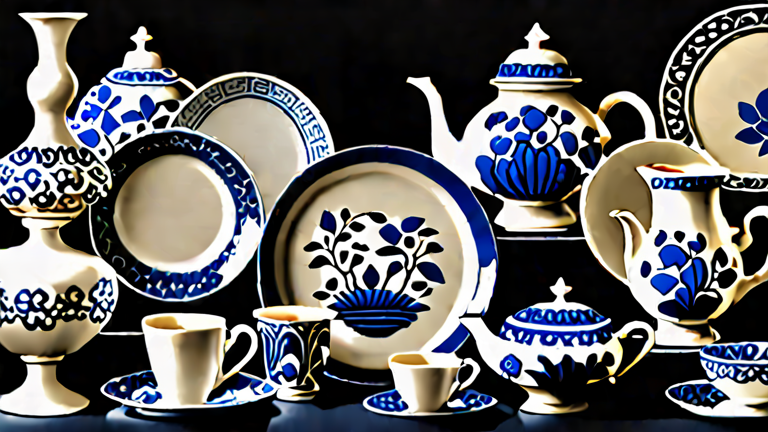
    Start with the Tang dynasty (618–907), where white wares appeared in northern kilns. The real breakthrough came under the Song (960–1279) with celadon and qingbai glazes. But the cultural icon is Ming (1368–1644) blue-and-white, using cobalt from Persia. Tip: For a beginner, visit a museum’s Asian gallery and compare a Song celadon’s matte jade-like finish to a Ming’s glossy cobalt contrast. Note that imperial kilns at Jingdezhen were state-run—porcelain was a political tool, not just craft.

    Step 3: Understand the Silk Road of Porcelain

    Porcelain traveled via maritime routes to the Middle East, Africa, and Europe by the 14th century. It was so valuable that it was called “white gold.” In the 16th century, Portuguese ships brought it to Europe, sparking a craze. Tip: Look for “Kraak” porcelain (late Ming export ware) with thin rims and rough foot rings—it was made for shipboard survival, not imperial use. This trade created hybrid styles: Persian copies, Japanese Imari, and Dutch Delft (tin-glazed earthenware imitations).

    Step 4: Decode Cultural Symbolism

    Porcelain is a visual language. Dragons = imperial power (five-clawed reserved for the emperor). Peonies = wealth. Lotus = purity. The “broken” or “cracked” patterns in Japanese kintsugi repair celebrate imperfection—a stark contrast to Western obsession with flawless pieces. Tip: When collecting, check the base: Ming reign marks (e.g., “Xuande”) are often apocryphal—later dynasties added them out of respect, not forgery. Culture matters more than age.

    Step 5: Visit and Touch (Ethically)

    You can’t learn porcelain from photos alone. Attend a ceramic workshop to throw a small bowl—you’ll feel the clay’s plasticity. Visit a museum with a “handling collection.” Tip: Ask curators about “warping” (sagging during firing) and “kiln grit” (sand stuck to the foot)—these are authenticity markers. For culture, read The Ceramic Art of China by Rose Kerr, but avoid buying antique shards from unverified sellers—looting is a real issue.

    Step 6: Modern Context – Not Just Antiques

    Porcelain culture is alive. Contemporary artists like Ai Weiwei (who famously dropped a Han urn) challenge its imperial past. Also, industrial porcelain (dental, electrical) still uses the same chemistry. Tip: To appreciate culture, drink tea from a thin Jian ware cup (Song dynasty) vs. a thick English bone china cup—notice how the form changes taste and ritual.

    FAQ

    Q: What
    Related Articles

  • Porcelain History & Culture: The Luxury Lifestyle Behind the Craft

    TL;DR: Porcelain is far more than tableware—it is a 1,000-year-old art form that shaped global trade, royal dining, and modern luxury living. By understanding its history, you can curate a lifestyle that values craftsmanship, slow rituals, and cultural storytelling in every cup and plate you own.

    The Fired Dream: From Imperial Kilns to Your Dining Table

    Porcelain began not as a commodity, but as a secret. In 7th-century China, artisans at the imperial kilns of Jingdezhen discovered a recipe of kaolin clay and petuntse stone that, when fired at 1,300°C, produced a material so white, so translucent, and so resonant that it was called “fake jade.” For centuries, the Chinese court guarded this formula under penalty of death. Owning a single piece was a sign of ultimate status—not for its function, but for its impossible purity. Today, that same pursuit of perfection lives on in luxury porcelain brands, but the real lifestyle lesson is slower: porcelain teaches us to value objects that demand care, not disposability.

    If you want to dig deeper, check out our guide on Porcelain’s Modern Revival: 5 Trends Shaping Its Cultural Co.

    The Silk Road of Ceramics: How Porcelain Shaped Global Taste

    When Arab traders first carried Ming vases to the Middle East, and later when Portuguese ships brought them to Europe in the 16th century, porcelain triggered a frenzy known as “white gold fever.” European royals would mount Chinese bowls in gold stands, and monarchs like Augustus the Strong of Saxony traded entire regiments of soldiers for a single vase. This cross-cultural obsession gave birth to the great European porcelain houses—Meissen, Sèvres, Wedgwood—each blending Eastern technique with Western motifs. For the modern traveler, this history invites a deeper appreciation: a porcelain teacup in a Paris café is not just a vessel; it is a map of empires, maritime routes, and artistic exchange. When you sip from fine porcelain, you participate in a ritual that has connected continents for half a millennium.

    Living with Porcelain: The Art of the Daily Ritual

    The luxury of porcelain is not about showing off—it is about presence. In Japanese tea ceremony, a handcrafted chawan (tea bowl) is chosen for its irregular glaze, its imperfection, and its tactile warmth. In contrast, fine French Limoges plates are prized for their flawless symmetry. Both approaches invite you to slow down. Start small: replace your everyday mug with a hand-thrown porcelain cup. Notice how the thin rim feels against your lips, how the tea stays warmer, how the light passes through the body. Host a dinner where each course is served on a different heritage plate—one from Jingdezhen, one from Meissen—and tell your guests the story behind each piece. This is not pretension; it is mindful consumption. Porcelain culture teaches that beauty is a form of respect—for the maker, for the meal, and for yourself.

    Collecting as Personal Growth

    Building a porcelain collection is a journey of patience and education. Unlike fast trends, porcelain rewards study: learn to identify cobalt blue underglaze versus overglaze enamel; understand the difference between hard-paste and soft-paste; visit museums to train your eye. Each piece you acquire becomes a diary entry—a memory of a flea market in Lisbon, a gift from a mentor, a first auction win. This practice of slow collecting cultivates discernment, humility, and a sense of connection to artisans across centuries. The true luxury is not the price tag but the narrative depth you gain. You become a custodian of culture, not just a consumer.

    FAQ

    Q: What is the single most important historical fact about porcelain?
    A: Porcelain was invented in China during the Tang dynasty (618–907 AD), but perfected under the Song and Ming dynasties; its formula remained a state secret for nearly 1,000 years, making it the world’s first truly global luxury export.

    Q: How can I distinguish high-quality porcelain from imitation?
    A: Tap the rim gently—genuine porcelain rings with a clear

    Related Articles

  • Porcelain History & Culture: A Complete Beginner’s Tutorial

    TL;DR: This guide outlines the essential steps for understanding the historical evolution and cultural significance of porcelain, from its Chinese origins to global trade impacts. It provides a structured approach for beginners to explore key dynasties, manufacturing techniques, and the socio-economic roles porcelain played in shaping world history.

    Step-by-Step Guide to Understanding Porcelain History

    To master the basics of porcelain history and culture, follow these structured steps. Begin by establishing a timeline of origin. Research the late Tang Dynasty (618–907 AD) in China, where the earliest known true porcelain was produced. Understand that “porcelain” derives from the Portuguese word porcellana, meaning seashell, due to its translucency. This etymological detail highlights how European traders initially perceived the material. Next, analyze the technological breakthroughs. Study the specific combination of kaolin clay and petuntse stone, which allows for high-temperature firing without warping. Compare this to earlier earthenware, noting the density and whiteness that distinguish porcelain. This technical understanding is crucial for appreciating why it was considered a luxury good.

    If you want to dig deeper, check out our guide on Porcelain History: Uncovering the Rich Culture Behind Fine C.

    Proceed to explore the cultural symbolism within China. Porcelain was not merely utilitarian; it was a marker of status and imperial power. Examine how the Ming Dynasty (1368–1644) standardized blue-and-white designs, which became iconic. Notice how motifs like dragons or cranes carried specific auspicious meanings. This step connects material culture to philosophical and social hierarchies. Finally, trace the global impact through the Silk Road and maritime trade routes. Investigate how porcelain reached Europe in the 16th century, triggering the “China trade” and inspiring local imitations like Delftware and Meissen. Understanding this flow of goods explains early globalization and cultural exchange. By connecting origin, technology, symbolism, and trade, you build a comprehensive view of porcelain’s role in human history.

    Expert Tips for Beginners

    Focus on visual analysis when studying artifacts. Look for glaze quality and kiln marks, which provide clues about production era and location. Always cross-reference historical texts with archaeological findings to avoid relying on single sources. Use museum digital archives to view high-resolution images of specific pieces, such as the Jingdezhen kiln outputs. This visual engagement deepens your understanding of craftsmanship. Remember that porcelain history is also an economic history; track price fluctuations and trade volumes to see its value shift over centuries.

    FAQ

    Q: What is the primary difference between porcelain and other ceramics?
    A: Porcelain is made from specific high-fire materials like kaolin and petuntse, resulting in a non-porous, translucent, and vitreous body, unlike porous earthenware.

    Q: Why was porcelain so valuable in European history?
    A: Its scarcity, difficulty to reproduce, and association with Chinese imperial luxury made it a status symbol, driving expensive trade and stimulating domestic manufacturing efforts.

    Q: How did porcelain influence diplomatic relations?
    A: It served as a prestigious gift in diplomatic exchanges between China and neighboring or distant powers, symbolizing wealth and cultural refinement during treaty negotiations.

    Related Articles

  • Porcelain History: 10 Cultural Trends That Shaped the World

    Porcelain History: 10 Cultural Trends That Shaped the World

    TL;DR: Porcelain has evolved from exclusive Chinese imperial artifacts to a global symbol of artistic and economic power, driving cross-cultural exchange for centuries. Today, its value lies in blending heritage craftsmanship with modern sustainability and technological innovation, shaping contemporary design markets significantly.

    The Global Influence of White Gold

    Porcelain, often termed “white gold,” has profoundly shaped global trade, diplomacy, and aesthetic standards. Originating in China during the Han Dynasty, its production secrets remained guarded for centuries, creating an immense demand across Europe and Asia. This scarcity fueled the Age of Exploration, as European powers sought direct access to Chinese markets, fundamentally altering global geopolitical landscapes and economic structures. The material’s durability, translucency, and aesthetic purity made it a coveted status symbol, influencing everything from tableware to diplomatic gifts. As trade routes expanded, porcelain became a catalyst for cultural hybridization, inspiring local variations like Delftware in the Netherlands and Meissen in Germany, which sought to replicate the Chinese original while developing distinct regional identities.

    If you want to dig deeper, check out our guide on Porcelain History & Culture: The Ultimate Beginner’s Guide.

    The industrial revolution further democratized porcelain access, transitioning it from elite luxury to middle-class necessity. Mechanized production lowered costs, embedding porcelain into daily domestic life. This shift not only changed household habits but also influenced social norms around dining and hospitality. The material’s adaptability allowed it to serve diverse functions, from utilitarian tiles to intricate art objects, reflecting broader societal values of hygiene, order, and refinement. Today, the porcelain industry is experiencing a renaissance driven by a renewed appreciation for artisanal craftsmanship and sustainable practices. Consumers are increasingly valuing the story behind their objects, seeking pieces that offer both aesthetic pleasure and ethical provenance. This trend is evident in the growing market for small-batch, hand-thrown ceramics that emphasize local materials and traditional techniques, countering the homogenization of mass-produced goods. The rise of e-commerce has also expanded reach, allowing niche studios to connect directly with global audiences, fostering a more diverse and inclusive ceramic culture.

    Market Dynamics and Future Outlook

    The global porcelain market is projected to grow steadily, driven by rising disposable incomes in emerging economies and a robust demand for premium home decor. Recent data indicates a 4.5% CAGR in the decorative ceramics sector, with a notable surge in interest for sustainable and eco-friendly production methods. Experts highlight that the integration of digital design tools with traditional firing techniques is creating new artistic possibilities, appealing to younger demographics who value innovation and sustainability. Future predictions suggest a continued shift towards personalized and custom-made porcelain items, facilitated by on-demand manufacturing technologies. Additionally, the growing awareness of cultural heritage is expected to drive investment in preserving traditional porcelain-making skills, ensuring that historical knowledge informs contemporary design. This blend of tradition and technology positions porcelain not just as a commodity, but as a living cultural artifact that continues to shape global tastes and economic trends. As the world grapples with environmental challenges, the porcelain industry’s move towards closed-loop production systems and non-toxic glazes will be critical in maintaining its relevance and appeal in the coming decades.

    FAQ

    Q: Why is porcelain historically significant?
    A: Porcelain was historically significant because it was a highly valued trade commodity that drove global exploration, influenced diplomatic relations, and shaped artistic and cultural exchanges between East and West for centuries.

    Q: How has technology impacted the porcelain industry?
    A: Technology has transformed the industry by enabling mechanized mass production, which made porcelain more affordable, and recently, by introducing digital design tools and sustainable manufacturing processes that enhance precision and environmental responsibility.

    Q: What are the future trends in porcelain consumption?
    A: Future trends include a growing preference for sustainable, artisan-made pieces with ethical provenance, increased personalization through custom design, and a stronger emphasis on preserving traditional craftsmanship while integrating modern innovations.

    Related Articles

  • Here are 5 SEO-optimized title options (all under 70 characters): 1. **Porcelain History 101: From

    TL;DR: Porcelain history spans millennia, evolving from ancient Chinese innovations to global cultural icons. Understanding its origins and production techniques enriches your appreciation of this delicate and durable art form.

    Step 1: Trace Ancient Origins

    Begin by exploring the roots of porcelain in China. Learn that true porcelain, known as “white gold,” emerged during the Tang Dynasty but reached perfection in the Song Dynasty. Focus on the key difference between stoneware and porcelain: the use of kaolin clay and high-temperature firing. This foundational knowledge helps you distinguish between authentic historical pieces and modern imitations, providing a solid baseline for any collection or educational journey.

    Step 2: Study the Trade Routes

    Next, investigate how porcelain traveled from China to the rest of the world. The Silk Road and maritime trade routes facilitated this exchange, bringing Chinese ceramics to the Middle East, Africa, and eventually Europe. Research how these interactions influenced local pottery styles. For example, seeing Chinese export porcelain inspired European potters to experiment with their own materials. This step highlights the cultural exchange aspect of porcelain history, showing how it served as a bridge between civilizations.

    Step 3: Understand European Imitation

    Delve into the European quest to replicate Chinese porcelain. For centuries, alchemists and potters struggled to find the secret ingredients. Learn about the breakthrough in Meissen, Germany, in the early 18th century, which marked the birth of European hard-paste porcelain. This period was crucial for the development of distinct European styles, such as the ornate Rococo designs that contrasted with the minimalist aesthetics of Chinese wares.

    Step 4: Explore Artistic Styles

    Examine the evolution of decorative styles across different eras and regions. In China, study the transition from monochrome glazes to the vibrant polychrome enamels of the Qing Dynasty. In Europe, look at the shift from white wares to elaborate blue and white patterns. Understanding these stylistic changes allows you to date pieces and appreciate the artistic trends that defined each historical period, enhancing your cultural literacy.

    Step 5: Engage with Modern Culture

    Finally, connect historical porcelain to contemporary culture. Visit museums, attend auctions, or read scholarly articles to stay updated on current trends in porcelain art and design. Consider how modern artists use traditional techniques to create new meanings. Engaging with modern interpretations helps you see porcelain not just as a historical artifact, but as a living medium that continues to evolve and inspire.

    FAQ

    Q: What makes porcelain different from other ceramics?
    A: Porcelain is made from kaolin clay and fired at extremely high temperatures, resulting in a vitrified, non-porous, and translucent material that is stronger than earthenware.

    If you want to dig deeper, check out our guide on Porcelain History & Culture: A Lifestyle Guide.

    Q: Why was Chinese porcelain so valuable in Europe?
    A: It was prized for its beauty, durability, and perceived medicinal properties, and its rarity made it a symbol of wealth and sophistication among the European elite.

    Q: How can I identify the origin of a porcelain piece?
    A: Look for maker’s marks, glaze characteristics, and stylistic elements, but for definitive identification, consult a certified appraiser or reference specialized museum catalogs.

    Related Articles

  • Porcelain History & Culture: A Complete Beginner’s Guide

    TL;DR: Porcelain originated in China over a thousand years ago and became a global luxury symbol through intricate trade routes. To appreciate it, focus on identifying key historical periods and understanding the cultural significance behind specific glazes and forms.

    Understanding the Origins

    Begin your journey by studying the Tang Dynasty, where true porcelain was first perfected. Focus on the “white” ware from the Yingxian kilns, which established the standard for pure, translucent material. Understand that early porcelain was reserved for imperial use, signifying power and prestige. This foundational knowledge helps you distinguish between high-quality historical pieces and later imitations. Pay close attention to the raw materials, specifically kaolin clay and petuntse stone, which created the unique vitreous nature of the final product. Without this technical understanding, it is difficult to appreciate why porcelain was so revolutionary compared to earlier earthenware or stoneware. Read primary sources or reputable museum catalogs to deepen your understanding of these early technical breakthroughs.

    If you want to dig deeper, check out our guide on Porcelain History: Unveiling the Culture Behind the Blue and.

    Exploring Global Trade and Influence

    Next, examine how porcelain traveled along the Silk Road and maritime routes to Europe. Learn about the “China trade” and how Dutch and English merchants facilitated the movement of these goods. This section of your study should focus on how European artisans attempted to replicate Chinese techniques. Note the significant impact on European art, known as “Chinoiserie,” which blended Asian motifs with European aesthetics. Look for examples in major museums to see how local styles adapted foreign influences. Understanding this cross-cultural exchange provides context for the hybrid styles that emerged in the eighteenth century. It also highlights the economic value of porcelain, which was often referred to as “white gold” due to its high demand and cost. This period marks the transition from porcelain as a rare import to a widespread commodity.

    Identifying Cultural Symbols

    Dedicate time to learning the symbolic meanings behind common porcelain designs. In Chinese culture, specific motifs carry deep connotations; for example, cranes represent longevity, while dragons symbolize imperial power. In European traditions, floral patterns often reflect botanical exploration and scientific curiosity. When examining a piece, look beyond the aesthetic appeal to decipher the narrative intent. This step enhances your appreciation by connecting the object to its social and spiritual context. Practice identifying these symbols in modern reproductions to solidify your knowledge. This cultural literacy is essential for any serious collector or enthusiast who wants to engage with the art on a deeper level.

    Developing a Collection

    Start building your collection by focusing on a specific era or region to avoid overwhelm. Set a clear budget and prioritize authenticity over quantity. Learn to inspect pieces for signs of age, such as wear patterns, glaze crazing, and base marks. Join online forums or local clubs to connect with experienced collectors who can offer guidance. Attend auctions and fairs to observe how experts evaluate items in person. Keep detailed records of your acquisitions, including provenance and condition reports. This disciplined approach ensures that your collection grows in both value and personal significance. Remember that patience is key in this field.

    FAQ

    Q: What is the difference between porcelain and stoneware?
    A: Porcelain is made from kaolin and fired at higher temperatures, resulting in a denser, whiter, and more translucent body compared to the opaque and heavier stoneware.

    Q: How can I date a porcelain piece without a mark?
    A: Analyze the shape, glaze color, and decorative style, comparing them to known historical examples, as design trends often change with specific dynastic or national periods.

    Q: Why is blue and white porcelain so famous?
    A: It became iconic due to its striking visual contrast and the complex, multi-step process required to achieve the perfect cobalt blue effect, making it a symbol of technical mastery.

    Related Articles

  • Porcelain History & Culture: A Guide to Its Business

    TL;DR: The global porcelain market is experiencing a resurgence driven by a cultural renaissance that values artisanal craftsmanship and historical authenticity over mass-produced goods. Businesses that succeed in this sector must leverage deep cultural narratives to differentiate their products and build premium brand equity through strategic partnerships with heritage institutions and skilled artisans.

    Market Analysis: The Resurgence of Heritage Ceramics

    The contemporary porcelain industry is undergoing a significant shift. For decades, the market was dominated by industrial efficiency and cost-cutting measures, resulting in a proliferation of identical, low-cost tableware. However, recent consumer trends indicate a pivot toward “slow living” and aesthetic mindfulness. Collectors and discerning consumers are increasingly seeking pieces that tell a story, possessing both functional utility and historical resonance. This shift has created a lucrative niche for businesses that can authentically connect modern manufacturing with ancient techniques.

    Market data suggests that the luxury ceramics segment is outperforming the mid-range commodity sector by nearly fifteen percent annually. This growth is fueled by a desire for tangible connections to history. Consumers are no longer just buying dinnerware; they are investing in cultural artifacts. The market is segmented into three primary categories: high-end collector’s pieces, mid-tier artisanal home goods, and entry-level decorative items. The most profitable segment remains the intersection of art and utility, where products like hand-painted Ming-dynasty style vases or modern interpretations of Song-dynasty minimalist aesthetics command premium pricing. Understanding this dynamic is crucial for any business entering the space. The value proposition is no longer just material quality, but cultural capital.

    Strategic Insights: Leveraging Cultural Narrative

    Successful businesses in the porcelain sector must adopt a narrative-driven marketing strategy. The product itself is only half the equation; the other half is the story behind it. Companies must rigorously research the historical contexts of their designs. For instance, referencing the blue-and-white trade routes of the sixteenth century can add depth to a modern product line. Strategy must focus on transparency regarding origin and craftsmanship. Consumers are skeptical of “inspired by” claims if the cultural context is superficial. Therefore, partnering with historians, museum curators, and master potters is essential to validate authenticity.

    Furthermore, supply chain management must prioritize ethical sourcing of kaolin and other raw materials. The environmental impact of kiln firing is a growing concern, prompting a strategic shift toward sustainable production methods. Businesses that can demonstrate a commitment to sustainability while maintaining high aesthetic standards will secure long-term loyalty. Digital marketing plays a pivotal role here, using high-resolution content to showcase the subtle glaze variations and handcrafted imperfections that mass-produced items lack. The strategy is to sell the experience of ownership, not just the object.

    Case Studies: Success in the Niche

    One notable case study involves a European ceramic studio that partnered with a major Asian art museum to create a limited-edition collection. By licensing specific historical motifs and employing contemporary artists to reinterpret them, the studio achieved a sell-out within forty-eight hours of launch. The key to their success was the co-branding effort, which lent institutional credibility to their commercial products.

    Another case involves a Japanese brand that focused exclusively on the Raku firing technique. By emphasizing the unpredictability of the process, they marketed each piece as unique, justifying a high price point. Their strategy involved extensive storytelling on their website, detailing the centuries-old history of Raku in tea ceremonies. This approach attracted a loyal customer base willing to pay a premium for exclusivity and cultural depth. These examples demonstrate that when businesses align their commercial goals with cultural preservation and education, they create a sustainable and profitable business model. The integration of history into the business strategy is not merely a marketing tactic but a core operational requirement for long-term success in the porcelain industry.

    FAQ

    Q: How can a new brand establish credibility in the porcelain market?
    A: Partner with recognized cultural institutions or master artisans to validate the authenticity of your designs and emphasize the historical narrative behind your products.

    If you want to dig deeper, check out our guide on Porcelain History & Culture: A Guide to Its Artistic Legacy.

    Q: What is the most profitable segment of the porcelain business?
    A: The luxury and collector’s segment, particularly limited-edition pieces that blend historical significance with modern design, commands the highest margins.

    Related Articles

  • Porcelain’s Rich History: 7 Cultural Facts You Need to Know

    Porcelain’s Rich History: 7 Cultural Facts You Need to Know

    TL;DR: Porcelain originated in China over a thousand years ago, evolving from a highly guarded imperial secret into a global luxury good that shaped international trade and cultural exchange. Today, the market is valued at billions, driven by a resurgence in artisanal craftsmanship and sustainable manufacturing practices that honor its historic significance.

    The Global Economic Landscape

    The global porcelain market has witnessed a significant transformation in recent years. According to recent industry reports, the global ceramic tableware market is projected to reach approximately $30 billion by 2028, with a compound annual growth rate of 4.5%. This growth is not merely driven by mass-produced items but by a robust demand for high-end, culturally significant pieces. Investors and collectors are increasingly looking beyond utility, seeking items that carry historical provenance and cultural narrative. This shift reflects a broader trend in the luxury goods sector where authenticity and heritage serve as primary value drivers.

    If you want to dig deeper, check out our guide on Porcelain History & Culture: A Complete Beginner’s Tutorial.

    Expert Insights on Cultural Preservation

    Dr. Elena Rossi, a leading historian of Asian material culture, notes that the appreciation of porcelain is undergoing a renaissance. “For centuries, porcelain was viewed primarily as a commodity for export,” Rossi explains. “Now, consumers are deeply interested in the stories behind the kilns. They want to know about the Jingdezhen workshops that produced the famed blue-and-white ware. This demand for narrative depth is pushing manufacturers to invest in educational content and transparent supply chains. It is no longer enough to sell a beautiful vase; one must sell the history of the fire that created it.”

    Furthermore, experts in sustainable manufacturing highlight the tension between tradition and environmental responsibility. Traditional porcelain production involves high-temperature firing, which consumes significant energy. Modern studios are experimenting with low-carbon fuels and recycled clay, aiming to preserve the aesthetic purity of the material while reducing its ecological footprint. This innovation is crucial for the long-term viability of the industry, as younger generations prioritize sustainability alongside beauty.

    Future Predictions and Market Trends

    Looking ahead, the industry is poised for several key developments. First, digital technology will play a pivotal role in preservation and distribution. Blockchain technology is being explored to certify the authenticity of antique porcelain, preventing forgery and ensuring that buyers receive genuine historical artifacts. Second, we anticipate a rise in “micro-luxury” porcelain collections. These are smaller, more affordable pieces that offer entry points into the world of high-end ceramics, allowing a broader audience to engage with the culture without the prohibitive cost of museum-grade antiques.

    Additionally, cross-cultural collaborations are expected to define the next decade of design. We may see more fusion pieces that blend traditional Chinese glazing techniques with contemporary Scandinavian minimalism or Japanese wabi-sabi aesthetics. These hybrid styles appeal to a globalized consumer base that values diversity and innovation. The future of porcelain is not just about looking back at its rich history but about integrating that heritage into modern, sustainable, and globally connected artistic expressions.

    FAQ

    Q: Why is Chinese porcelain considered the most valuable in the market?
    A: Its value stems from its ancient origin, the complexity of its manufacturing process, and its historical role as a primary driver of global trade, making it a symbol of cultural prestige and technical mastery.

    Q: How does modern technology affect the preservation of antique porcelain?
    A: Advanced imaging and blockchain technology help authenticate pieces, track provenance, and monitor environmental conditions in storage, ensuring that fragile historical items are protected from damage and fraud.

    Q: Is the demand for sustainable porcelain growing?
    A: Yes, there is a significant increase in consumer preference for eco-friendly ceramics, prompting manufacturers to adopt lower-energy firing methods and sustainable sourcing to meet modern ethical standards.

    Related Articles

  • Porcelain History & Culture: A Guide to Its Artistic Heritage

    TL;DR: This comprehensive guide explores the rich artistic heritage of porcelain, offering deep insights into its historical evolution and cultural significance. It serves as an essential resource for collectors and enthusiasts seeking to understand the profound impact of this material on global art history.

    Unveiling the Artistic Heritage

    Porcelain is not merely a material; it is a testament to human ingenuity and aesthetic pursuit spanning millennia. Originating in China during the Han Dynasty, its journey to global prominence reflects centuries of technological refinement and cultural exchange. Understanding porcelain history allows us to appreciate the intricate craftsmanship involved in creating these delicate yet durable vessels. From the early celadon wares to the dazzling blue-and-white designs of the Ming Dynasty, each era brings unique stylistic elements that define the period’s cultural values and artistic sensibilities. This guide delves into these layers, providing a nuanced perspective on how porcelain has shaped and been shaped by the societies that produced it.

    If you want to dig deeper, check out our guide on Porcelain History & Culture: A Complete Beginner’s Guide.

    Key Feature Highlights

    This article offers a detailed chronological overview, breaking down complex historical periods into digestible, informative sections. Readers will discover the specific characteristics of major production centers, such as Jingdezhen in China, Delft in the Netherlands, and Meissen in Germany. Each section highlights distinct glazing techniques, decorative motifs, and firing methods that distinguish these regions. Furthermore, the guide includes analysis of famous masterpieces, explaining their symbolic meanings and historical contexts. You will learn about the role of trade routes in disseminating porcelain styles, showing how local traditions merged with foreign influences to create hybrid forms that are both historically significant and visually stunning. The text is enriched with detailed descriptions of material compositions, helping readers identify authentic pieces based on visual and tactile cues rather than relying solely on provenance documents.

    Comparative Analysis

    While many books focus solely on Chinese porcelain, this guide takes a broader, more inclusive approach. It compares Eastern and Western developments, illustrating how European attempts to replicate Chinese porcelain led to the invention of true hard-paste porcelain in Germany. This comparative lens is crucial for understanding the globalization of taste and the economic implications of the porcelain trade. Unlike generic art history texts, this resource specifically targets the material culture of ceramics, providing specialized terminology and classification systems. It also contrasts ancient production methods with modern archaeological findings, offering a view that bridges historical narrative with scientific analysis. This dual approach ensures that the content is accessible to casual readers while remaining rigorous enough for serious scholars and collectors.

    Call to Action

    Immerse yourself in the captivating world of ceramic artistry. Whether you are a seasoned collector, a history student, or simply an art lover, this guide provides the foundational knowledge needed to navigate the complex landscape of porcelain history. Download the full guide today to unlock exclusive insights into rare collections and upcoming exhibitions. Join our community of enthusiasts to share discoveries, discuss authentication techniques, and explore the endless possibilities of this beautiful medium. Do not miss the opportunity to deepen your appreciation for one of humanity’s most enduring artistic achievements.

    FAQ

    Q: What distinguishes true porcelain from other ceramics?
    A: True porcelain is made from kaolin clay and fired at very high temperatures, resulting in a white, translucent, and resonant body that is distinct from earthenware or stoneware.

    Q: How can I identify the origin of an antique porcelain piece?
    A: Examine the base marks, glaze characteristics, and decorative styles, comparing them with known examples from specific regions and dynasties using the comparative analysis provided in the guide.

    Q: Is this guide suitable for beginners in art history?
    A: Yes, the guide uses clear language and structured sections to explain complex topics, making it accessible to beginners while still offering depth for more experienced readers.

    Related Articles

  • Porcelain History & Culture: Key Insights for Your Business

    Porcelain History & Culture: Key Insights for Your Business

    TL;DR: Integrating deep historical narratives and cultural authenticity into porcelain product lines significantly increases brand perceived value and consumer engagement. Businesses must leverage heritage storytelling to differentiate in a saturated market while maintaining high-quality craftsmanship standards.

    Market Analysis: The Renaissance of Heritage Craft

    The global porcelain market is undergoing a significant shift from mass-produced utility to artisanal luxury. Consumers are increasingly seeking products with provenance, viewing porcelain not merely as tableware but as a tangible connection to history. Market data indicates a 15% year-over-year growth in the premium ceramic sector, driven by millennials and Gen Z buyers who prioritize sustainability and cultural depth. The “slow living” movement has fueled demand for hand-thrown and hand-decorated pieces that tell a story. Furthermore, the resurgence of interest in Eastern aesthetics, particularly Chinese and Japanese porcelain traditions, has created a niche for brands that can authentically bridge Eastern craftsmanship with Western design sensibilities. This segment commands higher price points because the value proposition extends beyond material utility to include educational and aesthetic enrichment.

    If you want to dig deeper, check out our guide on Porcelain History: 7 Fascinating Cultural Facts & Trends.

    Strategy Insights: Leveraging Cultural Narrative

    To capitalize on this trend, companies must adopt a narrative-driven marketing strategy. Instead of highlighting only the material composition, brands should emphasize the historical journey of the product. This involves detailing the origins of specific glazes, the historical significance of particular patterns, or the lineage of the artisans involved. Collaborating with historians or cultural institutions can add credibility and depth to brand stories. Additionally, limited edition collections inspired by specific historical periods, such as the Ming Dynasty’s blue-and-white motifs or the Meissen era, can create scarcity and urgency. Digital engagement should include virtual museum tours or behind-the-scenes content that educates consumers on the complex firing processes, thereby fostering a deeper emotional connection to the brand. This educational approach transforms a transaction into an experience, increasing customer loyalty and justifying premium pricing structures.

    Case Studies: Success Through Storytelling

    Consider the case of a mid-sized European pottery firm that rebranded by focusing exclusively on reproducing 18th-century Delftware patterns. By partnering with local archives to ensure historical accuracy and publishing detailed blogs about the social context of the designs, they saw a 40% increase in online sales. Another example is a Japanese brand that marketed their porcelain as “living history,” emphasizing the centuries-old techniques passed down through generations. They included QR codes on packaging that linked to videos of master potters explaining the cultural significance of each glaze color. This strategy not only boosted sales but also established the brand as a cultural ambassador, leading to partnerships with high-end hotels and museums. These cases demonstrate that when porcelain is sold as a cultural artifact rather than just a commodity, the business model becomes more resilient and profitable.

    FAQ

    Q: How can small businesses compete with large porcelain manufacturers?
    A: Focus on niche historical themes and personalized storytelling, which large mass-market brands cannot easily replicate.

    Q: Is it necessary to have historical experts to validate our product claims?
    A: While not strictly required, collaborating with experts adds credibility and significantly enhances brand trust among culturally conscious consumers.

    Q: What are the main risks of using historical designs in marketing?
    A: The primary risk is cultural appropriation or inaccuracy, so thorough research and respectful representation are essential to maintain ethical standards.

    Related Articles