TL;DR: This comprehensive guide explores the millennia-old legacy of Chinese porcelain, detailing its evolution from humble earth to the revered “White Gold.” It provides essential cultural context for collectors, historians, and enthusiasts eager to understand the profound significance behind each piece.
Unearthing the White Gold
China’s porcelain history is not merely a timeline of manufacturing techniques; it is a narrative of cultural exchange, artistic innovation, and diplomatic power. Often referred to as “White Gold,” porcelain has served as a tangible link between East and West for over a thousand years. Understanding this history allows us to appreciate the objects we hold not just as decorative items, but as vessels of history. From the simple, unglazed wares of the Han Dynasty to the intricate blue-and-white masterpieces of the Ming Dynasty, the journey is one of relentless refinement. This guide aims to demystify the complex layers of production, symbolism, and trade that define China’s porcelain culture.
If you want to dig deeper, check out our guide on Porcelain History: Ancient Origins & Modern Health Benefits.
Feature Highlights of Historical Significance
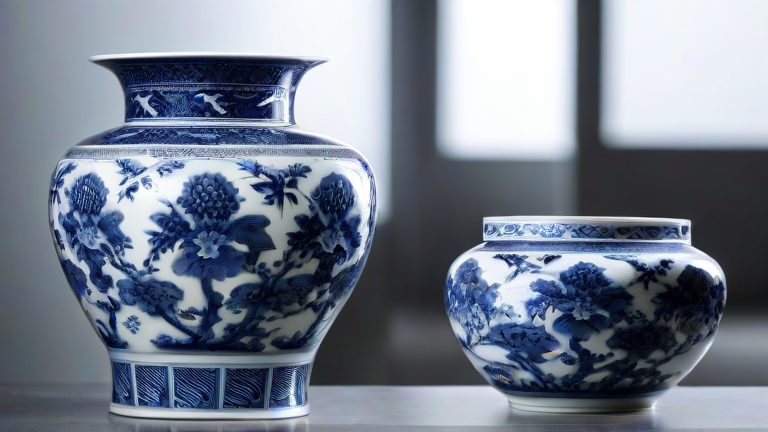
To truly engage with porcelain history, one must recognize the key features that define different eras. The first major highlight is the development of true porcelain, which occurred during the Northern Song Dynasty. This innovation allowed for a body that was white, translucent, and resonant when struck, setting it apart from earlier earthenware. The second highlight is the introduction of cobalt blue underglaze decoration. Originating from the Middle East, this pigment was mastered by Chinese artisans, creating the iconic blue-and-white style that became the world’s first global design trend. Finally, the third highlight is the role of porcelain in the “Porcelain Road.” Unlike the Silk Road, which dealt in textiles and spices, the Porcelain Road was defined by the massive export of ceramics, fundamentally altering global trade patterns and domestic aesthetics from Kyoto to London.
Comparing Dynastic Styles and Cultural Impact
Comparing different dynastic periods reveals the shifting cultural priorities of the Chinese empire. Tang Dynasty wares, often called “Xing White” and “Yue Green,” reflect an era of cosmopolitan openness and spiritual refinement. In contrast, Ming Dynasty porcelain, particularly from the Jingdezhen kilns, showcases imperial authority and strict standardization. The Qianlong Emperor’s reign during the Qing Dynasty pushed technical boundaries to the extreme, resulting in polychrome enamels that were almost jeweled in their complexity. When comparing these eras, it becomes clear that porcelain was never just a utilitarian object. It was a tool for displaying status, a medium for artistic expression, and a diplomatic gift. While Tang wares speak of harmony with nature, Qing wares often display an overwhelming abundance of color and pattern, reflecting the peak of imperial confidence and the complexities of late imperial society. Understanding these differences helps collectors identify authentic pieces and appreciate the specific cultural moment each vessel represents.
Why This Guide Matters for Modern Collectors
In today’s market, the distinction between a mass-produced reproduction and a historically significant piece can be vast in both price and value. A deep understanding of porcelain history equips collectors with the vocabulary and knowledge needed to navigate this landscape. It transforms the act of collecting from a simple pursuit of aesthetics into a scholarly engagement with material culture. By studying the kiln marks, glaze qualities, and thematic motifs, enthusiasts can decode the stories embedded in the clay. This guide serves as a foundational text for those who wish to move beyond surface-level appreciation and delve into the rich tapestry of Chinese ceramic heritage. It is essential for anyone looking to build a meaningful collection or to simply deepen their respect for this ancient art form.
Call to Action
Ready to deepen your understanding of China’s White Gold? Explore our curated library of high-resolution historical images and expert interviews with leading ceramic historians. Subscribe to our monthly newsletter to receive exclusive insights on recent archaeological discoveries and market trends. Join a community of dedicated scholars and collectors who are passionate about preserving and celebrating the legacy of Chinese porcelain. Your journey into the world of porcelain history starts now. Take the first step by downloading our free “Dynastic Timeline” cheat sheet, a perfect companion for museum visits and auction house browsing. Do not miss the opportunity