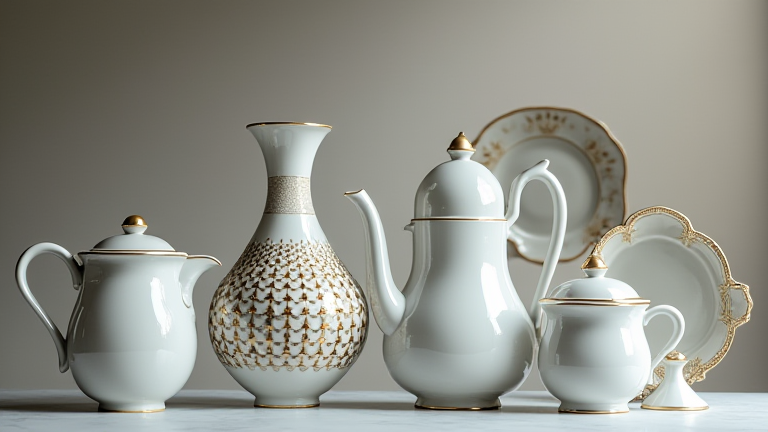
TL;DR: China’s porcelain, often called “white gold,” revolutionized global trade and art because of its unique combination of hardness, translucency, and pure white body. Its history spans over 1,000 years, from secret imperial kilns to mass-produced export ware, shaping economies and aesthetics worldwide.
1. Porcelain Was Not Invented—It Was Perfected Over Centuries
Unlike pottery, true porcelain requires kaolin clay fired at temperatures above 1,280°C (2,336°F), a process that emerged gradually during the Han Dynasty (206 BC–220 AD) and matured under the Tang (618–907). The breakthrough came in Jingdezhen, Jiangxi province, where abundant kaolin and petuntse (feldspathic rock) allowed potters to create a vitrified, non-porous body that rang like a bell. By the Song Dynasty (960–1279), imperial kilns produced celadon and white wares that were so refined, they were reserved for the emperor’s court—anyone else caught owning them faced severe punishment.
If you want to dig deeper, check out our guide on Porcelain History: Unlocking the Culture Behind Fine China.
2. The Secret of “White Gold” Was a State Secret
For centuries, Chinese porcelain’s recipe was guarded as fiercely as a military code. Foreign traders could buy finished pieces but never the raw materials or kiln techniques. The Portuguese, Dutch, and later British tried for over 300 years to reverse-engineer the process. It wasn’t until 1708 that Johann Friedrich Böttger, a German alchemist, cracked the formula in Meissen, producing Europe’s first true hard-paste porcelain. Even then, Chinese pieces remained superior in whiteness and thinness—a technological gap that persisted until the 19th century.
3. Porcelain Changed Global Economies, Not Just Tables
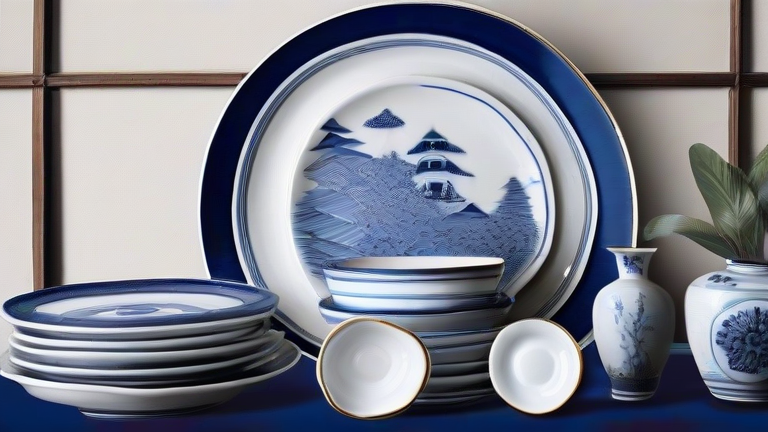
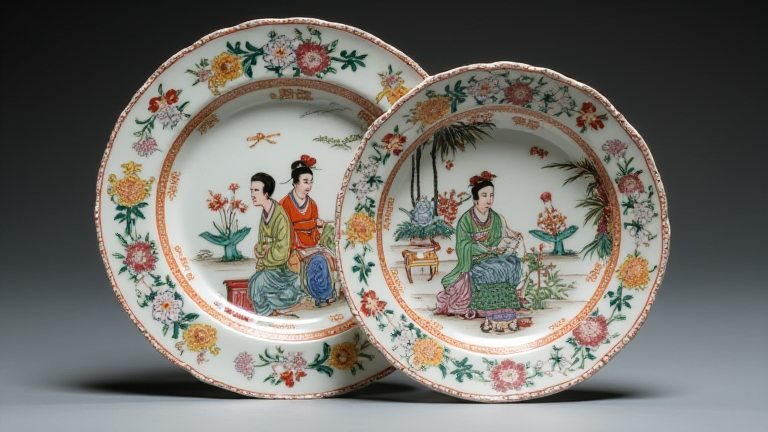
By the Ming Dynasty (1368–1644), blue-and-white porcelain—painted with cobalt from Persia and fired under a clear glaze—became the world’s most traded luxury good. A single Ming vase could buy a European merchant’s ship. This “white gold” drained silver from Spain and Mexico into China, creating the first truly global trade imbalance. The demand was so insatiable that Chinese kilns began producing “export ware” with Western motifs (coats of arms, biblical scenes) specifically for European markets, a practice that still defines high-end porcelain brands today.
4. The Cultural “Porcelain War” Shaped Modern Collecting
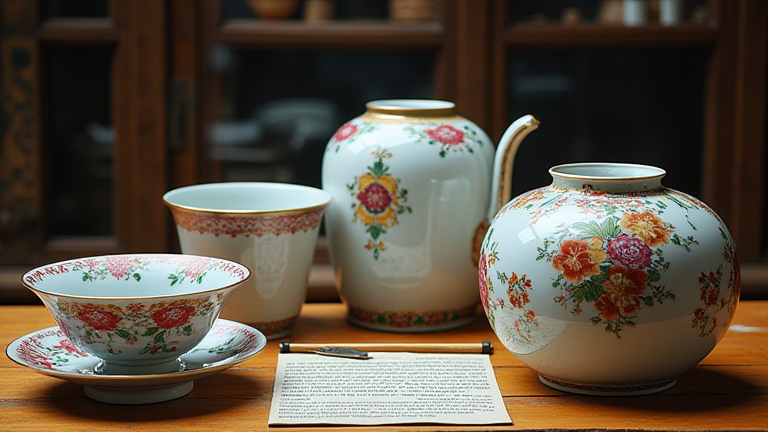
Comparing Chinese porcelain to its European imitations reveals stark differences. Chinese pieces are typically thinner, more translucent, and have a smoother, glassier surface due to higher firing temperatures. European porcelain, like Meissen or Sèvres, often features heavier bodies and more colorful overglaze enamels, reflecting a Baroque taste for ornamentation. For collectors, this means Chinese antique porcelain commands 10–100x higher prices at auction—a Qing dynasty vase sold for $84 million in 2010—while 19th-century European “china” remains accessible for beginners.
5. Porcelain’s Legacy Is Alive in Modern Ceramic Art
Today’s porcelain culture isn’t just about dusty museum pieces. Contemporary Chinese artists like Ai Weiwei and international studios are reinterpreting ancient techniques—using 3D printing with kaolin clay, or reviving forgotten glaze recipes from the Song Dynasty. Meanwhile, everyday consumers can own authentic “white gold” through modern Jingdezhen studios that still fire by wood, or via museum-licensed replicas. Whether you’re a collector, a home chef, or a history buff, porcelain connects you to a thousand-year conversation between East and West.
Call to action: Ready to start your own porcelain collection? Browse our curated selection of museum-quality reproductions and contemporary studio pieces—each with a documented provenance and a story that echoes the kilns of Jingdezhen. Click here to explore.
FAQ
Q: How can I tell if a porcelain piece is genuinely antique Chinese?
A: Look for three signs: