TL;DR: Porcelain’s non-porous, glazed surface resists bacteria, moisture, and chemical absorption, making it historically superior to wood, pewter, or earthenware for food and medical use. By enabling sterilization and hygiene practices in kitchens, apothecaries, and bathrooms, porcelain directly reduced infection rates and laid the groundwork for modern sanitary ceramics.
The Birth of a Hygienic Revolution
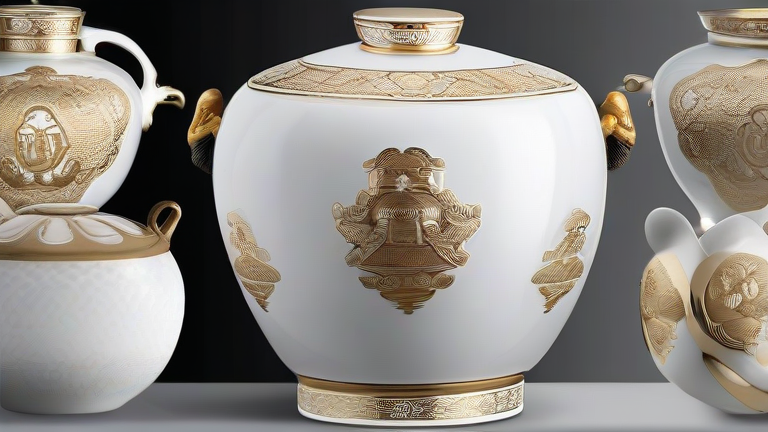
In 9th-century China, potters discovered that firing kaolin clay at extreme temperatures (above 1,200°C) produced a vitrified, glass-like material—porcelain. Unlike earlier earthenware, which remained slightly porous and could harbor pathogens in microscopic cracks, porcelain’s dense surface offered no refuge for microbes. This property became a literal lifesaver during the Song Dynasty, where porcelain vessels replaced wooden and bronze containers for storing medicines, teas, and fermented foods. Archaeological studies of Tang and Song sites show significantly lower mycotoxin contamination in porcelain jars compared to their organic counterparts.
If you want to dig deeper, check out our guide on Porcelain History: A Cultural Journey Through Time & Style.
From Apothecary Jars to the First Sinks
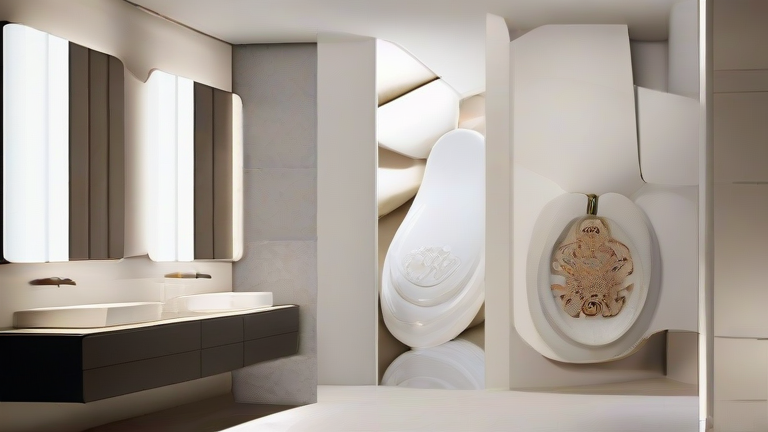
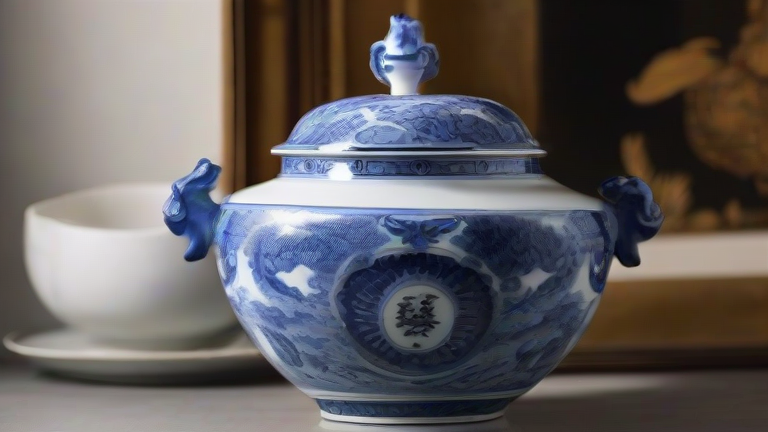
By the 16th century, European apothecaries imported Chinese porcelain jars (often decorated with cobalt blue) to store herbs, tinctures, and ointments. The reason was pragmatic: porcelain’s glaze could be wiped clean with vinegar or alcohol without degrading, unlike lead-glazed earthenware that leached toxins. This “pharmaceutical porcelain” became the gold standard for compounding medicines, directly reducing heavy metal poisoning and cross-contamination between remedies. Fast-forward to 1880s England, and Thomas Twyford unveiled the first one-piece, glazed-porcelain flush toilet—“Unitas.” Its seamless, non-absorbent surface meant no crevices for urine scale or bacteria, slashing typhoid and cholera transmission in urban homes. The same ceramic logic birthed hospital sinks, bedpans, and dental trays.
Science-Backed Benefits for Modern Life
Modern microbiology confirms what ancient healers intuited: Candida albicans and E. coli survive on stainless steel for up to 72 hours, but on glazed porcelain they die within 24 hours due to surface dryness and lack of biofilm adhesion. For your home, this means three actionable tips. First, swap plastic cutting boards for a small porcelain tile or plate as a serving surface for raw meat—it’s non-reactive and dishwasher-safe. Second, use porcelain or ceramic mugs for hot acidic drinks (coffee, tea, lemon water); unlike metal or plastic, porcelain won’t leach bisphenols or metallic ions into your beverage. Third, choose porcelain-coated cookware for low-acid stews—its inert glaze prevents iron or nickel migration into food, a hidden trigger for gut inflammation.
Lifestyle Culture: The Ritual of Clean
Beyond utility, porcelain shaped hygiene culture through ritual. Japanese tea ceremonies (chanoyu) deliberately use unglazed rustic ceramics for whisking matcha, but the serving bowl is always glazed porcelain to prevent bacterial growth. Similarly, Turkish hamams installed porcelain basins (kurna) because their cool, smooth surface discouraged soap scum buildup—a practice now mirrored in modern spa design. To integrate this history, dedicate one porcelain bowl exclusively for your morning oatmeal or bone broth; its non-porous finish means you can rinse with boiling water without cracking, eliminating the need for harsh detergents. This “ceramic minimalism” reduces chemical exposure and honors a 1,000-year-old infection-control legacy.
FAQ
Q: Is porcelain truly antimicrobial, or just easier to clean?
A: It is both. The glazed, vitrified surface has no pores for bacteria to colonize, and its low surface energy prevents biofilm formation. However, it doesn’t actively kill microbes—it starves them by denying moisture and nutrients, so regular washing is still required.
Q: Can I use antique porcelain dishes safely for daily meals?
A: Yes, but only if the glaze is intact and free of crazing