TL;DR: Porcelain is a high-fired ceramic born in China around 600–900 CE, prized for its translucency, hardness, and white body. To understand its culture, trace its trade routes, royal factories, and the global imitation wars that shaped art and economics for a millennium.
Step 1: Know the Raw Materials and the “Kaolin” Secret
Porcelain is not pottery. It requires two clays: kaolin (white, plastic) and petuntse (feldspathic rock). When fired at 1,200–1,400°C, they vitrify into a glass-like, non-porous body. Beginner tip: if a piece rings like a bell when tapped and light passes through thin edges, it’s true porcelain. Learn this test first—it separates genuine pieces from earthenware or bone china (which adds bone ash, a later British invention).
If you want to dig deeper, check out our guide on Porcelain History & Culture: The Business Behind the Art.
Step 2: Timeline the Chinese Origins (Tang to Ming)
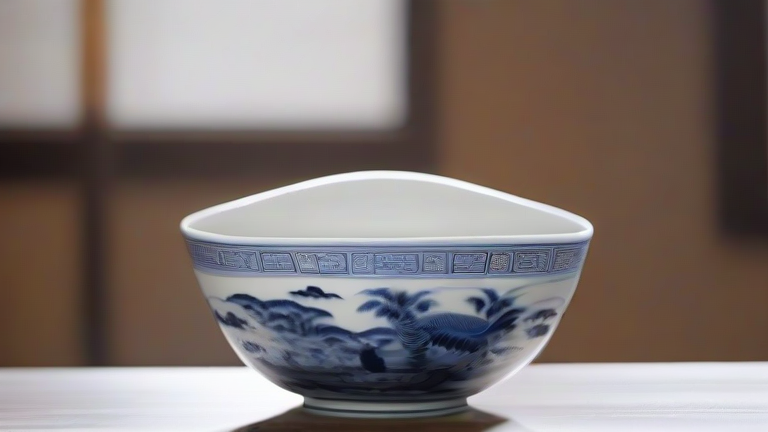
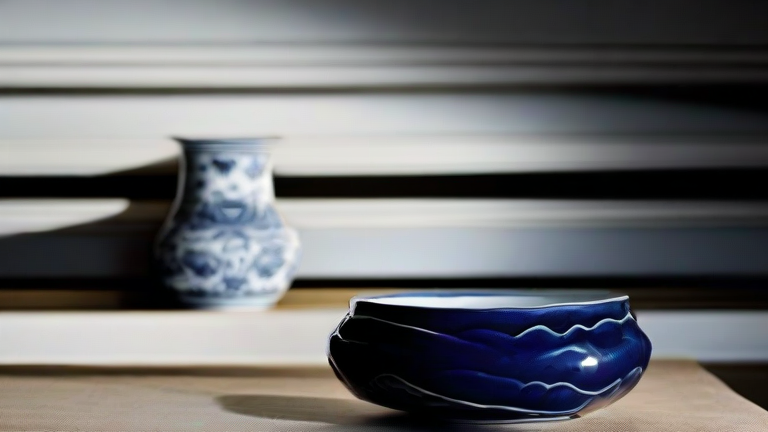
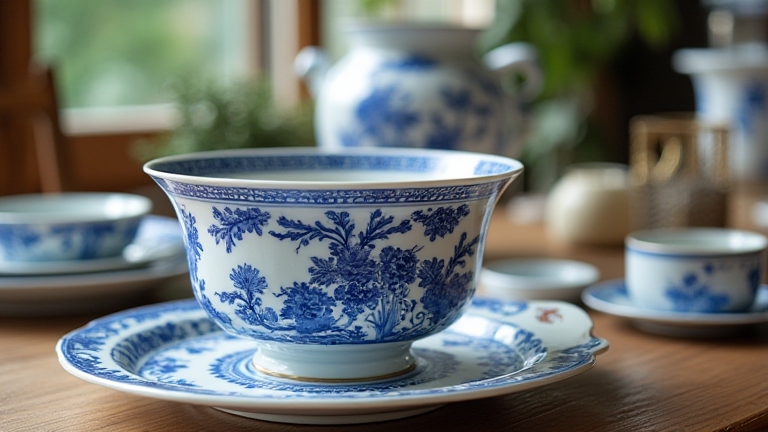
Start with the Tang dynasty (618–907) for early white wares, but focus on the Song (960–1279) for the first true porcelains like Ru, Guan, and Ding. Then jump to the Yuan (1271–1368) when blue-and-white underglaze using cobalt from Persia exploded. For Ming (1368–1644), study the Jingdezhen kilns—the “Porcelain Capital.” Tip: memorize the Ming emperor marks (e.g., Xuande, Jiajing) as a beginner’s cheat sheet for dating.
Step 3: Follow the Silk Road and Maritime Trade
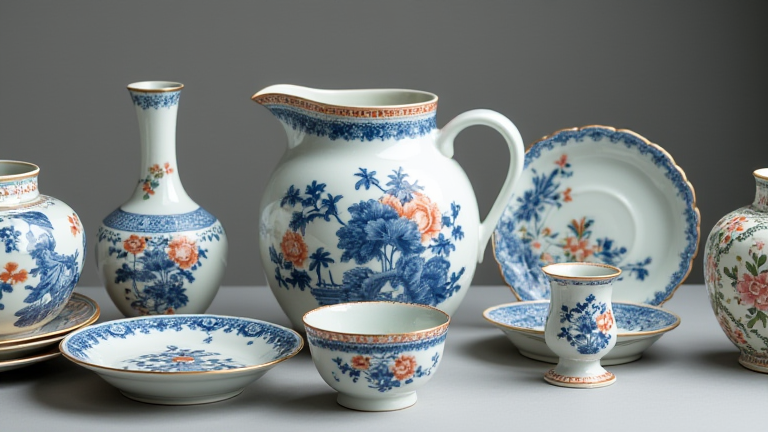
Porcelain was the original global commodity. From the 9th century, it traveled to the Middle East, then to Europe via the Portuguese in the 16th century. The name “china” in English reflects this origin. Cultural tip: look at how Islamic potters copied Chinese blue-and-white in Iznik tiles, and how Japanese Arita kilns (e.g., Imari) later mimicked and rivaled Chinese exports. Trace the “cargo” shipwrecks (like the Vung Tau) to see how porcelain influenced daily life from tea ceremonies to royal feasts.
Step 4: Decode the European Obsession and Imitation
By the 17th century, European aristocrats paid gold-weight prices for Qing dynasty pieces. But the secret of kaolin eluded them. Key milestone: in 1709, Johann Böttger at Meissen, Germany, produced the first European hard-paste porcelain. Then Sèvres (France), Chelsea (England), and Capodimonte (Italy) followed. Beginner tip: learn to distinguish soft-paste (frit-based, lower fire) from hard-paste—soft-paste feels greasy and chips easily. This step is about cultural theft, imitation, and eventual local innovation.
Step 5: Explore Porcelain in Daily Culture and Ritual
Do not just look at vases. Study tea culture—Chinese Yixing teapots (actually stoneware) versus fine porcelain teacups in the Japanese chanoyu (tea ceremony) or English afternoon tea. Also, examine porcelain figurines (like Meissen’s harlequins) as social satire, and dinner services as status symbols. Tip: visit a museum’s porcelain room with a notebook; note the “foot rim” (un-glazed base) and glaze crazing—these are your cultural fingerprints.
Step 6: Collect with a Beginner’s Eye
Start with modern reproductions or 20th-century studio porcelain (e.g., Lucie Rie or Bernard Leach) to learn form without high cost. Avoid buying “Ming” from street markets. Tip: use a UV flashlight—old crazing glows but modern repairs fluoresce. Read the auction catalogs for provenance, and join a local ceramic history group. Culture is not just objects; it’s the stories of kiln workers, imperial edicts, and trade wars.