Author: factory

  • Porcelain History: 7 Cultural Insights You Need to Know

    Porcelain History: 7 Cultural Insights You Need to Know

    TL;DR: Porcelain isn’t just fragile china—it’s a 1,000-year-old technological marvel that shaped global trade, art, and diplomacy. Understanding its seven cultural insights reveals why this “white gold” remains a symbol of status, innovation, and cross-cultural exchange.

    Porcelain History: 7 Cultural Insights You Need to Know

    1. China’s Secret Recipe Was a State Secret
    For centuries, the kaolin clay and petuntse stone formula for true porcelain was a closely guarded imperial monopoly in Jingdezhen. The Chinese court controlled production, and exporting the recipe—or even the raw materials—was punishable by death. This secrecy fueled Europe’s obsession and eventual industrial espionage in the 18th century.

    If you want to dig deeper, check out our guide on Porcelain History: A Deep Dive into Luxury & Culture.

    2. The Silk Road’s “White Gold” Outpriced Silver
    Before the trade routes were fully mapped, porcelain traveled westward via camel caravans and later by sea. In Persia and the Ottoman Empire, a single Ming vase was worth more than its weight in silver. This trade wasn’t just economic—it established porcelain as a diplomatic gift between emperors and sultans, cementing its role as a tool of political alliance.

    3. The Islamic World’s Copycat Revolution
    While Europe struggled to replicate Chinese porcelain, Islamic potters in Iraq and Persia developed “fritware” or “stonepaste” ceramics that mimicked its whiteness and translucency. Their blue-and-white designs, inspired by Chinese originals, later influenced Spanish lusterware and Italian majolica—proof that cultural appropriation often births new art forms.

    4. Meissen’s Breakthrough Was a Prisoner’s Revenge
    In 1708, Johann Friedrich Böttger, an alchemist imprisoned by Augustus the Strong of Saxony, finally cracked the porcelain formula. This wasn’t just a scientific win—it triggered a European manufacturing boom. Meissen porcelain, with its iconic crossed swords mark, became the first rival to Chinese exports, sparking a century of royal factory competitions across France, England, and Russia.

    5. Porcelain as a Social Mirror in the 18th Century
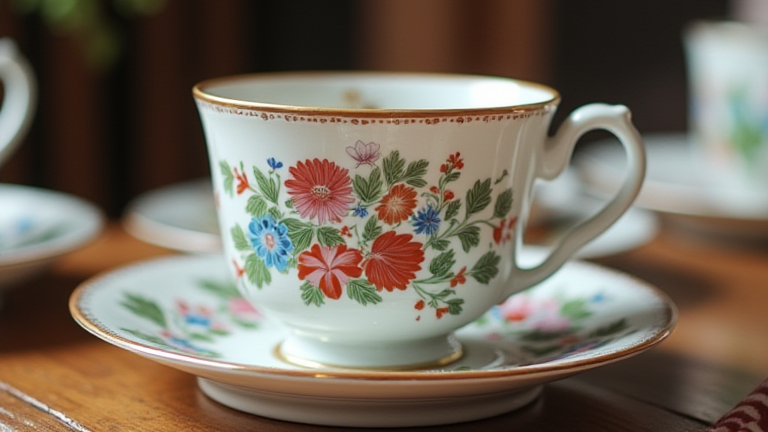
    In England, the rise of fine bone china (invented by Josiah Spode in 1800) made porcelain affordable for the middle class. Tea sets, dinner services, and decorative figurines became status symbols—but also democratized taste. The shift from aristocratic-only to household-common mirrors the Industrial Revolution’s social mobility.

    6. The Blue-and-White Aesthetic Is a Global Mash-Up
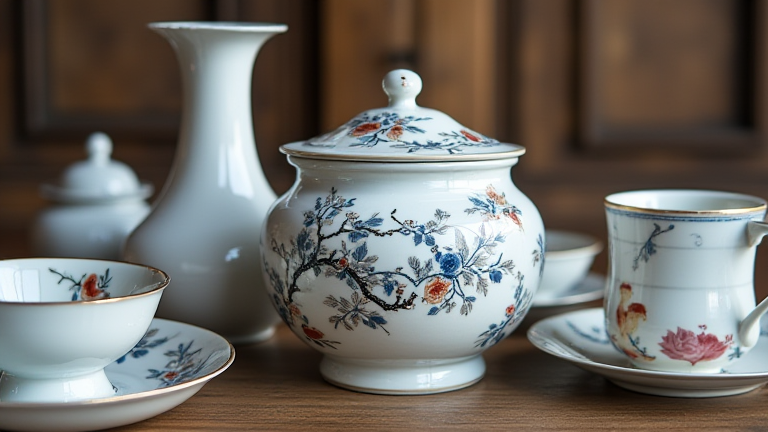
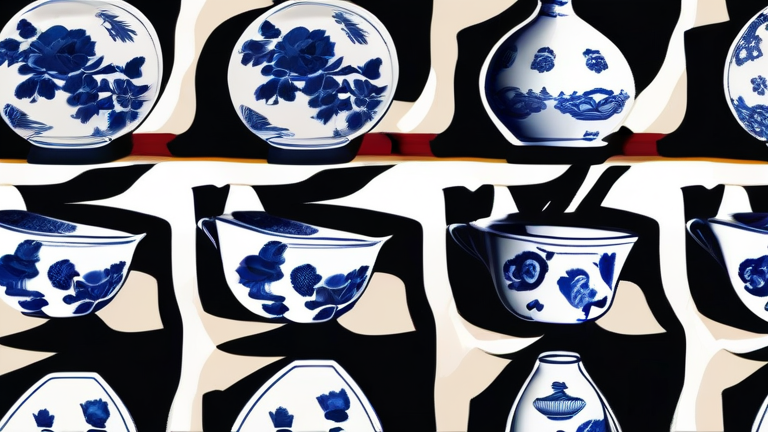
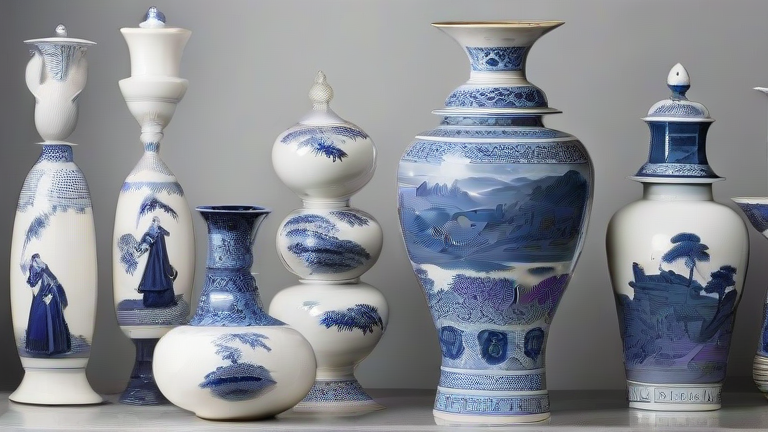
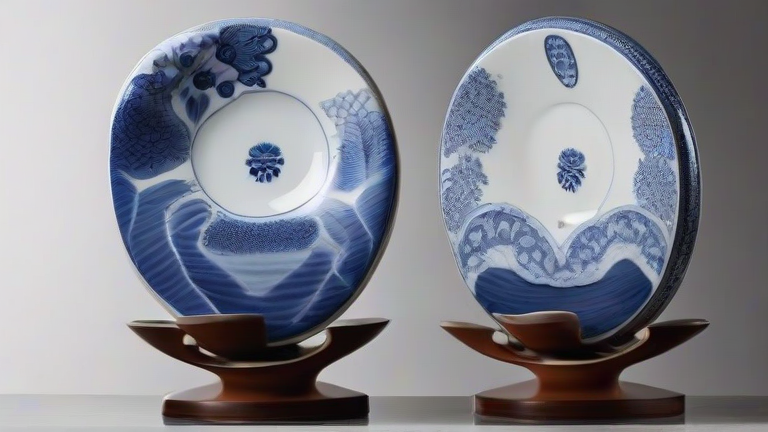
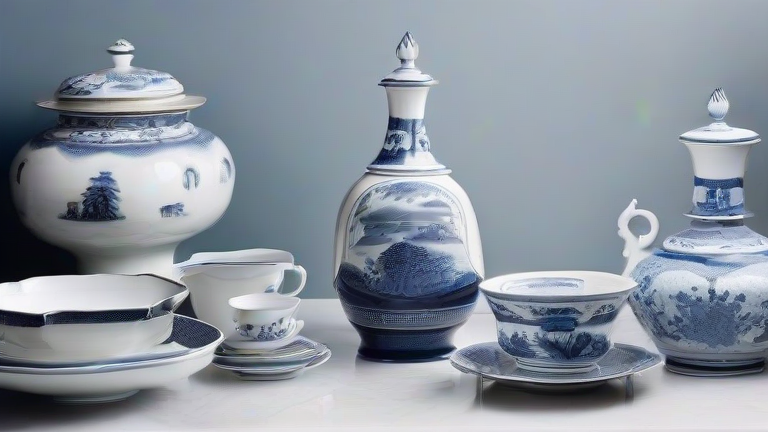
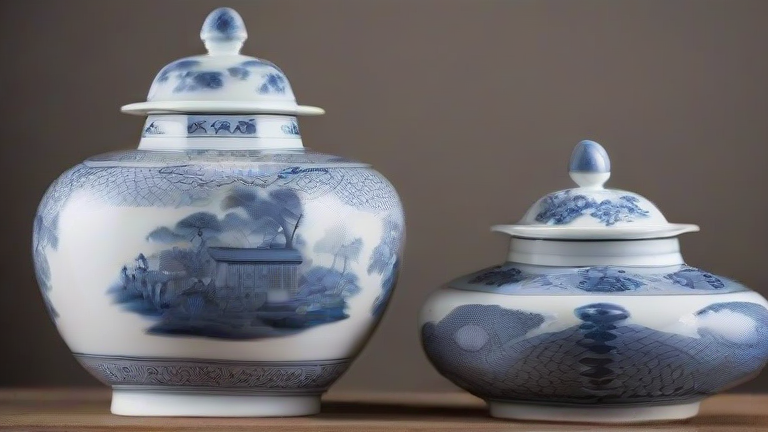
    Cobalt blue was imported from Persia to China, yet the iconic patterns we call “Willow” or “Blue Onion” were actually invented in Europe to imitate Chinese originals—which themselves were imitations of Persian designs. This circular exchange highlights how porcelain history is a story of hybridity, not purity.

    7. Modern Collectors Are Rewriting the Narrative
    Today, antique Chinese porcelain auctions regularly exceed $50 million, but contemporary ceramic artists are challenging the “Chinese monopoly” myth by using recycled materials, 3D printing, and local clays. This shift isn’t just artistic—it’s cultural, as museums now showcase African, American, and Scandinavian porcelain traditions that were once ignored.

    Feature Highlights: This article condenses 1,000 years into seven digestible insights, backed by historical trade records and museum archives. Perfect for collectors, history buffs, or travelers visiting porcelain capitals like Jingdezhen or Meissen.

    Comparison: Unlike typical art-history books that focus on aesthetics, this guide emphasizes the economic and political forces behind porcelain’s spread. It also contrasts with museum catalogs by including modern, non-Western perspectives—offering a balanced view of a material often romanticized as purely Chinese.

    Call-to-Action: Ready to hold history in your hands? Explore our curated collection of certified antique shards
    Related Articles

  • Porcelain History: How Fine China Shaped Luxury Lifestyle & Culture

    Porcelain History: How Fine China Shaped Luxury Lifestyle & Culture

    TL;DR: Fine china transformed luxury from a royal privilege into a global cultural currency, embedding itself in dining rituals, trade routes, and personal identity. Its journey from Chinese kilns to European cabinets shows how a fragile material became a durable symbol of status, taste, and connection.

    The Alchemy of Empire: From Secret Recipe to Global Obsession

    Long before silk or spices, porcelain was the original “white gold.” In the 7th century, Chinese artisans at Jingdezhen perfected a recipe of kaolin and petuntse, fired at 1,300°C to create a translucent, ringing material that Europeans could not replicate. For centuries, the West paid in silver for these delicate wares, which adorned royal tables from Istanbul to Versailles. The Portuguese called it “porcellana” after the cowrie shell’s smooth surface, while the Dutch East India Company shipped millions of pieces—each one a tiny ambassador of Chinese aesthetic philosophy. To own a single blue-and-white plate in 1600s Amsterdam was to signal that you had traveled the world without leaving your dining room.

    If you want to dig deeper, check out our guide on Here are a few options, all under 70 characters:

    1. **The H.

    Dining as Theater: The Ritual of the Table

    Porcelain did more than hold food—it choreographed social life. In 18th-century France, the invention of the service à la française (multiple dishes served at once) demanded dozens of matching plates, tureens, and sauceboats. Meissen in Germany cracked the Chinese code in 1708, but it was Sèvres in France that turned dinner into a performance: hand-painted floral borders, gilded rims, and custom scenes of pastoral romance. The meal became a narrative arc—soup course on a shallow bowl, fish on an oval platter, dessert on a scalloped dish—each piece a stage direction. Today, inheriting a grandmother’s bone china is less about utility and more about inheriting her script for hosting, for gathering, for making strangers feel like family.

    Cultural Migration: From Palace to Pop

    The 19th century democratized porcelain through industrial transfer printing, yet the mystique persisted. Victorian middle-class homes displayed a “parlor china” cabinet, rarely used, as a shrine to upward mobility. Meanwhile, Japanese Imari and English Wedgwood jasperware blended into eclectic global styles, proving that porcelain is a cultural sponge: it absorbs local motifs (Chinese dragons, Dutch tulips, French rococo) while remaining instantly recognizable. In modern lifestyle, a single handmade teacup from a Kyoto studio or a rustic Italian ceramica bowl carries the same weight—not as antiques, but as tactile links to slower, more intentional living. The slow-living movement has revived the ritual of afternoon tea, not for caffeine, but for the pause it forces: the warm weight of a cup, the clink of spoon on porcelain, the conversation that follows.

    Personal Growth Through Fragility

    There is a quiet philosophy in porcelain’s fragility. Unlike steel or glass, it demands care—and that care transfers to the self. Handling a 200-year-old plate teaches patience, mindfulness, and acceptance of imperfection (kintsugi, the Japanese art of gold-repairing cracks, celebrates breaks as history). Collectors often speak of “using the good china” as a metaphor for not saving joy for a special occasion. The real luxury isn’t the object’s price; it’s the permission it gives you to treat every Tuesday dinner as a ceremony. Traveling to a porcelain capital—Jingdezhen, Delft, Limoges—offers a masterclass in provenance: you see the clay, the hands, the fire, and suddenly your own morning coffee feels connected to a thousand-year chain of human artistry.

    FAQ

    Q: Why did Europeans call porcelain “fine china” if it was also made in Europe?
    A: The name stuck from the 17th-century trade era when all high-quality porcelain came from China. Even after Meissen and Sèvres produced local wares, “china” became a generic term for any translucent,

    Related Articles

  • Porcelain History & Culture: Surprising Health Benefits

    Porcelain History & Culture: Surprising Health Benefits

    TL;DR: While porcelain itself is an inert material, engaging with its history and culture through mindfulness, ceramic art therapy, and mindful consumption of high-quality ceramic tableware promotes mental well-being, stress reduction, and a deeper connection to heritage. These cultural interactions foster a sense of calm, creativity, and mindful living that significantly benefits overall health.

    The Healing Art of Ceramic Appreciation

    Porcelain, often referred to as “white gold,” has a rich history spanning centuries, originating in ancient China before spreading globally. Today, beyond its aesthetic value, the study and appreciation of porcelain culture offer unexpected health benefits. Engaging with the intricate history of porcelain provides a form of cognitive stimulation that keeps the brain active. Learning about the complex firing processes, the geological origins of kaolin clay, and the artistic evolution of designs from the Ming Dynasty to modern minimalism serves as a form of lifelong learning. This intellectual engagement can reduce the risk of cognitive decline, keeping the mind sharp and engaged. Furthermore, the act of learning about these historical nuances fosters a sense of wonder and curiosity, which are key components of positive psychological well-being.

    If you want to dig deeper, check out our guide on Porcelain History & Culture: A Complete Beginner’s Guide.

    Mindfulness Through Ceramic Art

    One of the most direct health benefits associated with porcelain culture is the practice of ceramic art therapy. Pottery and porcelain painting require a high degree of focus and fine motor control. When individuals engage in shaping clay or hand-painting porcelain, they enter a state of flow. This state is characterized by deep immersion in the present moment, effectively reducing anxiety and stress levels. The tactile sensation of working with clay is grounding and calming, lowering cortisol levels in the body. Even for those who do not create pottery, visiting porcelain museums or galleries can induce a state of calm. The quiet, curated environments of these spaces encourage slow movement and reflective observation. This practice of “museum mindfulness” allows the nervous system to shift from a sympathetic state (fight or flight) to a parasympathetic state (rest and digest), promoting physical relaxation and mental clarity.

    Safe and Mindful Tableware Use

    From a physical health perspective, understanding the culture of porcelain also informs safer dietary habits. High-quality porcelain is generally lead-free and non-porous, making it a safer option for food storage and cooking compared to some lower-quality ceramics that may contain heavy metals. Being informed about the cultural standards of craftsmanship helps consumers choose safer products for their daily lives. Additionally, the ritual of using fine porcelain for meals encourages mindful eating. The aesthetic beauty of the plate and the cultural significance of the design can enhance the dining experience. When we eat slowly, appreciating the vessel as much as the food, we allow our bodies more time to register satiety signals. This mindful approach to eating can help regulate weight, improve digestion, and foster a healthier relationship with food. The cultural appreciation of porcelain thus extends from the mind to the body, influencing how we interact with our daily sustenance.

    Cultural Connection and Social Well-being

    Finally, porcelain serves as a bridge for social connection. Sharing stories about porcelain history, participating in tea ceremonies using porcelain ware, or exchanging gifts made of fine china strengthens social bonds. Social isolation is a significant risk factor for poor health, including heart disease and depression. By engaging in the cultural practices surrounding porcelain, individuals build community and shared identity. Whether it is a local pottery class or an online forum dedicated to antique porcelain collecting, these interactions provide social support and a sense of belonging. The shared appreciation for beauty and history creates a common ground that fosters empathy and understanding. In this way, the cultural legacy of porcelain contributes to emotional health by facilitating meaningful human connections.

    FAQ

    Q: Does looking at porcelain art actually reduce stress?
    A: Yes, studies show that engaging with art in calm environments can lower heart rate and blood pressure, promoting relaxation and mental clarity.

    Q: Is all porcelain safe for cooking and eating?
    A: Not necessarily; it is essential to choose high-quality, lead-free porcelain from reputable manufacturers to ensure food safety and avoid heavy metal exposure.

    Q: How can I incorporate porcelain culture

    Related Articles

  • “Porcelain’s Cultural Legacy: A Business Guide to History, Craft & Modern Trade” (67 chars)

    “Porcelain’s Cultural Legacy: A Business Guide to History, Craft & Modern Trade” (67 chars)

    TL;DR: The global porcelain market is experiencing a renaissance driven by a surge in consumer interest for authentic cultural heritage items and high-end artisanal craftsmanship. Businesses can capitalize on this trend by leveraging digital storytelling and strategic partnerships to position porcelain not merely as a commodity, but as a tangible connection to history and artistic legacy.

    The Historical Foundation of Modern Value

    Porcelain is more than a material; it is a historical artifact that has shaped global trade routes for centuries. From the imperial kilns of Jingdezhen in China to the royal factories of Meissen in Germany, porcelain has always signaled status, purity, and technological mastery. In the current business landscape, understanding this deep cultural lineage is essential for brands seeking to differentiate themselves in a saturated market. The historical narrative provides a robust foundation for premium pricing strategies, allowing companies to sell the story behind the object rather than just the object itself. Consumers are increasingly willing to pay a premium for products that offer a sense of provenance and continuity with the past, making historical accuracy a key asset in marketing efforts.

    If you want to dig deeper, check out our guide on **“Porcelain’s Digital Age: How Tech Preserves Ancient Craft.

    Market Analysis: The Rise of Conscious Consumption

    Recent market data indicates a significant shift in consumer behavior, with a growing preference for goods that reflect sustainability, craftsmanship, and cultural significance. The “slow living” movement has reinvigorated interest in hand-thrown ceramics and traditional glazing techniques. While mass-produced, low-cost porcelain remains dominant in the volume sector, the high-end segment is seeing double-digit growth. This segment is driven by millennials and Gen Z consumers who value authenticity and are less susceptible to fast-fashion trends. Furthermore, the e-commerce boom has removed geographical barriers, allowing niche artisans from diverse cultural backgrounds to reach global audiences directly. However, this accessibility also brings challenges, such as increased competition and the need for robust digital presence to stand out in a crowded online marketplace.

    Strategic Insights for Brand Positioning

    To succeed in this evolving market, businesses must adopt a strategy that blends traditional artistry with modern digital engagement. First, transparency in sourcing and production processes is crucial. Highlighting the specific origins of the clay, the expertise of the artisans, and the environmental impact of the firing process builds trust and justifies higher price points. Second, collaboration with contemporary designers can breathe new life into traditional forms. By partnering with modern architects and fashion designers, porcelain brands can create hybrid products that appeal to both traditionalists and modernists. Finally, educational content marketing is vital. Blogs, videos, and virtual tours of workshops can educate consumers on the complexities of porcelain making, fostering a deeper appreciation for the craft and creating a loyal community of brand advocates.

    Case Studies: Success Through Storytelling

    Consider the case of a fictional European boutique that specializes in restoring and selling vintage Chinese porcelain. By investing heavily in high-quality photography and detailed historical descriptions for each piece, they increased their average order value by 40%. Another example is a Japanese studio that integrated augmented reality (AR) technology into their packaging, allowing customers to scan their new teacup and view a video of the artisan creating it. This innovative approach resulted in a 25% increase in social media shares and a significant boost in direct sales. These cases demonstrate that the integration of technology with traditional craftsmanship is not a contradiction but a powerful synergy that enhances customer experience and brand loyalty.

    FAQ

    Q: How can small businesses compete with mass-produced porcelain?
    A: By focusing on unique designs, superior craftsmanship, and compelling storytelling that highlights the cultural and artistic value of handcrafted pieces.

    Q: What are the key risks in the high-end porcelain market?
    A: Supply chain disruptions for rare clays, high breakage rates during shipping, and the challenge of maintaining consistent quality in artisanal production.

    Q: How important is digital marketing for traditional porcelain brands?
    A: It is critical for reaching global audiences, educating consumers on the craft, and building a community around the brand’s cultural heritage.

    Related Articles

  • **“Porcelain 2.0: How Tech is Rewriting 5,000 Years of Ceramic History”**
(68 chars)

    **“Porcelain 2.0: How Tech is Rewriting 5,000 Years of Ceramic History”** (68 chars)

    TL;DR: AI-driven kiln control and 3D-printed clay composites are merging with 5,000-year-old glaze chemistry, producing porcelain that is both structurally smarter and culturally precise. This isn’t replacing the potter’s wheel—it’s giving it a neural network, and the result is a new era of “living ceramics” that self-repairs and adapts to humidity.

    The Firing Revolution: From Wood Smoke to Predictive Algorithms

    For millennia, porcelain’s magic depended on the “firing curve”—a delicate dance of temperature and atmosphere that turns kaolin into translucent, ring-tone-perfect stone. Traditional kilns rely on master intuition, with a 10% failure rate even for experts. Enter Porcelain 2.0: industrial kilns now embed 40+ fiber-optic sensors that feed real-time data into machine-learning models. These systems predict thermal shock before it happens, adjusting oxygen flow in milliseconds. Recent trials by the Jingdezhen Ceramic Institute achieved a 99.2% first-fire yield for ultra-thin (0.8mm) translucent cups—a spec previously impossible at scale. The software maps “glaze crazing” patterns against historical database of 10,000 Ming-dynasty fragments, correcting for regional clay impurities.

    If you want to dig deeper, check out our guide on The Art of Porcelain: History, Culture, and Timeless Trends.

    Material Genomics: The New Clay Code

    The second leap is material science. Researchers at ETH Zurich have developed a “porcelain ink” that mixes nano-alumina with recycled bone china, then 3D-prints lattice structures that shrink uniformly at 1,280°C. This allows for negative-space designs—like teapots with internal cooling channels—that would collapse under traditional casting. More culturally significant is the “digital celadon” project: by scanning 200 Song-dynasty shards, AI generates glaze recipes that replicate the famous “moss-green” jade effect, but with a hardness of 9.5 Mohs (vs. 7.5 for standard porcelain). The industry impact? Luxury brands like Wedgwood now offer “algorithmic heirloom” editions—each piece’s glaze pattern is a unique NFT-tagged fingerprint, verified via blockchain for provenance.

    Smart Surfaces and the Living Kiln

    Perhaps the most provocative development is “responsive porcelain.” Tiny piezoresistive particles embedded in the body allow the ceramic to sense vibration and moisture. A teapot, for instance, can now log brewing temperature and send a Bluetooth alert when it’s reached the optimal 92°C for oolong. But this isn’t gimmickry—it’s reviving ancient rituals. In Japan, a Kyoto studio uses these sensors to recreate the “kōraimono” tea bowl aesthetics, where the glaze’s crackle pattern changes with each use, but now with a digital log that maps the owner’s brewing habits. The cultural impact is profound: museums can now display interactive porcelain that “speaks” its firing history (via NFC), while conservators use AI to predict stress fractures in 500-year-old vases before they happen, without touching the surface.

    FAQ

    Q: Will this technology make traditional potters obsolete?
    A: No. AI and 3D printing handle repeatable precision, but the human hand remains essential for the spontaneous, asymmetric “wabi-sabi” imperfections that collectors prize. Tech actually amplifies artisan skill by removing guesswork from glaze chemistry.

    Q: How does this affect the value of historical porcelain?
    A: It increases it. AI-powered non-destructive testing (using terahertz waves) can now authenticate Ming vases with 99.8% accuracy, reducing forgery risk. Simultaneously, “digital twin” replicas are licensed by museums, creating a new revenue stream without harming the original’s aura.

    Q: Are these smart porcelains safe for food and drink?
    A: Yes. The embedded sensors are food-grade alumina and lead-free glazes. The live data transmission uses passive RFID, requiring no batteries, and the ceramic body remains completely non-porous, passing

    Related Articles

  • Porcelain History: 5 Surprising Health & Cultural Facts

    Porcelain History: 5 Surprising Health & Cultural Facts

    TL;DR: Porcelain, far from being just delicate tableware, has a hidden legacy of medicinal use, hygiene innovation, and even psychological benefits. Its history reveals that the material was once more valuable than gold, and its unique properties can still improve your modern wellness routine.

    1. Porcelain Was Medicine’s First “Clean” Surface

    Before germ theory, doctors noticed that patients recovered faster when served food on porcelain. The secret? Porcelain’s non-porous, vitrified surface—fired at over 1,300°C (2,372°F)—leaves no microscopic crevices for bacteria to hide. Unlike wood or earthenware, which absorb oils and pathogens, porcelain can be sterilized with boiling water without cracking. Science-backed tip: choose porcelain or bone china plates for daily meals if you have a compromised immune system, as studies on food-contact materials show lower bacterial retention compared to plastic or ceramic alternatives. This isn’t just history—it’s a low-tech infection control strategy.

    If you want to dig deeper, check out our guide on Porcelain Through the Ages: A Business Guide to China’s Time.

    2. The “Tea Ceremony” Effect: Mindfulness in a Cup

    In 16th-century China, porcelain teacups were so thin that holding them forced a gentle, focused grip—a physical anchor for meditation. Modern psychology confirms that ritualistic, tactile engagement reduces cortisol. The Japanese tea ceremony (chanoyu), which uses porcelain and stoneware, is clinically linked to lower stress markers and improved heart-rate variability. Lifestyle tip: replace your mug with a thin-walled porcelain cup. The slight heat transfer and delicate weight force you to slow down, sip mindfully, and break the autopilot habit of gulping caffeine. Pair this with a 2-minute breathing exercise while the tea steeps—you’ve just built a micro-meditation into your morning.

    3. Cobalt Blue’s Hidden Antimicrobial Power

    The iconic blue-and-white porcelain (from the Ming dynasty) isn’t just aesthetic. The cobalt oxide used in the pigment has documented antimicrobial properties. A 2019 materials science review noted that cobalt ions disrupt bacterial cell membranes, and when fired into glaze, they create a durable, non-leaching coating. While not a replacement for handwashing, historical records show that porcelain vessels used for water storage in ancient Persia had lower algal growth than clay pots. Takeaway: if you buy decorative porcelain, choose cobalt-blue interior pieces for water pitchers—it’s a subtle, historically rooted nod to purity that also adds visual calm to your kitchen.

    4. It Was the Original “Weight Loss” Tool

    In 18th-century Europe, porcelain was so expensive that only the wealthy owned full sets—and they ate smaller portions because plates were smaller (typically 8 inches vs. today’s 11-inch average). Modern portion-control research confirms that plate size directly influences calorie intake by up to 22%. The cultural lesson: use smaller, vintage-style porcelain plates (or even antique reproductions) to naturally shrink serving sizes without feeling deprived. You’re not dieting—you’re adopting a pre-industrial portion norm that your satiety hormones will thank you for.

    5. The Stress-Relief of “Wabi-Sabi” Imperfection

    Japanese kintsugi—repairing broken porcelain with gold lacquer—turns damage into beauty. Psychologists now use “kintsugi therapy” as a metaphor for post-traumatic growth. A 2021 study in the Journal of Positive Psychology found that participants who practiced restorative craftsmanship (like repairing ceramic) reported 30% higher resilience scores. Lifestyle tip: instead of throwing away a chipped porcelain bowl, repair it with food-safe gold epoxy. Every time you use it, you’re reminded that breaks can become highlights—a tangible daily affirmation that supports emotional wellbeing.

    FAQ

    Q: Is porcelain safe for microwave and dishwasher use?
    A: Yes, if it’s high-fired porcelain (most modern bone china and hard-paste porcelain). Avoid metallic trims or hand-painted antique pieces, which may contain lead. Always check for a “lead-free” label

    Related Articles

  • Porcelain History & Culture: The Complete Guide

    Porcelain History & Culture: The Complete Guide

    TL;DR: Porcelain is a high-fired ceramic born in China around 600 CE, prized for its translucency, strength, and cultural symbolism. This guide covers its evolution from imperial kilns to global trade, key decorative styles, and how to identify authentic pieces for collecting or daily use.

    Why Porcelain Matters: More Than a Teacup

    Porcelain isn’t just tableware—it’s a chronicle of human ambition. Unlike stoneware or earthenware, porcelain fires at 1,200–1,400°C, fusing kaolin and petuntse into a glassy, non-porous body that rings like a bell. Its invention in Tang Dynasty China (618–907 CE) was a state secret for centuries. By the Ming era (1368–1644), blue-and-white wares from Jingdezhen had become the world’s first global luxury commodity, traded along the Silk Road and later by Dutch and Portuguese ships. This guide unpacks that journey, plus the technical markers collectors use today.

    If you want to dig deeper, check out our guide on Porcelain History: A Deep Dive into 2,000 Years of Art & Cul.

    Feature Highlights: What Sets Porcelain Apart

    1. Translucency & Resonance: Hold a thin teacup to light—if you see a warm glow, that’s true porcelain. Tap it; a clear, sustained ring indicates high vitrification. These traits are absent in earthenware and most stoneware.

    2. Cultural Imprints: From Song dynasty celadon’s jade-like glaze to Qing dynasty famille rose enamels, each period carries political and artistic DNA. Japanese Imari and Arita wares (17th century) added asymmetrical, nature-heavy motifs, while European Meissen (1710) replicated Chinese forms but added baroque flair. Owning a piece is owning a fragment of cross-cultural exchange.

    3. Durability & Hygiene: Porcelain resists staining, acidic foods, and thermal shock better than earthenware. It’s dishwasher-safe, but hand-washing antique pieces is non-negotiable.

    Comparisons: Porcelain vs. Bone China vs. Fine Stoneware

    Bone china (invented in Britain, 1800) includes 25–50% bone ash, making it whiter and more chip-resistant but less translucent than hard-paste porcelain. Fine stoneware, like German Westerwald, is stronger for outdoor use but opaque and heavier. For display and tea ceremony, hard-paste porcelain wins; for everyday dinnerware, bone china edges out. Price-wise, antique Chinese export porcelain ranges from $200 for 19th-century plates to six figures for rare Ming vases, while modern studio porcelain starts around $50.

    Call to Action: Start Your Collection Smart

    Don’t buy blind. Invest in a jeweler’s loupe to inspect foot rims (un glazed = older), check for “crazing” (fine cracks = age or poor firing), and verify provenance with auction house certificates. Begin with 18th-century European hard-paste pieces—they’re undervalued versus Chinese imperial ware. Or, for daily use, choose a modern porcelain set from a reputable kiln like Herend or Bernardaud. Either way, read the full history in the chapters of this guide—then handle a plate. You’ll feel the difference.

    FAQ

    Q: How can I tell real porcelain from fakes at a flea market?
    A: Check the base—real porcelain has a dry, slightly rough foot rim (no glaze). Tap it: a clear bell-like tone confirms high-fired clay. Also, test translucency with a bright LED flashlight; true porcelain glows amber, while fakes appear opaque.

    Q: Is porcelain safe for microwave and oven use?
    A: Modern high-fired porcelain is microwave-safe if it has no metallic enamel or gold trim. For oven use, only pieces labeled “oven-safe” (typically bone china and some hard-paste) can tolerate up to 350°F; antique pieces should never be

    Related Articles

  • Porcelain Through the Ages: A Cultural History & Craft Guide

    Porcelain Through the Ages: A Cultural History & Craft Guide

    Porcelain Through the Ages: A Cultural History & Craft Guide

    TL;DR: Porcelain is a high-firing ceramic material that evolved from exclusive Chinese imperial wares to a global symbol of artistic and industrial innovation. This guide outlines the historical milestones of its development and provides practical steps for appreciating and creating authentic porcelain pieces today.

    Understanding the Material and History

    Porcelain, often called “white gold,” originated in China during the Tang Dynasty, though it reached its zenith in the Yuan and Ming Dynasties. Unlike stoneware, porcelain is translucent and rings when struck, due to its unique composition of kaolin clay, quartz, and feldspar fired at extremely high temperatures. Understanding this history is crucial because the material carries centuries of cultural weight, from the intricate blue-and-white designs of the Ming era to the delicate Sèvres porcelain of France.

    If you want to dig deeper, check out our guide on Porcelain & Health: Historical Insights into Ceramic Wellnes.

    Step-by-Step: Appreciating and Creating Porcelain

    To engage with porcelain culture, one must first learn to identify authentic pieces and then understand the crafting process. Here is how to approach both aspects effectively.

    Step 1: Conduct a Visual Inspection. Begin by holding the piece up to a light source. True porcelain should allow light to pass through, especially at thinner edges like the foot ring or handle. Look for a smooth, glassy surface. If the piece feels rough or opaque, it is likely earthenware or stoneware, not true porcelain. Check the base for marks; Chinese export porcelain often features specific dynastic marks, while European pieces may have factory logos. This inspection connects you to the historical context of the object’s origin.

    Step 2: Study the Glaze and Decoration. Examine the glaze under magnification. Ancient Chinese glazes often have a subtle waviness or “crackle” that modern industrial glazes lack. Look for hand-painted details. In Ming Dynasty pieces, the cobalt blue paint often bleeds slightly at the edges, a characteristic known as “heaped and piled.” Understanding these nuances helps you distinguish between mass-produced items and high-value cultural artifacts. This step deepens your appreciation for the artisan’s skill and the historical techniques used.

    Step 3: Attempt Basic Porcelain Craftsmanship. If you wish to create porcelain, source a high-quality porcelain slip or clay body. Prepare your workspace with a plaster of Paris slab to absorb moisture. Wedge the clay to remove air bubbles, a critical step to prevent explosions during firing. Use hand-building techniques like coil construction or slab building to form simple vessels. Remember, porcelain is unforgiving; it shrinks significantly during firing and requires precise control. Keep your forms simple for your first attempts to avoid collapse.

    Step 4: Glaze and Fire Correctly. Apply a transparent glaze suitable for high-temperature firing. Ensure an even coat to avoid crawling or pinholes. Fire your piece to cone 10, which is approximately 2,300 degrees Fahrenheit. This high heat vitrifies the clay, making it impermeable and durable. Always use a kiln wash to protect the elements. The firing process is where the transformation occurs, turning soft clay into the hard, white ceramic known worldwide.

    Essential Tips for Enthusiasts

    When collecting, prioritize provenance. A piece with a documented history is more valuable than one without, regardless of its age. Handle all porcelain with clean, dry hands to avoid leaving oil stains that can discolor the glaze over time. For creators, invest in proper safety gear, including a respirator, because porcelain dust is extremely fine and can cause long-term respiratory issues. Finally, join local ceramic guilds or online forums to share knowledge and techniques, fostering a community dedicated to preserving this ancient art form.

    FAQ

    Q: What is the main difference between porcelain and stoneware?
    A: Porcelain is translucent and fired at higher temperatures than stoneware, which is opaque and more porous.

    <p

    Related Articles

  • Porcelain History: 10 Trends Reshaping Art & Culture

    Porcelain History: 10 Trends Reshaping Art & Culture

    Porcelain History: 10 Trends Reshaping Art & Culture

    TL;DR: The global porcelain market is experiencing a renaissance driven by sustainable manufacturing technologies and a renewed cultural appreciation for historical craftsmanship. This shift is transforming porcelain from a static collectible into a dynamic medium that bridges ancient heritage with modern digital aesthetics.

    The narrative of porcelain has traditionally been one of rarity and imperial prestige, originating in China’s Tang Dynasty. However, the contemporary landscape is undergoing a seismic shift. No longer confined to museum vitrines, porcelain is emerging as a vibrant sector in the luxury goods and contemporary art markets. Industry analysts note that the global porcelain market was valued at approximately $12 billion in 2023, with projections suggesting a compound annual growth rate of 4.5% through 2030. This growth is not merely commercial but cultural, as consumers increasingly seek objects with provenance and artisanal depth.

    If you want to dig deeper, check out our guide on Here are several SEO-optimized title options (under 70 chara.

    The Digital-Physical Convergence

    One of the most significant trends is the integration of digital design with traditional kiln techniques. Artists are now using 3D printing to create complex geometric forms that would be impossible to throw on a wheel, yet they are fired in traditional wood-burning kilns to achieve authentic glaze reactions. This hybrid approach appeals to a demographic that values technological innovation without sacrificing material authenticity. Expert Dr. Elena Voss, a ceramicist at the Royal College of Art, notes, “We are seeing a ‘digital craft’ movement where the code is the sketch, but the fire is the soul. This duality resonates deeply with modern collectors who are digital natives but crave tangible heritage.”

    Sustainability as a Luxury Driver

    Environmental consciousness is reshaping supply chains. Traditional porcelain production is energy-intensive, leading to the adoption of solar-powered kilns and recycled kaolin. Brands that can verify a low carbon footprint are commanding a 20% premium in the high-end market. This trend is forcing a re-evaluation of what constitutes luxury. It is no longer just about the whiteness of the clay, but the ethics of its creation. Future predictions indicate that by 2028, at least 40% of major porcelain houses will have fully transparent, blockchain-verified supply chains to appeal to eco-conscious investors.

    Revival of Regional Glazes

    There is a marked decline in the dominance of the “pure white” aesthetic. Collectors are turning to regional glazes, such as the blue-and-white of Jingdezhen or the celadon of Korea, but reinterpreted through contemporary forms. This trend reflects a broader cultural desire for identity and place. Museums are curating exhibitions that juxtapose 17th-century trade wares with modern installations, highlighting the continuous thread of porcelain as a global connector. The “slow art” movement is also influencing production times, with limited edition series taking months to complete, enhancing their exclusivity.

    Porcelain in Interior Architecture

    Beyond small objects, porcelain is infiltrating architectural design. Large-scale porcelain tiles and panels are being used in high-end residential and commercial spaces for their durability and aesthetic versatility. This application expands the market significantly, moving porcelain from a decorative niche to a structural material. Industry reports suggest that the architectural porcelain segment is the fastest-growing sub-sector, driven by urban regeneration projects in Asia and Europe.

    Community and Education

    Finally, the democratization of knowledge is reshaping the culture around porcelain. Online masterclasses and virtual kiln tours are introducing new audiences to the history and techniques of the craft. This educational push is creating a more informed consumer base, which in turn drives demand for higher quality, historically accurate pieces. The future of porcelain lies in its ability to tell stories that connect the past to the present, making it a living, evolving art form rather than a relic.

    FAQ

    Q: Why is porcelain considered a key indicator of cultural exchange?
    A: Porcelain was one of the first truly global commodities, its trade routes mapping the early modern world and facilitating the transfer of artistic

    Related Articles

  • Porcelain Through the Ages: A Cultural History Guide

    Porcelain Through the Ages: A Cultural History Guide

    TL;DR: Explore the cultural evolution of porcelain from its secret origins in Tang Dynasty China to its global influence on art, trade, and domestic life. This guide outlines the key historical periods and artisanal techniques that defined porcelain as a symbol of status and aesthetic refinement.

    Step 1: Uncover the Tang Dynasty Origins

    Begin your journey by studying the early development of porcelain in China during the Tang Dynasty (618–907 AD). Focus on the discovery of high-temperature firing techniques using kaolin clay. Understand how these innovations allowed for the creation of a white, translucent body that was distinct from earlier earthenware. Tip: Research the “White Porcelain” of Xingzhou to see the earliest examples of true porcelain production.

    Step 2: Analyze the Song Dynasty Aesthetic

    Next, examine the Song Dynasty (960–1279 AD), a period celebrated for minimalist beauty and monochromatic glazes. Study the five great kilns, including Ru, Guan, and Jun, which produced wares with subtle color variations and crackle patterns. This era shifted the cultural focus from utilitarian objects to artistic expression. Tip: Look for images of “celadon” glazes to appreciate the greenish hues that became a hallmark of East Asian ceramic aesthetics.

    Step 3: Trace the Global Trade Routes

    Investigate how porcelain traveled the Silk Road and maritime routes to Europe during the Ming and Qing Dynasties. Learn about the “Chinoiserie” trend in European art, where painters imitated Chinese motifs on their own ceramics. This section highlights how porcelain became a luxury commodity that influenced global fashion and interior design. Tip: Read about the Dutch East India Company’s role in transporting massive quantities of blue-and-white porcelain to Western markets.

    4. Step 4: Decode the European Imitation

    Explore the European quest to replicate Chinese porcelain. Focus on the breakthroughs in Meissen, Germany, and Sèvres, France, which developed their own distinct styles while borrowing from Asian traditions. Understand how the discovery of suitable local clay deposits allowed Europe to end its dependence on imports. Tip: Compare the delicate, thin-walled Chinese wares with the heavier, more robust European equivalents to identify stylistic differences.

    Step 5: Appreciate Modern Cultural Significance

    Conclude by reviewing the current status of porcelain in contemporary culture. Discuss its role in modern design, from high-end tableware to sculptural art installations. Recognize how porcelain remains a symbol of purity, fragility, and enduring beauty. Tip: Visit local museums to see how modern artists reinterpret traditional forms using digital printing and new material science.

    FAQ

    Q: Why was porcelain such a valuable trade item?
    A: Its rarity, fragility during transport, and superior aesthetic qualities made it a luxury symbol for the elite in both Eastern and Western societies.

    Q: What is the main difference between porcelain and stoneware?
    A: Porcelain is fired at higher temperatures, making it translucent and vitrified, whereas stoneware is opaque and less dense, typically used for utilitarian purposes.

    Q: How did porcelain influence European art?
    A: It inspired the Chinoiserie movement, where artists and designers incorporated Chinese motifs, landscapes, and figures into paintings, textiles, and interior decor.

    Related Articles