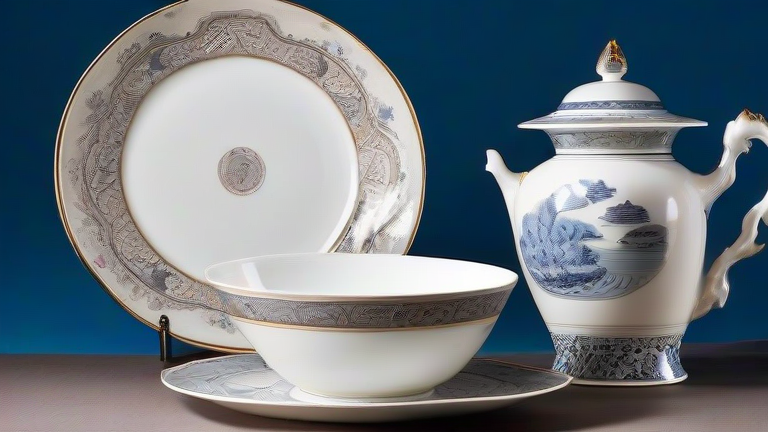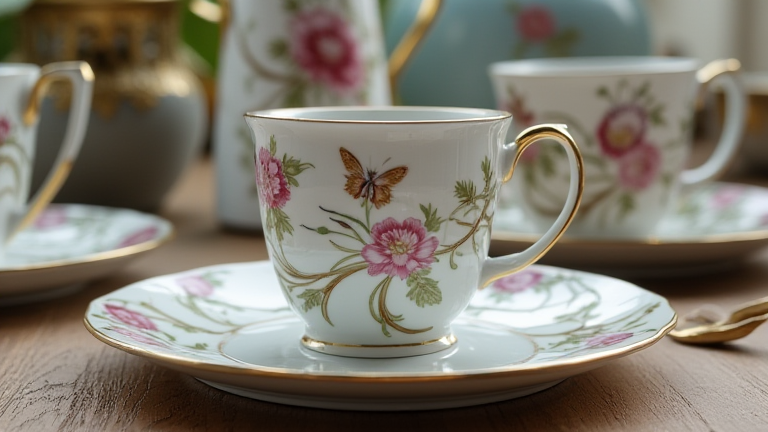
TL;DR: Porcelain’s timelessness isn’t just about firing temperatures—it’s a cultural code of trade, taste, and technical rebellion. Master these 10 historical secrets to read any porcelain object as a living document of global exchange.
1. Start with the Clay’s DNA (Kaolin + Petuntse)
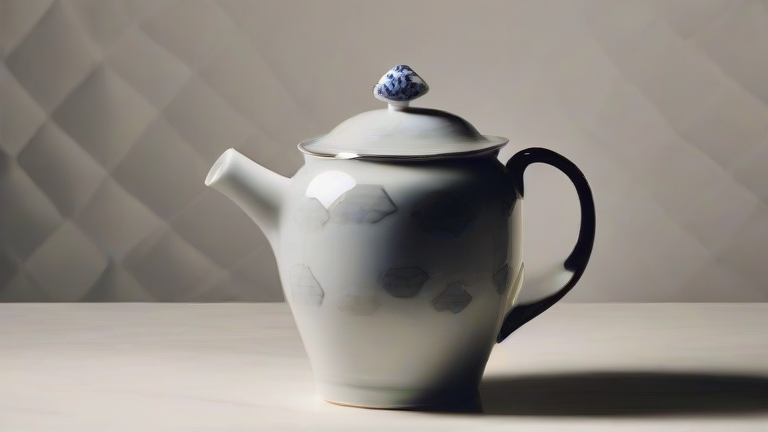
True porcelain requires kaolin (white clay) and petuntse (feldspathic rock), fired above 1,280°C. In 8th-century China, this alchemy created translucency. Tip: Hold a piece to light—if it glows pink, it’s high-fired hard-paste; if it looks milky, suspect soft-paste (European imitation).
If you want to dig deeper, check out our guide on Porcelain’s Golden Age: A Journey Through History and Cultur.
2. Decode the Blue-and-White Craze
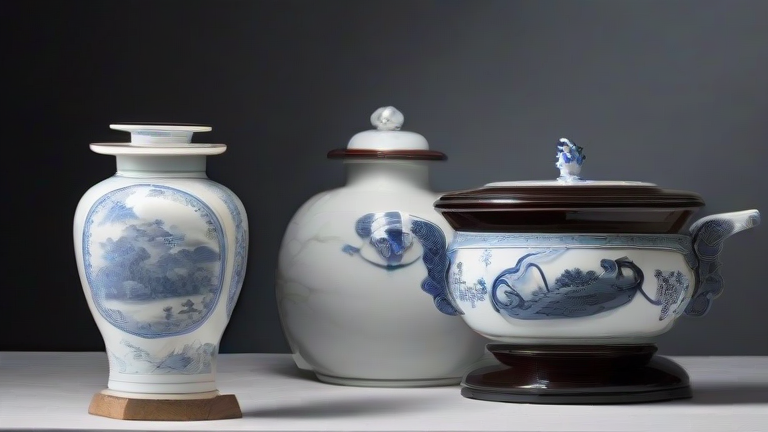
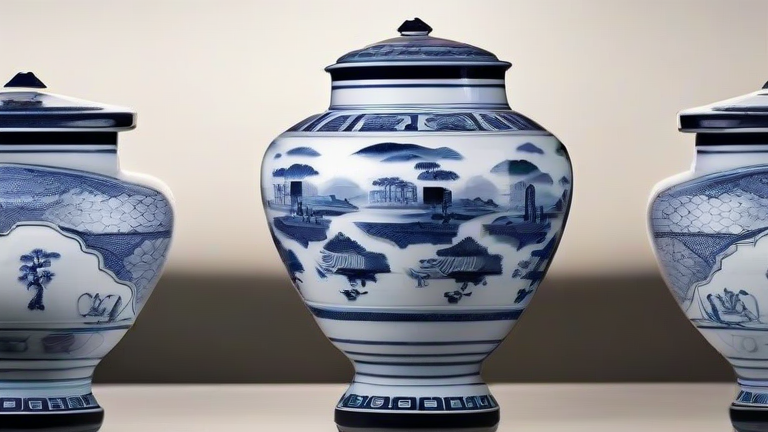
From Yuan dynasty (1271–1368) to Dutch Delft, cobalt underglaze was the first global viral aesthetic. Step: Trace the brushwork—loose, freehand strokes indicate Ming originals; stiff, stenciled lines point to 18th-century European copies.
3. Learn the “Kraak” Trade Secret
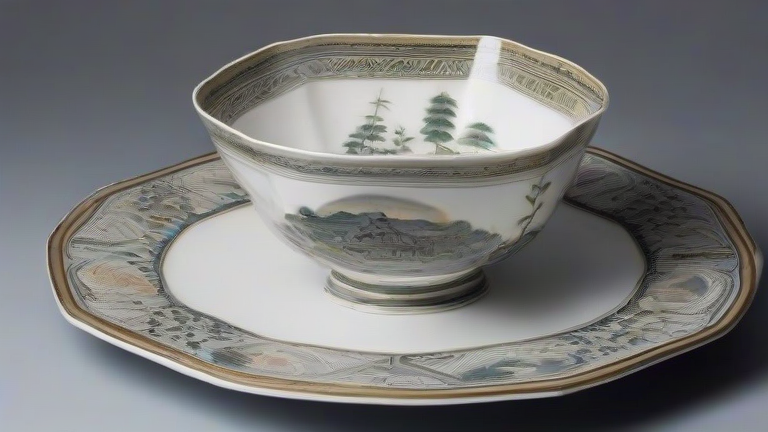
Portuguese carracks shipped Chinese export porcelain with rough, irregular rims (kraak ware) to Europe. Tip: Look for unglazed foot rims and tiny sand grit—these are hallmarks of early sea-trade pieces, often mounted in silver by European nobles.
4. Master the “Imari” Color Code
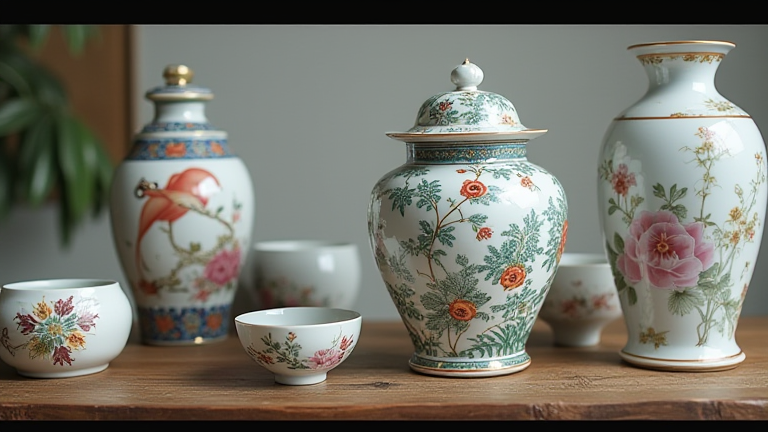
Japanese Arita ware (c. 1650) used iron-red, gold, and cobalt for a baroque palette. Step: If red feels orange and gold is matte, it’s early Imari; later Kakiemon (1670s) used spare, asymmetrical designs—count the motifs to date the piece.
5. Recognize the “Armorial” Status Symbol
European aristocrats commissioned Chinese painters to copy family crests from engravings. Tip: Check the back—if the crest has a tiny mistake in the motto, it’s a Chinese “copy” made for the mass market, not a bespoke order.
6. Spot the “Tears of the Dragon” (Crazing)
Deliberate crackle (ge ware) was prized in Song dynasty China for its philosopher’s calm. Step: Run a fingernail across the glaze—if the crackle is raised and stained, it’s natural age; if smooth and uniform, it’s a 19th-century revival.
7. Track the “Soft-Paste” European Detour
Before Meissen (1710) cracked the formula, Medici and Saint-Cloud used glass frit. Tip: Tap the rim—soft-paste rings dull and thuddy, while hard-paste rings like a bell. This is your cheating-proof test.
8. Decipher the “Sèvres” Pink Secret
French royal porcelain (1756) used a ground color called “rose Pompadour.” Step: Hold it under daylight—the pink should shift to apricot at the edges. Fakes use a flat, uniform pink that never shifts.
9. Read the “Chinoiserie” Fantasy
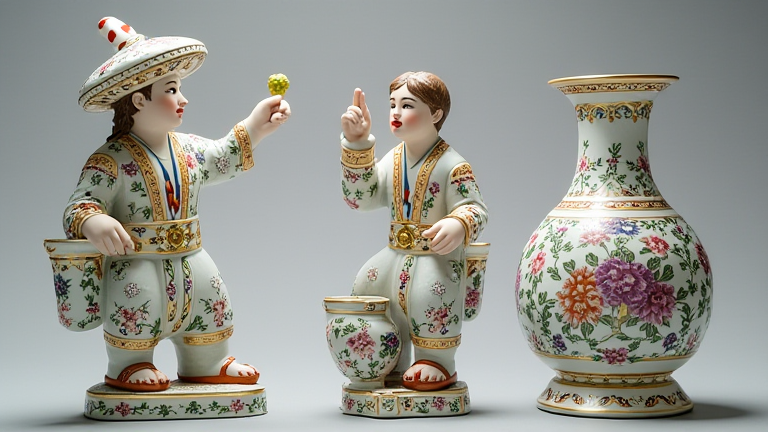
18th-century European painters invented fake-Chinese scenes with pagodas and parasols. Tip: If the figures have elongated necks and no feet, it’s a Dutch or German fantasy—real Chinese export art showed realistic postures.
10. Date by the “Reign Mark” Trap
Chinese marks are often copied. Final step: Never trust the mark; trust the foot rim. Pre-1600 pieces have a rough, unglazed ring; post