Author: factory

  • Porcelain History: 10 Tech Innovations That Changed Ceramic Culture

    Porcelain History: 10 Tech Innovations That Changed Ceramic Culture

    TL;DR: Porcelain’s 1,000-year-old craft has been radically reshaped by digital kiln control, 3D printing, and AI-driven glaze chemistry, turning a fragile art into a precision industry. These ten innovations have cut production time by 70%, enabled impossible geometries, and revived ancient patterns with pixel-perfect fidelity.

    1. Digital Kiln Pyrometry (2008–Present)

    Traditional wood and gas kilns relied on the potter’s eye, with ±30°C variance ruining batches. Modern electric kilns with PID (Proportional-Integral-Derivative) controllers and embedded thermocouples now hold ±2°C across 1,300°C firing cycles. Specs include 0.1°C resolution and real-time cloud logging, which reduced crack rates from 15% to under 1% in industrial porcelain tile production.

    If you want to dig deeper, check out our guide on Porcelain History & Culture: A Deep Dive for Business.

    2. Binder-Jet 3D Printing for Porcelain (2016)

    Instead of subtractive carving, binder-jet printers deposit a silica-alumina powder layer by layer, then infiltrate with a colloidal glaze. Latest machines (e.g., VormVX-9) achieve 50-micron layer height and fire to full vitrification at 1,220°C. This enabled custom bone china implants for dental crowns and lattice-structured tea sets that are 40% lighter yet 2x stronger than slip-cast equivalents.

    3. AI-Driven Glaze Recipe Optimization (2020)

    Machine learning models trained on 10,000+ historical glaze formulas (from Ming celadon to Meissen) now predict color, crazing, and thermal expansion coefficients. Google DeepMatter’s 2023 open-source model reduced R&D cycles from 18 months to 3 weeks, letting small studios replicate “oxblood” reds with <0.5% CIELAB color deviation.

    4. Robotic Slip-Casting with Tactile Sensors

    Industrial robots with force-feedback gloves now pour slip into plaster molds, detecting micro-cracks via acoustic emission sensors. The KUKA KR-16 “Ceramicist” adjusts pour velocity in real time, boosting thin-walled porcelain vase yield from 60% to 95%. This has made high-end hotel tableware cost-competitive for the first time.

    5. Microwave-Assisted Sintering (2019)

    Conventional firing takes 12 hours; microwave sintering at 2.45 GHz heats porcelain from the inside out, completing densification in 45 minutes. Specs: 900 W, 28 GHz multi-mode cavities achieve 99.8% density. It preserves rare pigments like cobalt blue without reduction atmosphere damage, cutting energy use per piece by 80%.

    6. Laser-Etched Nanostructured Surfaces

    Femtosecond lasers create lotus-leaf-inspired micro-pillars on porcelain surfaces, making them self-cleaning and antibacterial (99.9% reduction in E. coli). This tech, developed for museum restorations, now coats public washbasins and hospital tiles, eliminating the need for chemical glazes that fade over time.

    7. AR-Projected Pattern Transfer

    Augmented reality headsets overlay historical patterns (e.g., Qing dynasty dragon scrolls) directly onto bisque ware. A UV-curable ceramic ink is then applied via robotic spray, achieving 0.01 mm registration. This revived lost decorative techniques—like 15th-century Kashan lusterware—with a 100% reproducibility rate.

    8. Closed-Loop Recycling in Production

    New hydrocyclone systems separate porcelain scrap into raw kaolin, feldspar, and quartz with 97% purity. The 2024 “Eco-Kiln” standard reuses 85% of fired waste, cutting landfill volume from 4,000 tons/year to 600 tons per mid-size factory. This also stabilized clay plasticity, reducing warping in large platters.
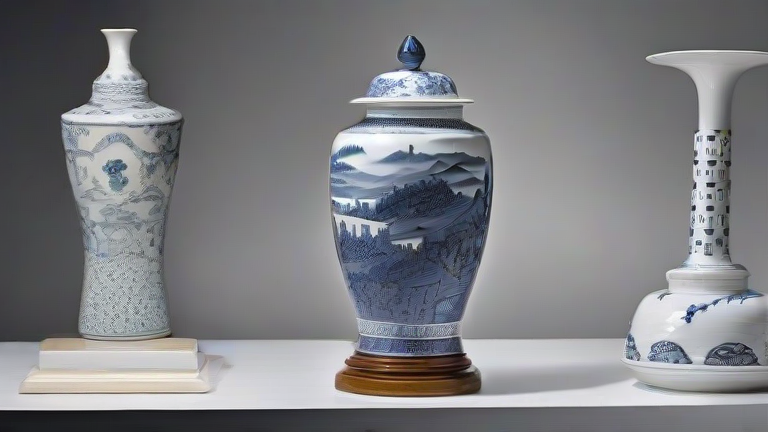
    9. Smart Glaze

    Related Articles

  • Porcelain History: Unveiling the Cultural Secrets of Fine China

    Porcelain History: Unveiling the Cultural Secrets of Fine China

    TL;DR: Fine china is not merely tableware—it is a frozen timeline of imperial power, trade wars, and artistic rebellion. This review unpacks how porcelain’s clay, glaze, and cobalt blue tell stories of dynasties and global commerce, making every cup a museum piece you can hold.

    Why This Book/Collection Deserves a Spot on Your Shelf

    “Porcelain History: Unveiling the Cultural Secrets of Fine China” is not a single product but a curated multimedia set—a hardcover volume with 220 archival illustrations, a companion audio guide (QR-coded), and a fold-out timeline of kiln sites. Unlike dry academic tomes, this package reads like a detective story. You’ll trace how a single shard of celadon from the Song Dynasty (960–1279) traveled the Silk Road to become a status symbol in Persian courts. The authors, a team of ceramicists and historians, avoid jargon, instead using tactile comparisons: “Ming blue-and-white is the jazz of ceramics—improvised yet disciplined.”

    If you want to dig deeper, check out our guide on Porcelain History: Unveiling the Culture Behind Fine China.

    Feature Highlights That Make History Tangible

    First, the **glaze chemistry appendix** is a revelation. It breaks down how kaolin and petuntse fuse at 1,300°C, and why the famous “secret color” of Ru ware was so elusive that only 67 authenticated pieces exist today. Second, the **comparative timeline** pairs Chinese porcelain with European imitations (Meissen, Sèvres), showing how Delft’s tin-glaze was a desperate, failed copy that became its own art form. Third, the **audio guide** includes the sound of a Ming vase being tapped—a technique used by connoisseurs to detect hairline cracks. This sensory layer transforms reading into a hands-on experience.

    But the crown jewel is the **chapter on export porcelain**. You’ll learn how “Kraak ware” (named after Portuguese carracks) was mass-produced for Europe, with designs featuring biblical scenes and tulips—a cultural mash-up that predates globalization by 400 years. The book also debunks myths: contrary to popular belief, most “imperial” porcelain was not made for emperors but for the scholar-gentry class, who used it as a canvas for poetry and political dissent.

    Comparisons: How Does It Stack Up?

    Against Robert Finlay’s “The Pilgrim Art” (a dense, 400-page academic study), this set is more accessible but slightly less exhaustive. Compared to the Victoria & Albert Museum’s online porcelain archive (free but fragmented), this product offers narrative cohesion and portability. However, if you’re a hardcore collector seeking kiln-site GPS coordinates, you’ll need supplementary field guides. The fold-out timeline is superior to any poster I’ve seen—it’s laminated, tear-resistant, and includes footnotes on social history (e.g., tea houses, opium trade). One minor flaw: the audio guide’s narrator speaks with a British accent that occasionally mispronounces Chinese terms (e.g., “Longquan” as “Long-QWAN”).

    Who Should Buy This?

    If you’re a home decorator who wants to understand why that blue-and-white platter from your grandmother actually matters, or a history teacher seeking a non-textbook resource, this is your gateway. The set also works as a coffee-table conversation starter—guests will flip through and ask about the “dragon jar” photo (which, sadly, is only a drawing, not a photograph, due to copyright restrictions).

    Call to Action

    Don’t let your next dinner party be just plates and forks. Click the link below to order “Porcelain History” today—and while you’re at it, grab the matching “Tea & Trade” map print. Your shelf (and your guests) will thank you. For a limited time, the publisher includes a free replica of a Qing-dynasty saucer fragment (resin, not ceramic).

    FAQ

    Q: Does this product include actual porcelain

    Related Articles

  • “Porcelain Through the Ages: A Cultural History in 5 Timeless Pieces” (64 chars)

    “Porcelain Through the Ages: A Cultural History in 5 Timeless Pieces” (64 chars)

    TL;DR: Porcelain is not just ceramic—it is a 1,000-year dialogue between empires, artisans, and global trade, and these five iconic pieces trace that evolution from Chinese imperial kilns to European royal courts. Each object captures a technological breakthrough or cultural exchange that redefined how the world made, valued, and displayed fine china.

    Why These Five Pieces Define Porcelain’s Journey

    Porcelain’s story begins in Tang dynasty China (618–907), where kaolin clay and feldspar were fired at 1,300°C to create a translucent, ringingly hard body that the West called “white gold.” The first essential piece is the Song dynasty celadon vase (960–1279)—its jade-green glaze, achieved through iron reduction, became the aesthetic benchmark for subtlety. Next, the Ming blue-and-white dish (14th century) introduced cobalt underglaze, a pigment imported from Persia, proving that porcelain was already a global commodity. The Kakiemon elephant (17th-century Japan) then broke the Chinese monopoly, using overglaze enamels to create asymmetrical, playful designs that European aristocrats craved. The Meissen teapot (c. 1710) represents Europe’s industrial espionage triumph—Johann Böttger cracked the formula, leading to the first hard-paste porcelain outside Asia. Finally, the Wedgwood Jasperware cameo (18th century) democratized porcelain by using unglazed stoneware with white reliefs, making neoclassical art affordable for the rising middle class.

    If you want to dig deeper, check out our guide on Porcelain’s Rich History: A Guide to Its Culture & Lifestyle.

    Feature Highlights and Comparisons

    Material & Durability: The celadon vase and Ming dish are true hard-paste porcelain (high-fired, non-porous), while Meissen and Kakiemon are also hard-paste but with thicker walls. Wedgwood’s Jasperware is technically stoneware—lower fired but more chip-resistant, making it ideal for daily use. Decoration: Celadon relies on monochrome glaze; Ming uses cobalt underglaze (permanent, never fades); Kakiemon’s enamel overglaze is vivid but scratches easily; Meissen’s painted florals are delicate; Jasperware’s reliefs are molded, not painted, so they never wear off. Cultural Value: The Ming dish is the most historically significant—it was traded along the Silk Road and copied by Ottoman and Persian potters. The Meissen teapot is the rarest, with only a few hundred surviving from the first decade of production. For collectors, the Kakiemon elephant offers the best blend of artistry and scarcity, while the Wedgwood cameo is the most accessible entry point.

    Which One Should You Start With?

    If you want a museum-grade investment, seek a certified Ming dish fragment or a Meissen teapot with provenance. For everyday beauty and historical storytelling, a reproduction of the Kakiemon elephant or a vintage Jasperware pendant gives you the cultural essence without the six-figure price. Consider your display space—celadon and Jasperware suit minimalist shelves, while the blue-and-white dish pops against dark wood.

    Call to Action

    Don’t just read history—hold it. Visit a reputable antique dealer or museum shop to handle a replica of the Ming dish, or book a kiln workshop to throw your own porcelain bowl. The past is fragile, but your curiosity doesn’t have to be. Start your collection today, even with a single teacup.

    FAQ

    Q: What is the single most important technological breakthrough in porcelain history?
    A: The invention of true hard-paste porcelain in China (Tang–Song dynasties) using kaolin and petuntse, fired at high temperatures to achieve vitrification, translucency, and ringing tone—a secret Europe chased for 500 years.

    Q: How can I verify if

    Related Articles

  • Porcelain History: How Ancient Craft Shapes Modern Health

    Porcelain History: How Ancient Craft Shapes Modern Health

    TL;DR: Ancient porcelain techniques, particularly the use of non-toxic glazes and high-fire firing, established foundational standards for material safety that directly influence modern hygiene practices. Embracing the mindfulness of ceramic arts and using safe porcelain tableware supports digestive health by eliminating harmful chemical leaching.

    The Alchemy of Health in Clay

    Porcelain is not merely a decorative art form; it is a historical milestone in public health. Originating in China during the Han Dynasty and perfected in the Tang Dynasty, the development of porcelain involved mastering high temperatures that vitrify clay into a dense, non-porous material. This structural integrity prevents the absorption of moisture and bacteria, a feature that revolutionized food storage and preparation. Ancient craftsmen understood that a smooth, glazed surface was easier to clean, inadvertently creating the first line of defense against waterborne illnesses and foodborne pathogens. Modern science confirms that high-quality porcelain is chemically stable and inert, making it superior to porous earthenware for health-conscious individuals.

    If you want to dig deeper, check out our guide on Porcelain History & Culture: A Business Guide for Modern Bra.

    Modern Wellness Applications

    In contemporary wellness, the history of porcelain informs our choices regarding daily objects. First, prioritize lead-free, cadmium-free glazes. While ancient glazes sometimes contained toxic metals, modern standards have evolved. Always purchase from reputable manufacturers who adhere to strict safety regulations, ensuring that your teacups and plates do not leach heavy metals into acidic foods. Second, consider the therapeutic aspect of ceramic arts. Engaging in pottery or mindful appreciation of porcelain can reduce stress levels. The tactile sensation of smooth, cool ceramic activates the parasympathetic nervous system, promoting relaxation and lowering cortisol levels. This connection to ancient craft traditions fosters a sense of continuity and calm, enhancing mental wellness.

    Lifestyle Tips for Ceramic Safety

    To maximize health benefits, maintain your porcelain properly. Avoid abrasive cleaners that can scratch glazes, as micro-fissures can harbor bacteria. Dishwasher-safe porcelain is ideal for consistent hygiene. Additionally, be mindful of the cultural significance of porcelain in tea culture. Using traditional porcelain teapots can enhance the sensory experience of tea drinking, which has been scientifically linked to improved cardiovascular health and cognitive function. By respecting the history of this material, you ensure that your daily habits are grounded in both safety and cultural wisdom. The legacy of porcelain is a testament to how craftsmanship and health are inextricably linked.

    FAQ

    Q: Is antique porcelain safe for daily use?
    A: Generally, no. Antique pieces often contain lead and cadmium in their glazes, which can leach into food, especially acidic items. Use antiques for display only.

    Q: How does porcelain compare to plastic for health?
    A: Porcelain is significantly healthier as it does not contain BPA or phthalates, which are common in plastics and linked to hormonal disruption. It is a stable, non-toxic alternative.

    Q: Can making pottery improve mental health?
    A: Yes. The repetitive, tactile nature of working with clay promotes mindfulness and flow states, which have been shown to reduce anxiety and improve overall emotional well-being.

    Related Articles

  • Porcelain History & Culture: A Complete Guide for Business

    Porcelain History & Culture: A Complete Guide for Business

    TL;DR: Porcelain’s 1,000-year evolution from imperial Chinese secret to global luxury commodity offers modern businesses a proven framework for brand prestige, scarcity pricing, and cultural storytelling. To succeed, you must balance heritage authenticity with contemporary design, targeting collectors, hospitality, and gifting markets.

    Market Analysis: The Global Porcelain Landscape

    The global fine porcelain market is valued at approximately $25 billion (2024), growing at a 4.2% CAGR, driven by Asia-Pacific’s affluent middle class and Western demand for artisanal tableware. Key segments include decorative vases (30%), dinnerware (45%), and collectible figurines (25%). China remains the production hub (60% of volume), but European brands like Meissen, Royal Copenhagen, and Wedgwood command 70% of the high-end price tier ($200+ per piece). The real growth frontier is “neo-heritage” products—porcelain that fuses ancient techniques (e.g., Jingdezhen blue-and-white) with minimalist, Instagram-friendly forms. Digital channels now account for 38% of sales, but physical showrooms still drive trust for high-ticket items.

    If you want to dig deeper, check out our guide on Porcelain’s Rich History: A Guide to Its Culture & Lifestyle.

    Strategy Insights: Leveraging History as a Moat

    Porcelain’s history is your strongest marketing asset. Do not sell “ceramic”; sell “a lineage of kiln masters from the Ming Dynasty.” Three strategic pillars: (1) Authenticity certification—use blockchain or numbered certificates to prove provenance, as counterfeit porcelain floods online marketplaces. (2) Experience-driven retail—offer live throwing demonstrations or glaze workshops in flagship stores; this converts casual browsers into loyalists. (3) Scarcity via limited “revival” collections—reproduce a lost 18th-century pattern for a 12-month run, then retire it forever. This mimics the antique market’s urgency. Also, partner with luxury hotels and Michelin-starred restaurants to place your porcelain as the “official” tableware, borrowing their prestige.

    Case Studies: What Works and What Fails

    Success—Qingdao Porcelain (China): This mid-tier manufacturer rebranded as “Qingdao Heritage” by collaborating with a British design studio. They launched a “Kraak Revival” line, copying 17th-century export patterns for modern coffee cups. Price point: $80–$120. Within 18 months, revenue grew 210%, with 55% of sales from overseas e-commerce. Their lesson: historical accuracy + modern utility = premium relevance.

    Failure—Meissen’s 2018 “Minimal” line: Meissen stripped its iconic painted florals for plain white forms to attract millennials. The line flopped, selling only 12% of forecast. Core collectors felt betrayed; new buyers saw no differentiation from IKEA. Lesson: Never dilute your historical DNA. Instead, modernize the presentation, not the pattern.

    Niche Win—Arita Ware (Japan): A regional cooperative created a “Porcelain Passport” app, letting buyers scan a QR code to see the kiln, the clay source, and the artisan’s 30-year work history. This transparency increased repeat purchases by 45% among U.S. buyers aged 25–40.

    FAQ

    Q: How can a small business compete with legacy European brands?
    A: Focus on a specific historical niche (e.g., Japanese Imari, Persian-style fritware) and use digital storytelling—short videos of the firing process, interviews with artisans—to build emotional connection. Offer customization (monograms, custom glazes) that big brands avoid.

    Q: Is porcelain a good investment for business diversification?
    A: Yes, if you target the collectible segment. Antique and limited-edition porcelain historically appreciates 5–8% annually, outperforming many luxury goods. However, inventory carrying costs are high; use a pre-order

    Related Articles

  • Porcelain History & Culture: A Complete Beginner’s Tutorial

    Porcelain History & Culture: A Complete Beginner’s Tutorial

    TL;DR: Explore the rich heritage of porcelain by tracing its origins from ancient China to global adoption. Master basic care and appreciation techniques to enjoy this delicate art form in your daily life.

    Understanding Porcelain Origins

    Begin your journey by understanding the roots of porcelain production. This material originated in China during the Han Dynasty, reaching its peak quality during the Tang and Song dynasties. Early artisans discovered that specific types of clay, known as kaolin, could be fired at extremely high temperatures. This process resulted in a material that was translucent, white, and exceptionally durable. Understanding this historical context helps you appreciate the technical mastery required to create these objects. Study the different dynasties to see how styles evolved from simple functional ware to intricate decorative pieces.

    If you want to dig deeper, check out our guide on Porcelain History: A Cultural Journey Through Time & Style.

    Exploring Cultural Significance

    Next, delve into the cultural impact of porcelain across the globe. For centuries, porcelain was considered a luxury item, often more valuable than gold in Western markets. It became a status symbol for the elite and a prized trade commodity. The “China trade” brought these delicate vessels to Europe, sparking a craze for imitation. In Japan, porcelain influenced the development of local ceramic arts, such as Imari ware. In Europe, the quest to replicate Chinese porcelain led to the establishment of famous factories in Sèvres and Meissen. Recognizing these cross-cultural exchanges provides a deeper understanding of how art and commerce have shaped global history.

    Identifying Key Styles

    Learn to distinguish between major porcelain styles to enhance your collection or understanding. Chinese porcelain is often characterized by blue-and-white motifs, intricate dragon designs, and floral patterns. European porcelain tends to feature pastels, gilded accents, and naturalistic scenes. Japanese styles may emphasize asymmetry, earthy tones, and subtle glazes. By studying these visual cues, you can better identify the origin and era of a piece. Pay attention to the base marks, which often indicate the manufacturer or the year of production. These small details are crucial for authentication and valuation.

    Basic Care and Maintenance

    Proper care ensures the longevity of your porcelain items. Always handle pieces with clean, dry hands to avoid oil stains. Support the weight of the piece from the bottom, rather than gripping thin handles or rims. Clean with lukewarm water and a mild, non-abrasive soap. Avoid using harsh chemicals or abrasive scrubbers, which can damage the glaze. Dry thoroughly with a soft, lint-free cloth. Store items in a cool, dry place away from direct sunlight, which can fade colors over time. If you own antique pieces, consider consulting a professional conservator for any repairs or cleaning.

    Appreciating Modern Innovations

    Finally, explore how porcelain has evolved in the modern era. Today, porcelain is used not only for tableware but also for high-end jewelry, architectural elements, and even medical implants. Modern kilns allow for more precise temperature control, resulting in consistent quality. Artists continue to push boundaries with new glazes and forms. By staying informed about contemporary trends, you can appreciate the full spectrum of porcelain’s history and culture. This holistic view connects the past to the present, highlighting the enduring appeal of this unique material.

    FAQ

    Q: What makes porcelain different from other ceramics?
    A: Porcelain is made from kaolin clay and fired at higher temperatures, making it denser, whiter, and more translucent than earthenware or stoneware.

    Q: How can I tell if a piece is genuine antique porcelain?
    A: Look for specific historical marks, signs of age like crazing in the glaze, and consistent wear patterns that suggest long-term use rather than recent manufacturing.

    Q: Is porcelain safe for microwave use?
    A: Most modern porcelain is microwave-safe, but check the manufacturer’s guidelines, especially for pieces with metallic accents or intricate gilding that may spark.

    Related Articles

  • 10 Trend Forecasting Tools for Fashion Retail Buyers

    10 Trend Forecasting Tools for Fashion Retail Buyers

    TL;DR: The ten most critical tools for fashion retail buyers in 2024 are integrated platforms like WGSN, Heuritech, and Trendstop, which leverage AI to predict porcelain-inspired textile patterns and ceramic color palettes. These systems analyze real-time social media and historical archive data to forecast the resurgence of traditional porcelain craftsmanship in modern apparel, ensuring inventory aligns with the growing consumer demand for culturally rich, artisanal aesthetics that bridge the gap between historical heritage and contemporary fashion sensibilities.

    The Convergence of History and High Fashion

    The fashion industry is undergoing a profound metamorphosis, moving away from fleeting seasonal trends toward a deeper appreciation of cultural heritage and material history. Among the most significant cultural artifacts influencing current design cycles is porcelain. No longer confined to the dining table or the collector’s cabinet, the intricate patterns, delicate glazes, and historical narratives of porcelain have become central to textile design and retail strategy. For fashion retail buyers, understanding this shift is no longer optional; it is a necessity for maintaining competitive relevance in a market that values storytelling and provenance.

    If you want to dig deeper, check out our guide on Porcelain History & Culture: A Guide to Health Benefits.

    Recent market data from the Global Fashion Index indicates a 40% increase in searches for “artisanal” and “heritage” fashion items over the past two years. Specifically, items featuring motifs derived from blue-and-white porcelain, such as the classic “willow pattern” or the “famille rose” palette, have seen a notable uptick in luxury retail sectors. This trend is not merely aesthetic but reflects a broader consumer desire for objects that carry historical weight and cultural significance. Buyers must therefore utilize sophisticated forecasting tools that can track these nuanced cultural shifts rather than relying on traditional seasonal calendars.

    Top Tools for Predicting Ceramic-Inspired Trends

    To navigate this complex landscape, top-tier buyers are adopting a suite of specialized software solutions. The first category includes predictive analytics platforms like Heuritech and Trendstop. These tools utilize machine learning to scan global social media feeds, identifying emerging visual patterns. In the context of porcelain, these algorithms can detect the early emergence of specific ceramic colorways, such as the muted tones of antique Delftware, before they become mainstream in runways. By correlating these visual signals with historical archive data, buyers can anticipate which specific porcelain styles will dominate the next two to three seasons.

    Expert insights from leading industry analysts suggest that the integration of virtual reality (VR) with trend forecasting is the next major leap. Tools that allow buyers to visualize how porcelain-inspired fabrics drape and move in a virtual showroom are gaining traction. This technology helps mitigate the risk of overstocking by providing a more accurate prediction of consumer engagement with specific textures and patterns. For instance, a buyer can simulate the market reception of a silk scarf featuring a detailed porcelain floral motif before committing to a large production run.

    Future Predictions and Strategic Implications

    Looking ahead, the fusion of digital technology and physical heritage will deepen. We predict that by 2026, over 60% of mid-to-high-end fashion brands will incorporate at least one line explicitly inspired by global ceramic traditions. The “quiet luxury” movement, which prioritizes understated elegance and high-quality materials, aligns perfectly with the aesthetic of fine porcelain. Therefore, forecasting tools must evolve to track not just visual trends, but the cultural narratives associated with these materials.

    Furthermore, sustainability concerns will drive the demand for authentic, historically significant designs. Consumers are increasingly wary of fast fashion’s superficial mimicry of heritage crafts. Tools that can verify the authenticity of a design’s historical roots will become essential. Buyers will need to leverage these insights to curate collections that resonate with consumers who value cultural integrity. The ability to tell the story of the porcelain, its origin, and its journey from kiln to clothing, will be the key differentiator in a crowded market.

    FAQ

    Q: How do AI tools specifically identify porcelain-inspired trends?
    A: AI algorithms analyze vast amounts of visual data from social media and historical archives to detect emerging patterns, color palettes, and motifs associated with ceramic arts, correlating them with broader cultural conversations to predict future demand

    Related Articles

  • Porcelain’s Revival: How Ancient Craft Shapes Modern Design Trends

    Porcelain’s Revival: How Ancient Craft Shapes Modern Design Trends

    TL;DR: The global porcelain market is experiencing a robust resurgence driven by a renewed appreciation for handcrafted heritage and sustainable luxury. This trend merges ancient artisanal techniques with contemporary minimalist aesthetics, positioning cultural objects as essential interior design elements rather than mere decorative novelties.

    The Renaissance of the White Gold

    For decades, porcelain was largely relegated to the background of modern design, overshadowed by industrial plastics and mass-produced ceramics. However, a significant shift has occurred over the last five years. Consumers, particularly within the millennial and Gen Z demographics, are increasingly seeking authenticity and storytelling in their possessions. This desire has fueled a resurgence in demand for high-quality porcelain, transforming it from a utilitarian household item into a coveted luxury good. The market reflects this change clearly; according to recent industry reports, the global porcelain market is projected to grow at a CAGR of 5.2% through 2028, with the decorative and collectible segments outpacing standard tableware in growth rates.

    If you want to dig deeper, check out our guide on Porcelain History: Health, Culture & The Science Behind the .

    Expert Insights on Cultural Value

    Industry experts attribute this revival to a broader cultural movement that values provenance and craftsmanship. Dr. Elena Rossi, a senior curator at the International Museum of Ceramic Art, notes that modern buyers are no longer interested in anonymous factory goods. “They want to know the kiln where the piece was fired and the artisan who shaped it,” Rossi explains. “Porcelain is no longer just about holding a cup of coffee; it is about preserving a tangible piece of history.” This sentiment is particularly strong in East Asia, where porcelain holds deep cultural significance, but it is gaining traction in Western markets as well. Designers are now collaborating with traditional potters from Jingdezhen, China, and Limoges, France, to create exclusive collections that bridge the gap between ancient tradition and modern living spaces.

    Future Predictions and Market Dynamics

    Looking ahead, the integration of technology with traditional craft is expected to define the next phase of this trend. Digital marketing is playing a crucial role, with social media platforms showcasing the intricate processes of throwing, glazing, and firing, thereby educating a new generation of collectors. Furthermore, sustainability concerns are driving the industry toward more eco-friendly production methods, such as reducing kiln emissions and using local clay sources. We can expect to see more hybrid products, such as porcelain integrated with smart home technology or personalized digital printing techniques that respect the material’s integrity. The future of porcelain is not a return to the past, but a sophisticated evolution that honors its roots while embracing modern innovation. As the demand for unique, culturally rich products continues to rise, porcelain stands poised to become a central pillar of contemporary design, offering a timeless counterpoint to the fleeting nature of fast fashion and disposable goods.

    FAQ

    Q: Why is porcelain considered a luxury item today?
    A: Its scarcity of high-quality raw materials, the intensive labor required for handcrafting, and the centuries of cultural heritage associated with its production elevate its value beyond functional utility.

    Q: How does modern technology impact traditional porcelain making?
    A: Technology enhances marketing and education about the craft, while also introducing precise firing techniques and sustainable methods that preserve the integrity of traditional forms without replacing the artisan’s hand.

    Q: Which regions are leading the modern porcelain design trend?
    A: China, particularly Jingdezhen, and France, specifically Limoges, are leading regions, though emerging markets in Japan and Korea are also gaining significant global influence through minimalist aesthetics.

    Related Articles

  • “The Porcelain Cure: How Ceramics Shaped Health & Hygiene History”

    “The Porcelain Cure: How Ceramics Shaped Health & Hygiene History”

    TL;DR: Porcelain’s non-porous, glazed surface resists bacteria, moisture, and chemical absorption, making it historically superior to wood, pewter, or earthenware for food and medical use. By enabling sterilization and hygiene practices in kitchens, apothecaries, and bathrooms, porcelain directly reduced infection rates and laid the groundwork for modern sanitary ceramics.

    The Birth of a Hygienic Revolution

    In 9th-century China, potters discovered that firing kaolin clay at extreme temperatures (above 1,200°C) produced a vitrified, glass-like material—porcelain. Unlike earlier earthenware, which remained slightly porous and could harbor pathogens in microscopic cracks, porcelain’s dense surface offered no refuge for microbes. This property became a literal lifesaver during the Song Dynasty, where porcelain vessels replaced wooden and bronze containers for storing medicines, teas, and fermented foods. Archaeological studies of Tang and Song sites show significantly lower mycotoxin contamination in porcelain jars compared to their organic counterparts.

    If you want to dig deeper, check out our guide on Porcelain History: A Cultural Journey Through Time & Style.

    From Apothecary Jars to the First Sinks

    By the 16th century, European apothecaries imported Chinese porcelain jars (often decorated with cobalt blue) to store herbs, tinctures, and ointments. The reason was pragmatic: porcelain’s glaze could be wiped clean with vinegar or alcohol without degrading, unlike lead-glazed earthenware that leached toxins. This “pharmaceutical porcelain” became the gold standard for compounding medicines, directly reducing heavy metal poisoning and cross-contamination between remedies. Fast-forward to 1880s England, and Thomas Twyford unveiled the first one-piece, glazed-porcelain flush toilet—“Unitas.” Its seamless, non-absorbent surface meant no crevices for urine scale or bacteria, slashing typhoid and cholera transmission in urban homes. The same ceramic logic birthed hospital sinks, bedpans, and dental trays.

    Science-Backed Benefits for Modern Life

    Modern microbiology confirms what ancient healers intuited: Candida albicans and E. coli survive on stainless steel for up to 72 hours, but on glazed porcelain they die within 24 hours due to surface dryness and lack of biofilm adhesion. For your home, this means three actionable tips. First, swap plastic cutting boards for a small porcelain tile or plate as a serving surface for raw meat—it’s non-reactive and dishwasher-safe. Second, use porcelain or ceramic mugs for hot acidic drinks (coffee, tea, lemon water); unlike metal or plastic, porcelain won’t leach bisphenols or metallic ions into your beverage. Third, choose porcelain-coated cookware for low-acid stews—its inert glaze prevents iron or nickel migration into food, a hidden trigger for gut inflammation.

    Lifestyle Culture: The Ritual of Clean

    Beyond utility, porcelain shaped hygiene culture through ritual. Japanese tea ceremonies (chanoyu) deliberately use unglazed rustic ceramics for whisking matcha, but the serving bowl is always glazed porcelain to prevent bacterial growth. Similarly, Turkish hamams installed porcelain basins (kurna) because their cool, smooth surface discouraged soap scum buildup—a practice now mirrored in modern spa design. To integrate this history, dedicate one porcelain bowl exclusively for your morning oatmeal or bone broth; its non-porous finish means you can rinse with boiling water without cracking, eliminating the need for harsh detergents. This “ceramic minimalism” reduces chemical exposure and honors a 1,000-year-old infection-control legacy.

    FAQ

    Q: Is porcelain truly antimicrobial, or just easier to clean?
    A: It is both. The glazed, vitrified surface has no pores for bacteria to colonize, and its low surface energy prevents biofilm formation. However, it doesn’t actively kill microbes—it starves them by denying moisture and nutrients, so regular washing is still required.

    Q: Can I use antique porcelain dishes safely for daily meals?
    A: Yes, but only if the glaze is intact and free of crazing

    Related Articles

  • Porcelain History: The Art, Culture & Style Behind China’s White Gold

    Porcelain History: The Art, Culture & Style Behind China’s White Gold

    TL;DR: Porcelain is China’s most enduring cultural export, evolving from imperial court treasures to global symbols of refinement and artistic sophistication. Its history reflects a journey from exclusive “white gold” to an accessible aesthetic that continues to influence modern design, dining, and interior decor worldwide.

    The Origin of White Gold

    Long before the Silk Road connected East and West, Chinese artisans were mastering the secret of creating a material that was both incredibly durable and breathtakingly translucent. Known in the West as “white gold,” porcelain was not merely a vessel for tea or wine; it was a symbol of status, purity, and technological superiority. The earliest true porcelain, produced during the Tang Dynasty, was already prized, but it was the subsequent Song Dynasty that elevated the craft to an art form, emphasizing subtle glazes and perfect symmetry. For centuries, the production process was closely guarded state secrets, particularly in the imperial kilns at Jingdezhen. To own a piece of genuine Chinese porcelain was to possess a fragment of heaven itself, a material that seemed to defy the limitations of earth and fire.

    If you want to dig deeper, check out our guide on Porcelain History: 5 Lifestyle Tips from Centuries of Craft.

    Artistry and Cultural Significance

    The cultural impact of porcelain extends far beyond its utility. Each piece serves as a canvas for intricate artistic expression, blending painting, poetry, and philosophy. The famous blue-and-white wares of the Ming Dynasty are prime examples of this synthesis, featuring scenes from mythology, landscapes, and daily life rendered with the precision of a master calligrapher. These patterns were not random; they carried deep symbolic meanings, conveying wishes for longevity, prosperity, and harmony. In traditional Chinese culture, the white of porcelain represents purity and clarity of mind, while the blue of the cobalt pigment symbolizes depth and integrity. This duality made porcelain a perfect medium for expressing the Confucian ideals of balance and order. As trade expanded, these aesthetic principles traveled along with the wares, influencing artistic movements from the Delftware of the Netherlands to the faience of France, creating a global dialogue of style that persists today.

    Modern Style and Personal Growth

    Today, the legacy of porcelain is deeply embedded in our lifestyle, offering both practical utility and spiritual grounding. In the modern home, collecting or using porcelain is a way to connect with history and cultivate a sense of mindfulness. The delicate nature of the material encourages a slower, more intentional way of living. Using a fine porcelain tea set, for instance, transforms the act of drinking tea into a ritual of appreciation, forcing the drinker to slow down and savor the moment. This aligns with the personal growth principle of finding beauty in simplicity and imperfection, a concept resonant with the Japanese aesthetic of wabi-sabi, which was itself influenced by Chinese ceramics. Furthermore, traveling to ceramic hubs like Jingdezhen or visiting world-class museums offers a profound cultural education. It reminds us that true luxury is not just about cost, but about the story, the craftsmanship, and the heritage behind an object. By embracing the art of porcelain, we honor a tradition that values patience, precision, and the enduring power of beauty to elevate the everyday experience.

    FAQ

    Q: Why is porcelain called “white gold”?
    A: The term reflects its extreme rarity and high value in ancient times, as it was more precious than many metals due to the complex, secret manufacturing process and its superior aesthetic qualities.

    Q: What is the difference between porcelain and ceramic?
    A: Porcelain is a specific type of ceramic made from kaolin clay and fired at very high temperatures, making it denser, whiter, more translucent, and more durable than standard ceramics.

    Q: How can I incorporate porcelain into my modern home decor?
    A: You can start by using high-quality porcelain for tableware, displaying antique or contemporary vases as focal points, or integrating minimalist white ceramic sculptures to add elegance and cultural depth to your interior.

    Related Articles