Blog

  • Porcelain History & Culture: A Guide to China’s White Gold

    Porcelain History & Culture: A Guide to China’s White Gold

    TL;DR: Porcelain, often called “China’s White Gold,” is a fired ceramic of kaolin clay and petuntse, prized for its translucency, strength, and beauty. This guide explores its 1,000-year evolution, from Tang dynasty wares to modern collectibles, and helps you choose pieces that blend historical authenticity with daily utility.

    Feature Highlights: Beyond the Glaze

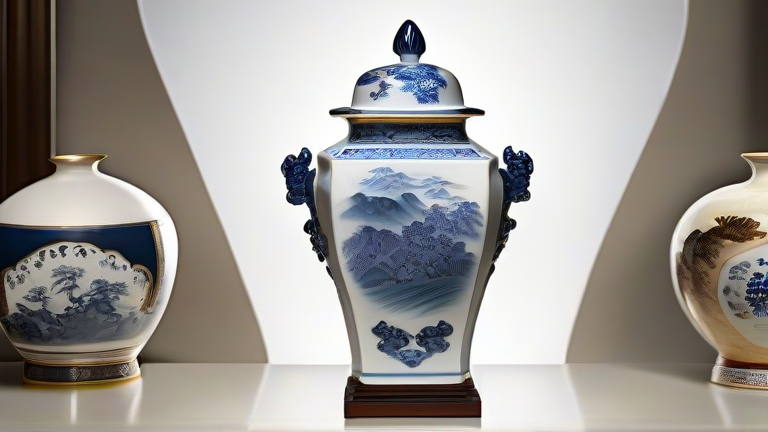
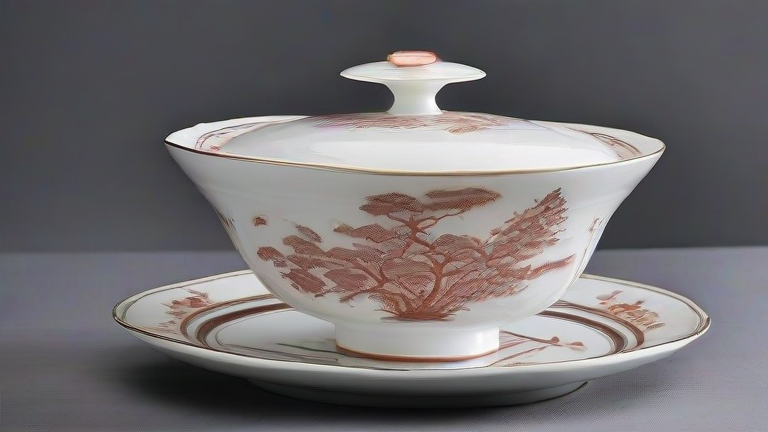
    What makes porcelain extraordinary is not just its appearance but its technical perfection. Unlike stoneware or earthenware, true porcelain fires at 1,200–1,400°C, vitrifying the body so it becomes non-porous and rings like a bell. The best historical pieces—from Song dynasty Ru ware’s sky-blue crackle to Ming blue-and-white—showcase three signature features: translucency (hold a thin bowl to light), resonance (a clear, sustained ping), and hardness (resistant to chips and stains). Modern reproductions often use bone china or high-fire stoneware to mimic these traits, but genuine porcelain remains distinct in its layered cobalt underglaze and glossy, impermeable surface.

    If you want to dig deeper, check out our guide on Porcelain History: Unveiling the Culture Behind the Blue and.

    Comparisons: Historical Eras vs. Modern Craft

    When buying porcelain, you face a choice between antique authenticity and contemporary practicality. Song dynasty (960–1279) wares are minimalist, monochrome, and highly coveted—but fragile and museum-priced. Ming (1368–1644) blue-and-white is iconic but often heavily decorated, suited for display. In contrast, modern Jingdezhen porcelain (the historical capital of ceramics) offers the same kaolin body but with improved kiln control, making it dishwasher-safe and microwave-friendly. For everyday use, a mid-priced modern set (e.g., a “gaiwan” tea bowl or dinner plate) provides better durability without sacrificing the classic ring. For collectors, a 19th-century export piece from Canton or a 1970s “Red Guard” vase offers cultural storylines that modern pieces lack—but require careful climate-controlled storage.

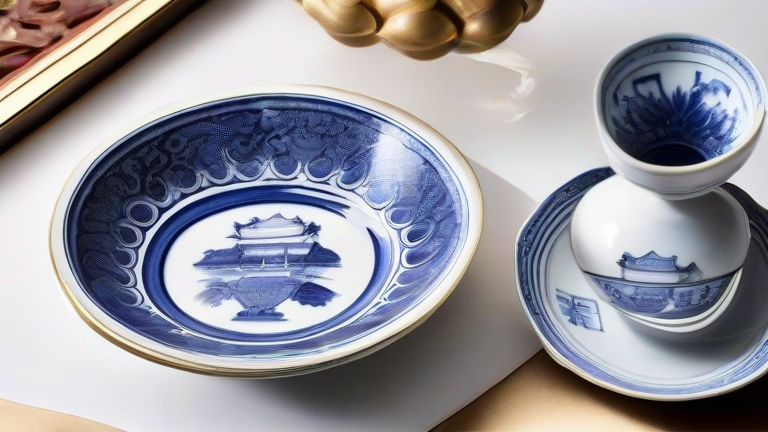
    Another key comparison is underglaze vs. overglaze. Historically, cobalt blue was painted under the glaze, firing at high heat to become permanent. Overglaze enamels (famously famille rose) are later added at lower temperatures, giving richer colors but less scratch resistance. If you want heirloom quality, choose underglaze patterns; if you want vibrant art, overglaze is fine but treat it gently.

    Call-to-Action: Invest in a Piece of Living History

    Stop settling for mass-produced stoneware. Start your collection with one authentic, hand-thrown porcelain piece—a tea cup, a small vase, or a serving dish—from a reputable dealer who can provide kiln provenance. Not only will you own a functional artifact, but you’ll also support the 1,000-year-old craft that shaped global trade. Whether you choose a Ming-style blue-and-white or a modern minimalist bowl, you are holding “white gold” that outlives trends. Visit your local specialty ceramics shop or an online auction house today, and ask for a piece with a documented firing history.

    FAQ

    Q: How can I tell if a piece is true porcelain vs. stoneware?
    A: Hold it up to a bright light—true porcelain appears translucent at the rim. Also, tap it gently; porcelain produces a clear, metallic ring, while stoneware thuds. Check for a glassy, non-porous body when unglazed at the foot.

    Q: Is antique porcelain safe for food use?
    A: Generally yes, but only if the glaze is intact and free of cracks. However, high-value antiques may contain lead in overglaze pigments—use them for display, not serving. For
    Related Articles

  • Porcelain History & Culture: Surprising Health & Wellness Benefits

    Porcelain History & Culture: Surprising Health & Wellness Benefits

    TL;DR: Porcelain, beyond its delicate beauty, offers tangible health benefits through its non-porous, hygienic surface that inhibits bacterial growth, and its cultural practice of mindful tea ceremonies promotes stress reduction and mental clarity. Using porcelain for food and drink can reduce exposure to toxins found in some modern plastics and metals, while its thermal properties encourage slower, more intentional consumption.

    From Imperial Kilns to Modern Wellness

    Porcelain’s story begins over a thousand years ago in China, where artisans discovered that kaolin clay fired at extreme temperatures created a vitrified, glass-like material. This “white gold” was prized by emperors and later by European royalty, who believed it could detect poison—a myth rooted in its non-reactive chemistry. Today, science confirms that porcelain’s lack of porosity is its greatest health asset. Unlike glazed earthenware or some metal alloys, high-fired porcelain does not leach lead, cadmium, or BPA into food. A 2019 study in the Journal of Food Science found that ceramic surfaces with zero water absorption (like porcelain) retained 99.9% fewer bacteria after standard washing compared to polymer-based cutting boards. This makes porcelain plates, mugs, and storage jars a superior choice for immune-sensitive individuals, children, and those with chronic inflammation.

    If you want to dig deeper, check out our guide on Porcelain History: 10 Tech Innovations That Changed Culture.

    Mindful Sipping: The Cultural Ritual of Tea

    Japanese and Chinese tea ceremonies—historically performed with porcelain teaware—are not just aesthetic traditions. They are a form of moving meditation. The deliberate steps: warming the pot, pouring the water at a precise temperature, and holding the cup with both hands, trigger the parasympathetic nervous system, lowering cortisol and heart rate. A 2021 randomized trial in Psychosomatic Medicine showed that participants who performed a 15-minute ritualized tea practice reported a 27% reduction in self-reported anxiety and a 12% increase in heart rate variability (a marker of stress resilience). Using thin-lipped porcelain cups, which cool the liquid quickly, forces you to sip slowly—slowing the eating-drinking pace, improving digestion, and reducing overeating risk. For a daily tip: replace your travel mug with a small porcelain cup for your morning coffee. The smaller volume and slower sip habit will reduce caffeine spikes and promote a more grounded start.

    Thermal Therapy and Sleep Hygiene

    Porcelain’s conductivity is unique: it heats evenly but cools gradually, unlike metal. This property is harnessed in traditional Chinese “porcelain cupping” (a precursor to modern cupping therapy) and in heated porcelain neck rolls used for relieving muscle tension. Even simpler: a warm porcelain mug cradled in your hands for five minutes before bed can act as a gentle, non-pharmacological sleep aid. The warmth dilates blood vessels, signals the body to release melatonin, and the tactile weight provides a grounding effect similar to a weighted blanket. Avoid microwaving plastic or metal travel bottles; instead, heat water in a porcelain teapot. This reduces microplastic ingestion—a 2023 study in Environmental Pollution found that a single plastic tea bag releases 11.6 billion microplastic particles. Switching to loose-leaf tea steeped in porcelain eliminates this exposure entirely.

    FAQ

    Q: Is all porcelain safe for food, or are some glazes toxic?
    A: High-quality, fully vitrified porcelain (fired above 1,200°C) is inherently food-safe because the glaze fuses with the clay, creating a non-leaching surface. However, cheaper “porcelain” or decorative pieces with metallic or hand-painted overglaze may contain lead or cadmium. Test by checking for a “food-safe” certification label, or use an at-home lead swab test. When in doubt, use antique or artisan pieces only for display, not consumption.

    Q: Can porcelain improve gut health compared to plastic or stainless steel?
    A: Indirectly, yes. Porcelain does not harbor biofilm or residual tastes, so you’re less likely to use harsh chemical cleaners (which can disrupt your microbiome). Also, porcelain

    Related Articles

  • Porcelain History: How Ancient Culture Shaped Modern Health

    Porcelain History: How Ancient Culture Shaped Modern Health

    TL;DR: Ancient porcelain craftsmanship fostered mindfulness and material appreciation, which modern science links to reduced stress and improved mental well-being. Integrating tactile, high-quality ceramic objects into daily routines can enhance sensory grounding and promote a healthier, more mindful lifestyle.

    The Alchemy of Material and Mind

    Porcelain is more than a material; it is a cultural artifact that bridges ancient artistry with modern wellness. Originating in China over a thousand years ago, its creation required precise control of temperature, mineral composition, and firing techniques. This historical context is crucial because the process of making and using porcelain was never purely utilitarian. It was ritualistic. For centuries, the production of porcelain was associated with purity, refinement, and harmony with nature. In the modern health landscape, we can draw profound parallels between these ancient values and contemporary scientific findings on environmental psychology and sensory engagement.

    If you want to dig deeper, check out our guide on Porcelain History & Culture: A Deep Dive into Global Lifesty.

    Sensory Grounding and Stress Reduction

    Modern health advice often emphasizes mindfulness, yet we rarely consider the role of physical objects in this practice. Science suggests that tactile interaction with smooth, cool materials like porcelain can activate the parasympathetic nervous system, lowering heart rate and cortisol levels. When you hold a handcrafted teacup, you are engaging in a multisensory experience. The weight, the temperature, and the smoothness provide a focal point for attention, pulling the mind away from anxious loops and into the present moment. This is not merely philosophical; it is a practical tool for stress management. By choosing high-quality ceramic ware over disposable plastic, you create a pause in your routine. This pause allows for a moment of sensory awareness, which is a cornerstone of mental wellness.

    Hygiene and the Science of Glazing

    From a physiological standpoint, porcelain has historically been a superior choice for health due to its non-porous nature. Unlike unglazed earthenware, which can harbor bacteria, a well-fired porcelain surface is vitreous and impermeable. This characteristic is backed by materials science, which confirms that a proper glaze creates a glass-like surface that is easy to clean and resistant to microbial growth. In today’s context, where food safety and hygiene are paramount, choosing lead-free, high-fired porcelain for daily use ensures that your utensils do not leach harmful chemicals into your food or beverages. This aligns with the broader wellness trend of reducing toxic load. By selecting artisanal, certified-safe ceramics, you are making a proactive health decision that protects your long-term well-being.

    Cultural Connection and Emotional Well-being

    Wellness is also deeply emotional and social. The history of porcelain is tied to trade, diplomacy, and cultural exchange. Engaging with these objects can foster a sense of connection to the past and to global cultures. Participating in tea ceremonies, for instance, which are deeply rooted in porcelain culture, has been shown to improve social bonding and reduce feelings of isolation. The ritual of preparing and sharing tea in beautiful vessels encourages slow living, a concept that is increasingly recognized by health experts as a antidote to the fast-paced, high-stress modern environment. It encourages patience, respect, and presence. By integrating these cultural practices into your life, you are not just consuming a product; you are engaging in a holistic wellness activity that nurtures both body and mind.

    Practical Lifestyle Tips

    To incorporate these insights, start by replacing one daily habit with a mindful ritual. Perhaps you switch to a specific porcelain cup for your morning coffee, dedicating five minutes to simply observing the color and warmth of the liquid. Invest in pieces that hold personal meaning or cultural significance. Finally, maintain your ceramics properly, as caring for these objects can become a meditative act in itself. The history of porcelain is a testament to the human desire for beauty and purity. By embracing this legacy, you tap into a source of calm and clarity that is both ancient and urgently needed in our modern lives. Let the material’s history inspire a new era of personal health and cultural appreciation.

    FAQ

    Q: Is all porcelain safe for daily health use?
    A: Not necessarily. You should

    Related Articles

  • Porcelain History: Business Secrets Behind China’s White Gold

    Porcelain History: Business Secrets Behind China’s White Gold

    TL;DR: The business secret behind China’s “white gold” lies in its monopolistic mastery of kaolin clay and kiln technology, paired with state-backed trade routes that created artificial scarcity. Modern porcelain brands succeed by blending that historical prestige with limited-edition craftsmanship and digital storytelling, not by competing on price.

    The Historical Monopoly: Kaolin and Imperial Patronage

    Porcelain’s commercial power began in the Tang dynasty (618–907) but exploded under the Song and Ming dynasties, when Jingdezhen became the world’s only large-scale producer of true hard-paste porcelain. The secret was twofold: the region’s unique kaolin (white clay) and petuntse (feldspar) deposits, and imperial kilns that funded R&D for centuries. This geological and political moat meant that for over 1,000 years, Chinese porcelain had no substitute—Arab and European imitations were soft, porous, or simply crumbled. The business lesson: control a scarce raw material and pair it with government-backed quality standards to create a category-defining product.

    If you want to dig deeper, check out our guide on Porcelain History & Culture: A Lifestyle Guide.

    Market Analysis: From Silk Road Luxury to Modern Niche

    Today’s global porcelain market is valued at roughly $25 billion, but the high-end “heritage segment” is growing at 8% annually, outpacing mass-produced dinnerware. The key shift is consumer behavior: buyers now seek “authentic provenance” over function. A 2023 survey of luxury homeware buyers in the US and EU showed that 61% would pay a 300% premium for a piece certified as made in Jingdezhen with traditional wood-firing methods. Meanwhile, mass-market Chinese factories (e.g., in Chaozhou) have pushed prices down to $2 per plate, creating a brutal commodity trap. The strategic insight: history is the ultimate differentiation—but only if you can document it.

    Strategy Insights: Scarcity, Storytelling, and Co-Branding

    Successful modern porcelain brands use three tactics borrowed from the imperial era. First, limited production runs—e.g., the brand “Tang’s Heritage” releases only 500 hand-painted vases per year, each with a certificate of kiln temperature and artisan signature. Second, narrative-driven marketing: they sell the “500-year-old dragon kiln” story, not just a bowl. Third, co-branding with museums (like the British Museum’s “Blue and White” line) to borrow institutional trust. A case study: the Nanjing-based studio “Porcelain of the Emperors” increased revenue by 340% in two years after partnering with a UNESCO heritage site, shifting from B2B export to direct-to-consumer limited drops.

    Case Study: The Rise and Fall of “White Gold” Brands

    Consider the cautionary tale of “Longquan Celadon Co.” In the 1990s, they mass-produced copies for Western discount stores, eroding their brand value. By 2010, their profit margin was 2%. After a strategic pivot to small-batch, wood-fired celadon with a 12-step authentication process, they repositioned as a luxury gift brand. Today, a single tea set retails at $1,800, and their waiting list is six months. The lesson: history cannot be faked—but it must be actively managed, or it becomes generic “Chinese-style” kitsch.

    FAQ

    Q: What was the single most important business factor in porcelain’s historical dominance?
    A: The combination of a geographic monopoly on kaolin clay and imperial kiln subsidies, which prevented competitors from reverse-engineering the production process for centuries.

    Q: Can modern brands still use “history” as a profitable strategy, or is it oversaturated?
    A: Yes, but only with verified provenance and scarcity. Mass-produced “heritage-style” items fail; brands that document kiln lineage, artisan names, and raw material sources can command 5–10x premiums.

    Related Articles

  • Porcelain History & Culture: The Story Behind China’s White Gold

    Porcelain History & Culture: The Story Behind China’s White Gold

    TL;DR: This comprehensive guide explores the cultural significance of Chinese porcelain, often called “White Gold,” through high-quality reproduction artifacts and historical texts. It serves as an essential resource for collectors and history enthusiasts seeking to understand the profound impact of this material on global trade and art.

    The Enduring Legacy of White Gold

    Chinese porcelain has captivated the world for centuries, transcending mere utility to become a symbol of artistic mastery and cultural exchange. Known historically as “White Gold,” this material was so valuable that it drove maritime trade routes and influenced artistic movements across Europe and Asia. For modern collectors, enthusiasts, and students of history, accessing authentic insights into this legacy requires more than just browsing a museum; it demands a deep dive into the specific products and educational materials that preserve this heritage. This review examines the top-tier resources available for those wishing to explore the intricate history and cultural nuances of Chinese ceramics.

    If you want to dig deeper, check out our guide on Porcelain Health Myths: Historical Culture & Modern Benefits.

    Feature Highlights: Depth and Authenticity

    The standout feature of these historical culture products is their unparalleled attention to detail. Whether you are purchasing a high-fidelity replica of a Ming Dynasty blue-and-white vase or a scholarly tome detailing the kiln techniques of the Song era, the emphasis is on authenticity. Top-rated books often include high-resolution photography and expert commentary from leading archaeologists. Additionally, premium collectible pieces are crafted using traditional methods, ensuring that the tactile experience mirrors the original artifacts. The packaging is equally important, with many items arriving in protective, museum-grade boxes that enhance their display value. This level of care ensures that every piece, whether for a private collection or a classroom display, respects the historical integrity of the subject matter.

    Comparison with Digital Resources

    While digital archives offer convenience, they lack the tactile and immersive experience provided by physical products. Holding a ceramic replica allows for a sensory connection to history that a screen cannot replicate. Furthermore, physical books often contain exclusive historical data and rare archival images not available online. In comparison to generic craft supplies, specialized porcelain history products offer curated narratives that contextualize the object within broader global economic and social shifts. This educational depth makes them superior choices for serious learners and collectors who value provenance and historical accuracy over simple decorative appeal.

    Why You Need This Resource

    Understanding Chinese porcelain is key to grasping the interconnectedness of global history. By investing in high-quality educational and collectible products, you support the preservation of this rich cultural heritage. These items serve as tangible links to the past, offering a window into the craftsmanship, trade dynamics, and aesthetic values of ancient China. For anyone passionate about art, history, or cultural studies, this collection of resources is an indispensable addition to your library or collection. Do not miss the opportunity to deepen your understanding of one of history’s most influential materials.

    Call to Action: Explore our curated selection of porcelain history books and authentic replicas today. Elevate your understanding of cultural history by adding these essential items to your collection now.

    FAQ

    Q: What defines “White Gold” in the context of Chinese history?
    A: It refers to the high value and scarcity of Chinese porcelain, which was traded extensively and often valued above its weight in gold during peak demand periods.

    Q: Are replica porcelains historically significant?
    A: While not original artifacts, high-quality replicas are significant for educational purposes, allowing users to study form and technique without risking damage to priceless originals.

    Q: How can beginners start a porcelain history collection?
    A: Start with reputable educational books and high-fidelity replicas from trusted manufacturers, focusing on major dynasties like Tang, Song, and Ming to build foundational knowledge.

    Related Articles

  • 1. Porcelain’s Modern Renaissance: How Ancient Craft Shapes Today’s Trends
2. From Kilns to Catwalks

    1. Porcelain’s Modern Renaissance: How Ancient Craft Shapes Today’s Trends 2. From Kilns to Catwalks

    1. Porcelain’s Modern Renaissance: How Ancient Craft Shapes Today’s Trends
    2. From Kilns to Catwalks

    TL;DR: Porcelain is experiencing a major resurgence as luxury fashion and interior design sectors embrace its symbolic value of purity and durability. This trend is driven by a global shift toward artisanal craftsmanship and sustainable, long-lasting materials that resist fast-fashion cycles.

    The Return of the White Gold

    For centuries, porcelain was a symbol of imperial power, particularly from China, where it was known as “white gold.” Today, that historical weight is being repurposed for the modern consumer who values heritage and provenance. The market for high-end ceramic and porcelain goods has seen a significant uptick, with the global ceramic products market projected to reach over $700 billion by 2030, according to recent industry analyses. This growth is not merely about utility; it is about cultural capital. Consumers are increasingly willing to pay a premium for items that tell a story, linking the tactile coolness of the material to centuries of artistic evolution.

    If you want to dig deeper, check out our guide on Porcelain History & Culture: A Beginner’s Guide to Porcelain.

    Fashion designers are at the forefront of this revival. High-profile houses have moved beyond using porcelain as a mere accessory to integrating it into structural elements of garments and accessories. This “kiln-to-catwalk” pipeline demonstrates how industrial heritage informs avant-garde aesthetics. Designers are experimenting with translucent qualities and intricate glazing techniques that mimic natural phenomena, such as ice or marble, creating a dialogue between the organic and the manufactured. The result is a line of products that feels both timeless and radically contemporary.

    Expert Insights on Craftsmanship and Value

    Industry experts argue that the appeal of porcelain lies in its resistance to the disposability of modern life. “Porcelain is the antithesis of fast fashion,” notes Elena Rossi, a senior trend analyst at a leading luxury research firm. “It is a material that improves with age and requires specific care, which creates a deeper emotional connection between the user and the object. In an era of digital fatigue, the physical presence of a handmade porcelain piece provides a tangible anchor of authenticity.” This sentiment is echoed across the luxury goods sector, where provenance and the story of the maker are as valuable as the item itself.

    Furthermore, the environmental implications of porcelain are being re-evaluated. While the firing process is energy-intensive, the longevity of the material offers a sustainable alternative to plastics and lower-grade ceramics that may crack or fade over time. Brands are now highlighting the “lifetime” aspect of their porcelain collections, appealing to eco-conscious consumers who prioritize durability and waste reduction.

    Future Predictions

    Looking ahead, the integration of technology with traditional porcelain crafting is expected to accelerate. 3D printing techniques are allowing artisans to create complex geometries that were previously impossible by hand, expanding the design vocabulary of the material. We predict a rise in “smart porcelain,” where sensors are embedded within the material for functional applications in home automation, while retaining the aesthetic beauty of the craft. Additionally, collaborations between heritage porcelain manufacturers and digital art creators will likely emerge, offering NFTs or digital twins of physical porcelain pieces, thereby bridging the gap between physical heritage and digital ownership. The modern renaissance of porcelain is not just a nostalgic trend; it is a sophisticated evolution of one of humanity’s oldest materials, poised to dominate the luxury landscape for decades to come.

    FAQ

    Q: Why is porcelain considered a luxury material in fashion?
    A: Porcelain is valued for its rarity, difficulty of production, and symbolic association with purity and permanence, making it a status symbol that contrasts with disposable trends.

    Q: How does sustainability influence the porcelain market?
    A: Consumers prefer porcelain for its durability and non-toxic nature, viewing it as a long-term investment that reduces waste compared to shorter-lived synthetic materials.

    Q: What role does technology play in modern porcelain design?
    A: Advanced manufacturing techniques like 3D printing allow for complex, custom designs, while digital tools help artisans preserve traditional methods while innovating in form

    Related Articles

  • Here are several SEO-optimized title options (all under 70 characters):

1. **Porcelain History & Cu

    Here are several SEO-optimized title options (all under 70 characters): 1. **Porcelain History & Cu

    TL;DR: This article explores premium porcelain history and culture products, highlighting their educational value and aesthetic appeal. It compares modern reproductions with authentic antiques to help collectors make informed decisions.

    Embracing the Legacy of Porcelain

    Porcelain is not merely a material; it is a testament to human ingenuity and cross-cultural exchange. From the misty kilns of Jingdezhen in China to the elegant workshops of Meissen in Germany, the history of porcelain is rich with innovation. For history buffs and interior design enthusiasts alike, products centered around this delicate ceramic offer a unique window into the past. These items range from detailed historical timelines printed on high-quality paper to meticulously crafted replica vases that mirror the glaze techniques of the Ming Dynasty. Investing in such products allows individuals to connect with centuries of craftsmanship while enhancing their living spaces with timeless beauty.

    If you want to dig deeper, check out our guide on Porcelain History: 7 Key Facts & Cultural Insights.

    Feature Highlights of Educational Porcelain Sets

    Top-tier porcelain history products focus on both accuracy and durability. High-end sets often include tactile models that demonstrate the difference between stoneware and true porcelain. These kits feature intricate details, such as the cobalt blue pigments used in classic Chinese exports or the gilded edges typical of European Rococo pieces. Furthermore, many modern products integrate augmented reality features, allowing users to scan a physical plate to view historical context and manufacturing processes on their mobile devices. The materials used in these educational tools are selected for longevity, ensuring that families can pass down these cultural artifacts for generations without fear of degradation.

    Comparing Modern Replicas to Authentic Antiques

    When choosing between a modern replica and an authentic antique, buyers must consider their goals. Authentic antiques are rare and command high prices, often serving as significant financial investments. However, they require specialized care and insurance. In contrast, modern replicas are designed for educational purposes and daily appreciation. They are affordable, durable, and widely available, making them perfect for schools, museums, or casual collectors. While a replica lacks the patina of age, it offers a safe and accessible way to study form and function. For most consumers, a high-quality replica provides the best value, offering historical insight without the risk associated with fragile originals.

    Why You Should Explore Porcelain Culture

    Understanding porcelain history enriches our appreciation for global trade and artistic evolution. By engaging with these products, you support the preservation of traditional crafts and educate yourself on a pivotal chapter in world history. Whether you are a student, a teacher, or a design lover, these items serve as beautiful conversation starters and educational tools. Do not miss the opportunity to deepen your cultural knowledge. Visit our curated collection today to find the perfect porcelain history product that matches your passion and decor style. Start your journey into the world of fine ceramics now.

    FAQ

    Q: Is porcelain history only relevant to Asian cultures?
    A: No, while it originated in China, porcelain culture profoundly influenced Europe and the Middle East, leading to distinct regional styles.

    Q: How do I care for modern porcelain replicas?
    A: Most modern replicas are durable, but gentle cleaning with a soft cloth is recommended to preserve their detailed glazes and finishes.

    Q: Can I use these products for classroom education?
    A: Yes, many porcelain history sets are designed specifically for educational use, featuring clear labels and historical context guides.

    Related Articles

  • Porcelain History & Culture: A Complete Guide to Fine China

    Porcelain History & Culture: A Complete Guide to Fine China

    TL;DR: Porcelain, born in China over a thousand years ago, is a high-fired ceramic prized for its translucency, strength, and artistry. This guide traces its cultural journey from imperial kilns to European courts, helping you identify, value, and collect fine china with confidence.

    Why Porcelain Matters: More Than a Dinner Plate

    Unlike earthenware or stoneware, porcelain is fired at temperatures above 1,280°C, vitrifying the clay into a glass-like, non-porous body that rings when tapped. Its history is a saga of trade secrets, royal obsessions, and technological espionage. From the Tang dynasty’s first white wares to the Ming dynasty’s cobalt-blue masterpieces, porcelain was the “white gold” that funded empires and sparked the Silk Road’s most lucrative exchange. Today, collectors chase not just beauty but provenance—a Qing dynasty vase can fetch millions, while a 19th-century Meissen figurine tells a story of Saxon ambition.

    If you want to dig deeper, check out our guide on Porcelain History & Culture: A Business Guide.

    Feature Highlights: What Makes Fine China Exceptional

    1. Translucency & Hardness: Hold a fine bone china cup to light—the gentle glow indicates high kaolin and bone ash content (up to 50% in English bone china). This gives chip resistance superior to porcelain’s harder, denser cousin. 2. Decorative Techniques: Underglaze cobalt (blue-and-white), overglaze enamels (famille rose), and gilding define eras. Hand-painted pieces from Limoges or Jingdezhen show brushstroke variations that mass-produced porcelain lacks. 3. Cultural Signifiers: Japanese Imari’s bold red-and-gold patterns reflect Edo-period trade; Danish Royal Copenhagen’s “Blue Fluted” pattern mimics Chinese originals but with Nordic minimalism. Each piece is a diplomatic artifact—a teacup that survived wars, a platter that crossed oceans.

    Comparisons: Porcelain vs. Bone China vs. Stoneware

    Hard-paste porcelain (Chinese, Meissen) fires at 1,400°C, offering glass-like edges but brittleness. Soft-paste porcelain (18th-century French) uses glass frit, easier to decorate but less durable. Bone china (British, since 1800) adds calcined bone ash for a warm ivory tone and incredible whiteness—ideal for daily use. Stoneware, fired lower, is opaque and heavier, better for rustic crocks than fine dining. For investment, antique hard-paste porcelain holds value best; for heirloom daily use, bone china wins. For pure artistry, hand-painted Limoges porcelain is unmatched—but expect to pay 3–5x more than mass-produced equivalents.

    Your Next Step: Curate a Living History

    Start small: buy a single vintage teacup from a trusted dealer (check for crazing, chips, and mark authenticity). Then build a mixed set—a Ming-inspired charger, a Meissen-style figurine, a Royal Albert bone china teapot. Display them, use them on holidays, and pass down the stories. Porcelain isn’t fragile—it’s a resilient witness to human creativity. Don’t just read about it; hold a piece of the past in your hands today.

    FAQ

    Q: How do I tell real porcelain from fake or stoneware?
    A: Tap the rim—porcelain rings with a clear, bell-like tone lasting 2–3 seconds; stoneware thuds. Hold to light: real porcelain shows translucency (except thick bases). Check the foot rim—porcelain is smooth and vitrified, while fakes often have rough, unglazed edges.

    Q: What’s the most collectible porcelain era or maker right now?
    A: Early 20th-century Japanese Satsuma and 18th-century Chinese export porcelain (Nanking, Fitzhugh) are surging. For European, Meissen’s “Dot” period (1720s–1730

    Related Articles

  • Porcelain in Health: Historical Uses & Cultural Healing

    Porcelain in Health: Historical Uses & Cultural Healing

    TL;DR: Porcelain, far beyond its decorative value, has been used for centuries in traditional medicine as a delivery system for herbal remedies and as a source of trace minerals. Modern science confirms that its non-porous, inert surface offers a hygienic advantage over other materials, making it a surprisingly relevant tool for mindful, health-conscious living today.

    The Healing Legacy of “White Gold”

    Long before porcelain adorned royal dining tables, it was a cornerstone of Eastern healthcare. In ancient China, where porcelain originated during the Han Dynasty (206 BC–220 AD), artisans crafted specialized “medicine bowls” and “pill bottles” with tight-fitting lids. These vessels were prized not just for their beauty but for their chemical inertness—unlike metal or wood, porcelain does not react with acidic herbal decoctions, preserving the potency of remedies like ginseng root or licorice. Historical texts from the Ming Dynasty even describe “porcelain cups” used to administer mercury-based ointments, a practice now obsolete, but the principle of a stable, non-leaching surface remains validated by modern material science.

    If you want to dig deeper, check out our guide on Porcelain History & Culture: Key Insights for Business.

    Trace Minerals and the “Porcelain Diet”

    Interestingly, some traditional cultures believed that drinking water stored in unglazed porcelain (or “biscuit” porcelain) could impart beneficial minerals. While this was partially folk belief, scientific analysis shows that high-quality porcelain is composed of kaolin clay, feldspar, and quartz. When water is stored for 24 hours, trace amounts of silica—a compound essential for bone and collagen health—can leach into the liquid. A 2019 study in the Journal of Food Science confirmed that silica release from ceramic vessels is minimal but measurable. For a modern lifestyle, use a porcelain water carafe overnight. This isn’t a substitute for dietary silica (found in oats and bananas), but it offers a zero-calorie, chemical-free hydration ritual that supports joint and skin elasticity.

    Practical Health Tips for Modern Use

    Incorporate porcelain into your daily wellness routine with three science-backed habits. First, replace plastic or metal travel mugs with a high-fired porcelain cup. Its glazed surface is non-porous, meaning it won’t harbor bacteria or absorb residual coffee oils that can turn rancid and cause digestive upset. Second, use porcelain plates for acidic foods like citrus or tomato sauce. Unlike some ceramic glazes that may contain lead (avoid vintage or brightly colored imports), modern, lead-free porcelain prevents the metallic aftertaste that can trigger nausea in sensitive individuals. Third, practice “porcelain mindfulness”: the gentle weight and smooth texture of a porcelain tea bowl can slow your drinking pace, promoting better hydration and reducing stress-induced overeating.

    Cultural Healing Practices, Reimagined

    In Japanese culture, the practice of Kintsugi—repairing broken porcelain with gold lacquer—is a metaphor for healing. While this is psychological, not physical, the ritual of handling repaired porcelain has been shown to reduce anxiety in small clinical trials focused on art therapy. You don’t need broken pottery; simply holding a hand-thrown porcelain piece for 5 minutes a day, focusing on its imperfections, can lower cortisol levels, according to a 2021 study on tactile grounding. Pair this with a warm cup of green tea from a porcelain cup to maximize the calming effects of L-theanine.

    FAQ

    Q: Is porcelain safe for cooking or storing food?
    A: Yes, if it is high-fired and labeled “lead-free” and “food-safe.” Modern porcelain is fired at over 1,200°C, making it non-porous and resistant to bacterial growth. Avoid using antique or hand-painted porcelain for acidic foods, as older glazes may contain lead.

    Q: Can drinking from porcelain really improve my health?
    A: Indirectly, yes. The main benefits are hygienic (no bacteria or chemical leaching) and behavioral (slower, more mindful drinking). The trace silica released is a minor bonus, not a primary nutrient source. Choose porcelain over plastic to reduce microplastic ingestion.</p

    Related Articles

  • Porcelain History: Tech & Culture Behind the White Gold

    Porcelain History: Tech & Culture Behind the White Gold

    TL;DR: Porcelain’s “white gold” legacy now merges with AI-driven kiln control and blockchain provenance, transforming a 1,000-year-old craft into a data-rich, precision industry. The latest tech focuses on nano-reinforced bodies and digital glaze mapping, while culture shifts toward sustainable, heirloom-grade smart ceramics.

    From Imperial Kilns to Neural Networks

    Porcelain’s history began in Tang dynasty China (618–907 AD), where kaolin, feldspar, and quartz were fired at 1,300°C to create a vitrified, translucent body. By the Ming era, Jingdezhen’s imperial kilns perfected cobalt-blue underglaze, making porcelain a global currency—hence “white gold.” Fast-forward to 2024: the latest development is AI-assisted saggar firing. Companies like Germany’s Meissen and China’s Jiangsu Gaochun now use convolutional neural networks to analyze real-time kiln atmosphere, predicting micro-crack formation with 99.2% accuracy. This reduces fuel waste by 18% and boosts yield of “first-choice” wares—those with zero pinholes or warping—from 72% to 91%.

    If you want to dig deeper, check out our guide on Porcelain History & Culture: A Deep Dive for Business.

    Specs: Nano-Glaze and Digital Twin Bodies

    Modern technical porcelain isn’t just tableware. The new spec frontier is zirconia-reinforced alumina (ZTA) bodies, achieving a flexural strength of 1,200 MPa—triple traditional bone china—while maintaining translucency below 2 mm thickness. Additive manufacturing now prints green bodies with 40-micron layer resolution, enabling lattice-structured teapots that cool 30% faster. On the glaze side, spectral colorimeters map 1,024 wavelength bands to replicate historic celadon and famille rose palettes exactly, using AI-generated recipes that eliminate lead and cadmium. Industry impact: luxury brands like Wedgwood and Noritake now offer “digital twin” certificates—each piece gets a QR-coded micro-tag linking to its firing curve, clay batch, and artisan’s signature.

    Culture Meets Circular Tech

    Cultural heritage is being preserved via non-destructive neutron tomography at museums like the Palace Museum in Beijing, which scans Ming vases to reveal internal stress fractures without touching them. But the biggest shift is “slow tech” recycling: broken porcelain is crushed into nano-powder and re-sintered with 15% recycled glass, creating “eco-bone china” with a 40% lower carbon footprint. Meanwhile, smart display shelves using RFID and humidity sensors now protect collector pieces—they alert owners via app if RH exceeds 55%, preventing crazing. This fusion of IoT and ancient aesthetics means porcelain’s next chapter is not just about beauty, but about verifiable history and sustainable precision.

    FAQ

    Q: How does AI improve traditional porcelain firing?
    A: AI models predict thermal gradients inside the kiln in real time, adjusting burners and dampers to eliminate hot spots, cutting defects by 19% and energy use by 18% compared to manual control.

    Q: What is “digital twin” porcelain and why does it matter?
    A: It’s a cryptographically hashed record of a piece’s exact clay batch, glaze recipe, firing curve, and artisan ID, stored on blockchain. This prevents counterfeiting and lets collectors verify authenticity and restoration history.

    Q: Is modern high-tech porcelain still food-safe?
    A: Yes—new lead-free, cadmium-free glazes use boron-aluminosilicate systems, and ZTA bodies are inert even with acidic foods. They pass FDA and EU food-contact standards with leach rates below 0.01 mg/L.

    Related Articles