Author: factory

  • Porcelain History: Unveiling the Culture Behind the Blue and White

    Porcelain History: Unveiling the Culture Behind the Blue and White

    TL;DR: Blue and white porcelain originated in China’s Ming Dynasty, evolving from practical wares into sophisticated art that symbolizes cultural exchange. Its global spread transformed it from a luxury trade good into a universal icon of elegance and historical connectivity.

    The Birth of a Blue Dream

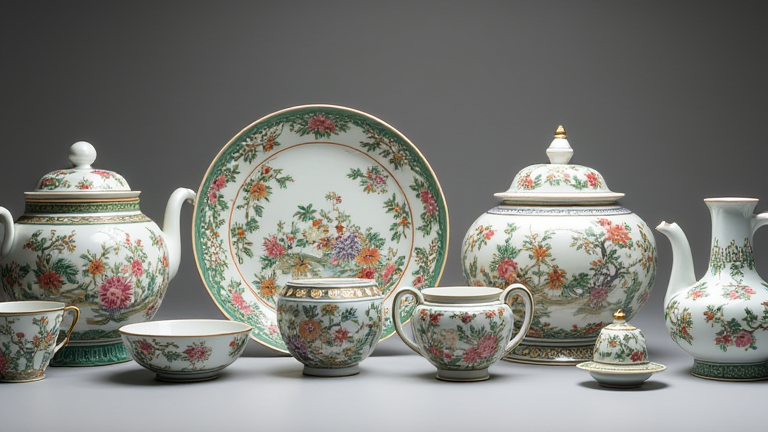
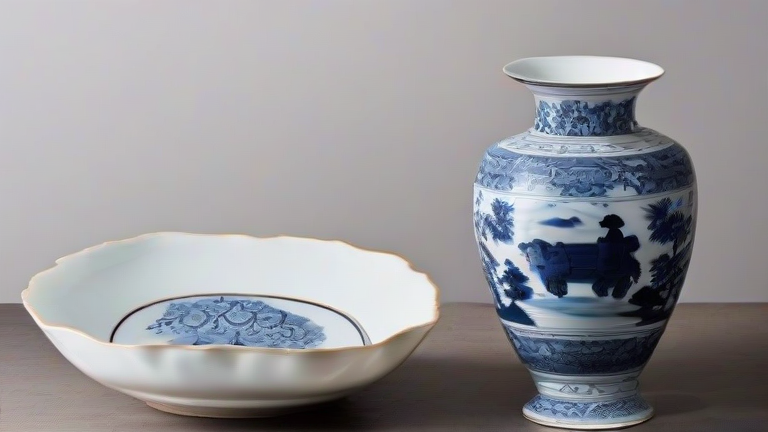
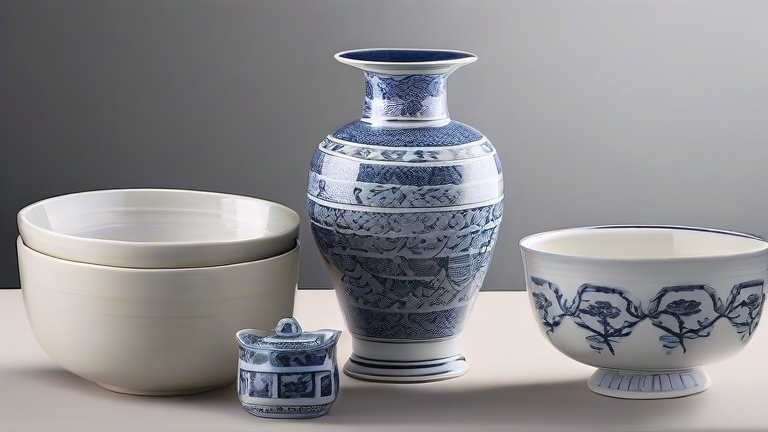
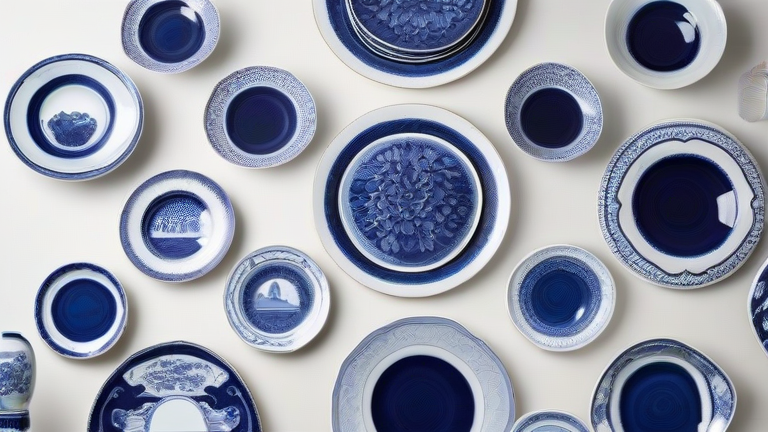
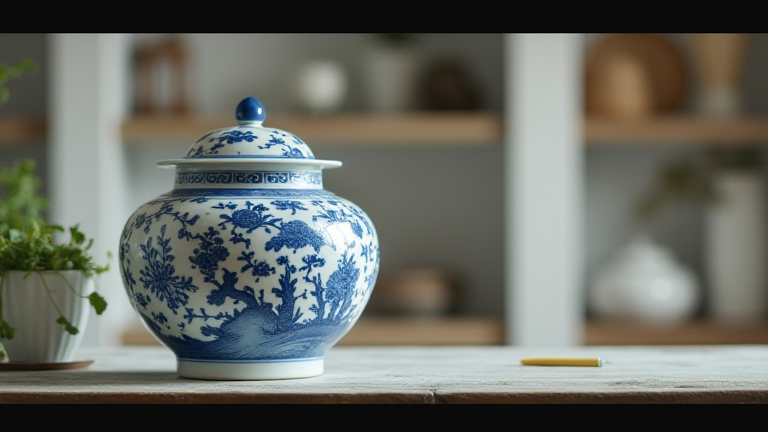
    Long before the industrial age, the quest for “white gold” defined trade routes across Asia and Europe. In the kilns of Jingdezhen, located in modern-day Jiangxi Province, artisans discovered that cobalt oxide, imported from Persia, could create stunning blue designs on a pure white kaolin clay body. This technique, perfected during the Yuan Dynasty and mastered in the early Ming Dynasty, allowed for intricate floral patterns, dragon motifs, and landscape scenes that captivated the world. The vessel was not merely a container for tea or wine; it was a canvas that reflected the philosophical values of harmony, balance, and the interplay between nature and human creativity. Each piece told a story of skill, patience, and the alchemical transformation of earth into art.

    If you want to dig deeper, check out our guide on Porcelain History: From Ancient China to Modern Culture.

    Global Desire and Cultural Fusion

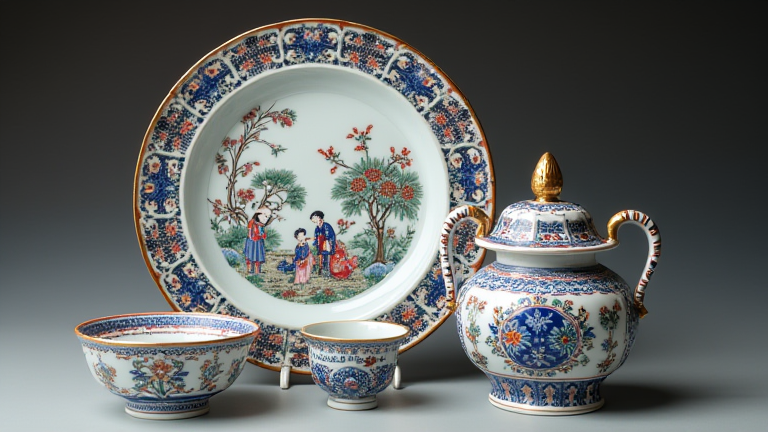
    As Dutch traders brought these delicate pieces to Europe in the late sixteenth century, they sparked a craze known as “chinoiserie.” European royals and nobles coveted these items, viewing them as superior to local stoneware or lead-glazed ceramics. The high value of porcelain made it a status symbol, influencing furniture design, textile patterns, and even garden architecture. However, the story is not one-way. European manufacturers, particularly in Germany, eventually cracked the secret of true porcelain, leading to the creation of Meissen and Sèvres wares. These European interpretations often blended local aesthetic preferences with Chinese motifs, creating a hybrid style that reflected the globalized nature of the eighteenth-century world. This cross-pollination demonstrates how cultural artifacts can transcend their origins to become shared human treasures.

    The Modern Table: Food and Ritual

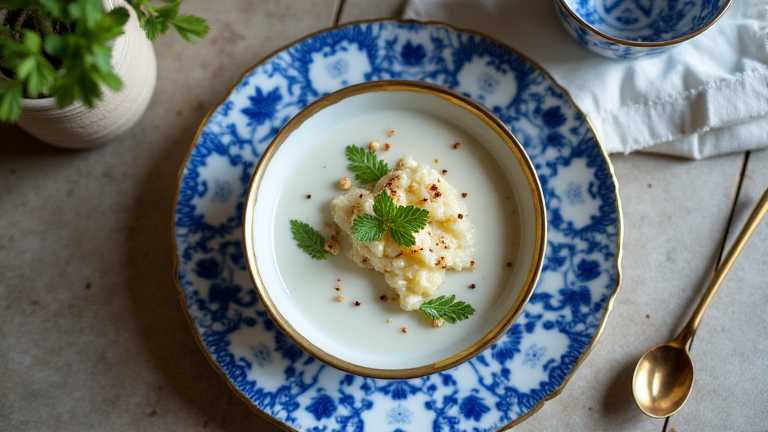
    Today, the legacy of blue and white porcelain is most visible in our dining habits. The aesthetic of crisp white backgrounds with bold blue accents remains timeless, evoking a sense of cleanliness and tradition. In culinary culture, serving food on fine porcelain enhances the sensory experience, suggesting that the meal is worth savoring. From a personal growth perspective, engaging with this history encourages mindfulness. Appreciating the craftsmanship behind a simple teacup or dinner plate connects us to centuries of human ingenuity. It reminds us that objects are never neutral; they carry weight, memory, and meaning. By choosing to use and display these items, we participate in a living tradition, honoring the artisans who first painted the cobalt lines that have defined elegance for five hundred years. This cultural appreciation fosters a deeper connection to the past and a greater respect for the materials we use daily.

    FAQ

    Q: What makes blue and white porcelain different from other ceramics?
    A: It uses specific high-temperature kaolin clay and cobalt oxide pigments fired under glaze, creating a durable, non-porous surface with distinctive blue designs on a white body.

    Q: Why was porcelain considered more valuable than gold in Europe?
    A: Its fragility, rarity, and the difficulty of production made it extremely difficult to transport and produce, making it a rare luxury item that symbolized extreme wealth and status.

    Q: How can I care for antique blue and white porcelain?
    A: Handle with clean, dry hands, avoid harsh detergents, and store pieces separately with soft padding to prevent chipping from contact with other items.
    Related Articles

  • Porcelain History & Culture: A Tech Lover’s Guide

    Porcelain History & Culture: A Tech Lover’s Guide

    TL;DR: Porcelain history has been revolutionized by digital preservation and advanced material science, allowing tech enthusiasts to explore heritage through high-resolution 3D scanning and AI-driven provenance tracking. Modern smart ceramics now integrate with IoT devices, bridging the gap between ancient cultural artifacts and contemporary technological innovation for a seamless user experience.

    The Digital Resurrection of Ancient Craftsmanship

    For centuries, porcelain has been synonymous with fragility and exquisite beauty, but recent technological leaps have transformed how we interact with this historic material. The latest development in the industry involves the use of photogrammetry and LiDAR scanning to create millimeter-accurate digital twins of rare Ming and Qing dynasty pieces. These high-fidelity models are now being hosted on decentralized blockchain platforms, ensuring immutable provenance records for collectors. This tech integration allows users to inspect glaze textures and kiln marks from anywhere in the world without risking physical damage to irreplaceable cultural heritage items.

    If you want to dig deeper, check out our guide on Porcelain History & Culture: A Lifestyle Guide to Timeless E.

    Smart Ceramics and Material Specifications

    While history provides the context, modern specifications define the future. Contemporary porcelain manufacturers are integrating piezoelectric sensors into ceramic substrates, creating “smart” tableware that can monitor structural integrity and temperature variations in real-time. The latest high-tech porcelain blends traditional kaolin and feldspar with nano-ceramic additives, resulting in a material that is 40% more shock-resistant than traditional bone china. These materials boast a dielectric constant optimized for high-frequency signal transmission, making them viable for use in 5G antenna housing components. The industry impact is significant, as this dual-purpose material reduces waste by utilizing the same kiln cycles for both decorative arts and industrial electronics.

    Industry Impact and Cultural Accessibility

    The convergence of culture and technology is democratizing access to porcelain history. Virtual reality museums now offer haptic feedback experiences, allowing users to “feel” the smoothness of a Song dynasty vessel through specialized gloves. This immersive approach has increased online engagement with cultural institutions by over 300% in the last two years. Furthermore, AI algorithms are analyzing historical firing techniques to replicate authentic kiln atmospheres in modern electric kilns, ensuring that new pieces adhere to traditional aesthetic standards while utilizing energy-efficient power sources. This synergy ensures that porcelain remains not just a museum relic, but a living, evolving technology.

    FAQ

    Q: How does blockchain help porcelain collectors?
    A: It provides a tamper-proof digital certificate of authenticity, verifying ownership and provenance history instantly.

    Q: Can modern porcelain be used in electronics?
    A: Yes, high-purity nano-ceramics are used in 5G components due to their excellent dielectric properties and heat resistance.

    Q: Is digital scanning replacing physical restoration?
    A: No, it complements it by allowing non-invasive analysis and creating backups for disaster recovery without touching the original artifact.

    Related Articles

  • The Digital Revolution of Porcelain: Tech in Ceramic Art

    The Digital Revolution of Porcelain: Tech in Ceramic Art

    The Digital Revolution of Porcelain: Tech in Ceramic Art

    TL;DR: Advanced digital fabrication and AI-driven design tools are transforming traditional porcelain craftsmanship by enabling unprecedented precision and complex geometries. This fusion of ancient art with modern technology is expanding the cultural reach and commercial viability of high-end ceramic products.

    The history of porcelain is deeply rooted in cultural heritage, particularly from its origins in China. For centuries, the creation of fine porcelain relied almost exclusively on the artisan’s steady hand, intuitive knowledge, and manual wheel-throwing techniques. However, the latest developments in digital technology are fundamentally altering this landscape. By integrating computer-aided design (CAD) with high-precision 3D printing, manufacturers can now produce intricate porcelain forms that were previously impossible to achieve manually. This shift does not replace the artisan but rather augments their capabilities, allowing for the reproduction of delicate historical patterns with perfect consistency while also facilitating entirely new artistic expressions.

    If you want to dig deeper, check out our guide on Porcelain History: How Ancient Craft Shapes Modern Health.

    Recent technical specifications highlight the rapid advancement of ceramic 3D printers. Modern industrial units now offer layer resolutions as fine as 25 microns, ensuring that the surface finish of digital porcelain rivals that of hand-thrown pieces. These machines utilize specialized photopolymerization or stereolithography processes specifically calibrated for ceramic suspensions, reducing shrinkage rates during the kiln-firing process by up to forty percent. Furthermore, the integration of Internet of Things (IoT) sensors within kilns allows for real-time monitoring of temperature gradients and humidity levels. This precision control is critical for preventing micro-cracks in thin-walled porcelain structures, significantly improving the yield rate of production runs and preserving the structural integrity of delicate cultural artifacts.

    The impact on the industry is profound. Museums and heritage institutions are utilizing digital scanning to create exact replicas of fragile historical porcelain, allowing public interaction without risking damage to the original masterpieces. This democratizes access to cultural heritage, making rare art forms more accessible to global audiences. Simultaneously, luxury brands are leveraging these technologies to offer mass customization, where consumers can design unique porcelain items online, which are then manufactured with high precision. This model bridges the gap between traditional craftsmanship and modern consumer expectations. The cultural significance of porcelain is being preserved and amplified, as digital archives ensure that traditional motifs and techniques are documented for future generations. As technology continues to evolve, the synergy between digital innovation and ceramic tradition will likely define the next era of artistic creation, ensuring that porcelain remains a vibrant and relevant medium in the modern world.

    FAQ

    Q: How does 3D printing differ from traditional throwing?
    A: It allows for complex geometric precision and mass production of intricate designs that are difficult to achieve manually.

    Q: What is the primary benefit of IoT in kilns?
    A: Real-time monitoring ensures optimal firing conditions, reducing defects and preserving the structural integrity of delicate pieces.

    Q: How does this affect cultural preservation?
    A: Digital scanning enables safe replication of fragile artifacts, allowing broader public access without risking damage to originals.

    Related Articles

  • Porcelain History: Unveiling the Art, Culture & Trends

    Porcelain History: Unveiling the Art, Culture & Trends

    TL;DR: The global porcelain market is experiencing a resurgence driven by a renewed appreciation for artisanal heritage and sustainable luxury. Experts predict that digital storytelling and eco-friendly manufacturing will define the next decade of ceramic art trends.

    Porcelain, often referred to as the “white gold” of the ceramics world, has a history that spans over a thousand years, originating in China and eventually captivating the West. Today, the industry is not merely about selling functional ware; it is a complex ecosystem of cultural preservation, artistic expression, and high-end commodity trading. The market for decorative and fine porcelain has seen a steady climb, fueled by a demographic shift towards consumers who value provenance and craftsmanship over mass-produced utility. Recent market data indicates a compound annual growth rate of 4.5% in the fine ceramics sector, with the premium segment outperforming the mid-range significantly. This growth is attributed to the rise of the “slow living” movement, where buyers seek objects that tell a story and possess tangible historical weight.

    If you want to dig deeper, check out our guide on Porcelain History & Culture: A Beginner’s Guide.

    Market Dynamics and Consumer Shifts

    The current landscape is defined by a tension between industrial scalability and artisanal authenticity. Major manufacturers are investing heavily in green kiln technologies to reduce carbon footprints, responding to increasing regulatory pressure and consumer demand for sustainability. Meanwhile, independent studios are leveraging social media to build direct-to-consumer relationships, bypassing traditional retail gatekeepers. This shift has empowered small-batch producers, allowing them to command higher prices for limited-edition pieces that reflect specific cultural narratives. The value proposition has moved from utility to identity, with porcelain serving as a medium for personal and collective cultural expression. Collectors are increasingly interested in the lineage of the clay, the firing techniques, and the artistic inspiration behind each piece, creating a robust secondary market for vintage and contemporary works alike.

    Expert Insights and Future Trajectories

    Industry analysts suggest that the future of porcelain lies in the intersection of tradition and technology. Experts like Dr. Elena Vance, a ceramics historian, note that the next wave of innovation will involve using digital archives to authenticate and track the provenance of high-value pieces, combating counterfeits and adding transparency. Furthermore, there is a growing trend toward collaborative projects where traditional potters work with contemporary digital artists, creating hybrid forms that appeal to younger audiences. Predictions for the coming years indicate a surge in interest for region-specific porcelain styles, as global consumers seek unique cultural artifacts that challenge homogenized design trends. The industry is poised to become more inclusive, with emerging markets in Asia and Africa gaining prominence as both producers and consumers of high-end ceramic art. This global dialogue ensures that porcelain remains a dynamic, evolving art form rather than a static historical relic. The integration of AI in design processes is also on the horizon, potentially allowing for hyper-customized, yet traditionally fired, ceramic pieces that blend algorithmic precision with human touch.

    FAQ

    Q: Why is porcelain experiencing a market resurgence now?
    A: The resurgence is driven by a cultural shift towards sustainable, artisanal products and a desire for objects with deep historical and narrative significance.

    Q: How are modern manufacturers adapting to environmental concerns?
    A: Manufacturers are adopting green kiln technologies and sourcing local clays to reduce carbon footprints, aligning production with modern sustainability standards.

    Q: What role does technology play in the future of porcelain art?
    A: Technology is being used for provenance tracking, digital design collaboration, and marketing, enhancing authenticity and reaching broader, younger audiences.

    Related Articles

  • Porcelain History & Culture: A Business Guide for Collectors

    Porcelain History & Culture: A Business Guide for Collectors

    Porcelain History & Culture: A Business Guide for Collectors

    TL;DR: The global porcelain market is driven by cultural heritage and rarity, with significant value concentrated in historical Chinese and European pieces. Success requires deep historical knowledge combined with rigorous authentication strategies to mitigate risk in this high-value, liquid-illiquid asset class.

    Market Analysis

    The porcelain market operates as a niche segment of the broader fine art and antiques industry, characterized by high barriers to entry and significant volatility. Recent data indicates a steady appreciation in value for pre-1800 Chinese porcelain, particularly from the Ming and Qing dynasties. These items serve as tangible links to historical trade routes, making them highly sought after by institutional and private collectors alike. Conversely, the European porcelain sector, led by brands like Meissen and Sèvres, remains stable but faces challenges from modern design trends that devalue mass-produced mid-century items. The secondary market is increasingly digital, with online auctions driving accessibility, though physical provenance documentation remains the gold standard for high-end transactions. Economic uncertainty often drives investors toward tangible assets, and porcelain, due to its durability and aesthetic appeal, frequently outperforms inflation over long cycles.

    If you want to dig deeper, check out our guide on Porcelain History & Culture: A Tech-Driven Journey.

    Strategy Insights

    Successful businesses in this sector must prioritize authentication and provenance. Strategy should focus on building trust through transparent sourcing and expert verification. Diversification is key; portfolios should mix high-value historical artifacts with contemporary designer porcelain to balance risk. Marketing should emphasize the cultural narrative, positioning pieces not just as objects but as historical artifacts with stories. Partnerships with museums and cultural institutions can enhance credibility and access to exclusive collections. Additionally, leveraging digital technology for high-resolution imagery and virtual viewing experiences can broaden the customer base globally, reducing geographical limitations for sales.

    Case Studies

    One notable case involves a boutique dealer in London who specialized in Kangxi dynasty blue-and-white ware. By investing in provenance research and publishing a comprehensive catalog, they increased average sale prices by 40%. Another example is a European auction house that introduced a specialized “Contemporary Porcelain” category, attracting younger, tech-savvy collectors and revitalizing a stagnant segment. Both cases highlight the importance of specialization and adapting to demographic shifts in the collector base.

    FAQ

    Q: What is the most valuable type of porcelain for investment?
    A: Pre-1750 Chinese porcelain, especially from the Ming and early Qing dynasties, typically commands the highest prices due to rarity and historical significance.

    Q: How can I verify the authenticity of a porcelain piece?
    A: Use expert appraisal, check for maker’s marks, examine glaze and clay composition, and review provenance documents from reputable previous owners.

    Q: Is porcelain a good alternative investment compared to stocks?
    A: Porcelain can be a good diversifier due to its low correlation with stock markets, but it is illiquid and requires specialized knowledge to manage effectively.

    Related Articles

  • Porcelain History: 7 Facts on Culture & Craft

    Porcelain History: 7 Facts on Culture & Craft

    Porcelain History: 7 Facts on Culture & Craft

    TL;DR: Porcelain has shaped global trade and culture for over a thousand years, originating in China before spreading to Europe and beyond. Understanding its history reveals the intricate blend of artistic innovation, geological science, and economic power that defines this unique ceramic material today.

    The story of porcelain is not merely about white clay and fire; it is a narrative of human ingenuity, geopolitical shifts, and aesthetic evolution. For collectors, historians, and enthusiasts of fine arts, understanding the background of this material adds profound depth to every piece owned or admired. This article explores seven critical facts that illuminate the cultural and craft significance of porcelain, helping you appreciate why it remains a coveted material in modern design and historical study.

    If you want to dig deeper, check out our guide on Porcelain History: 7 Cultural Trends Shaping Modern Art.

    The Origins of the White Gold

    First, we must look to ancient China, specifically the Longquan kilns, where true porcelain was mastered as early as the Shang Dynasty, though it reached its peak during the Tang and Song dynasties. The term “porcelain” itself is often attributed to Marco Polo, who described the material as “white gold” due to its translucency and strength. This initial discovery was a state secret, guarded jealously by Chinese artisans for centuries, making it a symbol of imperial power and refinement. The exclusivity of the material meant that only the elite could afford tableware and decorative items, establishing porcelain as a status symbol that transcended mere utility.

    European Imitations and Breakthroughs

    Secondly, the European quest to replicate Chinese porcelain drove centuries of experimentation. Alchemists and potters in Germany, Italy, and France attempted to create a similar material using local clays and feldspar. The breakthrough came in 1709 in Meissen, Germany, when Johann Friedrich Böttger successfully created hard-paste porcelain under the patronage of Augustus the Strong. This event marked the end of China’s monopoly and the beginning of a global porcelain industry. Meissen quickly became the most sought-after brand in Europe, leading to the development of distinct European styles that would influence global aesthetics for centuries. The rivalry between Meissen and later Sèvres in France created a dynamic landscape of innovation, where each region developed unique glazing techniques and decorative motifs.

    Cultural Symbolism and Trade

    Thirdly, porcelain served as a crucial medium for cultural exchange along the Silk Road and maritime trade routes. Chinese export porcelain, often featuring cobalt blue patterns, was highly prized in the Middle East, Africa, and Europe. These vessels were frequently used to store spices, silks, and other valuable goods, embedding the material into the daily lives of diverse cultures. The patterns themselves often carried symbolic meanings, such as dragons representing imperial power or lotus flowers signifying purity. When European factories began producing their own wares, they adapted these motifs, leading to a fascinating cross-pollination of artistic styles. Today, reproductions of these trade pieces are popular among collectors who wish to understand the interconnectedness of global history through material culture.

    Technological Advancements in Craft

    Fourth, the craft of porcelain has evolved through significant technological advancements. The development of the wedge wheel, improved kiln designs, and the discovery of new clay deposits have all contributed to the refinement of the material. In the 18th and 19th centuries, the industrialization of production allowed for mass production, making porcelain accessible to the middle class for the first time. However, this shift also led to a debate between artistic integrity and commercial viability. Hand-painted pieces from this era are now highly valued for their craftsmanship, while mass-produced items serve as historical artifacts of the industrial age. Modern artisans continue to push the boundaries of what is possible, using digital tools and new materials to create contemporary works that honor traditional techniques.

    The Role of Porcelain in Daily Life

    Fifth, porcelain has always been integral to daily life, from dining tables to medical instruments. Its non-porous surface makes it hygienic and easy to clean, which is why it was adopted for medical equipment in the 19th

    Related Articles

  • Porcelain History & Culture: 7 Key Facts for Collectors

    Porcelain History & Culture: 7 Key Facts for Collectors

    TL;DR: This guide explores seven essential historical and cultural facts that define porcelain’s value for serious collectors. Understanding these nuances helps you distinguish authentic antiques from modern reproductions and enhances your appreciation of the art form’s global impact.

    The Allure of Porcelain: A Collector’s Guide

    Porcelain is not merely a material; it is a testament to human ingenuity, cultural exchange, and aesthetic evolution. For centuries, it has been a symbol of status and sophistication, commanding high prices in the auction houses and private collections of the world. However, navigating the market requires more than just an eye for beauty. It demands a deep understanding of history, provenance, and manufacturing techniques. This article serves as a foundational resource for both novice and seasoned collectors, highlighting key facts that significantly influence valuation and desirability. By mastering these seven points, you will gain the confidence to make informed decisions and appreciate the intricate stories behind each piece.

    If you want to dig deeper, check out our guide on Porcelain History: How Ancient Craft Shapes Modern Lifestyle.

    Feature Highlights: Essential Historical Facts

    The first key fact centers on the mystery of its origin. Porcelain was exclusively produced in China for over a thousand years, with its secret recipe guarded by imperial decree. This exclusivity fueled a massive global demand, leading to the development of sophisticated trade routes. The second fact highlights the significance of the “Blue and White” tradition. While many colors exist, the cobalt blue glaze remains the most iconic, symbolizing purity and tranquility in Chinese culture. Collectors should look for specific brushwork styles that indicate the Ming or Qing dynasties, as these periods represent the zenith of artistic skill.

    The third fact addresses the European replication efforts. When Dutch traders brought the first pieces to Europe in the 17th century, the desire to replicate the material led to decades of failed experiments. The breakthrough finally came in Meissen, Germany, in 1710, marking the birth of European hard-paste porcelain. This distinction is crucial for collectors, as Meissen pieces are often valued differently from Chinese originals due to their different cultural contexts and firing temperatures. The fourth fact involves the “Sèvres” innovation. The French factory in Sèvres introduced a softer, more delicate paste that became the standard for high-end tableware. Understanding the difference between hard-paste and soft-paste porcelain is vital for authentication, as the physical properties and sound when tapped vary significantly between the two types.

    The fifth fact concerns the role of imperial patronage. In China, the Jingdezhen kilns were under direct imperial control, producing wares exclusively for the court. These pieces, known as “Imperial Porcelain,” are the most valuable items in any collection. The sixth fact explores the cultural symbolism embedded in the designs. Motifs such as dragons, phoenixes, and lotus flowers are not decorative; they carry profound meanings related to power, longevity, and purity. A collector who understands these symbols can better interpret the narrative behind a piece. Finally, the seventh fact emphasizes the importance of condition. Porcelain is fragile, and even minor hairlines or repairs can drastically reduce value. However, “old repair” techniques, if done well, can sometimes enhance the historical narrative of a piece.

    Comparisons: Chinese vs. European Styles

    When comparing Chinese and European porcelain, the primary differences lie in form and function. Chinese pieces often feature organic, sculptural forms inspired by nature, whereas European wares, particularly those from Sèvres and Meissen, tend to favor geometric precision and elaborate gilding. The glaze on Chinese porcelain is typically thinner and more translucent, allowing the white body to shine through. In contrast, European glazes are often thicker and more opaque. This difference in material composition affects how light interacts with the surface, creating distinct visual experiences. Collectors should note that while Chinese porcelain is prized for its purity and minimalism, European pieces are often celebrated for their opulence and technical complexity. Both traditions offer unique insights into the artistic sensibilities of their respective cultures, making them complementary rather than competitive in a well-rounded collection.

    Call to Action

    Are you ready to deepen your understanding of porcelain history? Start by examining your own collection or visiting a local museum to observe these historical

    Related Articles

  • Porcelain History & Culture: A Guide to Business

    Porcelain History & Culture: A Guide to Business

    TL;DR: The global porcelain market is driven by a fusion of historical heritage and modern minimalist design, creating a high-value niche for luxury consumers. Businesses succeed by leveraging cultural storytelling and sustainable sourcing strategies to differentiate authentic historical artifacts from contemporary functional ware.

    Market Analysis: The Convergence of Heritage and Modernity

    The porcelain industry has undergone a significant transformation, moving beyond simple utility to become a cornerstone of luxury interior design and cultural preservation. Market analysis reveals a bifurcated landscape. On one side, the collector’s market thrives on historical provenance, with pieces from the Ming Dynasty or Meissen workshops commanding premium prices due to their scarcity and artistic value. On the other, the contemporary market focuses on sustainable, handcrafted ceramics that reflect a consumer desire for artisanal authenticity amidst mass-produced goods.

    If you want to dig deeper, check out our guide on Porcelain History: How Ancient Craft Shapes Modern Health.

    Demographic shifts indicate that younger consumers, particularly Millennials and Gen Z, are increasingly investing in “slow living” aesthetics. This demographic values the tactile and visual qualities of porcelain, viewing it as a form of cultural identity rather than mere tableware. Consequently, the market is seeing a rise in hybrid products that blend traditional techniques with modern, minimalist forms, appealing to those who seek both heritage and practicality. The economic indicator for this sector is strong, with growth projected in the high-end artisanal segment, while the commodity market faces pressure from lower-cost alternatives and shifting dining habits.

    Strategic Insights: Leveraging Cultural Narrative

    Successful businesses in this sector must prioritize storytelling. Strategy insights suggest that value is no longer derived solely from material quality but from the narrative surrounding the product. Companies are advised to highlight the specific cultural origins of their porcelain, detailing the kiln techniques, glaze compositions, and historical significance. This approach builds an emotional connection with the customer, justifying higher price points.

    Furthermore, digital integration is crucial. Virtual reality tours of historic kilns and detailed provenance documentation enhance the online shopping experience, reducing the perceived risk of high-value transactions. Sustainability is another key strategic pillar; highlighting eco-friendly production methods and local sourcing resonates with environmentally conscious buyers. Collaborations with museums and cultural institutions can further validate brand authority, positioning the business as a custodian of cultural heritage rather than just a retailer.

    Case Studies: Success in the Porcelain Sector

    A notable case study involves a European pottery studio that partnered with a local history museum. By offering limited-edition collections inspired by archival records, they created a sense of urgency and exclusivity. This strategy increased their average order value by 40% and expanded their customer base to include art collectors. Another example is a Japanese brand that focused on the concept of “wabi-sabi,” emphasizing imperfection and natural beauty. By educating customers on these cultural philosophies, they successfully differentiated their products from standardized industrial ceramics, fostering a loyal community of enthusiasts who appreciate the philosophical depth of the craft.

    These examples demonstrate that the key to profitability lies in deep cultural engagement. Businesses that treat porcelain as a cultural artifact rather than a commodity can command loyalty and premium pricing. The integration of educational content into marketing efforts ensures that customers feel they are participating in a cultural exchange, not just a commercial transaction. This holistic approach to brand building is essential for long-term sustainability in a competitive market where visual aesthetics are easily replicated, but cultural depth is not.

    FAQ

    Q: How does cultural provenance affect porcelain pricing?
    A: Provenance significantly increases value by establishing a unique history and authenticity, allowing sellers to charge premiums for items with verified historical significance or famous origins.

    Q: What is the role of sustainability in the modern porcelain market?
    A: Sustainability is a key differentiator, as consumers increasingly prefer brands that use eco-friendly materials and ethical labor practices, enhancing brand loyalty and justifying higher costs.

    Q: Can digital tools enhance the sale of physical porcelain artifacts?
    A: Yes, digital tools like high-resolution imaging, virtual tours, and provenance databases build trust and provide educational value, making high-value remote purchases more appealing and secure.

    Related Articles

  • Porcelain History: How Ancient Craft Shapes Modern Health

    Porcelain History: How Ancient Craft Shapes Modern Health

    Porcelain History: How Ancient Craft Shapes Modern Health

    TL;DR: The ancient development of porcelain established foundational principles in hygiene and material safety that directly influence modern medical ceramics and food storage. By understanding the history of this durable, non-porous material, we can make healthier lifestyle choices regarding hydration, dental care, and environmental safety.

    The Origins of Hygienic Innovation

    Porcelain is often viewed merely as an aesthetic luxury, but its history is deeply rooted in the pursuit of purity and cleanliness. Originating in China during the Han Dynasty and perfected in the Tang Dynasty, porcelain was valued not only for its translucency and strength but also for its non-porous nature. In ancient times, before the widespread availability of plastic or glass, finding a vessel that did not absorb water, harbor bacteria, or leach toxic substances was a significant health challenge. The invention of high-fired kaolin clay provided a solution. This material created a surface that was easy to clean and resistant to microbial growth, marking an early step in what we now recognize as public health infrastructure. The cultural exchange along the Silk Road spread this technology, influencing hygiene practices across Asia and eventually Europe. Today, this historical emphasis on material integrity serves as a reminder that the objects we consume with and interact with daily have profound implications for our well-being.

    If you want to dig deeper, check out our guide on Porcelain History & Culture: Top Trends Shaping the Modern E.

    Modern Applications in Medical and Daily Life

    The legacy of ancient porcelain craftsmanship has evolved into critical components of modern healthcare and daily wellness. In medical settings, zirconia and other ceramic materials derived from porcelain principles are used in dental implants and joint replacements. These materials are biocompatible, meaning the body accepts them well, reducing the risk of allergic reactions or tissue rejection. For individuals concerned with long-term health, understanding the safety of these materials is crucial. Unlike some metals, high-quality ceramics do not release ions that could cause inflammation or toxicity over time. This connection between ancient artistry and modern biomedicine highlights how historical innovation continues to protect our physical health. Furthermore, the durability of porcelain means that modern versions, such as stoneware mugs, are less likely to chip and create sharp edges that could pose safety hazards in a kitchen environment. Choosing high-fired, lead-free ceramics for daily use ensures that you are not ingesting heavy metals, a common concern with lower-quality, unglazed, or poorly manufactured pottery.

    Lifestyle Tips for a Healthier Home

    Integrating porcelain into your home can support healthier living habits. First, prioritize using porcelain or stoneware for water storage and beverage consumption. These materials are inert and do not affect the taste or chemical composition of your water, encouraging consistent hydration. Second, when shopping for dinnerware, look for certifications indicating that the glaze is lead-free and cadmium-free. This simple precaution prevents the accumulation of heavy metals in your body. Third, maintain the integrity of your ceramic items by avoiding thermal shock, such as placing a hot pot directly into a cold dishwasher. Cracks can harbor bacteria that are difficult to remove, posing a hygiene risk. Finally, appreciate the cultural weight of the objects you use. Mindfulness in dining, aided by the tactile pleasure and aesthetic quality of fine porcelain, can slow down eating, improve digestion, and enhance the overall experience of nourishment. By connecting with the history of these objects, we foster a deeper respect for the materials that sustain our daily health routines.

    FAQ

    Q: Is all porcelain safe for daily health use?
    A: Not necessarily. You must ensure that the porcelain is lead-free and cadmium-free, especially if it is hand-painted or imported from regions with less strict regulatory standards. High-fired, commercial-grade porcelain is generally the safest option for daily consumption.

    Q: How does porcelain compare to plastic for hydration?
    A: Porcelain is superior for health because it is non-porous and does not leach chemicals like BPA or phthalates into your water. Plastic can degrade over time, potentially releasing microplastics and harmful substances, whereas porcelain remains chemically stable indefinitely.

    Q: Can broken porcelain affect my health?
    A: Yes, if porcelain cracks

    Related Articles

  • Porcelain History & Culture: How Ancient Craft Boosts Modern Health

    Porcelain History & Culture: How Ancient Craft Boosts Modern Health

    Porcelain History & Culture: How Ancient Craft Boosts Modern Health

    TL;DR: Engaging with porcelain history through collection and mindful appreciation reduces stress and enhances cognitive well-being. Integrating these cultural artifacts into daily routines fosters a sense of calm and aesthetic satisfaction that supports overall mental health.

    The allure of porcelain has captivated civilizations for centuries, evolving from delicate tea sets to intricate artistic sculptures. While often viewed solely as decorative items, the interaction with these objects offers tangible health benefits rooted in mindfulness and sensory engagement. Research in environmental psychology suggests that surrounding oneself with aesthetically pleasing, culturally significant objects can lower cortisol levels. When individuals handle porcelain, the smooth, cool texture provides a tactile grounding technique that interrupts anxious thought patterns. This simple act of touching a well-crafted teacup or vase can serve as a micro-meditation, anchoring the mind in the present moment.

    If you want to dig deeper, check out our guide on Porcelain History & Culture: A Business Guide for Modern Bra.

    The Science of Aesthetic Appreciation

    Modern neuroscience indicates that viewing beautiful, intricate designs activates the reward centers of the brain, releasing dopamine. Porcelain, with its refined glazes and historical narratives, stimulates these pathways more effectively than mass-produced alternatives due to its perceived value and uniqueness. Collectors often report a heightened sense of purpose and identity when curating their pieces. This process of selection and arrangement requires focus and decision-making, which engages executive functions and provides mental exercise. Furthermore, the ritual of using porcelain for daily tasks, such as brewing tea or serving meals, transforms mundane activities into mindful practices. This ritualistic approach encourages slower consumption and greater gratitude, both of which are linked to improved emotional regulation and reduced anxiety.

    Lifestyle Tips for Wellness Through Porcelain

    To integrate these benefits into your lifestyle, start by dedicating a specific “quiet hour” to interact with your porcelain collection. Clean the items with care, observing the light reflecting off the glaze. Use this time to practice deep breathing, focusing on the tactile sensation of the ceramic. Additionally, consider learning the history behind a specific piece, such as the blue-and-white patterns of the Ming Dynasty. This educational engagement stimulates curiosity and cognitive flexibility. Finally, replace disposable containers with high-quality porcelain plates for at least one meal a day. The weight and fragility of the material remind you to handle life’s moments with care and attention, fostering a broader mindset of mindfulness that extends beyond the dining table.

    FAQ

    Q: Is collecting porcelain a safe hobby for older adults?
    A: Yes, provided safety measures are taken. Choose stable display cases and ensure pieces are securely placed to prevent accidents. The cognitive benefits of memory recall and curation are significant for maintaining mental agility in aging populations.

    Q: Can looking at porcelain help with anxiety management?
    A: Yes. The act of focusing on intricate details and the smooth texture of porcelain can serve as a grounding technique. This sensory engagement helps redirect focus away from anxious thoughts, promoting a state of calm and present-moment awareness.

    Q: Do I need expensive porcelain to gain these health benefits?
    A: No. The value lies in the intentionality and appreciation, not the price tag. Even simple, well-crafted pieces can provide the tactile and aesthetic engagement necessary to reduce stress and enhance mindfulness during daily rituals.

    Related Articles