Blog

  • Porcelain History: A Cultural Journey Through Time & Style

    Porcelain History: A Cultural Journey Through Time & Style

    TL;DR: Porcelain is not merely a decorative object but a tangible record of human ingenuity, evolving from secret Chinese alchemy to global cultural exchange. Its history reflects shifting aesthetic values, trade dynamics, and the profound interplay between art and daily life across centuries.

    The Alchemy of Earth and Fire

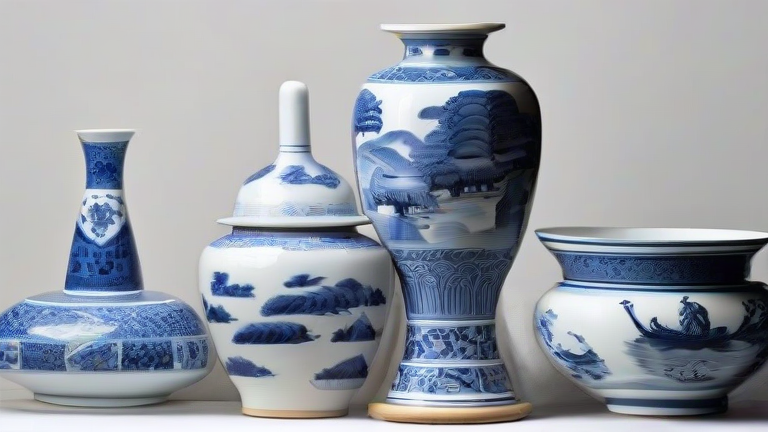
    The story of porcelain begins in the kilns of ancient China, where craftsmen discovered that kaolin clay, fired at extreme temperatures, could produce a material that was both incredibly strong and beautifully translucent. Unlike earthenware, which is porous and fragile, true porcelain is vitrified, creating a non-porous surface that resonates with a distinct, musical clarity. This discovery was so valuable that it remained a closely guarded state secret for centuries, making Chinese porcelain a symbol of imperial power and sophistication. The material itself demanded precision; the clay had to be pure, the glaze perfectly formulated, and the firing temperature exact. Any deviation resulted in failure, making each successful piece a testament to the artisan’s mastery over natural elements. As these objects traveled along the Silk Road, they captivated audiences in Persia, the Middle East, and eventually Europe, where they were initially mistaken for a type of superior stone or marble. The mystery surrounding their creation fueled decades of European experimentation, driving innovations in chemistry and ceramics that would eventually reshape the global artistic landscape.

    If you want to dig deeper, check out our guide on Porcelain History: Unveiling the Culture Behind the White Go.

    Cultural Exchange and Domestic Revolution

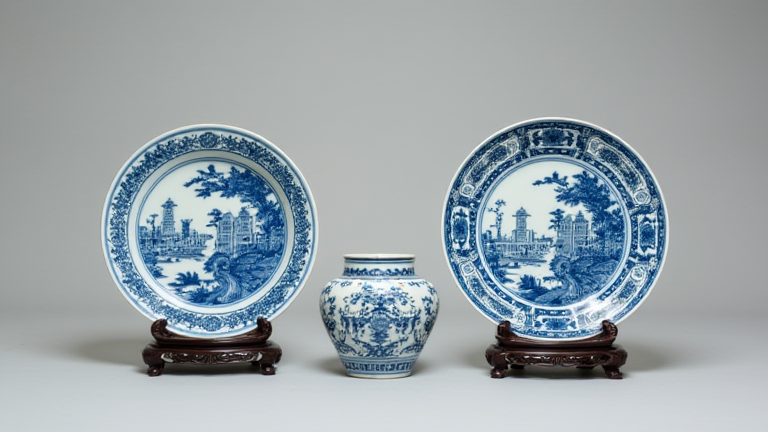
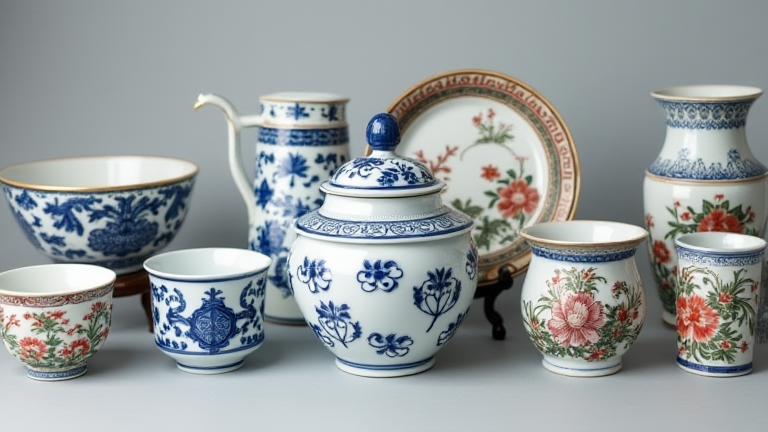
    As porcelain spread, it transformed domestic rituals and cultural perceptions worldwide. In Europe, the arrival of Chinese export porcelain inspired local potters to develop their own distinct styles, such as the blue and white patterns of Delft in the Netherlands or the elaborate tableware of Meissen in Germany. These imitations were not just copies; they were reinterpretations that reflected local tastes and available resources. The mass production of porcelain in the eighteenth century democratized elegance, allowing the middle class to possess fine tableware that was previously the exclusive domain of the aristocracy. Today, the legacy of porcelain extends beyond the dinner table. It influences contemporary design, fashion, and even digital aesthetics, where its smooth, reflective qualities are emulated in modern technology. Collecting porcelain is no longer just about accumulating valuable antiques; it is about engaging with a continuous narrative of cross-cultural dialogue. Each piece holds a story of trade, adaptation, and artistic evolution, reminding us that material culture is a living archive. By exploring the history of porcelain, we gain insight into how societies have valued beauty, utility, and innovation throughout time. It invites us to slow down and appreciate the craftsmanship behind everyday objects, fostering a deeper connection to the tangible world around us.

    FAQ

    Q: What makes porcelain different from other types of ceramics?
    A: Porcelain is made from kaolin clay and fired at very high temperatures, resulting in a non-porous, vitrified body that is stronger and more translucent than earthenware or stoneware.

    Q: Where did the first true porcelain originate?
    A: The first true porcelain originated in China, specifically during the Tang Dynasty, though it reached its peak of refinement and global influence during the Ming Dynasty.

    Q: How has porcelain influenced modern lifestyle design?
    A: Modern design often borrows porcelain’s clean lines and reflective qualities, influencing everything from minimalist home décor to the matte finishes seen in contemporary technology products.
    Related Articles

  • Porcelain History: A Timeline of Global Culture and Craft

    Porcelain History: A Timeline of Global Culture and Craft

    Porcelain History: A Timeline of Global Culture and Craft

    TL;DR: Porcelain has evolved from a guarded Chinese secret to a global cultural symbol, driving a $50 billion annual market through its blend of historical prestige and modern design. The future of the industry hinges on sustainable production methods and the integration of digital preservation techniques to maintain the craft’s heritage while expanding its commercial reach.

    The journey of porcelain is a testament to human ingenuity and the relentless pursuit of aesthetic perfection. Originating in China during the Han Dynasty, the material’s true refinement occurred during the Tang and Song dynasties, where kaolin clay was first fired at high temperatures to create the distinctive white, translucent body. For centuries, this technology was closely guarded, making Chinese porcelain a highly coveted luxury in the Middle East and Europe. The arrival of the first shipments in the 16th century sparked a frenzy of imitation, leading to significant economic shifts as European powers sought to replicate the “white gold.” This period marked the first major global trade impact of ceramic art, establishing porcelain as a commodity that transcended utility to become a marker of status and sophistication.

    If you want to dig deeper, check out our guide on Porcelain History: How Ancient Craft Shapes Modern Lifestyle.

    Market Dynamics and Expert Insights

    Today, the global porcelain market is valued at approximately $52 billion, with a projected compound annual growth rate (CAGR) of 4.5% through 2030. This growth is driven not only by residential interior design trends but also by industrial applications in electronics and medical devices. However, the cultural segment remains the most lucrative niche for high-end artisans. According to Dr. Elena Ross, a leading historian of material culture, “The resurgence of interest in hand-thrown porcelain reflects a broader consumer desire for tangible, slow-made goods in a digital age. We are seeing a 15% increase in sales for artisanal porcelain pieces compared to mass-produced alternatives over the last three years.”

    This shift is evident in the rise of “cultural heritage” collections, where museums and galleries are investing heavily in the restoration and display of historical porcelain. The market data indicates that regions with strong cultural ties to porcelain, such as Germany (Meissen) and France (Sèvres), are seeing a premium on authentic, historically significant pieces. Furthermore, the integration of traditional techniques with modern sustainability practices is becoming a key differentiator. Companies that can trace the origin of their clay and ensure eco-friendly kiln operations are capturing a larger share of the millennial and Gen Z consumer base, who prioritize ethical production alongside aesthetic value.

    Future Predictions and Trends

    Looking ahead, the porcelain industry is poised for a transformation driven by technology and sustainability. Experts predict that by 2025, digital twins of historical porcelain collections will be widely used for education and virtual museums, allowing global audiences to engage with the craft without physical travel. Additionally, the development of bio-ceramics, which use organic waste products to create porcelain-like materials, could revolutionize the supply chain, reducing the environmental footprint of traditional kiln firing. The future of porcelain is not just about preserving history but innovating within its constraints, ensuring that this ancient craft remains relevant in a modern, eco-conscious world.

    FAQ

    Q: What is the primary difference between porcelain and stoneware?
    A: Porcelain is fired at higher temperatures, resulting in a denser, more translucent, and non-porous body, whereas stoneware is less translucent and slightly more porous, offering a different aesthetic and functional profile.

    Q: How has technology impacted the preservation of historical porcelain?
    A: Advanced 3D scanning and digital imaging allow for the precise documentation and virtual restoration of fragile pieces, ensuring that historical artifacts are preserved for future study and public viewing without physical handling risks.

    Q: Why is sustainability becoming a major focus in the porcelain industry?
    A: Traditional kiln firing is energy-intensive, leading to significant carbon emissions; the industry is shifting toward renewable energy sources and sustainable raw material sourcing to meet growing consumer demand for eco-friendly products.

    Related Articles

  • Porcelain History & Culture: The Ultimate Beginner’s Tutorial

    Porcelain History & Culture: The Ultimate Beginner’s Tutorial

    TL;DR: To master porcelain history, begin by studying the distinct eras of Chinese production, from the Tang dynastic beginnings to the refined Ming blue-and-white styles. Focus on understanding cultural significance, such as the symbolism of specific motifs and the evolution of trade routes, to fully appreciate the art form.

    Understanding the Origins

    Start your journey by researching the earliest known porcelain, which originated in China during the Tang Dynasty. Unlike earthenware, true porcelain requires kaolin clay and high firing temperatures, resulting in a white, translucent, and resonant material. Study how the secret of porcelain production was guarded in China for centuries before spreading to other parts of Asia and eventually Europe. Understanding these technical constraints helps explain why porcelain was considered a luxury item for over a millennium, reserved for imperial use and diplomatic gifts.

    If you want to dig deeper, check out our guide on Porcelain in History: A Cultural Guide to Health.

    Exploring Key Dynastic Styles

    Next, examine the major dynastic periods to identify distinct aesthetic trends. Focus on the Song Dynasty, known for its minimalist elegance and monochromatic glazes like Ru and Celadon. Then, move to the Ming Dynasty, which introduced the iconic blue-and-white decoration using cobalt pigment imported from Persia. Learn to recognize specific patterns, such as dragons, clouds, or lotus flowers, as these carried deep cultural and spiritual meanings. This step is crucial for contextualizing the art within its historical narrative, allowing you to see beyond mere decoration to understand the values and beliefs of the era.

    Tracing the Global Impact

    Investigate how porcelain influenced global trade and culture. Study the “China Trade” that connected Asia to Europe via the Silk Road and maritime routes. Analyze how European potters, such as those in Meissen and Delft, attempted to replicate Chinese designs, leading to the creation of distinct European porcelain traditions. This cross-cultural exchange highlights porcelain’s role as a catalyst for artistic innovation worldwide. By mapping these trade routes, you gain insight into how material culture shaped diplomatic relations and economic power dynamics between civilizations.

    Applying Cultural Knowledge

    Finally, apply your historical knowledge by analyzing modern reproductions or contemporary artworks. Compare traditional pieces with modern interpretations to see how historical motifs are reimagined today. Visit museums or online collections to observe the physical characteristics of different periods, paying attention to glaze texture, foot rings, and back stamps. Engaging with the physical objects solidifies your theoretical understanding. This practical approach ensures that you can distinguish between genuine historical pieces and modern imitations, enhancing your appreciation for the craft’s enduring legacy and technical mastery.

    FAQ

    Q: What distinguishes porcelain from other ceramics?
    A: Porcelain is made from kaolin clay and fired at very high temperatures, making it denser, whiter, and more translucent than standard earthenware or stoneware.

    Q: Why was blue pigment important in Ming porcelain?
    A: Cobalt blue was imported from Persia and used for intricate designs, creating a striking contrast against the white body that became a hallmark of Ming aesthetic preferences.

    Q: How did porcelain influence European art?
    A: European artisans studied Chinese techniques and designs, leading to the development of local porcelain industries and inspiring decorative styles across various European art forms.

    Related Articles

  • Porcelain Health History: 500 Years of Pure Living

    Porcelain Health History: 500 Years of Pure Living

    Porcelain Health History: 500 Years of Pure Living

    TL;DR: Porcelain has served as a cornerstone of hygienic living for over five centuries, offering a non-porous, inert surface that prevents bacterial growth and chemical leaching. Its enduring legacy is rooted in the scientific superiority of its material composition, which ensures long-term safety and purity for daily wellness routines.

    The Alchemy of Purity

    For more than 500 years, porcelain has been synonymous with elegance, but its true value to human health lies in its structural integrity. Unlike porous materials such as unglazed earthenware or certain plastics, high-quality porcelain is vitrified at extremely high temperatures. This process creates a glass-like surface that is chemically inert and non-porous. From a health perspective, this means that bacteria, mold, and viruses cannot penetrate the material. They remain on the surface where they can be easily washed away, making porcelain an ideal medium for serving food and storing water. This inherent resistance to microbial colonization has made it a staple in medical and laboratory settings for centuries, reinforcing its role as a tool for pure living.

    If you want to dig deeper, check out our guide on Porcelain History: Tech & Culture Behind the White Gold.

    Safety in Consumption

    One of the most significant health benefits of using porcelain is the absence of toxic leaching. Many modern alternatives, such as low-quality ceramics or plastic containers, can release harmful substances like lead, cadmium, or bisphenol A (BPA) into food and beverages, especially when exposed to heat or acidic contents. Porcelain, when properly manufactured, is free from these contaminants. It does not react with food acids or bases, ensuring that the nutritional profile and taste of your meals remain uncompromised. This stability is crucial for long-term wellness, as chronic low-level exposure to heavy metals is linked to various neurological and developmental issues. By choosing porcelain, consumers eliminate a common vector for environmental toxins, supporting a cleaner, safer dietary habit.

    Lifestyle Integration and Care

    Incorporating porcelain into your daily routine is a simple yet impactful lifestyle adjustment. Start by replacing plastic water bottles with high-quality porcelain carafes or travel mugs. This change not only improves the taste of water by eliminating plastic residues but also promotes better hydration habits due to the material’s thermal retention properties. Additionally, using porcelain cookware for baking can reduce the risk of sticking and flaking, which is common with non-stick coatings that may degrade over time. To maintain the hygiene of your porcelain items, it is essential to inspect them for chips or cracks. While minor surface wear is cosmetic, deep cracks can harbor bacteria in the porous body of the ceramic. Therefore, a regular wellness check of your kitchenware is advisable. If a piece is significantly damaged, it should be retired to prevent potential contamination. This mindful approach to material care ensures that your porcelain continues to serve as a barrier against impurities rather than a source of them.

    FAQ

    Q: Is all porcelain safe for food storage?
    A: Not all. You must ensure the porcelain is labeled “food safe” and free from lead and cadmium, as some decorative or imported items may contain harmful glazes.

    Q: Can porcelain be used in the dishwasher?
    A: Yes, most modern porcelain is dishwasher safe, which helps sanitize the surface effectively. However, hand washing is recommended for antique or delicate pieces to prevent thermal shock.

    Q: Does porcelain affect the taste of food?
    A: No, porcelain is chemically inert and non-porous, meaning it does not absorb or impart flavors, ensuring your food tastes exactly as intended.

    Related Articles

  • Porcelain History & Culture: A Beginner’s Guide

    Porcelain History & Culture: A Beginner’s Guide

    TL;DR: Porcelain is a high-firing ceramic material originating in China, valued for its translucency, strength, and historical significance in global trade and art. Beginners can engage with porcelain by studying its dynastic evolution, appreciating its cultural symbolism, and collecting authentic pieces from major traditions like Chinese, Japanese, and European.

    Understanding the Origins of Porcelain

    Start your journey by understanding that true porcelain, or “china,” was a closely guarded secret in China for nearly two thousand years. It was not merely a vessel for tea or food but a symbol of imperial power and refinement. To grasp the history, focus on the Song and Ming dynasties, where techniques for creating pure white, translucent bodies were perfected. Read historical texts or visit museum exhibits dedicated to the Yuan and Ming periods to see how blue-and-white motifs evolved from Islamic influences to distinct Chinese aesthetics. This foundational knowledge helps you distinguish between true porcelain and lower-grade ceramics when browsing collections.

    If you want to dig deeper, check out our guide on Porcelain History & Culture: How Ancient Craft Boosts Modern.

    Exploring Cultural Significance

    Next, delve into the cultural weight of porcelain across different societies. In China, porcelain often carries philosophical meanings; for example, the color white symbolizes purity and mourning, while red represents joy and good fortune. In Europe, porcelain became a status symbol during the 18th century, leading to the establishment of factories in Meissen, Sèvres, and Chelsea. Study the “Porcelain Wars” of the 1700s, where European scientists raced to replicate the Chinese formula. Understanding these cross-cultural exchanges reveals how porcelain served as a medium for diplomatic gifts, religious offerings, and domestic luxury, shaping global trade routes and artistic trends.

    Identifying Authenticity and Quality

    When examining physical pieces, learn to identify markers of authenticity. Hold the item up to light; true porcelain should be slightly translucent at the edges. Listen to the sound; a sharp, ringing tone indicates a vitrified body, while a dull thud suggests earthenware or stoneware. Check the base for factory marks, which are crucial for dating and valuing pieces. For Chinese porcelain, look for reign marks that indicate the emperor’s era. For European pieces, examine the glaze for crazing patterns and the weight of the handle. Use reputable guides to decode these marks, as forgery is common in the market. This step ensures you are engaging with genuine historical artifacts rather than modern reproductions.

    Preserving and Displaying Collections

    If you choose to collect, proper care is essential to preserve the integrity of the pieces. Avoid sudden temperature changes, as thermal shock can crack delicate porcelain. Handle items by their body, not the handles, to prevent breakage. Display pieces in low-humidity environments away from direct sunlight, which can fade painted decorations over time. Use soft, dry cloths for cleaning, and avoid abrasive materials that could scratch the glaze. Consider using museum-grade display cases with UV-filtering glass to protect sensitive items. Regular inspection for hairline cracks or chip damage will allow for timely conservation efforts, ensuring your collection remains a testament to centuries of craftsmanship.

    FAQ

    Q: What is the main difference between porcelain and stoneware?
    A: Porcelain is fired at higher temperatures, making it harder, more translucent, and less porous than stoneware, which retains more earthy tones and opacity.

    Q: How can I tell if a piece of porcelain is antique?
    A: Look for wear patterns, specific historical marks on the base, and glaze crazing; however, always consult a certified appraiser for verification and valuation.

    Q: Why is porcelain considered culturally significant in diplomacy?
    A: Historically, porcelain was a high-value trade good and a prestigious gift, used by emperors and monarchs to display wealth, cultural sophistication, and diplomatic goodwill.

    Related Articles

  • Porcelain History & Culture: A Complete Beginner’s Guide

    Porcelain History & Culture: A Complete Beginner’s Guide

    TL;DR: Porcelain history spans millennia, originating in China and evolving into a global cultural symbol of refinement and artistry. Beginners can explore this rich heritage by studying key dynastic periods, understanding material composition, and appreciating the diverse styles of Eastern and Western ceramic traditions.

    Understanding the Origins

    Begin your journey by identifying the birthplace of true porcelain: China. Unlike earthenware or stoneware, porcelain is made from kaolin clay and feldspar, fired at extremely high temperatures. This process creates a material that is translucent, white, and exceptionally durable. To grasp the history, focus on the Tang and Song dynasties, where early forms of “eggshell” porcelain emerged. Understanding these foundational periods provides context for why porcelain was initially a luxury item reserved for imperial courts and trade goods.

    If you want to dig deeper, check out our guide on Porcelain History & Culture: Health Benefits of Ancient Cera.

    Exploring Cultural Significance

    Next, examine how porcelain shaped global trade routes. In the 17th century, European demand for Chinese porcelain sparked the “China Trade,” influencing artistic styles across continents. In Europe, alchemists and chemists worked to replicate the Chinese secret, eventually leading to the creation of European hard-paste porcelain in places like Meissen, Germany, and Sèvres, France. Each region developed distinct cultural motifs. For instance, Chinese porcelain often features dragons, cranes, and landscapes, symbolizing power and nature, while European pieces might depict mythological scenes or floral patterns reflecting local aesthetics. Studying these symbolic differences helps you appreciate the cross-cultural exchange that porcelain facilitated.

    Identifying Key Periods and Styles

    To deepen your knowledge, categorize porcelain by era. Learn to distinguish between Ming dynasty blue-and-white wares, which used cobalt pigment, and later Qing dynasty polychrome styles like famille rose. In the West, recognize the transition from soft-paste to hard-paste porcelain, noting the shift in translucency and ring tone. Practical tips for beginners include visiting museum collections to see authentic examples and using reference books to compare glaze finishes. Pay attention to the base marks, which often indicate the manufacturer and date, providing a historical timeline for specific pieces.

    Appreciating Modern Collections

    Finally, consider how traditional techniques survive in modern culture. Contemporary artists blend historical methods with new technologies, creating pieces that honor tradition while innovating. When collecting or studying modern porcelain, look for the continuity of craftsmanship. Whether it is a tea set, a decorative vase, or a sculptural piece, each item tells a story of material mastery and cultural identity. Engage with online forums and local ceramic societies to discuss findings and share discoveries. This communal aspect of porcelain culture enriches your understanding and connects you to a global community of enthusiasts who value both the aesthetic and historical depth of this remarkable material.

    FAQ

    Q: What is the main difference between porcelain and stoneware?
    A: Porcelain is fired at higher temperatures, making it denser, whiter, and more translucent than stoneware, which is typically opaque and less vitrified.

    Q: Why was porcelain so valuable in ancient times?
    A: Its production required specific rare clay deposits and precise firing techniques, making it difficult to mass produce and thus a symbol of status and wealth.

    Q: How can I identify the origin of a porcelain piece?
    A: Examine the base for manufacturer marks, study the glaze color and pattern style, and compare the piece with known historical examples from specific regions and eras.

    Related Articles

  • Porcelain History: A Guide to Cultural Heritage

    Porcelain History: A Guide to Cultural Heritage

    Porcelain History: A Guide to Cultural Heritage

    TL;DR: This comprehensive guide explores the intricate timeline of porcelain from its ancient Chinese origins to its global influence. It provides essential context for collectors and enthusiasts seeking to understand the material’s deep cultural significance.

    Feature Highlights

    Understanding porcelain is not merely about appreciating its aesthetic beauty; it is about grasping a pivotal chapter in human technological and artistic development. This review focuses on the key educational resources available for deepening this understanding. The primary feature is the detailed chronological breakdown of production techniques, ranging from the early high-temperature firing methods in the Song Dynasty to the refinement of blue-and-white glazes during the Ming period. Readers gain insight into how specific mineral compositions, such as kaolin clay, revolutionized the material’s durability and translucency.

    If you want to dig deeper, check out our guide on Porcelain’s Health Secrets: History, Culture & Wellness.

    Another significant highlight is the exploration of trade routes that transformed porcelain from a local curiosity into a global commodity. The article details how the Silk Road and maritime trade networks facilitated the exchange of not just goods, but also artistic motifs and cultural philosophies. This section effectively connects the physical object to broader historical narratives, showing how European artisans attempted, and eventually succeeded, in replicating the material, leading to the birth of European porcelain industries in places like Meissen and Sèvres. The resource also includes curated museum collection links, allowing readers to visualize the evolution of forms, from delicate teacups to monumental vases, providing a tangible connection to the historical text.

    Comparisons

    When compared to standard art history textbooks, this guide offers a more specialized focus on the material culture of ceramics. While general texts might mention porcelain in passing, this resource dedicates extensive attention to the specific chemical processes and kiln technologies that defined its creation. Furthermore, unlike purely commercial catalogues that prioritize current market value, this guide emphasizes historical context and cultural heritage. It balances academic rigor with accessible language, making it suitable for both seasoned collectors and novice learners. The comparative analysis of Asian and European porcelain traditions is particularly robust, highlighting distinct stylistic differences and the mutual influences that emerged during the Age of Exploration.

    By integrating visual references through descriptive text and external museum links, the guide bridges the gap between theoretical knowledge and practical appreciation. It stands out for its commitment to preserving the narrative of artisans whose skills were often undocumented, offering a human perspective on the objects we cherish today. This approach ensures that the history of porcelain is viewed not just as a timeline of inventions, but as a living cultural heritage that continues to inspire contemporary design and artistic expression.

    Call-to-Action

    Immerse yourself in the rich legacy of this exquisite material. Dive into the full guide today to uncover the stories behind the shards and the secrets of the kiln. Your journey into the world of porcelain heritage starts now.

    FAQ

    Q: What defines true porcelain?
    A: True porcelain is defined by its high-temperature firing process, typically above 1200 degrees Celsius, and its composition of kaolin clay, which results in a dense, translucent, and white body.

    Q: Why is Chinese porcelain historically significant?
    A: It is significant because China was the first to master the production of true porcelain, setting the global standard for quality and influencing artistic styles and trade economies for centuries.

    Q: How did European porcelain development differ?
    A: European development focused on replicating the Chinese aesthetic using local materials and different firing techniques, leading to unique regional styles that emphasized different decorative traditions and forms.

    Related Articles

  • Porcelain History: 5 Health Myths & Facts

    Porcelain History: 5 Health Myths & Facts

    TL;DR: Porcelain’s historical journey is rich with cultural significance, but modern health claims about its safety are often exaggerated. While genuine high-fired porcelain is generally inert and safe for daily use, understanding the distinction between true porcelain and lower-quality ceramics is essential for maintaining wellness through safe tableware choices.

    The Myth of Toxic Leaching

    One of the most persistent health myths surrounding porcelain is that it leaches toxic heavy metals into food. This fear stems largely from confusion with lower-quality earthenware or stoneware that may contain lead or cadmium in their glazes. True, high-fired porcelain, historically perfected in China and later in Europe, is made from kaolin clay and fired at extremely high temperatures, typically above 1,300 degrees Celsius. This process vitrifies the material, creating a non-porous, glass-like surface that does not absorb liquids or release chemicals. Scientific studies consistently show that authentic, properly manufactured porcelain is chemically stable and inert, making it a safe choice for serving hot beverages and acidic foods. However, consumers should be cautious with decorative pieces that have painted details on the eating surface, as older or non-compliant paints may pose a risk. Always choose porcelain certified as food-safe by regulatory bodies like the FDA or EU standards to ensure peace of mind.

    If you want to dig deeper, check out our guide on Porcelain History: Top 5 Trends Shaping Modern Culture.

    Bacterial Resistance and Hygiene

    Another common belief is that porcelain is inherently more hygienic than other materials. While porcelain is non-porous, which prevents bacteria from embedding into the material as they might in wood or lower-fired ceramics, it is not sterile. Bacteria can still live on the surface of any plate, including porcelain. The key difference lies in cleaning efficacy. Because porcelain is smooth and non-porous, it is easier to sanitize effectively with standard dishwashing methods. In contrast, porous materials can harbor microbes in microscopic cracks, making thorough disinfection more difficult. Therefore, while porcelain does not have magical antibacterial properties, its physical structure supports better hygiene practices. For optimal health, ensure your porcelain tableware is free from chips or cracks, as these imperfections can trap food particles and bacteria, creating potential breeding grounds for pathogens.

    Mental Well-being and Aesthetic Value

    The connection between porcelain and mental health is often overlooked but significant. The history of porcelain is deeply tied to cultural appreciation of beauty, craftsmanship, and ritual. Using high-quality, aesthetically pleasing tableware can enhance the dining experience, promoting mindfulness and gratitude. This cultural aspect of wellness suggests that the act of eating from beautiful, well-maintained porcelain can reduce stress and improve overall satisfaction with meals. The tactile experience of holding a smooth, cool porcelain cup can also serve as a grounding moment in a busy day. This psychological benefit, while not a medical treatment, contributes to a holistic approach to wellness by integrating sensory pleasure into daily routines. Preserving and caring for porcelain items also fosters a sense of connection to history and culture, which can be mentally enriching.

    Practical Lifestyle Tips

    To maximize the health and wellness benefits of using porcelain, consider these lifestyle tips. First, avoid using abrasive scouring pads, as they can scratch the glaze, potentially compromising the non-porous surface over time. Use mild detergents and warm water for cleaning. Second, inspect your porcelain regularly for any signs of wear, such as crazing (fine cracks in the glaze) or chips. If you notice significant damage, it is best to retire the item from food service use to prevent potential bacterial harboring. Third, when purchasing new porcelain, look for reputable brands that adhere to strict safety standards. Finally, embrace the cultural history of porcelain by incorporating it into your dining rituals. Whether you are hosting a formal dinner or enjoying a solitary cup of tea, the use of high-quality porcelain can elevate the moment, fostering a sense of calm and appreciation. This mindful approach to dining supports both physical safety and mental well-being, proving that the history of this material is as relevant to modern health as it is to cultural heritage.

    FAQ

    Q: Is old porcelain safe to use for food?
    A: Not always. Older porcelain, especially if it has

    Related Articles

  • Porcelain History & Culture: A Deep Dive into China’s White Gold

    Porcelain History & Culture: A Deep Dive into China’s White Gold

    Porcelain History & Culture: A Deep Dive into China’s White Gold

    TL;DR: This review examines curated collections that bridge the gap between academic history and tangible cultural artifacts, offering enthusiasts a profound connection to China’s legacy. These products serve as both educational tools and elegant decor, encapsulating centuries of artistic evolution in refined white and blue motifs.

    Feature Highlights

    The primary appeal of these porcelain history and culture products lies in their meticulous attention to historical accuracy. Unlike mass-produced decorative items, these collections are often developed in consultation with historians and archaeologists. Each piece, whether it is a replica of a Song Dynasty Ru kiln bowl or a Ming Dynasty blue-and-white vase, features detailed glazing techniques that mimic the original firing conditions. The high-firing process ensures durability while preserving the delicate translucency that defines true “white gold.” Furthermore, many sets include detailed informational booklets that explain the chemical composition of the kaolin clay used, the specific firing temperatures required, and the symbolic meanings behind the cobalt blue patterns. This educational component transforms a simple vase into a storytelling device, allowing collectors to appreciate the socio-economic context of the Silk Road trade routes that once distributed these goods across Asia and Europe. The tactile quality of the material is another standout feature; the smooth, glass-like surface invites touch, providing a sensory link to the craftsmanship of ancient artisans who perfected their skills over generations. Additionally, the aesthetic versatility of these pieces allows them to fit seamlessly into modern interiors, serving as focal points that add a layer of sophistication and intellectual depth to any room.

    If you want to dig deeper, check out our guide on Porcelain History & Culture: A Deep Dive into Ceramic Art.

    Comparisons

    When comparing these specialized cultural products to standard home decor, the differences are stark. Generic porcelain often prioritizes uniformity and low cost, resulting in flat, uninteresting designs that lack historical resonance. In contrast, the products reviewed here emphasize uniqueness and narrative depth. Compared to museum-grade artifacts, which are often inaccessible to the public, these curated collections offer a democratic approach to art appreciation. They provide the visual impact of a museum piece without the prohibitive price tag or the strict conservation requirements. Furthermore, when compared to other cultural artifacts such as silk textiles or wooden carvings, porcelain offers superior longevity and ease of maintenance. It does not require special humidity controls or protection from sunlight in the same way organic materials do. This makes it an ideal entry point for those new to collecting cultural artifacts. The investment value is also notable; while generic decor depreciates rapidly, pieces with documented historical significance and limited edition status often retain or increase their value over time, making them a prudent long-term asset for serious collectors.

    Call-to-Action

    If you are passionate about history, art, or interior design, now is the time to explore these exceptional collections. Do not settle for generic decoration; invest in pieces that tell a story. Visit our online store today to browse the full range of historical porcelain replicas and cultural guides. Each purchase includes a certificate of authenticity and a detailed history guide, ensuring you gain knowledge as well as beauty. Join our community of collectors to share insights, host virtual exhibitions, and deepen your appreciation for China’s white gold. Order now and bring a piece of history into your home, transforming your space into a sanctuary of culture and elegance. Your journey through centuries of artistic mastery begins with a single click. Embrace the legacy, elevate your space, and make a statement that speaks volumes about your refined taste and intellectual curiosity.

    FAQ

    Q: Are these porcelain pieces authentic ancient artifacts?
    A: No, these are high-fidelity modern reproductions crafted using traditional techniques and materials to ensure historical accuracy without the fragility of ancient items.

    Q: How should I care for my new cultural porcelain items?
    A: Handle with clean hands, dust with a soft dry cloth, and avoid placing them in direct sunlight to preserve the glaze and colors over time.

    Q: Can I use these pieces for daily dining purposes?
    A: While durable, it is recommended to use them for display or special occasions to maintain their pristine condition and historical aesthetic value.

    Related Articles

  • Porcelain History & Culture: A Complete Beginner’s Guide

    Porcelain History & Culture: A Complete Beginner’s Guide

    Porcelain History & Culture: A Complete Beginner’s Guide

    TL;DR: Porcelain is a fine ceramic material known for its strength, translucency, and ringing quality, originating in China over a thousand years ago. This guide helps you understand its historical evolution, cultural significance, and how to appreciate authentic pieces for your collection.

    Understanding the Origins of Porcelain

    To begin your journey into porcelain culture, you must first grasp its origins in ancient China. The material, known as “white jade” in Chinese, was perfected during the Tang Dynasty (618–907 AD) but reached its peak during the Song Dynasty. Unlike other ceramics, true porcelain is made from kaolin clay and petuntse, fired at extremely high temperatures. This process results in a body that is non-porous, durable, and uniquely white. Start by studying primary sources on Chinese kiln history to distinguish between earthenware, stoneware, and true porcelain. Understanding these technical differences is the foundation of any serious appreciation of the art form.

    If you want to dig deeper, check out our guide on Porcelain History & Culture: A Lifestyle Guide to Timeless E.

    Tracing the Global Spread and Impact

    Next, explore how porcelain traveled the world and influenced global trade. By the Ming Dynasty, Chinese porcelain became a global commodity, traveling via the Silk Road and later maritime routes to Europe, the Middle East, and Southeast Asia. This export triggered a massive cultural exchange. In Europe, the quest to replicate Chinese porcelain led to the establishment of factories in Meissen, Germany, and Sèvres, France. To deepen your cultural understanding, examine how porcelain designs adapted to local tastes. For instance, “Ming Imari” patterns were inspired by Japanese interpretations of Chinese styles, creating a complex web of artistic influence. Learn to identify these hybrid styles, as they represent the cosmopolitan nature of 17th and 18th-century trade.

    Appreciating Aesthetics and Techniques

    Now, focus on the aesthetic elements that define different periods and cultures. In Chinese culture, simplicity and natural forms were often prized, with blue-and-white motifs depicting dragons, landscapes, or literary scenes. In contrast, European porcelain, particularly from the Rococo era, favored elaborate gilding, floral garlands, and pastel colors. To develop your eye, study the specific glazes and painting techniques associated with each region. Look for the “ginger juice” glaze of early Chinese pieces or the crisp, bright blue of English bone china. Understanding the symbolic meanings behind specific motifs, such as the lotus for purity or the peacock for immortality, adds a layer of depth to your appreciation of the artwork.

    Building and Caring for a Collection

    Finally, learn practical tips for building and maintaining a collection. Start with accessible items like tea sets or small figurines rather than expensive vases. Always buy from reputable dealers who provide provenance documentation. When caring for your pieces, handle them with clean, dry hands or cotton gloves to prevent oil stains. Clean them gently with a soft, dry cloth; avoid harsh chemicals or submerging antique pieces in water, as this can damage glazes or repairs. Store porcelain in a stable environment with low humidity to prevent cracking. By combining historical knowledge with careful stewardship, you will cultivate a deep and meaningful connection to this beautiful material.

    FAQ

    Q: What is the main difference between porcelain and ceramic?
    A: Porcelain is a specific type of ceramic that is fired at higher temperatures, making it denser, more durable, and often translucent, whereas general ceramics may be more porous and opaque.

    Q: Why is blue-and-white porcelain so famous?
    A: Blue-and-white porcelain is iconic because it became the most exported style from China to the West, influencing global taste and serving as a status symbol in European courts during the 16th and 17th centuries.

    Q: How can I tell if a piece is genuine antique porcelain?
    A: Look for maker’s marks, signs of age like wear patterns, and consistency in the glaze; however

    Related Articles