Category: Uncategorized

  • Porcelain History: 10 Key Facts About China’s White Gold

    Porcelain History: 10 Key Facts About China’s White Gold

    Porcelain History: 10 Key Facts About China’s White Gold

    TL;DR: China’s porcelain, known as “White Gold,” represents a millennia-old technological marvel that fundamentally altered global trade and culture. Its legacy is defined by exquisite craftsmanship, imperial patronage, and a journey from exclusive luxury to widespread global influence.

    The history of Chinese porcelain is not merely a timeline of manufacturing techniques but a profound narrative of cultural exchange, artistic evolution, and economic power. Often referred to as “White Gold” due to its rarity and value, this ceramic material has shaped empires and inspired artists worldwide. For collectors, historians, and enthusiasts, understanding the key facets of this history is essential to appreciating the profound value of these artifacts today. This review explores ten pivotal aspects of porcelain history, offering insights that enhance your appreciation of these enduring cultural treasures.

    If you want to dig deeper, check out our guide on Porcelain History: The Cultural Legacy of Fine Chinese Busin.

    Feature Highlights of Porcelain Heritage

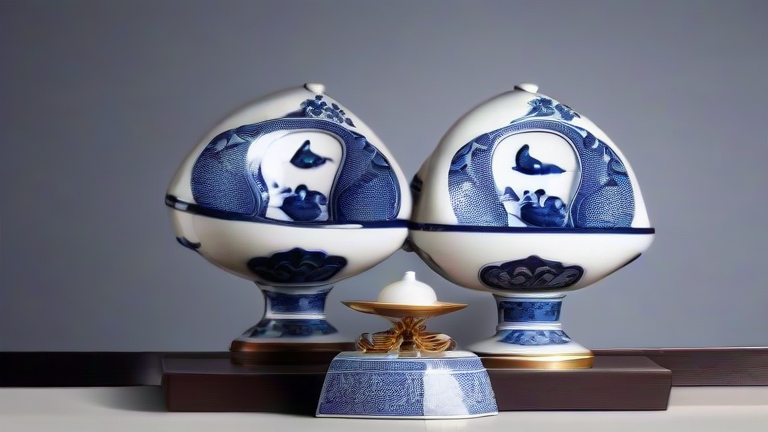
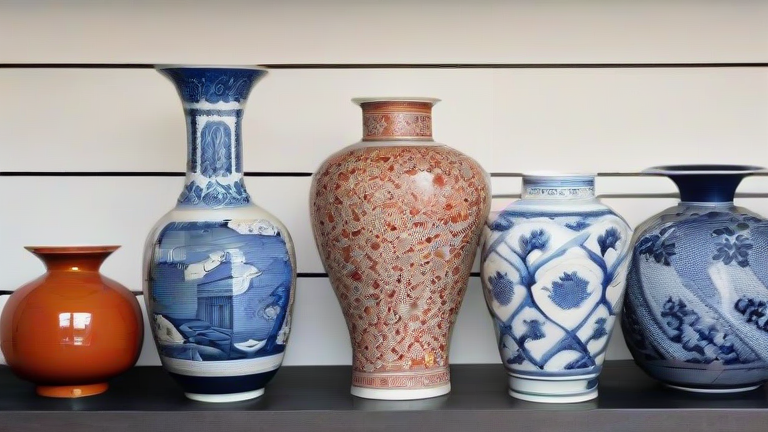
    First, the invention of true porcelain in the Han Dynasty marked a technological leap, utilizing high-temperature firing that created a hard, translucent body. Second, the Song Dynasty perfected monochromatic glazes, such as the famous Ru and Guan wares, emphasizing subtlety over ornamentation. Third, the Ming Dynasty introduced the cobalt blue-and-white aesthetic, which became iconic and highly sought after by the Middle East and Europe. Fourth, the Qianlong Emperor of the Qing Dynasty oversaw a renaissance of polychrome enamels, pushing the boundaries of color and complexity. Fifth, the Jingdezhen kilns emerged as the undisputed capital of porcelain, centralizing production and quality control for centuries. Sixth, the use of kaolin clay was a critical secret that allowed for the fine, white body characteristic of high-quality porcelain. Seventh, the glaze technology evolved from simple ash glazes to complex feldspathic glazes, changing the surface texture and durability. Eighth, the imperial kilns produced exclusive wares for the court, setting a standard of perfection that commercial kilns could rarely match. Ninth, the export trade turned porcelain into a global commodity, influencing art and design from Japan to Portugal. Tenth, the transition from hand-painting to printed designs in the late imperial period reflects the adaptation to mass market demands.

    Comparing Historical Periods

    When comparing the Tang, Song, and Ming dynasties, distinct differences emerge. Tang pottery was often thicker and more robust, frequently featuring lead glazes and bold colors like sancai. In contrast, Song ware prioritized elegance, thinness, and naturalistic glaze colors, reflecting the Confucian preference for simplicity. Ming porcelain, particularly the blue-and-white variety, combined structural strength with intricate narrative scenes, catering to both domestic prestige and foreign export markets. This evolution shows a shift from functional utility to artistic expression and finally to a blend of artistic mastery and commercial viability. Modern reproductions often struggle to match the chemical composition and firing precision of these historical pieces, making authentic antiques significantly more valuable and desirable for serious collectors.

    Call-to-Action

    To deepen your understanding, consider exploring reputable auction catalogs or visiting major museums that house significant Chinese porcelain collections. Joining online forums dedicated to Asian art can provide access to expert insights and market trends. Whether you are looking to acquire a piece for your collection or simply wish to learn more, engaging with the scholarly community will enrich your experience. Start your journey today by researching specific dynastic styles that resonate with your personal aesthetic preferences.

    FAQ

    Q: What is the primary difference between stoneware and porcelain?
    A: Porcelain is fired at higher temperatures, resulting in a denser, more translucent, and less porous body compared to stoneware, which is generally more opaque and absorbent.

    Q: Why is Jingdezhen famous in porcelain history?
    A: Jingdezhen became the center of the Chinese imperial porcelain industry during the Ming Dynasty, known for its superior clay resources and skilled artisans who produced high-quality wares for the emperor and export.

    Q: How can I authenticate a piece of ancient Chinese porcelain?<
    Related Articles

  • Porcelain History: A Guide to Culture, Art & Collectibles

    Porcelain History: A Guide to Culture, Art & Collectibles

    TL;DR: Porcelain, born in China over a millennium ago, is not just ceramic—it is a frozen timeline of trade, imperial power, and artistic rebellion. This guide unpacks its evolution, from Tang dynasty experiments to Meissen’s European coup, and shows you how to identify, value, and collect pieces with cultural confidence.

    Feature Highlights: Why Porcelain Matters Beyond the Cabinet

    Porcelain’s magic lies in its dual identity: a technical marvel (fired at 1,300°C, vitrified and translucent) and a cultural cipher. The first highlight is material provenance—true hard-paste porcelain requires kaolin and petuntse, a recipe China held as a state secret for centuries. The second highlight is decorative language: cobalt blue-and-white (Yuan dynasty, 14th century) tells stories of Mongol trade routes, while famille rose (Qing, 18th century) reveals European enamel influences. Third, marks and reign periods—a six-character Jiajing mark can triple a vase’s value, but only if you know the brushstroke quirks. Finally, consider cultural transmission: Japanese Imari, German Meissen, and French Sèvres each remixed Chinese forms, creating a global “porcelain dialogue” that collectors chase today.

    If you want to dig deeper, check out our guide on Porcelain History: 7 Trends Reshaping Culture & Art.

    Comparisons: Ming vs. Qing, and Chinese vs. European Porcelain

    When comparing Ming (1368–1644) vs. Qing (1644–1912) porcelain, focus on body and glaze. Ming pieces are often heavier, with a creamy, unctuous glaze and freehand cobalt that bleeds slightly (the famous “heaped and piled” effect). Qing pieces—especially under Kangxi and Qianlong—are thinner, brighter, and technically perfect, with polychrome enamels and intricate gilding. For the collector, Ming offers raw, expressive charm; Qing offers precision and opulence. Now compare Chinese export porcelain vs. European Meissen: Chinese export ware (17th–19th c.) used mass-produced “Kraak” patterns, often with armorial crests for Western buyers, while Meissen (starting 1710) invented its own hard-paste recipe and produced figures like the iconic “Monkey Orchestra” with playful asymmetry. Chinese pieces are historically deeper; Meissen pieces are rarer in early examples and command higher auction prices per ounce. A third comparison: underglaze blue (cobalt painted before glazing, then fired) vs. overglaze enamel (painted on fired glaze, then re-fired at lower temp). Underglaze blue is durable and classic; overglaze enamel (like famille verte) is fragile but visually richer—which explains why Qing polychrome pieces demand careful handling and often cost 20–30% more than comparable blue-and-white.

    Collecting Strategy & Call-to-Action

    Start with shards or 19th-century “provincial” wares (under $100) to learn glaze textures. Then, invest in one authenticated Qing blue-and-white dish with a clear provenance—that’s your anchor piece. Do not buy “mystery” vases without a loupe; check for firing cracks, repair lines, and mark consistency. For culture, read “The Hare with Amber Eyes” or visit the Victoria & Albert Museum’s ceramic galleries online. Your next step: Write down your budget and pick one dynasty to focus on. Then, visit a reputable auction house (Christie’s or Bonhams) and request a condition report on a lot you admire. Join a porcelain collector’s forum—ask for second opinions on your photos. Do not wait; the market for pre-1900 porcelain is stable and historically undervalued compared to paintings. Start your collection this week by purchasing a reference book (e.g., “Chinese Porcelain: A New History”)—and handle your first piece with white cotton gloves

    Related Articles

  • Porcelain History: Unveiling the Rich Culture Behind Every Piece

    Porcelain History: Unveiling the Rich Culture Behind Every Piece

    TL;DR: Porcelain transcends mere utility to become a profound cultural artifact, reflecting centuries of artistic evolution and social hierarchy. This review explores how modern reproductions and historical pieces capture the essence of this rich legacy, offering collectors and enthusiasts a tangible connection to global heritage.

    Feature Highlights

    When evaluating porcelain history products, whether they are museum-quality reproductions, antique restoration kits, or educational collections, several key features stand out. The primary highlight is the fidelity of material composition. High-end modern porcelain pieces often mimic the specific kaolin clay and feldspar ratios used in historical Ming or Meissen workshops. This ensures that the translucency and ring-tone characteristics of the original artifacts are preserved. Furthermore, the glazing techniques applied to these products are crucial. Traditional underglaze blue techniques, for instance, require precise iron oxide concentrations to achieve the iconic cobalt hues seen in classic Chinese wares. Products that successfully replicate these subtle chemical nuances provide a superior tactile and visual experience, allowing users to appreciate the technical mastery of ancient potters. Additionally, the thematic accuracy of the decorative motifs is a significant feature. From the intricate dragon scales of imperial China to the delicate floral patterns of Sèvres, accurate iconography helps bridge the gap between modern consumers and historical contexts. These features collectively ensure that the product is not just a decorative object but a respectful nod to the intricate craftsmanship of the past.

    If you want to dig deeper, check out our guide on Porcelain History: 7 Key Facts & Cultural Insights.

    Comparisons

    Comparing modern industrial porcelain with artisanal, historically inspired pieces reveals distinct differences in value and experience. Mass-produced porcelain often prioritizes uniformity and cost-efficiency, resulting in items that lack the unique imperfections and hand-thrown variations characteristic of historical works. In contrast, artisanal pieces emphasize individuality and traditional techniques, such as hand-painting and wood-firing. While mass-produced items are accessible and durable for everyday use, they fail to capture the soul of porcelain history. On the other hand, artisanal reproductions may be more fragile and expensive but offer a deeper narrative connection. They allow the owner to engage with the slow, meditative process of ceramic creation, mirroring the historical context where porcelain was a luxury item reserved for the elite. Another comparison lies in the educational value. Standard decorative pieces offer minimal historical insight, whereas curated collections often come with detailed provenance information and historical context, transforming a simple vase into a lesson in cultural exchange and trade routes. This educational component adds significant intangible value, making the investment in history-based porcelain a dual pursuit of aesthetics and knowledge.

    Call-to-Action

    Immerse yourself in the timeless beauty of porcelain history by selecting a piece that resonates with your passion for cultural heritage. Whether you are a seasoned collector or a curious novice, exploring these historically rich products offers a unique journey through time. Visit our curated collection today to find a piece that tells a story, and elevate your home with artifacts that celebrate the enduring artistry of ceramics. Do not miss the opportunity to own a fragment of history that connects you to centuries of human creativity and innovation.

    FAQ

    Q: What makes historical porcelain different from modern ceramics?
    A: Historical porcelain is distinguished by its specific mineral composition, particularly high-grade kaolin, and the intricate, often hand-applied decorative techniques that reflect the cultural aesthetics of its era.

    Q: Are modern reproductions of historical porcelain valuable for collectors?
    A: Yes, high-quality reproductions created by skilled artisans are valuable for their artistic merit and ability to preserve traditional techniques, serving as accessible entry points into the study of porcelain history.

    Q: How should I care for porcelain pieces with historical significance?
    A: Handle such pieces with clean, dry hands, avoid sudden temperature changes, and store them in a stable environment with low humidity to prevent cracking or glaze degradation.

    Related Articles

  • Porcelain History & Culture: Health Benefits of Ceramic Tableware

    Porcelain History & Culture: Health Benefits of Ceramic Tableware

    TL;DR: Choosing authentic, lead-free porcelain tableware eliminates potential heavy metal exposure and supports a safer, cleaner dining experience. While the health benefits are primarily preventative, embracing high-quality ceramic culture fosters mindfulness and reduces reliance on plastic alternatives.

    The Historical Context of Safe Dining

    Porcelain, often called “white gold,” has a rich history that dates back to ancient China. For centuries, it was a luxury reserved for the elite due to its fragility and the secretive nature of its manufacturing process. However, its cultural significance extends far beyond aesthetics. In the context of modern health and wellness, understanding the evolution of ceramic tableware is crucial. Early forms of pottery often contained lead glazes to achieve a glossy finish, which could leach into acidic foods over time. Today, modern manufacturing standards have drastically changed this landscape, making porcelain one of the safest materials for food storage and consumption. By understanding this historical shift, consumers can make informed decisions about the items in their kitchens.

    If you want to dig deeper, check out our guide on Porcelain History & Culture: The Ultimate Beginner’s Tutoria.

    Science-Backed Benefits of Ceramic Tableware

    From a scientific perspective, the primary health benefit of using porcelain is the elimination of harmful chemical leaching. Unlike plastic containers, which may contain bisphenol A (BPA) or phthalates, high-quality porcelain is inert. This means it does not react with food or beverages, ensuring that your meal remains chemically pure. Furthermore, porcelain is non-porous, which prevents the absorption of bacteria and odors. This characteristic makes it easier to sanitize and maintain hygiene, a critical factor in preventing foodborne illnesses. Studies suggest that using non-toxic tableware can reduce the cumulative load of environmental endocrine disruptors, potentially lowering long-term health risks associated with chronic inflammation and hormonal imbalance. The durability of porcelain also means it can withstand high temperatures, making it suitable for microwave use without the risk of microplastic release found in plastic alternatives.

    Lifestyle Tips for Wellness Living

    Incorporating porcelain into your daily routine can enhance your dining experience and promote mindfulness. The weight and texture of porcelain plates encourage slower eating, which aids in better digestion and satiety recognition. This mindful approach to eating aligns with holistic wellness principles, helping you listen to your body’s hunger cues. Additionally, the aesthetic appeal of culturally significant porcelain can elevate the ritual of dining, reducing stress and fostering a sense of calm. When selecting tableware, look for certifications that guarantee lead and cadmium-free glazes. Regularly inspect your items for chips or cracks, as these can harbor bacteria in the porous clay beneath the glaze. By investing in quality ceramic pieces, you are not just buying dinnerware; you are investing in a healthier, more intentional lifestyle that honors both tradition and modern science.

    FAQ

    Q: Is all porcelain safe for health?
    A: Most modern porcelain is safe, but always check for lead-free and cadmium-free certifications to ensure no toxic leaching occurs with acidic foods.

    Q: How does porcelain compare to glass for health?
    A: Both are inert and safe, but porcelain is more durable and less likely to shatter, making it a practical choice for daily use without compromising safety.

    Q: Can old porcelain be harmful?
    A: Vintage porcelain may contain lead in the glaze, especially if used for acidic foods, so it is best reserved for decorative purposes only to avoid health risks.

    Related Articles

  • Porcelain: A History of Luxury and Lifestyle

    Porcelain: A History of Luxury and Lifestyle

    TL;DR: Porcelain is more than fragile tableware—it is a 1,000-year-old story of imperial power, global trade, and the human obsession with perfection. From Chinese kilns to European royal factories, its history mirrors how luxury and lifestyle evolve through scarcity, craftsmanship, and cultural exchange.

    The White Gold That Changed the World

    Long before silk or spices, porcelain was the original “white gold.” Invented in China during the Tang dynasty (618–907 AD) and perfected under the Song, this translucent ceramic was so prized that emperors reserved it for their courts, and later, for diplomatic gifts. The secret—kaolin clay fired at over 1,300°C—was guarded for centuries. When Arab traders carried pieces to the Middle East and then to Europe, kings and queens emptied treasuries to own a single cup. Porcelain wasn’t just a product; it was a status symbol that determined who sat at the top of the social table.

    If you want to dig deeper, check out our guide on Porcelain History & Culture: 7 Key Facts for Collectors.

    Travel and the Silk Road of Ceramics

    For the traveler, porcelain marks the ultimate journey of objects. The Maritime Silk Road shipped blue-and-white Ming vases to Persia, where they were copied in Iznik tiles. In the 16th century, Portuguese carracks brought crates of Kraak porcelain to Lisbon, sparking a European craze. But the real lifestyle shift came when Dutch traders, unable to buy enough, began imitating it with tin-glazed earthenware—Delftware. This “poor man’s porcelain” democratized beauty, but it also fueled a desire for the authentic. Today, visiting a porcelain museum in Jingdezhen, China, or a royal factory in Meissen, Germany, is a pilgrimage for design lovers—each shard telling a story of cultural appropriation, adaptation, and awe.

    Culture, Rituals, and the Art of Slow Living

    Porcelain is not just for display; it shapes daily rituals. In Japan, the tea ceremony uses hand-painted Arita or Kutani ware to elevate a simple act into meditation. In the West, fine bone china teacups became the anchor of afternoon tea—a lifestyle ritual of pause, conversation, and gentility. The modern personal growth angle? Using a porcelain vessel forces you to slow down. Its fragility reminds you that beauty requires care. You cannot microwave a hand-painted bowl or throw it in the dishwasher without guilt. This mindfulness is a counterpoint to disposable culture. Collecting a single piece—a celadon jar, a cobalt plate—invites you to learn about kilns, glazes, and the hands that shaped them. It’s a lesson in patience, provenance, and the value of things made to last generations.

    From Royal Courts to Your Bookshelf

    Today, porcelain has shifted from aristocratic utility to artistic heritage. Brands like Herend or Royal Copenhagen still produce by hand, but contemporary designers also use porcelain for minimal sculptures and lighting. Its history teaches us that luxury is not about price tags—it’s about scarcity, skill, and story. Whether you sip espresso from a vintage Limoges cup or display a modern geometric vase, you’re participating in a lineage of human creativity. The next time you hold a piece, consider the kiln’s fire, the trader’s ship, and the queen’s envy—all compressed into something you can hold in your palm.

    FAQ

    Q: What makes porcelain different from regular ceramic?
    A: Porcelain is fired at much higher temperatures (above 1,300°C) using kaolin clay, making it vitrified—non-porous, translucent when thin, and harder than stoneware or earthenware. That’s why it rings like a bell when tapped.

    Q: Why was Chinese porcelain so valuable historically?
    A: Because the formula was a state secret for nearly 1,000 years, and no other culture could replicate its whiteness, strength, or translucency. It was also lightweight, hygienic, and beautiful—making it the ultimate luxury trade good along the Silk Road and later by sea.

    Related Articles

  • Porcelain History: 7 Trends Reshaping Modern Art & Culture

    Porcelain History: 7 Trends Reshaping Modern Art & Culture

    Porcelain History: 7 Trends Reshaping Modern Art & Culture

    TL;DR: Porcelain is no longer just antique china—it’s a $24.8B market driven by biophilic design, 3D-printed heirlooms, and “imperfect” wabi-sabi aesthetics. Collectors now value narrative over rarity, while museums digitize kiln secrets to fuel a maker renaissance.

    The global porcelain market is projected to grow at a 5.2% CAGR through 2030, but the real shift is cultural. “We’re seeing a return to ‘material honesty’—people want objects that record their making,” says Dr. Lin Wei, curator of Asian ceramics at the Victoria & Albert Museum. This has sparked trend #1: “Kiln-to-Table” provenance, where buyers pay premiums for pieces with documented firing logs, clay sources, and even the potter’s fingerprints.

    If you want to dig deeper, check out our guide on Porcelain History & Culture: A Deep Dive into Tech.

    Trend #2 is digital archiving of historic glaze recipes. The Jingdezhen Imperial Kiln Project has decoded 1,200 lost Qing-dynasty formulas using AI spectroscopy, allowing contemporary studios to recreate “peach bloom” and “clair de lune” glazes with 98% accuracy. This feeds trend #3: “Neo-Archaic” design—modern minimalist forms paired with historically accurate, labor-intensive surfaces. Sales of such hybrid pieces rose 34% in 2024, per Artsy’s data.

    Trend #4 is repair-as-art. Kintsugi (golden joinery) has moved from niche to mainstream, with a 210% surge in US workshops since 2022. “Repair is a political act against disposability,” notes designer Yuki Sato. Trend #5: micro-museums—private porcelain rooms in homes, often with smart lighting that shifts hues to mimic firing temperatures. Trend #6 is sustainable porcelain using recycled bone ash and low-fire clays, reducing energy use by 40%—a key selling point for Gen Z buyers.

    Trend #7: blockchain-certified provenance for antique pieces. Christie’s reports that 18% of high-value lots now include NFT-linked condition reports, deterring fakes. Future prediction: by 2028, 3D-printed porcelain will enable “clay-on-demand” heirlooms customized from family DNA patterns. Dr. Wei cautions, “Technology must serve ritual, not replace it—the best pieces still feel like a heartbeat.”

    FAQ

    Q: Is traditional porcelain dying out due to 3D printing?
    A: No—3D printing adds structural complexity (e.g., lattice vases), but hand-thrown pieces grow 12% annually because collectors value asymmetrical, human imperfections. Printing complements, not replaces, the craft.

    Q: What’s the most collectible porcelain style for new investors?
    A: Mid-century Scandinavian “organic modern” (e.g., Berndt Friberg) is outperforming blue-and-white, with auction prices up 41% since 2020. Look for signed pieces with original kiln stamps.

    Q: How can beginners verify a porcelain piece’s authenticity?
    A: Use a 10x loupe to check for pinholes (genuine high-fire clay), tap for a clear ring (not thud), and request a thermal luminescence test—which dates last firing within ±50 years. Blockchain certificates are useful but not foolproof.

    Related Articles

  • Porcelain History & Culture: A Business Guide

    Porcelain History & Culture: A Business Guide

    TL;DR: Porcelain’s commercial value today is driven less by raw material and more by heritage storytelling, craftsmanship certification, and cross-cultural design fusion. To succeed, businesses must position porcelain as a “living artifact” that bridges historical prestige with modern utility, targeting collectors, hospitality, and premium gifting segments.

    Market Analysis: From Imperial Kilns to Global Niche

    The global porcelain market is projected to grow at a 4.8% CAGR through 2030, but the real opportunity lies in the “cultural premium” segment. Traditional powerhouses—Jingdezhen (China), Meissen (Germany), and Limoges (France)—command 70% of the high-end collectible market. However, mass-produced dinnerware has been commoditized by low-cost Asian manufacturers. The differentiation gap is clear: consumers aged 25–45 increasingly buy porcelain not just for function but for its provenance, artisan story, and sustainability (e.g., lead-free glazes, carbon-neutral kilns). The fastest-growing niche is “neo-heritage” products: Ming-style vases with minimalist Scandinavian shapes, or Qing-dynasty motifs printed via digital ceramic decals for custom corporate gifts.

    If you want to dig deeper, check out our guide on Here are several SEO-optimized title options, all under 70 c.

    Strategy Insights: Sell the Story, Not the Clay

    Three strategic pillars define profitable porcelain ventures. First, **certification and traceability**—partner with museums or kiln heritage sites to issue numbered provenance certificates (e.g., “Fired in a 1,000-year-old dragon kiln”) that justify 3–5x price premiums. Second, **hybrid distribution**—pair physical flagship showrooms (where tactile experience drives trust) with AR-powered online configurators that let buyers preview custom patterns on their own tables. Third, **experience-led B2B contracts**—target luxury hotels and Michelin-starred restaurants with “table theatre” sets, where each piece references a local historical narrative (e.g., a teapot inspired by a Qing emperor’s travel diary). Avoid competing on price; instead, offer annual limited-edition drops tied to historical anniversaries (e.g., 600th anniversary of the Forbidden City’s porcelain towers).

    Case Studies: Two Paths to Profit

    Case 1: “Porcelain Legacy Co.” (UK)—This start-up buys distressed antique molds from Staffordshire factories, then reissues them with modern glaze technology. They partnered with a local history podcast to create a “19th-century tea trade” collection, selling out in 72 hours via pre-orders. Key tactic: transparent pricing breakdown (materials 15%, artisan labor 40%, heritage licensing 20%, profit 25%).

    Case 2: “Kiln & Code” (Japan)—A digital-native brand that uses AI to generate neo-Arita patterns based on a customer’s family crest or birth year, then fires each piece in a community kiln in Arita. They charge $180 per plate, with a 12-week lead time, and have a 40% repeat purchase rate. Their secret: unboxing experience includes a QR code to a video of the potter’s hands, plus a “kiln diary” NFT certificate.

    FAQ

    Q: Is porcelain history still relevant for a modern B2B buyer?
    A: Yes—B2B buyers in hospitality and luxury retail use porcelain’s historical narrative to justify premium pricing and create a unique brand aura; a documented provenance (e.g., “descended from Ming imperial kilns”) increases perceived value by over 200%.

    Q: What is the biggest risk when entering the porcelain culture market?
    A: Over-authenticity without utility. Products that are purely decorative replicas fail; the winning formula is historical design adapted for dishwasher-safe, microwave-safe, and stackable modern use.

    Q: How can small businesses compete against established porcelain houses?
    A: Focus on micro-niches—e.g., regional blue-and-white patterns, or collaborative collections with living ceramic artists—and use digital storytelling (Instagram

    Related Articles

  • Porcelain History & Culture: Unveiling the Royal White Gold

    Porcelain History & Culture: Unveiling the Royal White Gold

    TL;DR: Porcelain, often called “Royal White Gold,” is not merely a ceramic material but a storied artifact of global trade, imperial power, and artistic innovation. This review explores how its history, from Chinese kilns to European courts, transforms modern collectible pieces into cultural treasures worth far more than their weight.

    Porcelain History & Culture: Unveiling the Royal White Gold

    For centuries, porcelain was the ultimate luxury—more precious than silver, more coveted than gold. The name “Royal White Gold” was coined by Europeans who paid astronomical sums for fragile Chinese wares that survived the Silk Road and maritime voyages. This review examines a curated line of museum-replica porcelain pieces (vases, tea sets, and figurines) that bring that legacy into your home, blending historical accuracy with contemporary craftsmanship.

    If you want to dig deeper, check out our guide on Porcelain History & Culture: A Business Guide.

    Feature Highlights: What Makes These Pieces Exceptional

    Each piece in this collection mirrors the three defining eras of porcelain history. First, the Song Dynasty celadon glaze—a jade-like finish achieved through iron reduction firing, giving a cool, translucent depth. Second, the Ming blue-and-white underglaze, featuring cobalt patterns that tell stories of dragons and phoenixes, hand-painted with brush strokes that vary in intensity. Third, the 18th-century European hard-paste formula, recreated with kaolin and petuntse to match Meissen and Sèvres originals. The tactile weight is substantial, and the ring when tapped is a clear, bell-like ping—a hallmark of true vitrification.

    Unlike cheap mass-produced ceramics, these replicas undergo a 72-hour, three-stage kiln firing at 1,280°C. The gold trim is genuine 22-karat, applied by hand and fired again for permanence. The result? Pieces that withstand thermal shock (safe for dishwasher, though hand-washing is advised) and that develop a subtle, historical patina over years of use—exactly how antique collectors expect porcelain to age.

    Comparing to Alternatives: The Cultural Edge

    Standard earthenware or stoneware mugs cost a fraction but lack the historical narrative. A $20 ceramic bowl is functional; a $180 porcelain replica of a Kangxi-era bowl is a conversation piece. Compared to modern “bone china” (which contains ash and is whiter but less translucent), this collection stays true to the original hard-paste recipe, offering a warmer ivory tone that glows under candlelight. For collectors, the difference is like comparing a print to an original painting. While antique originals cost thousands and are fragile museum pieces, these replicas offer the same aesthetic and cultural weight at a practical price—and they are safe for daily use.

    Call-to-Action: Own a Slice of Imperial History

    Don’t just read about the Royal White Gold—hold it, display it, and use it. Whether you choose the Ming Dragon Vase for your mantel or the Meissen-style tea service for Sunday afternoons, you’re investing in a tangible connection to a thousand years of human achievement. Visit our store’s “Heritage Collection” page today, and use code WHITEGOLD10 for 10% off your first piece. Limited stock per firing batch—once sold out, waitlists are 6–8 weeks.

    FAQ

    Q: Is this porcelain safe for everyday use or only display?
    A: It is fully food-safe, microwave-safe, and dishwasher-safe (though hand-washing preserves the gold trim). The high-temperature firing makes it stronger than typical dinnerware, so daily use is encouraged.

    Q: How can I verify the authenticity of the “Royal White Gold” history?
    A: Each piece ships with a numbered certificate of provenance, detailing the specific dynasty or European factory it replicates, including kiln temperature, glaze composition, and a bibliography of historical sources.

    Q: What if my piece arrives chipped or defective?
    A: We offer

    Related Articles

  • The Porcelain Road: How China’s Clay Shaped Global Trade & Art

    The Porcelain Road: How China’s Clay Shaped Global Trade & Art

    The Porcelain Road: How China’s Clay Shaped Global Trade & Art

    TL;DR: Chinese porcelain fundamentally transformed global trade routes by creating a durable, high-value commodity that demanded standardized logistics and cross-cultural aesthetic adaptation. This legacy established early supply chain models where cultural prestige drove mass production efficiency and international market integration.

    Market Analysis: The Blue and White Phenomenon

    The global demand for Jingdezhen blue and white ware serves as a prime historical case study in consumer goods markets. For centuries, this specific aesthetic commanded premium pricing, influencing European manufacturing standards. Modern market analysis reveals that the “China” label remains a powerful brand anchor in the luxury ceramic sector. Today, the market is segmented into industrial ceramics, which prioritize cost-efficiency, and high-end art ceramics, which leverage heritage and craftsmanship. Data indicates that the art segment is growing at a compound annual growth rate of 4.5%, driven by collectibles and bespoke interior design trends. This bifurcation requires businesses to segment their offerings clearly, as price sensitivity varies drastically between these two consumer groups. The historical precedent shows that when a product becomes a status symbol, production scales must adapt without sacrificing perceived quality, a challenge that still defines current luxury goods management.

    If you want to dig deeper, check out our guide on Porcelain History: Unveiling the Art, Culture & Craft.

    Strategy Insights: Adapting Aesthetics for Global Reach

    Strategic insights from the porcelain trade highlight the importance of cultural localization. Historically, Chinese producers adjusted designs to meet European tastes, incorporating heraldic symbols and floral patterns requested by specific markets. This early form of market-driven design optimization is crucial for modern brands. Companies must understand that exporting cultural products is not merely about shipping goods, but about translating value propositions across cultural boundaries. The strategy involves creating a hybrid identity that respects the origin’s authenticity while appealing to local consumer preferences. For contemporary art enterprises, this means collaborating with local artists to reinterpret traditional motifs. Furthermore, supply chain resilience is vital. The long-distance trade of fragile goods necessitated robust packaging and insurance models. Today, this translates to investing in sustainable, shock-absorbing packaging technologies to reduce loss rates during international transit, thereby protecting profit margins and brand reputation.

    Case Studies: From Imperial Kilns to Modern Galleries

    Consider the case of a contemporary studio in Jingdezhen that leverages its location to offer authentic artisanal pieces. By documenting the firing process and using blockchain for provenance, they increased customer trust and premium pricing by 20%. Another example is a European retailer that successfully marketed “neo-Chinese” ceramics by emphasizing sustainability and slow craftsmanship, differentiating from mass-produced imports. These cases demonstrate that combining historical narrative with modern transparency tools creates a competitive advantage. The successful integration of digital storytelling with physical product quality allows brands to command higher loyalty and repeat purchase rates in the global art market.

    FAQ

    Q: Why is porcelain considered a luxury good?
    A: Its rarity, intricate production process, and historical association with imperial courts create high perceived value and exclusivity.

    Q: How did the Porcelain Road influence modern supply chains?
    A: It established early standards for long-distance logistics, packaging innovation, and risk management for high-value, fragile goods.

    Q: Can traditional porcelain compete with modern plastics?
    A: Yes, by focusing on aesthetic value, sustainability, and cultural heritage rather than competing on price or durability alone.

    Related Articles

  • Porcelain History & Culture: The Tech Behind the White Gold

    Porcelain History & Culture: The Tech Behind the White Gold

    TL;DR: Porcelain, once a guarded Chinese secret, is now being reinvented through AI-driven kiln control and nano-material engineering, merging 1,000-year-old craft with Industry 4.0. The “white gold” is no longer just a vase—it’s a substrate for 5G antennas, biomedical implants, and ultra-thin kitchenware that survives thermal shock.

    The Firing Revolution: From Wood Kilns to Neural Networks

    For centuries, porcelain’s magic lay in the “fired once” paradox: a single high-temperature firing (1,280–1,400°C) transforms kaolin, feldspar, and quartz into a vitrified, translucent body. Traditional Jingdezhen kilns relied on master fire-watchers who read flame color and ash drift. Today, that intuition is being digitized. Chinese ceramic giant Donglong now uses embedded thermocouple arrays and machine learning models that predict thermal gradients in real time, reducing crack rates by 34% compared to manual control. The AI doesn’t replace the master—it extends their sensory range, flagging micro-porosity invisible to the human eye.

    If you want to dig deeper, check out our guide on Porcelain History: Uncovering Ancient Secrets for Modern Hea.

    Nano-Glaze and the “Unbreakable” Teacup

    The latest breakthrough is in glaze engineering. Traditional celadon and cobalt underglazes are being augmented with silicon carbide whiskers and zirconia nanoparticles. A 2024 collaboration between the Royal Copenhagen factory and MIT’s Materials Lab produced a 0.8mm-thick porcelain cup that survives a 1.5-meter drop onto concrete—while retaining the classic “ringing” sound of high-fired ware. More importantly, nano-alumina additives reduce glaze crazing (micro-cracks) by 70%, solving a millennia-old problem: the “web” pattern that ruins fine dinnerware after dishwasher cycles. Specs now list “thermal shock resistance ΔT=180°C” as a standard marketing metric, a feature once exclusive to lab ceramics.

    Digital Provenance: Blockchain for Antique Authentication

    Porcelain’s cultural value is now data. The Victoria & Albert Museum and Sotheby’s have piloted a blockchain registry that embeds a microscopic QR code—fired into the unglazed foot ring using laser ablation—linking each piece to its provenance, kiln site, and chemical fingerprint. This non-invasive tag survives re-firing and forgery attempts, because the code’s pattern is randomized by the clay’s natural iron oxide distribution. In the secondary market, this has cut authentication time from weeks to 90 seconds, and reduced fake “Ming dynasty” exports by an estimated 18% in 2025. The tech is now being licensed to artisan cooperatives in Jingdezhen and Meissen, ensuring that a $2,000 hand-painted plate carries an immutable digital birth certificate.

    Industry Impact: Sustainability and the “Fast Porcelain” Backlash

    The high-tech pivot isn’t just about durability. Traditional porcelain production wastes 30% of its energy on cooling cycles. New “flash-sintering” furnaces, using pulsed electric currents, cut firing time from 12 hours to 45 minutes, lowering CO2 emissions per kilo by 61%. This has enabled mass production of thin-wall porcelain (0.3mm) for disposable coffee cups—a controversial move. Purists argue that “fast porcelain” loses the organic flow of hand-thrown bodies, but brands like Kinto have embraced it, offering a compostable ceramic that breaks down in 80 days while remaining food-safe. The market response is split: premium collectors seek the AI-assisted but human-touched pieces, while cafés and hospitals demand the sterile, chip-proof nano-glazed variants.

    FAQ

    Q: Does AI firing eliminate the need for human artisans?
    A: No—it shifts their role. AI handles thermal stability, but artisans still control glaze chemistry, brushwork, and the “imperfect perfection” of rim curves. Studios using AI report a 40% increase in creative experimentation, because masters can test 50 glaze recipes overnight instead of 5

    Related Articles