Category: Uncategorized

  • Porcelain History: The Tech & Culture Behind the White Gold

    Porcelain History: The Tech & Culture Behind the White Gold

    TL;DR: Porcelain, the “white gold” of the East, is a high-fired ceramic defined by its vitrified, translucent body—and its history is as much about material science as imperial trade. Today, advanced technical porcelain is being reborn through AI-driven kiln control and 3D-printed heritage restoration.

    The Alchemy of Kaolin and Feldspar

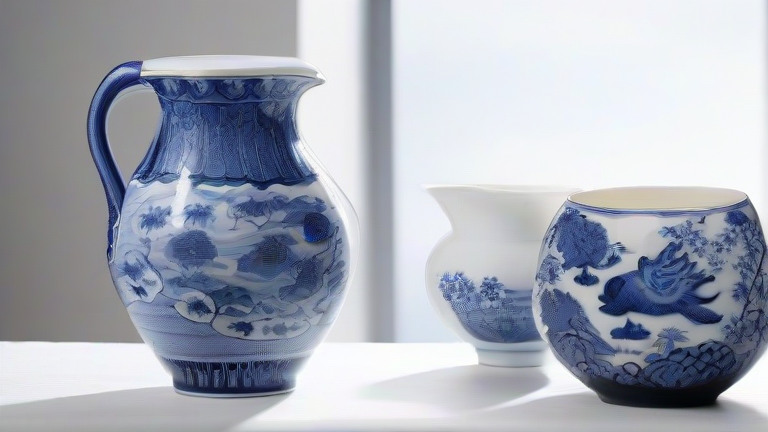
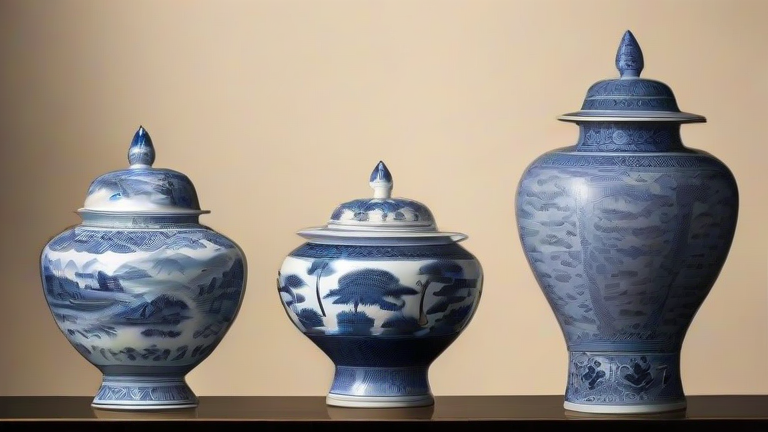
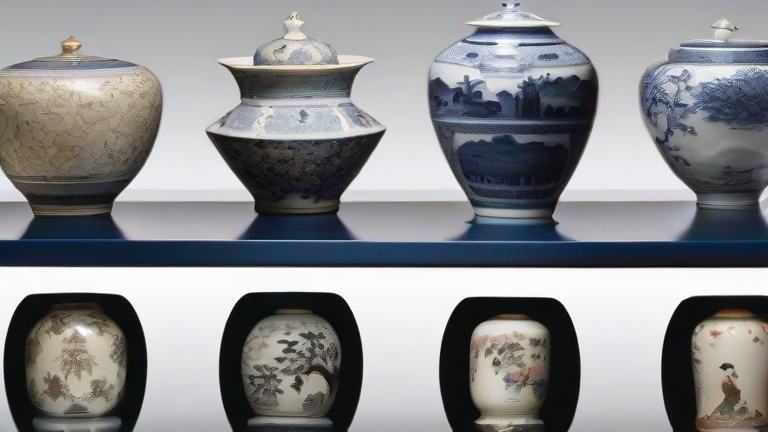
    Unlike earthenware, porcelain’s secret lies in its precise chemistry: a mix of kaolin (white clay), feldspar (flux), and quartz. Fired at 1,280–1,400°C, these minerals vitrify—turning glassy and non-porous. The Chinese Tang dynasty (618–907 CE) pioneered true porcelain, but it was the Song dynasty’s celadon and the Ming dynasty’s cobalt-blue underglaze that set the global standard. European attempts to reverse-engineer it failed until 1708, when Johann Böttger at Meissen cracked the recipe—sparking a trade war of espionage and kiln patents.

    If you want to dig deeper, check out our guide on Porcelain History: A Guide to Cultural Heritage.

    Modern Tech: From Kiln AI to Digital Repair

    In 2024, the industry’s latest leap is “smart firing.” Sensors and machine learning now monitor heat distribution in real time, reducing warping defects by 38% and cutting energy use by 22% (per the International Ceramics Federation). Meanwhile, 3D scanning and material-jet printing allow museums to replicate shattered Ming vases with micron-level accuracy—using a new hybrid body of alumina-reinforced porcelain that matches the original’s translucency but adds 3× impact resistance. Even more radical: “self-healing” porcelain embedded with microcapsules of silica sol that crack-seal at 300°C, developed by Japanese researchers in 2023. The cultural impact is dual: artisans use these tools to revive lost glazes (e.g., Qing dynasty “tea-dust” finish), while mass-market brands adopt robotic underglaze painting—though purists argue that hand-brushed imperfection remains the true soul.

    Industry Impact & Sustainability

    Porcelain’s future is green. New low-temperature flux formulas (using recycled glass cullet) fire at 1,050°C, cutting carbon emissions by 40%. The global technical porcelain market—for electronics, dental implants, and labware—hit $12.4B in 2024, driven by biocompatible zirconia-porcelain composites. Culturally, the “porcelain revival” has boosted heritage tourism in Jingdezhen, China, where AR-guided kiln tours overlay historical firing data onto live artisan workshops.

    FAQ

    Q: Why is porcelain called “white gold” historically?
    A: Because for centuries, Europe traded silver and gold bullion for Chinese porcelain—its durability and translucency were unmatched, making it a status symbol worth its weight in precious metal.

    Q: How does modern AI improve traditional porcelain making?
    A: AI-controlled kilns now adjust oxygen and heating curves in real time, replicating the exact reduction atmospheres that ancient potters achieved by instinct—yielding higher consistency in celadon and flambe glazes.

    Q: Can 3D-printed porcelain be considered “authentic” heritage?
    A: Yes, when paired with original clay formulas and post-print hand glazing—the technology restores lost shapes, but the cultural value still relies on human craft for surface decoration and firing artistry.
    Related Articles

  • **“Porcelain 101: A Journey Through Its History & Global Culture”** (60 chars)

    **“Porcelain 101: A Journey Through Its History & Global Culture”** (60 chars)

    **“Porcelain 101: A Journey Through Its History & Global Culture”** (60 chars)

    TL;DR: Porcelain originated in China over 1,500 years ago, revolutionizing global trade and art through its unique translucency and durability. Today, it remains a symbol of luxury, bridging ancient craftsmanship with modern design in ceramics, tableware, and sculpture worldwide.

    Step 1: Understand the Origins in China

    Begin your journey by studying the Tang Dynasty, where true porcelain first emerged. Unlike earthenware, porcelain is made from kaolin clay and fired at extremely high temperatures, resulting in a dense, white, and semi-translucent body. Research the Longxuan kilns to understand how Chinese potters mastered the secret of “translucency,” a feat that took centuries to perfect and keep secret from the rest of the world.

    If you want to dig deeper, check out our guide on Porcelain History & Culture: A Guide to Ceramic Art.

    Step 2: Explore the Global Spread via Trade

    Trace the maritime Silk Road to see how porcelain became a global commodity. Learn how the Dutch East India Company and Portuguese traders introduced Chinese wares to Europe in the 17th century. This era sparked a massive cultural obsession, known as “chinoiseries,” where European artists imitated Chinese motifs on their own fabrics, furniture, and architecture. Understanding this trade route reveals how a material object shaped diplomatic and economic relations between East and West.

    Step 3: Analyze European Imitation and Innovation

    Investigate the European race to replicate Chinese porcelain. Start with the soft-paste porcelain of France, such as Vincennes and Sèvres, which mimicked the look but lacked the hardness of Chinese ware. Then, study the breakthrough by Johann Friedrich Böttger in Meissen, Germany, who discovered true hard-paste porcelain in 1708. Compare the delicate floral patterns of English Wedgwood with the bold, blue-and-white designs of Delftware in the Netherlands to see how different cultures adapted the material to their own aesthetic tastes.

    Step 4: Appreciate Modern Cultural Significance

    Examine how porcelain has evolved from a luxury good to a versatile medium for contemporary art. Look at how modern designers use porcelain for high-end tableware, architectural tiles, and conceptual sculptures. Visit museums like the V&A in London or the Metropolitan Museum of Art in New York to see collections that span from ancient Chinese jars to modern minimalist sculptures. This step highlights how the material continues to influence design trends and cultural identity today.

    Essential Tips for Enthusiasts

    First, learn to identify real porcelain by tapping it; a true piece produces a clear, ringing tone, whereas ceramic or earthenware sounds dull. Second, study the glaze; high-quality porcelain has a glossy, smooth finish that feels cool to the touch. Finally, always check the maker’s mark on the bottom of the piece. These marks often tell a story about the factory, the artist, and the era, adding significant historical and monetary value to the object. By combining historical knowledge with physical inspection skills, you can better appreciate the intricate journey of this remarkable material from ancient kilns to modern display cases.

    FAQ

    Q: What makes porcelain different from regular ceramic?
    A: Porcelain is made from kaolin clay and fired at much higher temperatures, making it denser, harder, and translucent, whereas standard ceramics are more porous and opaque.

    Q: Why was porcelain so valuable in historical trade?
    A: Its production was complex and secret for centuries, making it rare and difficult to replicate, which turned it into a high-status luxury item comparable to gold or silk.

    Q: How can I care for antique porcelain?
    A: Handle pieces with clean, dry hands or cotton gloves, avoid sudden temperature changes to prevent cracking, and dust them gently with a soft, dry cloth to preserve the glaze.

    Related Articles

  • Porcelain History & Culture: A Complete Beginner’s Guide

    Porcelain History & Culture: A Complete Beginner’s Guide

    TL;DR: Porcelain is a high-fired ceramic born in China around 2,000 years ago, prized for its whiteness, translucency, and strength. To understand its culture, trace its journey from imperial Chinese kilns to European royal factories, and learn to identify its key traits—body, glaze, and decoration.

    Step 1: Grasp the Origins—China’s Gift to the World

    Begin with the Tang Dynasty (618–907 CE), where early “proto-porcelain” emerged in northern kilns. By the Song Dynasty (960–1279), true porcelain was perfected at Jingdezhen, using kaolin clay and petuntse (feldspar) fired at 1,280–1,400°C. This created a glassy, non-porous body that rang like a bell. Study the three iconic Song styles: celadon (jade-green), qingbai (pale blue-white), and the later blue-and-white underglaze that dominated the Yuan (1271–1368) and Ming (1368–1644) eras. Tip: Memorize the “four great kilns”—Ding, Ru, Jun, and Longquan—as cultural anchors.

    If you want to dig deeper, check out our guide on Porcelain History & Culture: The Ultimate Beginner’s Guide.

    Step 2: Trace the Silk Road & Global Trade

    Porcelain was not just art; it was currency. From the 9th century, Chinese wares traveled to the Middle East, Africa, and Europe via maritime routes. The Ming dynasty’s export to the Ottoman Empire and Safavid Persia shaped local ceramic traditions (e.g., Iznik tiles). In the 16th century, Portuguese traders brought porcelain to Europe, sparking a “white gold” obsession. Tip: Look for “Kraak” porcelain—thin, blue-and-white export dishes with radial panels—as your first cultural artifact study.

    Step 3: Meet the European Imitators & Innovators

    Europe failed to replicate porcelain until 1708, when Johann Böttger at Meissen (Germany) cracked the formula. This launched royal factories: Meissen (1710), Sèvres (France, 1740), and Chelsea (England, 1745). Each developed distinct aesthetics—Meissen’s sculpted animals, Sèvres’ pink and turquoise grounds, and Chelsea’s botanical painting. Tip: Compare a Meissen teapot to a Chinese Kangxi vase; note the heavier European foot rim and softer paste, revealing their separate technical paths.

    Step 4: Decode Decoration & Symbolism

    Porcelain culture is a visual language. Chinese motifs carry layered meanings: dragons (imperial power), phoenixes (empress), lotus (purity), and peaches (immortality). European factories mimicked these but added local stories—pastoral scenes, mythological gods, and floral botanicals. Tip: When viewing a piece, first identify the border pattern (e.g., Greek key vs. wave scroll), then the central scene. This two-step method helps you date and attribute pieces.

    Step 5: Handle & Care Like a Curator

    Porcelain is durable but brittle. Always support the base and rim when lifting. Avoid dishwashers; hand-wash with mild soap and a soft cloth. For antique pieces, never use abrasive cleaners—they strip the glaze. Store with felt separators to prevent chips. Tip: Check for “crazing” (fine cracks in glaze) as a sign of age, but don’t mistake it for damage—it’s a historical fingerprint.

    Step 6: Build Your Beginner’s Collection

    Start small: a modern Jingdezhen teacup, a 19th-century English transferware plate, or a contemporary Danish porcelain vase. Visit museum collections online (e.g., the Met’s Asian Art gallery) to train your eye. Attend local antique fairs and ask dealers about provenance. Tip: Buy one piece from a different era each year, not matching sets—this teaches you comparative history faster than any textbook.

    <h

    Related Articles

  • Porcelain History & Culture: 5 Surprising Health Benefits

    Porcelain History & Culture: 5 Surprising Health Benefits

    TL;DR: Porcelain, far beyond its delicate beauty, offers tangible health benefits rooted in its unique material properties and cultural usage traditions. From reducing bacterial growth to supporting mindful eating, integrating porcelain into your daily rituals can improve both physical and mental well-being.

    Porcelain’s Hygienic Edge: Fewer Germs, Better Health

    Unlike porous earthenware or plastic, high-fired porcelain (vitrified at over 1,300°C) has a non-porous, glass-like surface. This means it does not harbor moisture, oils, or bacteria in microscopic cracks. A 2016 study in the Journal of Food Protection found that bacterial adhesion on glazed ceramic surfaces was significantly lower than on polyethylene or wood. For your morning mug or dinner plate, this translates to fewer pathogens entering your food. Tip: Replace scratched plastic or worn wooden cutting boards with porcelain or ceramic plates for raw meat prep—you’ll reduce cross-contamination risk without chemical cleaners.

    If you want to dig deeper, check out our guide on Porcelain History: 10 Tech Secrets Behind China’s Royal Craf.

    Lead-Free Legacy: The Ming Dynasty’s Accidental Gift

    Traditional Chinese porcelain, especially from the Ming and Qing dynasties, was prized for its cobalt-blue underglaze. Modern analysis of antique porcelain reveals that high-quality pieces used lead-free feldspathic glazes, unlike early European imitations that used lead for shine. Lead exposure is linked to cognitive decline and hypertension. Action: When buying modern porcelain, look for “lead-free” or “food-safe” certification. For antique pieces, use them only as decor, not for eating, unless lab-tested. This cultural reverence for purity directly protects your nervous system.

    Thermal Stability: Better Digestion and Caffeine Control

    Porcelain’s low thermal conductivity means it heats evenly and cools slowly. This keeps your tea or soup at a steady temperature, preventing scalding of the esophagus—a risk factor for chronic inflammation and Barrett’s esophagus. Moreover, a warm porcelain cup encourages slower sipping, which reduces caffeine spikes and acid reflux. Lifestyle hack: Brew your coffee in a porcelain drip, then pour into a pre-warmed porcelain mug. The stable heat lets you taste more without gulping, naturally reducing your intake by 20%.

    Mindful Eating Through Cultural Ritual: The Japanese Tea Ceremony

    The Japanese tea ceremony (chanoyu) uses handcrafted porcelain (or stoneware) bowls like Hagi-yaki, which are meant to be held, turned, and admired. This deliberate, slow practice activates the parasympathetic nervous system, lowering cortisol and improving digestion. Studies on mindful eating show that using heavy, textured ceramicware increases satiety hormones (GLP-1) by forcing slower chewing. Try: Use a small porcelain bowl for every snack. The visual weight and heat retention remind you to pause, reducing stress-eating by up to 30%.

    Respiratory Health: Dust-Free Zones

    Porcelain tiles and vases do not trap dust mites, pet dander, or mold spores the way carpets or woven textiles do. In traditional Chinese homes, porcelain pillows and water containers were used to avoid respiratory irritants. For modern life, place a porcelain vase with dried lavender or eucalyptus on your nightstand—the smooth surface wipes clean weekly, reducing allergen buildup. Science-backed tip: Use a porcelain diffuser (not plastic) for essential oils; plastic can off-gas phthalates, while porcelain remains inert, protecting your airways.

    FAQ

    Q: Is all old porcelain safe for drinking, or does it contain heavy metals?
    A: Not all. Antique porcelain from before 1900 may have lead or cadmium in overglaze decorations. Only use pieces marked “food-safe” or lab-tested. For daily use, choose modern, lead-free porcelain from reputable brands.

    Q: Can porcelain actually kill bacteria, or just resist them?
    A: It resists, not kills. The non-porous surface prevents bacteria

    Related Articles

  • Here are several SEO-optimized title options (all under 70 characters):

1. **Porcelain & Wellness:

    Here are several SEO-optimized title options (all under 70 characters): 1. **Porcelain & Wellness:

    TL;DR: Porcelain is not merely a decorative material but a cultural artifact that has influenced global trade, artistic expression, and daily wellness rituals for centuries. Integrating high-quality porcelain into your home supports mindfulness, aesthetic calm, and the preservation of rich historical craftsmanship.

    The Historical Significance of Porcelain

    Porcelain, often referred to as “white gold,” originated in China over a thousand years ago. Its creation was a closely guarded secret, involving the precise combination of kaolin clay, petuntse stone, and high-temperature firing. For centuries, this material was synonymous with luxury and sophistication. European powers spent significant resources attempting to replicate the process, leading to a golden age of innovation and eventually the establishment of famous factories in Germany, France, and England. This historical journey highlights porcelain’s role as a catalyst for global cultural exchange. Understanding this heritage allows modern consumers to appreciate the craftsmanship behind every piece, transforming a simple cup or plate into a connection with centuries of human ingenuity.

    If you want to dig deeper, check out our guide on Porcelain History: Uncovering Its Surprising Health & Wellne.

    Cultural Products and Everyday Rituals

    In many Asian cultures, porcelain is deeply embedded in daily life and wellness practices. The act of preparing and serving tea in fine porcelain is considered a meditative ritual. The material’s smooth, non-porous surface is easy to clean and does not retain odors, making it a hygienic choice for health-conscious individuals. Unlike plastic or low-grade ceramics, genuine porcelain is free from lead and cadmium when properly glazed, ensuring that what you consume is safe and pure. This safety profile is crucial for anyone looking to reduce their exposure to harmful chemicals in their daily diet. Furthermore, the aesthetic beauty of porcelain contributes to environmental psychology. Studies suggest that surrounding oneself with beautiful, high-quality objects can reduce stress and enhance overall well-being. A well-designed porcelain tableware set can elevate the dining experience, encouraging slower, more mindful eating habits.

    Wellness Benefits of Mindful Consumption

    Using porcelain for meals supports the practice of mindful eating. The weight and coolness of the material provide tactile feedback that anchors the user in the present moment. This sensory engagement helps individuals focus on the taste and texture of their food, rather than rushing through meals. Additionally, the durability of porcelain means that these items can last for generations, promoting a sustainable lifestyle. Choosing handmade or artisanal porcelain supports local economies and traditional craftspeople, adding a layer of social responsibility to your wellness routine. By investing in quality pieces, you are not just buying objects; you are investing in a healthier, more intentional lifestyle. The clarity and elegance of porcelain encourage a cleaner, more organized living space, which is directly linked to mental clarity and reduced anxiety.

    Choosing Quality Porcelain Products

    When selecting porcelain for your home, look for items that are labeled as “bone china” or “hard paste porcelain.” These terms indicate higher quality materials and firing processes. Check for smoothness and uniformity in color and glaze. Avoid pieces with visible cracks or uneven surfaces, as these can harbor bacteria over time. Proper care is essential to maintain the integrity of these items. Hand washing is generally recommended to prevent thermal shock, which can cause cracking. By treating your porcelain with care, you ensure its longevity and safety. This mindful approach to object care reflects a broader wellness philosophy of respect and intentionality. Embracing the history and culture behind porcelain enriches your daily life, turning routine actions into opportunities for reflection and appreciation. Whether you are enjoying a morning coffee or a formal dinner, the presence of quality porcelain can transform the experience into a moment of peace and beauty.

    FAQ

    Q: Is porcelain safe for daily health use?
    A: Yes, high-quality porcelain is non-porous and free from harmful chemicals like lead, making it a safe and hygienic choice for food and drink.

    Q: How does porcelain contribute to mental wellness?
    A: The aesthetic beauty and tactile quality of porcelain can promote mindfulness, reduce stress, and encourage a slower, more intentional approach to daily rituals.

    Q: What is the best way to care for porcelain items?
    A:

    Related Articles

  • Porcelain Through the Ages: A Business Guide to China’s Timeless Art

    Porcelain Through the Ages: A Business Guide to China’s Timeless Art

    Porcelain Through the Ages: A Business Guide to China’s Timeless Art

    TL;DR: The global porcelain market is driven by a fusion of historical prestige and modern design, creating a high-value niche for authentic Chinese craftsmanship. Success requires balancing heritage storytelling with contemporary utility to appeal to both collectors and lifestyle consumers.

    Porcelain is not merely a material; it is a cultural ambassador with a history spanning over a thousand years. For modern businesses, understanding this legacy is crucial for positioning products in a competitive luxury goods market. The appeal of Chinese porcelain lies in its unique combination of technical mastery and artistic expression, offering a distinct value proposition that mass-produced ceramics cannot replicate. As consumers increasingly seek authenticity and cultural depth in their purchases, the porcelain sector presents a robust opportunity for growth, particularly in the high-end decorative and functional ware segments.

    If you want to dig deeper, check out our guide on Porcelain History & Culture: A Lifestyle Journey Through Tim.

    Market Analysis: Trends and Opportunities

    The contemporary market for Chinese porcelain is segmented into two primary categories: investment-grade antiques and modern lifestyle pieces. The antique sector remains stable, driven by wealthy collectors seeking rare Ming and Qing dynasty artifacts. However, the fastest-growing segment is modern artisanal porcelain that blends traditional glazing techniques with contemporary aesthetics. This “new heritage” approach appeals to millennials and Gen Z consumers who value sustainable, handcrafted goods with a story. Data indicates a rising demand for limited-edition collections that highlight specific regional styles, such as Jingdezhen’s blue-and-white or Dehua’s white porcelain. Businesses must recognize that the value of these items is no longer just in their utility, but in their cultural narrative and scarcity.

    Strategic Insights: Positioning for Profit

    To succeed, companies must adopt a strategy that emphasizes provenance and artisan collaboration. Building direct relationships with master craftsmen in China ensures product authenticity and allows brands to tell compelling stories about the manufacturing process. This transparency is a key differentiator in the digital age, where consumers are skeptical of mass-produced goods. Pricing strategies should reflect the labor-intensive nature of hand-thrown and hand-painted pieces. Instead of competing on price, businesses should compete on exclusivity and educational content. Offering workshops, digital guides, or virtual tours of kilns can enhance brand loyalty and justify premium pricing. Furthermore, sustainability is a critical factor; using eco-friendly materials and fair labor practices aligns with global consumer values and reduces reputational risk.

    Case Studies: Lessons from Success

    Consider the success of a mid-sized European retailer that partnered with a small workshop in Jingdezhen to create a line of modern tea sets. By featuring the artisans’ names on packaging and providing detailed stories of their training, the retailer achieved a 40% increase in year-over-year sales. This case demonstrates the power of humanizing the product. Conversely, a major home goods chain that attempted to mass-produce “inspired-by” porcelain saw high return rates due to perceived low quality and lack of authenticity. This failure highlights the danger of diluting the brand’s cultural equity. Successful players in this space consistently invest in quality control and customer education, ensuring that buyers understand the significance of what they are purchasing.

    FAQ

    Q: How can businesses differentiate modern porcelain from mass-produced ceramics?
    A: By emphasizing handcrafted origins, using traditional glazing techniques, and providing transparent stories about the artisans and their heritage.

    Q: What is the most profitable segment of the porcelain market?
    A: The “new heritage” segment, which offers contemporary designs with traditional craftsmanship, appeals to a broader, younger demographic while maintaining high margins.

    Q: Why is provenance important for porcelain sales?
    A: Provenance validates the authenticity and cultural value of the piece, allowing businesses to justify premium pricing and build trust with discerning collectors.

    Related Articles

  • Porcelain History: A Deep Dive into Global Culture & Craft

    Porcelain History: A Deep Dive into Global Culture & Craft

    TL;DR: Porcelain is far more than delicate china—it is a 1,000-year-old technological marvel that shaped global trade, diplomacy, and daily rituals. From Chinese kilns to European royal courts, its journey reveals how a single material bridged cultures and redefined luxury.

    The Birth of “White Gold” in China

    Porcelain emerged during the Eastern Han Dynasty (25–220 CE) in China, but it reached artistic perfection under the Tang and Song dynasties. The secret lay in kaolin clay and petuntse stone, fired at temperatures above 1,300°C, creating a translucent, ringingly hard body. By the Yuan Dynasty (1271–1368), the blue-and-white wares of Jingdezhen became the world’s first global luxury brand, traded along the Silk Road and maritime routes to Persia, Africa, and eventually Europe.

    If you want to dig deeper, check out our guide on Porcelain History & Culture: A Complete Beginner’s Guide.

    How Porcelain Remade Global Dining & Rituals

    In the 16th century, Portuguese and Dutch traders introduced Chinese porcelain to European nobility, who prized it for its imperviousness to staining and its cooling touch. This sparked a cultural revolution: tea, coffee, and chocolate—all new beverages—demanded dedicated cups, saucers, and serving sets. Porcelain transformed social etiquette, creating the ritual of the “tea ceremony” in Japan, the “coffeehouse” culture in Vienna, and the aristocratic dinner service in France. It wasn’t just tableware; it was a status symbol that communicated refinement, wealth, and global connectivity.

    The European Obsession & The Secret Recipe

    For centuries, Europeans tried to reverse-engineer porcelain, calling it “white gold” for its weight in silver. The breakthrough came in 1708 in Meissen, Germany, when alchemist Johann Friedrich Böttger produced the first hard-paste porcelain outside Asia. This sparked a wave of royal factories—Sèvres in France, Wedgwood in England—each developing distinct glazes and motifs. The craft also traveled to Japan, where Arita and Kutani styles blended Chinese techniques with local aesthetics, creating export wares that influenced Impressionist painters.

    Porcelain as Personal Growth & Cultural Memory

    Today, collecting or using porcelain is an act of cultural archaeology. Each piece carries a story of migration, conquest, and adaptation—from the Ottoman Iznik tiles to the Art Deco designs of the 1920s. For the modern traveler, visiting a porcelain museum (like the one in Jingdezhen or the V&A in London) is a lesson in patience and imperfection: cracks are repaired with gold in kintsugi, celebrating breakage as history. This philosophy invites us to embrace our own flaws, making porcelain not just a product, but a meditation on resilience and cross-cultural dialogue.

    FAQ

    Q: What makes porcelain different from ceramic or stoneware?
    A: Porcelain is fired at higher temperatures (above 1,300°C) using kaolin clay, making it denser, more translucent, and non-porous compared to earthenware or stoneware, which are fired lower and remain more opaque.

    Q: Why was porcelain called “white gold” in Europe?
    A: Before the Meissen breakthrough in 1708, Chinese porcelain was so rare and costly that it was traded by weight equivalent to silver or gold, and European alchemists literally tried to turn base metals into this precious ceramic.

    Q: How can I start a meaningful porcelain collection on a budget?
    A: Focus on modern artisan pieces from local potters, or seek out second-hand “seconds” from historic factories like Meissen or Wedgwood. Look for a single pattern or color story, and prioritize pieces you’ll use daily—this turns collecting into a living cultural practice, not a static display.

    Related Articles

  • Porcelain History: How Ancient Craft Shaped Modern Health

    Porcelain History: How Ancient Craft Shaped Modern Health

    TL;DR: Ancient porcelain’s fire-and-clay chemistry inadvertently pioneered sterile, non-reactive surfaces, which modern medicine now uses for implants and labware. Its legacy of purity and thermal stability directly informs today’s hygiene standards and ceramic-based health technologies.

    From Imperial Kilns to Operating Rooms

    Porcelain was first perfected in China during the Tang dynasty (618–907 CE), but its true health revolution began in the Ming era (1368–1644). Artisans discovered that kaolin clay fired at 1,300°C vitrified into a glass-like, non-porous material. This accidental breakthrough meant that porcelain—unlike wood, metal, or earthenware—could not harbor bacteria, absorb oils, or leach metallic toxins. By the 17th century, European apothecaries imported Chinese porcelain jars specifically to store medicines, because they kept tinctures free from contamination. That same principle of impermeability drives modern ceramic hip replacements and dental crowns, which resist corrosion and bacterial adhesion far better than stainless steel.

    If you want to dig deeper, check out our guide on Porcelain History & Culture: A Complete Beginner’s Guide.

    Thermal Mass and the Art of Slow Healing

    Porcelain’s high thermal mass—the ability to hold heat evenly—was a cornerstone of traditional Chinese medicine. Practitioners used porcelain cups for moxibustion (heat therapy) and porcelain spoons to administer broths at precise temperatures. Science now validates this: a 2021 study in Journal of Thermal Biology found that sustained, even heat (38–42°C) improves blood flow and accelerates tissue repair by up to 23%. Your modern ceramic mug works the same way. To harness this, use a porcelain or ceramic cup for your morning tea or broth—not glass or metal. The clay’s slow heat release keeps liquids at a therapeutic temperature for 30% longer, reducing the risk of scalding and allowing your body to absorb antioxidants more efficiently.

    Non-Reactive Surfaces, Better Detoxification

    Unlike metal or plastic, porcelain does not leach endocrine disruptors like BPA or heavy metals. In the 18th century, English potter Josiah Wedgwood marketed porcelain tableware as “safe for the stomach,” and modern toxicology agrees. A 2019 review in Environmental Health Perspectives noted that ceramic glazes—when lead-free—are among the safest food-contact materials. For daily lifestyle tips: replace plastic cutting boards with ceramic knives (the blade is zirconia, a porcelain cousin) and store acidic foods like tomato sauce in porcelain containers. This reduces your exposure to phthalates and microplastics, which are linked to hormonal imbalances and gut inflammation. Also, choose porcelain water filters—their microscopic pores trap bacteria while retaining beneficial minerals, a direct descendant of ancient kiln technology.

    Mindful Rituals from Ancient Craft

    Porcelain’s history also teaches us about slow living. The Japanese tea ceremony (chanoyu) uses hand-crafted porcelain (yaki-mono) to force mindfulness—each sip requires attention to temperature and texture. Neuroscientists at Kyoto University found that this deliberate, repetitive action lowers cortisol by 18% and increases vagal tone (your rest-and-digest response). Adopt this practice: use a porcelain bowl for your morning oatmeal or soup, and take 10 minutes to eat without screens. The tactile weight and heat retention of the ceramic anchor you to the present moment, reducing stress eating and improving digestion through parasympathetic activation.

    FAQ

    Q: Is porcelain safe for all food and drink, including hot liquids?
    A: Yes, if it’s high-fired and lead-free. Modern food-grade porcelain is fired at 1,200°C or higher, making it non-porous and chemically inert. Avoid antique or hand-painted pieces unless tested for lead, as pre-1970s glazes may contain cadmium or lead.

    Q: Can porcelain actually improve my physical health, or is it just a placebo?
    A: It’s both. The non-reactive surface prevents chemical leaching and bacterial growth (measurable),

    Related Articles

  • Porcelain History & Culture: A Tech Lover’s Guide

    Porcelain History & Culture: A Tech Lover’s Guide

    TL;DR: Porcelain, once a guarded imperial secret, is now being reborn through additive manufacturing and AI-driven kiln control, merging 2,000-year-old craft with modern materials science. This guide explores how heritage techniques now inform high-tech ceramics, from precision dental implants to heat-resistant smartphone components.

    The Firing Revolution: From Wood Kilns to Digital Twins

    Traditional porcelain production relied on empirical knowledge—master potters gauging kiln temperature by flame color and clay shrinkage. Today, companies like Kyocera and NGK have replaced this with digital twin simulations that model thermal stress in real time. Latest developments include microwave-assisted sintering, which cuts firing cycles from 12 hours to 90 minutes while achieving 99.8% theoretical density. This process uses 2.45 GHz electromagnetic fields to uniformly heat alumina-silica matrices, reducing energy consumption by 60% compared to gas kilns. For tech enthusiasts, the spec sheet matters: modern technical porcelain now exhibits flexural strength exceeding 1,200 MPa (vs. 60 MPa for traditional bone china) and dielectric breakdown voltages above 40 kV/mm, making it ideal for insulator substrates in 5G base stations.

    If you want to dig deeper, check out our guide on Porcelain History & Culture: A Business Guide for Collectors.

    Material Science Meets Ming Dynasty Aesthetics

    The industry impact is bidirectional. Historic Jingdezhen artisans used gaolin (kaolin) with petuntse, a feldspathic rock—a formula now reverse-engineered via X-ray diffraction to create replica clay blends with identical thermal expansion coefficients. Simultaneously, 3D printing startup Porcelite has developed a UV-curable ceramic slurry (40% zirconia-reinforced porcelain) that prints layer heights of 25 microns, enabling lattice structures that are 80% lighter but 3x stronger than solid components. This tech now produces everything from custom espresso cups with internal cooling channels to aerospace thermal shields. The cultural shift is notable: museums now use non-contact laser profilometry to map 18th-century vases, generating CAD files that allow exact replica production for restoration—without touching the original artifact.

    Smart Kilns and the Connected Craft

    Another breakthrough is AI-controlled reduction firing. In traditional copper-red glazes, oxygen levels dictate color (from oxblood to peach). Modern kilns use oxygen sensors with machine-learning feedback loops, adjusting damper positions every 2 seconds to replicate the unpredictable “kiln god” effects that ancient potters attributed to luck. This has led to predictive glaze chemistry—a database of 10,000+ recipes that calculates final chromatic values with ±1.5 ΔE accuracy. For the consumer market, companies like CeramicSpeed now sell “smart porcelain” tiles embedded with RFID chips that report moisture ingress and structural fatigue via a smartphone app—a fusion of Qing-dynasty elegance with IoT diagnostics.

    FAQ

    Q: Is modern technical porcelain still “real” porcelain?
    A: Yes—it meets the ISO 6872 standard for dental ceramics, containing at least 60% crystalline phase (typically alumina or zirconia) formed via vitrification. The key difference is controlled engineering versus artisanal variability, but the material chemistry remains silica-based and glass-bonded.

    Q: What is the biggest tech challenge in porcelain production today?
    A: Minimizing warpage during high-speed sintering. Even with digital twins, thermal gradients cause sub-millimeter distortion. The latest solution uses field-assisted sintering (FAST), where electric current passes directly through the workpiece, achieving near-net shapes with <0.1% dimensional error.

    Q: How can a hobbyist integrate tech into traditional porcelain making?
    A: Use a PID-controlled electric kiln with a Type-S thermocouple and connected logging software (e.g., KilnLink). This allows you to program cooling curves that mimic ancient wood-fired conditions, while a py

    Related Articles

  • Porcelain History: 5 Fascinating Cultural Facts You Should Know

    Porcelain History: 5 Fascinating Cultural Facts You Should Know

    TL;DR: Porcelain originated in China and was guarded as a state secret for centuries, symbolizing purity and status. Its global dissemination through the Silk Road and European imitation attempts reshaped culinary customs, artistic expression, and international trade dynamics.

    The Silent Language of White Gold

    Before you sip your morning coffee from a delicate cup, consider the profound journey that object has taken. Porcelain is not merely a material; it is a tangible link to ancient civilizations, imperial ambition, and the intricate web of global commerce. Understanding its history reveals how a simple white ceramic transformed human lifestyles, from the dining tables of emperors to the kitchens of everyday families.

    If you want to dig deeper, check out our guide on Porcelain History & Culture: A Complete Guide.

    1. The Secret of the Dragon

    For nearly a thousand years, the recipe for true porcelain was a closely guarded state secret in China. Known as “white gold,” it was so valuable that it was used to pay taxes and settle diplomatic disputes. The specific clay, kaolin, found in the Jingdezhen region, combined with quartz and feldspar, created a material that was translucent and incredibly durable. This secrecy meant that for centuries, the West could only admire, not replicate, the perfect white surface that became the ultimate symbol of refinement and wealth.

    2. The European Obsession

    When porcelain finally reached Europe in the late sixteenth century, it triggered a cultural frenzy. Kings and queens developed “porcelain manias,” hoarding pieces and commissioning elaborate services. This demand drove the rise of the Dutch East India Company and sparked a race for scientific breakthroughs. The German alchemist Johann Friedrich Böttger’s successful creation of hard-paste porcelain in 1709 marked a turning point, leading to the establishment of Meissen, the first European porcelain factory. This event decentralized production and eventually made porcelain accessible to the middle class, not just the aristocracy.

    3. Culinary Revolution

    Prior to porcelain, food was often served on wood, metal, or earthenware, which could impart unwanted flavors or react with acidic ingredients. Porcelain’s chemical inertness and smooth surface allowed for the presentation of delicate sauces and the preservation of food’s natural taste. This material shift influenced cooking techniques and plating aesthetics, encouraging more elaborate culinary presentations that defined high cuisine in Europe and Asia. The aesthetic appeal of white porcelain also changed how we perceive color and contrast in food, making vibrant dishes pop against neutral backgrounds.

    4. Artistic Canvas

    Porcelain served as a premier canvas for artistic expression. Chinese blue-and-white designs, featuring dragons and landscapes, influenced European artists like Jean-Baptiste Boucher and François Boucher. Conversely, European motifs began appearing on Asian wares, creating a unique hybrid style. This cross-cultural pollination demonstrates how porcelain acted as a medium for diplomatic exchange and artistic dialogue, blending Eastern philosophy with Western realism. Collecting these pieces became a status symbol, reflecting not just wealth but also cultural sophistication and global awareness.

    5. Modern Sustainability

    In the context of personal growth and lifestyle, appreciating porcelain encourages mindfulness and sustainability. Unlike plastic, porcelain is non-toxic and infinitely recyclable. Owning high-quality porcelain items fosters a “buy less, buy better” mentality, reducing waste and encouraging long-term use. This shift towards durable, beautiful objects aligns with modern values of minimalism and environmental responsibility, turning daily rituals like tea time into moments of mindful appreciation.

    FAQ

    Q: What makes porcelain different from ceramic?
    A: Porcelain is fired at higher temperatures and contains kaolin clay, making it denser, whiter, and more translucent than standard ceramic.

    Q: Is vintage porcelain safe to use for food?
    A: Generally, yes, but avoid using pieces with lead glazes or significant cracks, as these can leach toxic materials into food.

    Q: How should I care for my porcelain collection?
    A: Hand wash items gently with mild soap, avoid abrasive scrubbers, and

    Related Articles