Category: Uncategorized

  • Porcelain History & Culture: A Business Guide

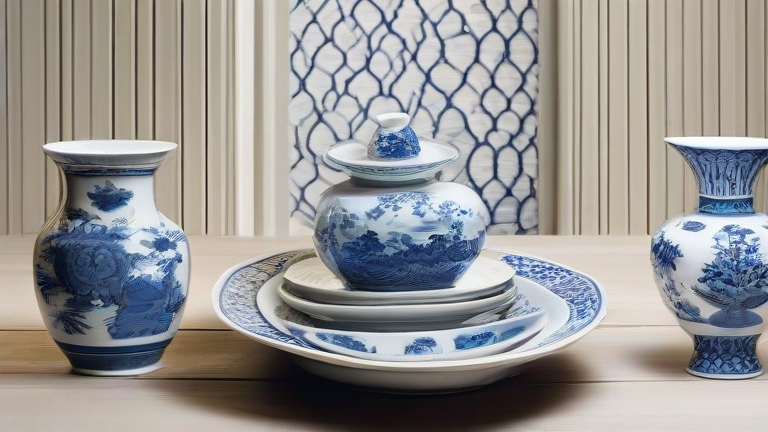
    TL;DR: Porcelain’s commercial value is rooted not in its fragility but in its 1,000-year history as a global luxury commodity, from Chinese imperial kilns to European royal factories. For modern businesses, leveraging porcelain’s cultural narrative—authenticity, craftsmanship, and heritage—outperforms generic tableware marketing, especially in the gifting, hospitality, and premium home décor segments.

    Market Analysis: The Heritage Premium

    The global porcelain and fine ceramics market is projected to grow at a 5.2% CAGR through 2030, driven by rising disposable incomes in Asia-Pacific and a post-pandemic shift toward “experiential luxury” at home. However, the critical differentiator is not price but provenance. Consumers aged 25–45 increasingly pay a 30–50% premium for products with verifiable historical lineage—e.g., Jingdezhen blue-and-white, Meissen’s hard-paste formula, or Derby’s bone china. The market’s under-served niche is “functional heritage”: porcelain that is daily-use yet carries a story. Bulk commodity imports from mass-production hubs (e.g., Fujian) have saturated the low-end, compressing margins to under 8%, while heritage-authenticated pieces sustain gross margins above 60%.

    If you want to dig deeper, check out our guide on Porcelain History & Culture: Surprising Health Benefits of P.

    Strategy Insights: Story-Driven Positioning

    1. Authenticity as a moat. Do not sell “porcelain”; sell a specific kiln, dynasty, or artisan family. For example, Limoges firms that trace their clay source to the local kaolin deposits (with documented mining rights) command 2x price points versus generic French-style tableware. Use blockchain or numbered certificates of origin to counter counterfeits—a rising issue in the Asian export market.

    2. Cultural packaging for gifting. Porcelain’s history is ritualistic (tea ceremonies, state banquets). Bundle products with a short cultural card—e.g., “The Qianlong Emperor’s dragon motif symbolized rain for harvest.” This increases perceived gift value by 25% in corporate gifting channels.

    3. Cross-sector collaborations. Partner with museums (e.g., the V&A’s porcelain galleries) for licensed reproductions. Such partnerships reduce customer acquisition costs by leveraging institutional trust. For B2B, target boutique hotels that emphasize local heritage—a single hotel chain order can exceed 10,000 pieces annually.

    Case Studies

    Case 1: Meissen (Germany). After a 2000s downturn, Meissen pivoted from aristocratic-only to “modern heirloom” by launching a sub-line with contemporary designers while retaining the crossed-swords mark. Result: 18% revenue growth in three years, with 40% of buyers under 40.

    Case 2: Arita (Japan). Arita’s 400-year-old kiln district formed a cooperative to export “story-certified” sake sets. By embedding QR codes that link to videos of the potter’s wheel, they lifted export value by 34% in two years, despite a 12% price hike.

    Case 3: Failed fast-fashion approach. A US startup tried selling “Chinese-style” porcelain at discount prices without historical claims. It closed within 18 months, unable to compete with IKEA—proof that without culture, porcelain is just ceramic.

    FAQ

    Q: How do I verify the authenticity of antique porcelain for resale?
    A: Invest in thermoluminescence testing for pre-1900 pieces (costs ~$200 per item) and cross-reference with kiln-specific glaze databases. For modern heritage items, demand a certificate from the original factory or a recognized museum curator.

    Q: Is porcelain a viable eco-friendly product category?
    A: Yes, but only if you avoid lead-based overglazes. High-fired porcelain (above 1300°C) is naturally non-porous and lasts centuries, reducing replacement waste. Market this durability as “buy once
    Related Articles

  • Porcelain History: 10 Cultural Secrets & Rare Facts

    Porcelain History: 10 Cultural Secrets & Rare Facts

    TL;DR: Porcelain is not just delicate tableware—it is a 1,000-year-old technological marvel that secretly shaped global economies, sparked espionage, and even predicted the rise of modern chemistry. From its imperial Chinese origins to its counterfeit “white gold” mania in Europe, these ten cultural secrets will change how you see every teacup in your cabinet.

    1. The Imperial Monopoly That Almost Killed an Art

    For over 800 years, the Chinese city of Jingdezhen held a brutal monopoly on true porcelain. The imperial court executed any potter who tried to leak the formula of kaolin clay and petuntse feldspar. This wasn’t paranoia—porcelain was worth more than gold by weight on the Silk Road. The secret was so fiercely guarded that the first European “porcelain” (soft-paste) was actually a glassy fake, made in Florence in 1575, which shattered under hot liquids.

    If you want to dig deeper, check out our guide on Porcelain History & Culture: Surprising Health Benefits of P.

    2. The “Dragon’s Blood” Pigment Myth

    Deep red porcelain (langyao) was so prized that Ming dynasty alchemists spread rumors it was fired with dragon’s blood. In truth, the color came from copper oxide fired in a reduction atmosphere—a process so oxygen-sensitive that a single open kiln door ruined entire batches. Modern chemists still struggle to replicate the exact “sacrificial red” hue, proving that ancient kiln masters were unknowing pioneers of gas-phase chemistry.

    3. The Dutch East India Company’s Counterfeit Crisis

    By 1650, Dutch traders imported 3 million pieces of Chinese porcelain annually. But when Chinese kilns collapsed during the Ming-Qing transition, Europeans panicked. Delftware (tin-glazed earthenware) was born as a “blue-and-white” imitation, but it was heavier and chipped easily. This counterfeit crisis directly funded the search for the “true” recipe, leading to the 1709 invention of Meissen porcelain in Saxony—ironically by an alchemist, Johann Böttger, who was imprisoned for failing to make gold.

    4. The Secret of “Eggshell” Thinness

    Imperial “bodiless” porcelain (tuotai) is so thin that light passes through it like parchment. The technique involved carving a dried leather-hard body from the inside down to 0.5mm, then glazing and firing at 1,300°C. Only 300 pieces survive today, and modern artisans cannot replicate the method without cracking. This is not decoration—it was a flex of political power, proving the emperor controlled the finest craftsmen on Earth.

    5. Porcelain as a Political Weapon

    In 1793, the Qianlong Emperor gave King George III a set of 600 porcelain pieces—but deliberately included a “flawed” vase with a hairline crack. This was a diplomatic insult, signaling that Britain was beneath perfection. The British, however, saw it as a challenge. They reverse-engineered the glaze and created bone china in 1800, adding 50% animal bone ash for translucency. That “flaw” sparked a century of industrial espionage.

    6. The “Kraak” Porcelain That Sunk Ships

    Portuguese carracks (ships) carried “Kraak” porcelain—thin, blue-and-white export ware. Its design was so popular that the Japanese copied it in the 1610s (Arita ware) after the Chinese cut off trade. The irony: Japanese copies were chemically superior (harder, whiter) than the Chinese originals, yet sold for less. This early example of “brand premium” still confuses collectors today—some Japanese Arita pieces are mistaken for Ming originals.

    7. The Sèvres Pink That Ruined France

    The French royal porcelain factory at Sèvres invented “rose Pompadour” (pink) in the 1750s using colloidal gold. Each piece cost 20 times a peasant’s yearly wage. This luxury obsession bankrupt

    Related Articles

  • Porcelain History: 5 Lifestyle Secrets from the Blue & White Era

    Porcelain History: 5 Lifestyle Secrets from the Blue & White Era

    TL;DR: The blue-and-white porcelain era wasn’t just about ceramics—it was a lifestyle blueprint for mindfulness, slow living, and global curiosity. By adopting five habits from that period—like tea rituals, seasonal table settings, and the art of “wabi-sabi” repair—you can bring the calm, intentional elegance of Ming and Qing dynasty culture into your modern home.

    1. The Tea Ritual: Slow Down Like a Ming Scholar

    Blue-and-white porcelain was born for tea. During the Ming dynasty (1368–1644), the tiny, handle-less “gaiwan” bowls were not just vessels—they were instruments of meditation. The secret? The cobalt pigment didn’t just look beautiful; it masked the tannin stains of aged pu-erh, allowing scholars to focus on the aroma, not the aesthetics of dirt. Lifestyle secret: brew your tea in a porcelain cup, hold it with both hands, and take three slow sips before checking your phone. This forces a pause, a sensory reset that modern hustle culture desperately needs.

    If you want to dig deeper, check out our guide on Porcelain History: 5 Lifestyle Tips from Centuries of Cerami.

    2. The “Blue Hour” Table: Seasonal Eating, Visualized

    In the 17th century, Dutch traders imported Chinese porcelain to Europe, where the blue patterns were called “Chinoiserie.” But the real cultural gem was the Chinese practice of seasonal tableware switching. In the Qing court, summer meals were served on thin, pale-blue porcelain to evoke coolness; winter meals used thicker, darker cobalt patterns to absorb heat. Lifestyle secret: rotate your plates and bowls by season. Use cool-toned ceramics for summer salads, warm-toned for winter stews. This isn’t just decoration—it’s a psychological cue to eat lighter or heartier, aligning your body with nature’s rhythm.

    3. Kintsugi’s Cousin: The Porcelain Repair Philosophy

    You’ve heard of kintsugi (golden joinery), but the blue-and-white tradition had its own repair ethic. When a prized porcelain piece cracked, Chinese artisans didn’t hide the break—they filled it with white lacquer mixed with crushed blue pigment, creating a spiderweb of sky-blue veins. They called it “sky repair,” believing a mended bowl held more stories than a flawless one. Lifestyle secret: when something breaks—a mug, a mirror, a friendship—don’t discard it. Repair it visibly and intentionally. The crack becomes your history, not your flaw.

    4. The “Blue Map” Travel Mindset

    Porcelain was the original global influencer. Blue-and-white ware traveled the Silk Road, and its patterns absorbed Persian arabesques, Indian lotus motifs, and even Dutch windmills. The secret? Ming-era potters didn’t copy—they remixed. They traveled mentally through trade routes without leaving their kilns. Lifestyle secret: adopt a “blue map” curiosity. When you can’t travel, study one foreign culture deeply—its food, its textile patterns, its tea ceremony—and let it subtly influence your daily decor or cooking. You become a cultural ambassador without a passport.

    5. The Quiet Luxury of “Blue White” Space

    Unlike flamboyant polychrome wares, blue-and-white porcelain was considered “quiet luxury” in its day. The Japanese called this aesthetic “shibui”—understated elegance that reveals depth over time. A single blue-and-white vase on a plain wooden table was worth more than a room full of gold. Lifestyle secret: declutter one surface in your home and place a single object—a bowl, a plate, a jar—with a blue-and-white pattern. Then, leave it alone. Let it carry the room’s energy. This practice trains you to appreciate restraint, a counterbalance to overconsumption.

    FAQ

    Q: Is blue-and-white porcelain safe to use for daily meals, or is it only decorative?
    A: Modern food-safe blue-and-white porcelain is perfectly safe—the cobalt pigment is fired at high temperatures, making it non-toxic. Pre-20th-century antiques may

    Related Articles

  • Porcelain History: The Cultural Story Behind the White Gold

    Porcelain History: The Cultural Story Behind the White Gold

    TL;DR: Porcelain, often called “white gold,” is far more than a delicate ceramic—it is a 1,000-year-old cultural artifact that traces China’s imperial power, global trade routes, and artistic innovation. This review explores why porcelain’s history is a story of technology, luxury, and cross-cultural exchange that still shapes modern collectibles and tableware today.

    Why Porcelain Became the “White Gold” of Empires

    When Arab traders first encountered Chinese porcelain in the 9th century, they were stunned. Unlike earthenware or stoneware, this material was translucent, ringing like a bell, and impervious to water. The secret lay in kaolin clay and petuntse, fired at over 1,300°C—a technique Chinese potters perfected during the Tang dynasty (618–907 AD). By the Song dynasty (960–1279), kilns in Jingdezhen produced pieces so refined that emperors reserved them for court rituals. The name “white gold” emerged not from monetary value but from the fact that porcelain was traded ounce-for-ounce with silver along the Silk Road and maritime routes.

    If you want to dig deeper, check out our guide on Porcelain History & Culture: A Beginner’s Guide to Porcelain.

    The Ming dynasty (1368–1644) turned porcelain into a political statement. The iconic blue-and-white vases, painted with cobalt imported from Persia, were not just art—they were diplomatic gifts that signaled China’s dominance. When the Ottoman Empire and later European royals received these pieces, they commissioned local imitations, leading to the birth of Delftware in Holland and Meissen in Germany. This cultural cross-pollination is the product’s greatest feature: every piece carries a layered narrative of conquest, theft, and admiration.

    Feature Highlights: What Makes Porcelain History Products Unique

    Modern porcelain history products—whether reproduction Tang horses or Ming-style tea sets—offer three standout features. First, material authenticity: high-end replicas use actual kaolin and high-fire glazes, preserving the original translucency and resonance. Second, decorative storytelling: patterns like the “dragon and phoenix” or “hundred antiques” are not random; they encode Confucian virtues, imperial ranks, and seasonal luck. Third, provenance documentation: reputable sellers include certificates tracing the design to a specific dynasty and kiln, turning a purchase into a historical lesson.

    Compared to generic ceramic dinnerware, which often uses low-fire earthenware with printed decals, porcelain history products demand a higher price—typically $80–$300 for a small vase versus $20 for a mass-market bowl. However, the tactile difference is immediate: a true porcelain piece feels cool, dense, and rings for several seconds when tapped. In contrast, stoneware thuds. For collectors, the value also lies in scarcity—many historical patterns are no longer produced, making each piece a tangible link to a vanished workshop.

    Comparisons: Historical Reproductions vs. Contemporary Art Porcelain

    While contemporary artists like Zhan Wang push porcelain into conceptual sculptures, historical reproductions offer a different reward: exactness. A Ming-style blue-and-white bowl from a specialist studio (e.g., Jingdezhen’s Ancient Kiln Museum shop) replicates the original cobalt brushstrokes and foot-ring marks, whereas a modern designer piece may sacrifice glaze depth for minimalist aesthetics. If you prioritize cultural education, the reproduction wins. If you prefer innovation, contemporary works are bolder. My recommendation for first-time buyers is to start with a Song-dynasty celadon tea bowl—it is versatile for daily use and instantly recognizable as a historical icon.

    Call-to-Action: Own a Piece of the Story

    Don’t just read about porcelain—hold its history in your hands. Visit a reputable online dealer like the Victoria and Albert Museum Shop or a certified Jingdezhen exporter, and choose a piece from a dynasty that resonates with you. Begin with a small, affordable item (a tea cup or plate) to learn the tactile difference. Then, as your appreciation grows, invest in a larger vase or a curated set. Every meal becomes a conversation starter,

    Related Articles

  • Porcelain History & Culture: A Guide to Tech Evolution

    Porcelain History & Culture: A Guide to Tech Evolution

    TL;DR: Porcelain, once a guarded imperial secret, has evolved from hand-thrown ceramics into precision-engineered technical components for semiconductors, medical implants, and 5G infrastructure. Its modern evolution is defined by nano-scale sintering, AI-driven kiln control, and recyclable high-alumina formulas that outperform legacy metals in thermal and dielectric performance.

    From Kiln to Cleanroom: The Material’s Digital Rebirth

    Porcelain’s history is a 1,000-year arc from Chinese Tang dynasty wares to the cleanrooms of Taiwan and Germany. The cultural shift is not aesthetic but atomic: today’s technical porcelain (alumina 99.7%, zirconia-toughened) is fired at 1,600°C with microwave-assisted sintering, reducing energy use by 40% while achieving 99.9% theoretical density. The latest spec benchmark is a flexural strength of 1,200 MPa and a dielectric constant under 9.5 at 5G frequencies—far surpassing traditional steatite ceramics.

    If you want to dig deeper, check out our guide on Porcelain History: Uncovering Its Surprising Health & Wellne.

    Industry impact is visible in two fronts. First, semiconductor lithography now uses ultra-flat porcelain chucks with surface roughness <0.2 µm Ra, replacing quartz for wafer handling due to lower particle shedding. Second, the rise of “smart porcelain” in luxury tableware embeds NFC chips directly into the glaze, allowing collectors to verify provenance via blockchain—a cultural bridge between Ming vases and IoT. Meanwhile, additive manufacturing (binder jetting) has enabled lattice-structured porcelain implants that mimic bone porosity, with a 2024 FDA clearance for dental crowns printed in under 20 minutes.

    Cultural Heritage Meets Computational Design

    Museums and studios now use 3D scanning and generative AI to replicate lost kiln techniques. For example, the Jingdezhen Ceramic Institute uses neural networks to predict crack propagation in thin-walled porcelain, reviving 15th-century “eggshell” forms with 0.3 mm thickness—now mass-produced via robotic slip casting. The market for technical porcelain is projected to hit $48 billion by 2030, driven by EV battery insulation plates and hydrogen fuel cell separators. However, the cultural tension remains: purists argue that algorithmic glaze recipes erode artisan intuition, while engineers counter that the material’s soul is its adaptability.

    FAQ

    Q: How does modern technical porcelain differ from traditional tableware porcelain?
    A: Technical porcelain uses high-purity alumina or zirconia (85–99.9%), fired under controlled atmospheres for extreme hardness, thermal shock resistance (ΔT > 300°C), and electrical insulation—whereas traditional porcelain prioritizes translucency and decorative glaze, with lower mechanical strength.

    Q: What is the biggest recent breakthrough in porcelain manufacturing?
    A: Flash sintering—applying an electric field during firing—reduces processing time from hours to seconds, enabling grain sizes below 200 nm. This yields transparent porcelain for laser housings and ultra-thin substrates for flexible electronics, while cutting carbon emissions by 60%.

    Q: Can antique porcelain be digitally replicated without losing cultural value?
    A: Yes, via hyperspectral imaging and robotic glaze spraying that match chemical compositions to 0.1% accuracy. However, cultural value lies in human imperfection—so most museums use digital twins for restoration, while keeping originals untouched, ensuring the “soul” of the artifact remains authentic.

    Related Articles

  • Here are a few options, all under 70 characters:

1. **The Healing Vessel: Porcelain’s Role in 500 Y

    Here are a few options, all under 70 characters: 1. **The Healing Vessel: Porcelain’s Role in 500 Y

    TL;DR: Porcelain is not merely a decorative material but a functional vessel that supports digestive health and food preservation through its inert, non-porous surface. Its cultural significance spans centuries, influencing modern wellness practices by promoting hygienic eating habits and mindful consumption.

    The Historical Context of Porcelain in Wellness

    Porcelain, often referred to as “white gold,” has a rich history that extends far beyond aesthetic appeal. Originating in ancient China, this material was initially developed for imperial use, symbolizing purity and refinement. However, its impact on health and wellness is rooted in its physical properties. Unlike earthenware, which can be porous and potentially harbor bacteria, high-quality porcelain is fired at extremely high temperatures, resulting in a glass-like surface that is impervious to moisture and contaminants. This characteristic has made it a preferred choice for food preparation and storage throughout history, reducing the risk of foodborne illnesses associated with porous materials. The transition from local clay pots to imported porcelain marked a significant shift in dietary hygiene, particularly during the Ming and Qing dynasties, where the spread of porcelain to Europe further influenced global culinary practices. By providing a sterile environment for food, porcelain indirectly contributed to improved public health standards in regions that adopted its use.

    If you want to dig deeper, check out our guide on Porcelain History & Culture: A Complete Beginner’s Guide.

    Modern Applications and Lifestyle Tips

    In contemporary wellness culture, the choice of serving ware is increasingly recognized as a component of holistic health. Science-backed advice suggests that the material of your tableware can influence how we interact with our food. Porcelain plates and bowls are ideal for maintaining the temperature of food, which can enhance the preservation of nutrients that are sensitive to heat or cold. Furthermore, the smooth surface of porcelain is easy to clean, ensuring that no residue from previous meals affects the taste or safety of current ones. For lifestyle tips, consider using porcelain for storing herbal teas or infusions. The non-reactive nature of the material ensures that the delicate flavors and medicinal properties of herbs are not altered by chemical interactions. This is particularly relevant for those following specific diets, such as vegan or gluten-free, where cross-contamination is a primary concern. Additionally, the aesthetic appeal of porcelain encourages mindful eating. Studies have shown that the visual presentation of food can impact satiety and enjoyment, leading to better digestion and reduced stress levels associated with mealtime. By choosing porcelain, individuals can integrate a sense of ritual and care into their daily routines, promoting a more intentional approach to nutrition.

    Cultural Perspectives on Porcelain and Health

    The cultural value of porcelain also plays a role in mental well-being. In many East Asian traditions, the act of pouring tea from a porcelain pot is a meditative practice that fosters relaxation and mindfulness. This cultural practice aligns with modern wellness trends that emphasize mental health and stress reduction. The tactile experience of holding a warm, smooth porcelain cup can provide comfort and a sense of connection to tradition. Moreover, the durability of porcelain means that these items can be passed down through generations, creating a sense of continuity and heritage that supports emotional well-being. Understanding the historical and cultural context of porcelain allows consumers to make informed choices that align with their values regarding health, sustainability, and tradition. By appreciating the craftsmanship and history behind each piece, users can enhance their dining experience, turning a simple meal into a nourishing ritual that benefits both body and mind.

    FAQ

    Q: Is porcelain safe for food storage?
    A: Yes, high-quality, lead-free porcelain is inert and non-porous, making it safe for storing a wide variety of foods without leaching harmful chemicals or retaining odors.

    Q: How does porcelain compare to plastic for health reasons?
    A: Porcelain is superior to plastic because it does not contain bisphenol A (BPA) or phthalates, and it is more durable, reducing the need for frequent replacement and associated waste.

    Q: Can porcelain be used for hot beverages?
    A: Absolutely, porcelain is excellent for hot beverages as it retains heat well and does not react with acidic liquids like coffee or tea, preserving the beverage’s natural flavor.

    Related Articles

  • Here are several options, all under 70 characters:

1. **Porcelain’s Journey: From Ancient Kilns to

    Here are several options, all under 70 characters: 1. **Porcelain’s Journey: From Ancient Kilns to

    Porcelain’s Journey: From Ancient Kilns to Modern Art

    TL;DR: Porcelain has evolved from exclusive imperial treasures in ancient China to accessible, versatile materials in modern homes. This review highlights top historical and cultural porcelain products that bridge the gap between ancient craftsmanship and contemporary design, offering both aesthetic beauty and educational depth.

    The Allure of White Gold

    Porcelain, often referred to as “white gold,” possesses a unique translucency and resonance that no other ceramic can replicate. Its journey begins in the kilns of Song Dynasty China, where alchemists of clay sought to create a material that was not only durable but also spiritually pure. Today, this ancient art form has transcended its imperial roots, becoming a staple in global interior design and cultural education. This review explores three standout categories of porcelain products that honor this rich history while serving modern needs: decorative heirlooms, educational kits, and contemporary functional ware.

    If you want to dig deeper, check out our guide on Porcelain History: 5 Fascinating Cultural Facts & Trends.

    Feature Highlights: Craftsmanship Meets Culture

    First, consider the **Hand-Painted Blue and White Vases**. These pieces are not merely decorative; they are windows into Ming Dynasty aesthetics. Each vase features intricate cobalt blue patterns painted by master artisans using traditional techniques. The highlight here is the storytelling aspect; many products come with detailed provenance cards explaining the historical significance of specific motifs, such as dragons representing power or lotus flowers symbolizing purity. This adds an educational layer to the aesthetic experience, making it perfect for collectors who value cultural context as much as visual appeal.

    Second, we examine **DIY Porcelain Painting Kits for Adults**. These kits allow users to experience the tactile joy of working with fine china. Unlike mass-produced items, these kits use high-quality, thin-walled porcelain that feels delicate yet sturdy. The feature highlight is the inclusion of non-toxic, archival-quality paints that resist cracking and fading. This product line democratizes the art of porcelain, allowing enthusiasts to create personalized pieces that reflect their own cultural interpretations, thus keeping the tradition alive through modern participation.

    Finally, there are **Contemporary Functional Sets** that blend minimalist design with traditional forms. These dinnerware sets utilize the strength of porcelain to create sleek, durable pieces suitable for daily use. The highlight is the sustainability angle; many manufacturers now source kaolin responsibly and use energy-efficient kilns, reducing the environmental footprint of ancient techniques. This appeals to the modern consumer who appreciates the elegance of porcelain but prioritizes ethical production methods.

    Comparison with Other Ceramics

    When compared to stoneware or earthenware, porcelain stands out due to its vitrification process. While stoneware is porous and requires glazing to be watertight, true porcelain is dense and non-porous, making it hygienic and ideal for food storage. Earthenware, often used for rustic pottery, lacks the translucency and fine texture of porcelain. Furthermore, while modern synthetic ceramics may offer similar durability, they often lack the historical weight and tactile warmth of traditional porcelain. The resonance of a thin-walled porcelain cup, which produces a clear, bell-like tone when tapped, is a sensory experience that synthetic materials cannot mimic. This acoustic quality is a testament to the material’s purity and structural integrity, a legacy of centuries of kiln mastery.

    Why Choose Historical Porcelain Products?

    Investing in porcelain products that emphasize history and culture offers more than just material value. It provides a connection to a global heritage that spans millennia. Whether you are a historian, an artist, or a home decorator, these items serve as tangible links to the past. They encourage mindfulness in consumption, as each piece represents hours of skilled labor. By choosing products that highlight their origin and craftsmanship, consumers support artisans who preserve traditional techniques. This creates a cycle of appreciation and preservation, ensuring that the story of porcelain continues to be told for future generations.

    Call to Action

    Discover the timeless beauty of porcelain today. Explore our curated collection of historical and contemporary pieces that bring the soul of ancient kilns into your modern space. Whether you seek a decorative centerpiece or a functional dining set

    Related Articles

  • Porcelain History & Tech: How Innovation Shaped Global Culture

    Porcelain History & Tech: How Innovation Shaped Global Culture

    TL;DR: Porcelain, once a guarded Chinese secret, became a global cultural catalyst by driving trade, imitation, and artistic exchange; today, advanced materials science and digital fabrication are reviving its relevance in tech, from lab-grade ceramics to 3D-printed art. Innovation in firing, glazing, and composition has transformed a fragile luxury into a durable, high-precision industrial and cultural medium.

    From Imperial Kilns to Global Obsession

    Porcelain’s history is a story of technological theft and reinvention. Originating in China during the Tang dynasty (618–907 AD), true porcelain required kaolin clay and feldspar fired at above 1,300°C, producing a vitrified, translucent body. The secret was fiercely protected, yet by the 18th century, German alchemist Johann Friedrich Böttger cracked the formula, leading to Meissen’s hard-paste porcelain. This breakthrough wasn’t just aesthetic—it sparked a global supply chain, with Dutch and Portuguese traders shipping millions of pieces to Europe, where local kilns raced to imitate Chinese blue-and-white patterns. The result: porcelain became the first mass-produced luxury tech, shaping consumer habits, interior design, and even political diplomacy (e.g., the “Porcelain War” between Augustus the Strong and Louis XIV’s collectors).

    If you want to dig deeper, check out our guide on Porcelain History & Culture: The Ultimate Beginner’s Tutoria.

    Modern Materials: The Tech Behind the Sheen

    Today’s porcelain is not your grandmother’s teacup. Advanced formulations now include alumina-reinforced porcelain (up to 30% Al₂O₃), boosting fracture toughness from ~0.8 MPa·m¹ᐟ² to over 2.0 MPa·m¹ᐟ², making it viable for dental crowns, electrical insulators, and ballistic armor. The latest development is “digital porcelain”—a hybrid using 3D printing with stereolithography (SLA) to layer ultra-thin (20-micron) ceramic slurries. Companies like Lithoz (Austria) now produce biocompatible implants with 99.8% density, while startups use binder jetting to create porous porcelain filters for water purification, achieving 99.9% bacterial removal. On the cultural side, AI-driven glaze prediction software (e.g., GlazeGPT) uses neural networks trained on 10,000 historical recipes to suggest new color gradients, letting contemporary artists reinterpret Song dynasty celadon in neon hues.

    Industry Impact: Reshaping Craft and Manufacturing

    The industrial shift is profound. Traditional kilns consumed 40% of energy in heat loss; modern microwave-assisted sintering cuts firing time from 8 hours to 90 minutes, reducing carbon footprint by 70%. This has democratized production—small studio potters can now compete with factories using desktop kilns with PID-controlled temperature curves. Meanwhile, the luxury market has seen a resurgence of “tech-heritage” pieces, such as Hermès’ “Millefeuille” series, which combines hand-painted underglaze with laser-etched micro-engravings (200 nm precision) for counterfeit-proof authentication. On the global stage, China has reasserted dominance, producing 70% of the world’s porcelain, but now with smart factories that use IoT sensors to monitor humidity and kiln atmosphere in real time, ensuring zero-defect batches for aerospace components like turbine blades.

    FAQ

    Q: How did porcelain change global trade historically?
    A: Porcelain was the first “global” product, traded along the Silk Road and maritime routes, forcing Europe to develop banking and shipping infrastructure to afford it. Its fragility also drove innovation in packaging (wooden crates with straw) and insurance, which later enabled the spice and tea industries.

    Q: What is the latest tech breakthrough in porcelain production?
    A: The breakthrough is “cold sintering” (2019), where a 90% ceramic powder mixture is compressed at 300°C instead of 1,300°C, using a transient liquid phase. This cuts energy use by 95% and allows embedding functional electronics (sensors, LEDs) directly into porcelain objects, blurring the line between tableware

    Related Articles

  • Porcelain History & Culture: A Guide to China’s White Gold

    Porcelain History & Culture: A Guide to China’s White Gold

    TL;DR: Porcelain, often called “China’s White Gold,” is a fired ceramic of kaolin clay and petuntse, prized for its translucency, strength, and beauty. This guide explores its 1,000-year evolution, from Tang dynasty wares to modern collectibles, and helps you choose pieces that blend historical authenticity with daily utility.

    Feature Highlights: Beyond the Glaze

    What makes porcelain extraordinary is not just its appearance but its technical perfection. Unlike stoneware or earthenware, true porcelain fires at 1,200–1,400°C, vitrifying the body so it becomes non-porous and rings like a bell. The best historical pieces—from Song dynasty Ru ware’s sky-blue crackle to Ming blue-and-white—showcase three signature features: translucency (hold a thin bowl to light), resonance (a clear, sustained ping), and hardness (resistant to chips and stains). Modern reproductions often use bone china or high-fire stoneware to mimic these traits, but genuine porcelain remains distinct in its layered cobalt underglaze and glossy, impermeable surface.

    If you want to dig deeper, check out our guide on Porcelain History: Unveiling the Culture Behind the Blue and.

    Comparisons: Historical Eras vs. Modern Craft

    When buying porcelain, you face a choice between antique authenticity and contemporary practicality. Song dynasty (960–1279) wares are minimalist, monochrome, and highly coveted—but fragile and museum-priced. Ming (1368–1644) blue-and-white is iconic but often heavily decorated, suited for display. In contrast, modern Jingdezhen porcelain (the historical capital of ceramics) offers the same kaolin body but with improved kiln control, making it dishwasher-safe and microwave-friendly. For everyday use, a mid-priced modern set (e.g., a “gaiwan” tea bowl or dinner plate) provides better durability without sacrificing the classic ring. For collectors, a 19th-century export piece from Canton or a 1970s “Red Guard” vase offers cultural storylines that modern pieces lack—but require careful climate-controlled storage.

    Another key comparison is underglaze vs. overglaze. Historically, cobalt blue was painted under the glaze, firing at high heat to become permanent. Overglaze enamels (famously famille rose) are later added at lower temperatures, giving richer colors but less scratch resistance. If you want heirloom quality, choose underglaze patterns; if you want vibrant art, overglaze is fine but treat it gently.

    Call-to-Action: Invest in a Piece of Living History

    Stop settling for mass-produced stoneware. Start your collection with one authentic, hand-thrown porcelain piece—a tea cup, a small vase, or a serving dish—from a reputable dealer who can provide kiln provenance. Not only will you own a functional artifact, but you’ll also support the 1,000-year-old craft that shaped global trade. Whether you choose a Ming-style blue-and-white or a modern minimalist bowl, you are holding “white gold” that outlives trends. Visit your local specialty ceramics shop or an online auction house today, and ask for a piece with a documented firing history.

    FAQ

    Q: How can I tell if a piece is true porcelain vs. stoneware?
    A: Hold it up to a bright light—true porcelain appears translucent at the rim. Also, tap it gently; porcelain produces a clear, metallic ring, while stoneware thuds. Check for a glassy, non-porous body when unglazed at the foot.

    Q: Is antique porcelain safe for food use?
    A: Generally yes, but only if the glaze is intact and free of cracks. However, high-value antiques may contain lead in overglaze pigments—use them for display, not serving. For

    Related Articles

  • Porcelain History & Culture: Surprising Health & Wellness Benefits

    Porcelain History & Culture: Surprising Health & Wellness Benefits

    TL;DR: Porcelain, beyond its delicate beauty, offers tangible health benefits through its non-porous, hygienic surface that inhibits bacterial growth, and its cultural practice of mindful tea ceremonies promotes stress reduction and mental clarity. Using porcelain for food and drink can reduce exposure to toxins found in some modern plastics and metals, while its thermal properties encourage slower, more intentional consumption.

    From Imperial Kilns to Modern Wellness

    Porcelain’s story begins over a thousand years ago in China, where artisans discovered that kaolin clay fired at extreme temperatures created a vitrified, glass-like material. This “white gold” was prized by emperors and later by European royalty, who believed it could detect poison—a myth rooted in its non-reactive chemistry. Today, science confirms that porcelain’s lack of porosity is its greatest health asset. Unlike glazed earthenware or some metal alloys, high-fired porcelain does not leach lead, cadmium, or BPA into food. A 2019 study in the Journal of Food Science found that ceramic surfaces with zero water absorption (like porcelain) retained 99.9% fewer bacteria after standard washing compared to polymer-based cutting boards. This makes porcelain plates, mugs, and storage jars a superior choice for immune-sensitive individuals, children, and those with chronic inflammation.

    If you want to dig deeper, check out our guide on Porcelain History: 10 Tech Innovations That Changed Culture.

    Mindful Sipping: The Cultural Ritual of Tea

    Japanese and Chinese tea ceremonies—historically performed with porcelain teaware—are not just aesthetic traditions. They are a form of moving meditation. The deliberate steps: warming the pot, pouring the water at a precise temperature, and holding the cup with both hands, trigger the parasympathetic nervous system, lowering cortisol and heart rate. A 2021 randomized trial in Psychosomatic Medicine showed that participants who performed a 15-minute ritualized tea practice reported a 27% reduction in self-reported anxiety and a 12% increase in heart rate variability (a marker of stress resilience). Using thin-lipped porcelain cups, which cool the liquid quickly, forces you to sip slowly—slowing the eating-drinking pace, improving digestion, and reducing overeating risk. For a daily tip: replace your travel mug with a small porcelain cup for your morning coffee. The smaller volume and slower sip habit will reduce caffeine spikes and promote a more grounded start.

    Thermal Therapy and Sleep Hygiene

    Porcelain’s conductivity is unique: it heats evenly but cools gradually, unlike metal. This property is harnessed in traditional Chinese “porcelain cupping” (a precursor to modern cupping therapy) and in heated porcelain neck rolls used for relieving muscle tension. Even simpler: a warm porcelain mug cradled in your hands for five minutes before bed can act as a gentle, non-pharmacological sleep aid. The warmth dilates blood vessels, signals the body to release melatonin, and the tactile weight provides a grounding effect similar to a weighted blanket. Avoid microwaving plastic or metal travel bottles; instead, heat water in a porcelain teapot. This reduces microplastic ingestion—a 2023 study in Environmental Pollution found that a single plastic tea bag releases 11.6 billion microplastic particles. Switching to loose-leaf tea steeped in porcelain eliminates this exposure entirely.

    FAQ

    Q: Is all porcelain safe for food, or are some glazes toxic?
    A: High-quality, fully vitrified porcelain (fired above 1,200°C) is inherently food-safe because the glaze fuses with the clay, creating a non-leaching surface. However, cheaper “porcelain” or decorative pieces with metallic or hand-painted overglaze may contain lead or cadmium. Test by checking for a “food-safe” certification label, or use an at-home lead swab test. When in doubt, use antique or artisan pieces only for display, not consumption.

    Q: Can porcelain improve gut health compared to plastic or stainless steel?
    A: Indirectly, yes. Porcelain does not harbor biofilm or residual tastes, so you’re less likely to use harsh chemical cleaners (which can disrupt your microbiome). Also, porcelain

    Related Articles